Installment Contract In Real Estate Definition In Maricopa
Description

Get your form ready online
Our built-in tools help you complete, sign, share, and store your documents in one place.
Make edits, fill in missing information, and update formatting in US Legal Forms—just like you would in MS Word.
Download a copy, print it, send it by email, or mail it via USPS—whatever works best for your next step.
Sign and collect signatures with our SignNow integration. Send to multiple recipients, set reminders, and more. Go Premium to unlock E-Sign.
If this form requires notarization, complete it online through a secure video call—no need to meet a notary in person or wait for an appointment.
We protect your documents and personal data by following strict security and privacy standards.

Make edits, fill in missing information, and update formatting in US Legal Forms—just like you would in MS Word.

Download a copy, print it, send it by email, or mail it via USPS—whatever works best for your next step.

Sign and collect signatures with our SignNow integration. Send to multiple recipients, set reminders, and more. Go Premium to unlock E-Sign.

If this form requires notarization, complete it online through a secure video call—no need to meet a notary in person or wait for an appointment.

We protect your documents and personal data by following strict security and privacy standards.
Looking for another form?





Form popularity
FAQ
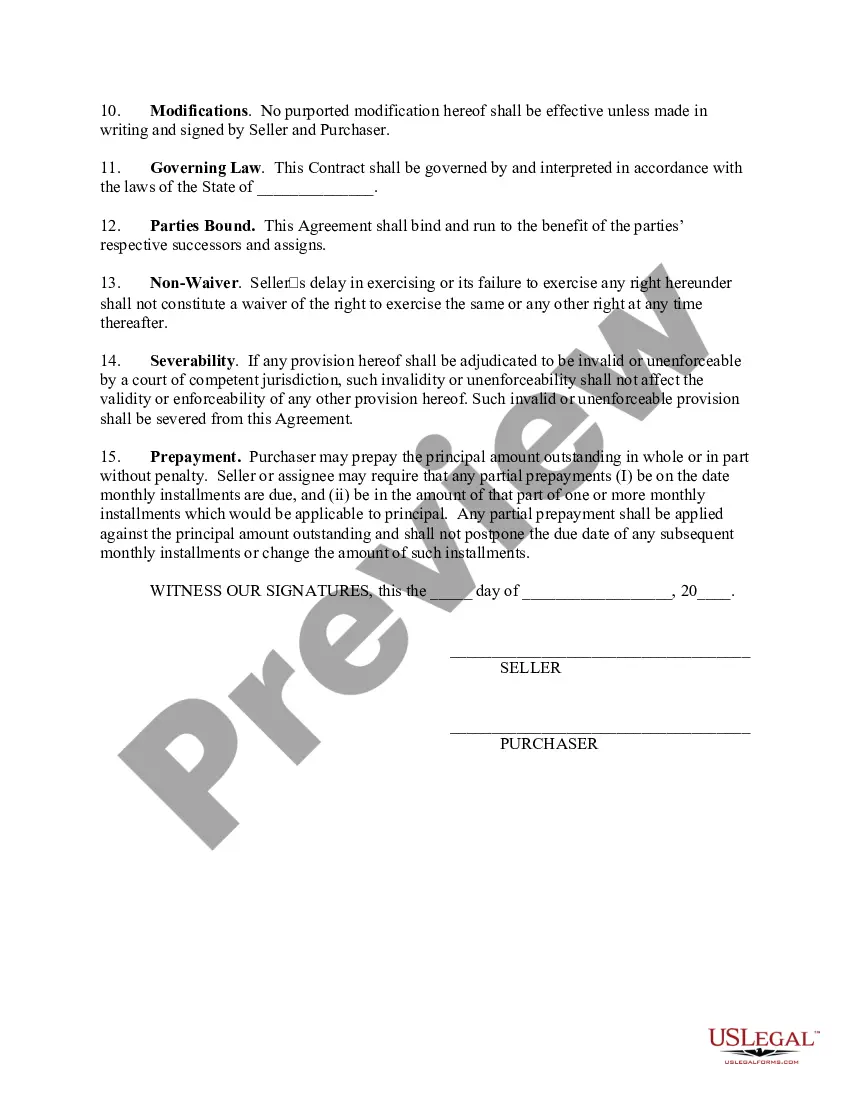
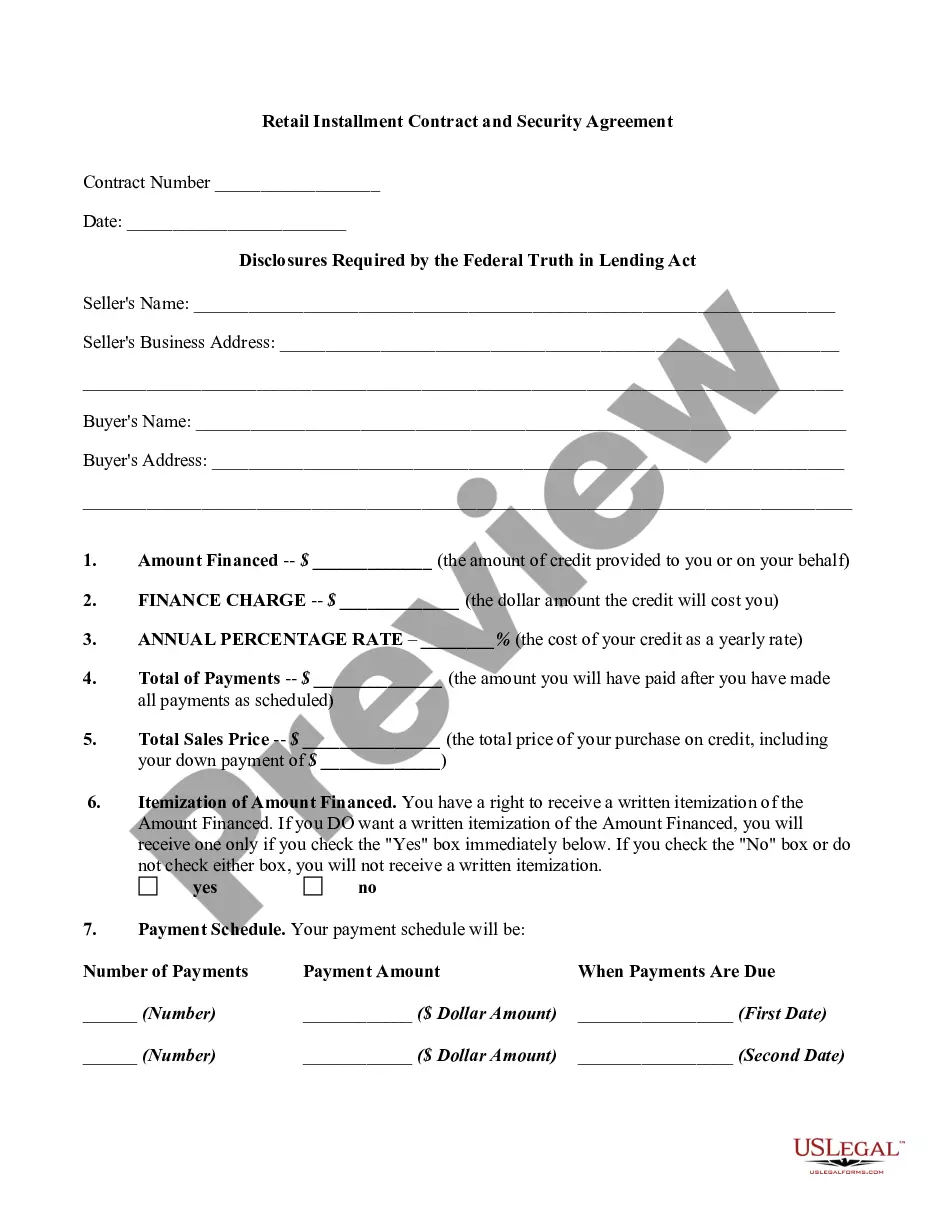
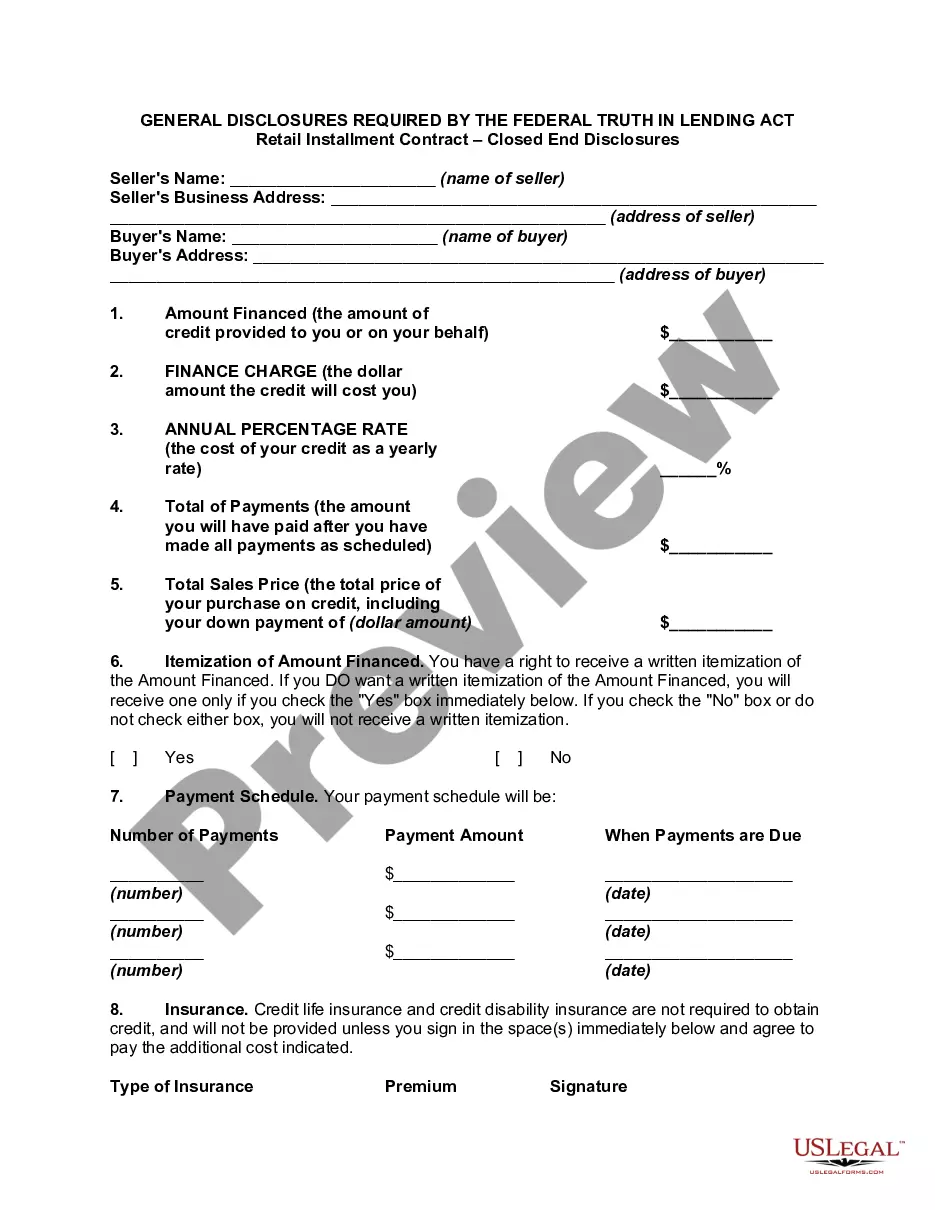
An installment contract is a single contract that is completed by a series of performances –such as payments, performances of a service, or delivery of goods–rather than being performed all at one time. Installment contracts can provide that installments are to be performed by either one or both parties .
An installment sale is a sale of property where you receive at least one payment after the tax year of the sale. If you dispose of property in an installment sale, you report part of your gain when you receive each installment payment. You cannot use the installment method to report a loss.
What qualifies for installment sale treatment? An installment sale generally involves the sale of tangible assets, like real estate, machinery, or livestock. However, a few types of sales don't qualify for installment sale treatment.
After creating a new deed, the parties involved file them with the county recorder's office. The county recorder stamps it with a code and date and files it. Once that happens, the deed becomes public records and may be accessed by anyone.
1. Deed: The deed to the property contains the most authoritative legal description. This document is recorded with the local county office and serves as proof of ownership.
Look for any discrepancies or issues that may affect the property's title. It's essential to reviewMoreLook for any discrepancies or issues that may affect the property's title. It's essential to review the chain of title to ensure there are no unresolved claims or encumbrances.
Under A.R.S. 42-13301 the LPV is the limited property value of the property in the preceding valuation year plus five percent of that value.
Property legal descriptions can be found on a property's officially recorded documents. A document search online or at the Recorder's Office may be necessary. Due to space limitations, the county is sometimes unable to use complete legal descriptions on the website, Assessor notices, and tax bills from the Treasurer.
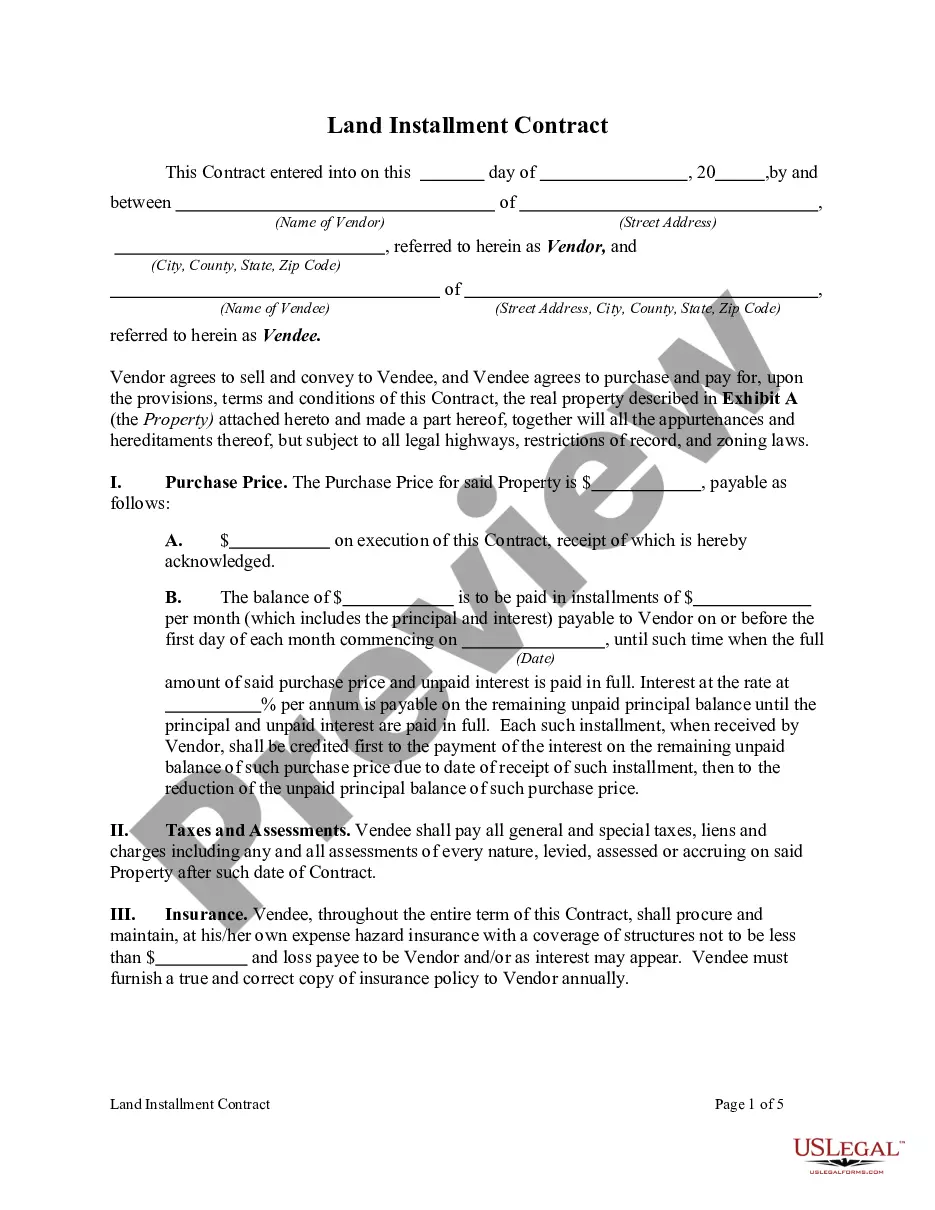
Land contracts (aka “land installment contracts” or “contracts for deed”) are agreements in which a homebuyer makes regular payments to the seller but the deed does not transfer at the outset; instead, the seller retains full ownership of the property until the final payment.
Property classified as Legal Class 4.1 is not listed as a registered rental but still does not receive the State Aid to Education Tax Credit. An example of a property in Legal Class 4.1 is a secondary home.
