Retail Installment Contract Vs Bill Of Sale For Car In King
Description

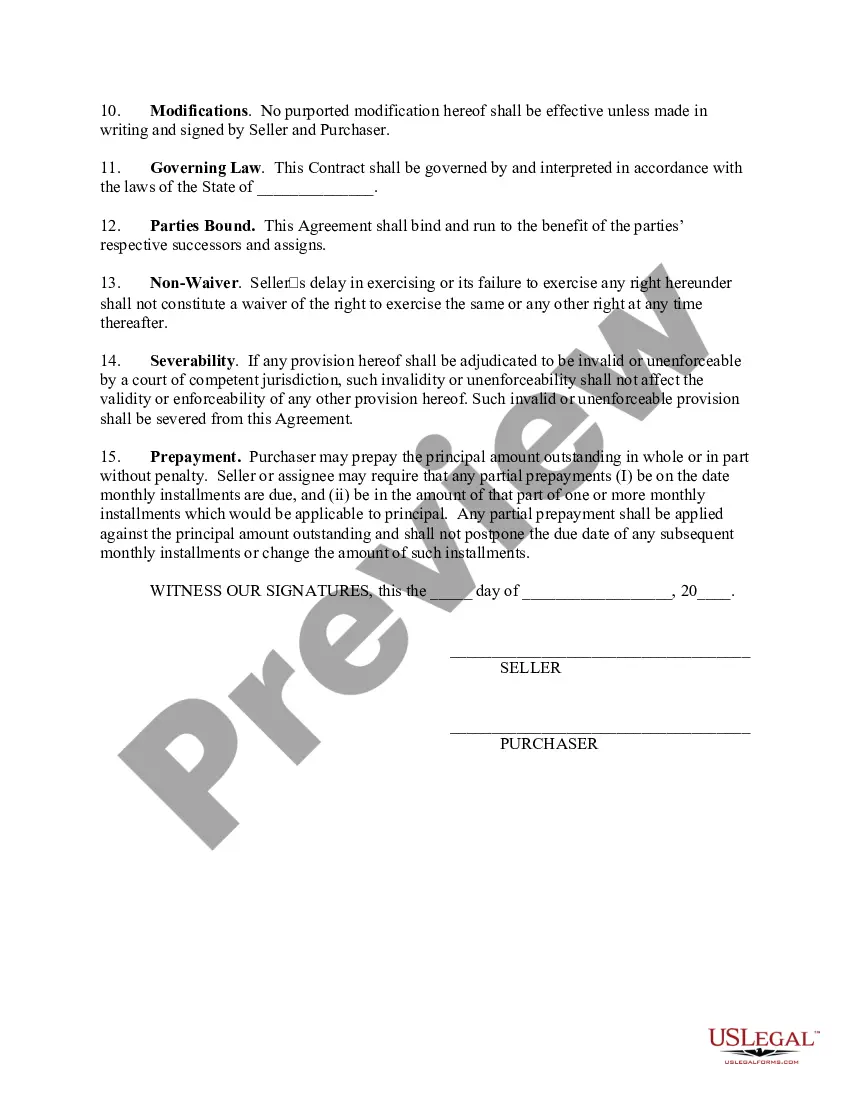
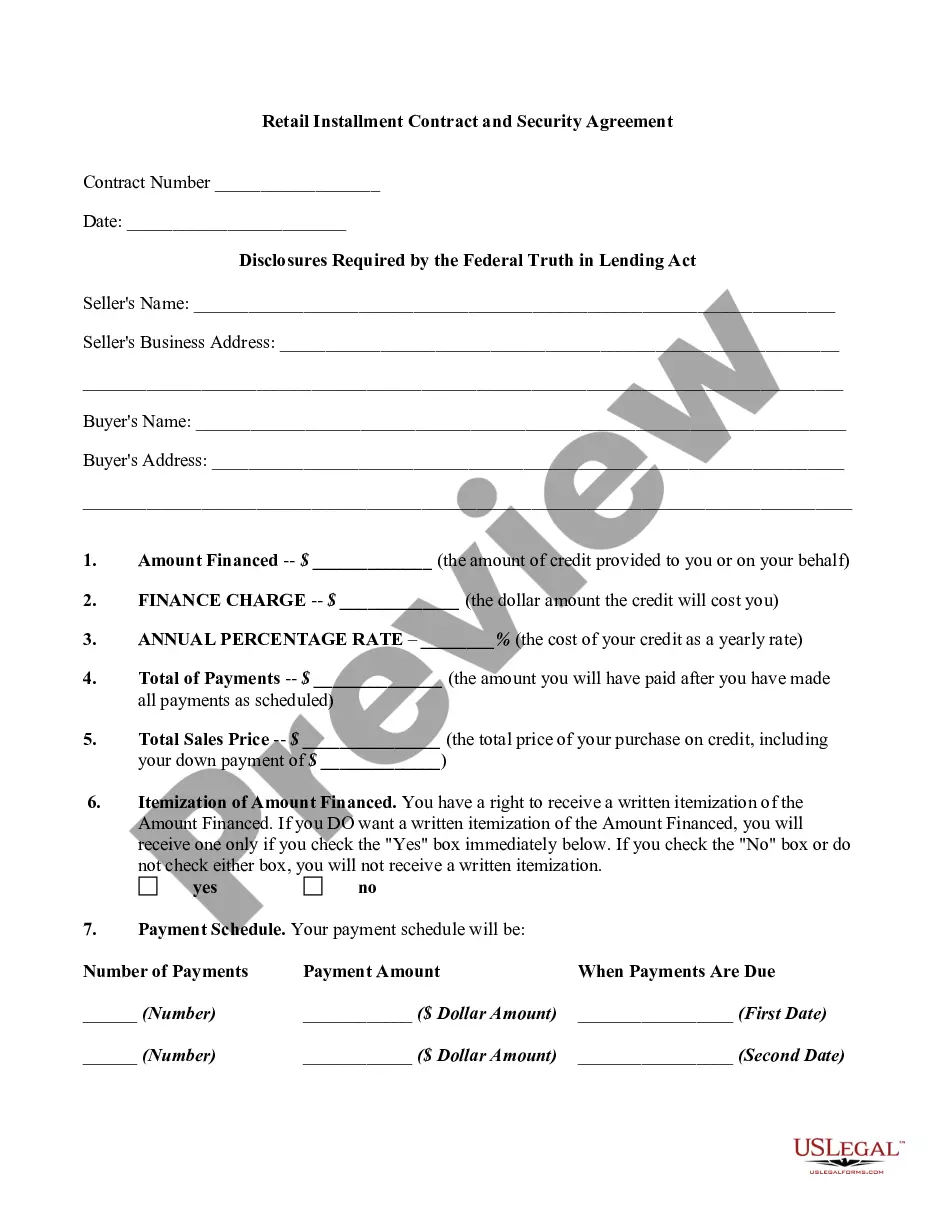
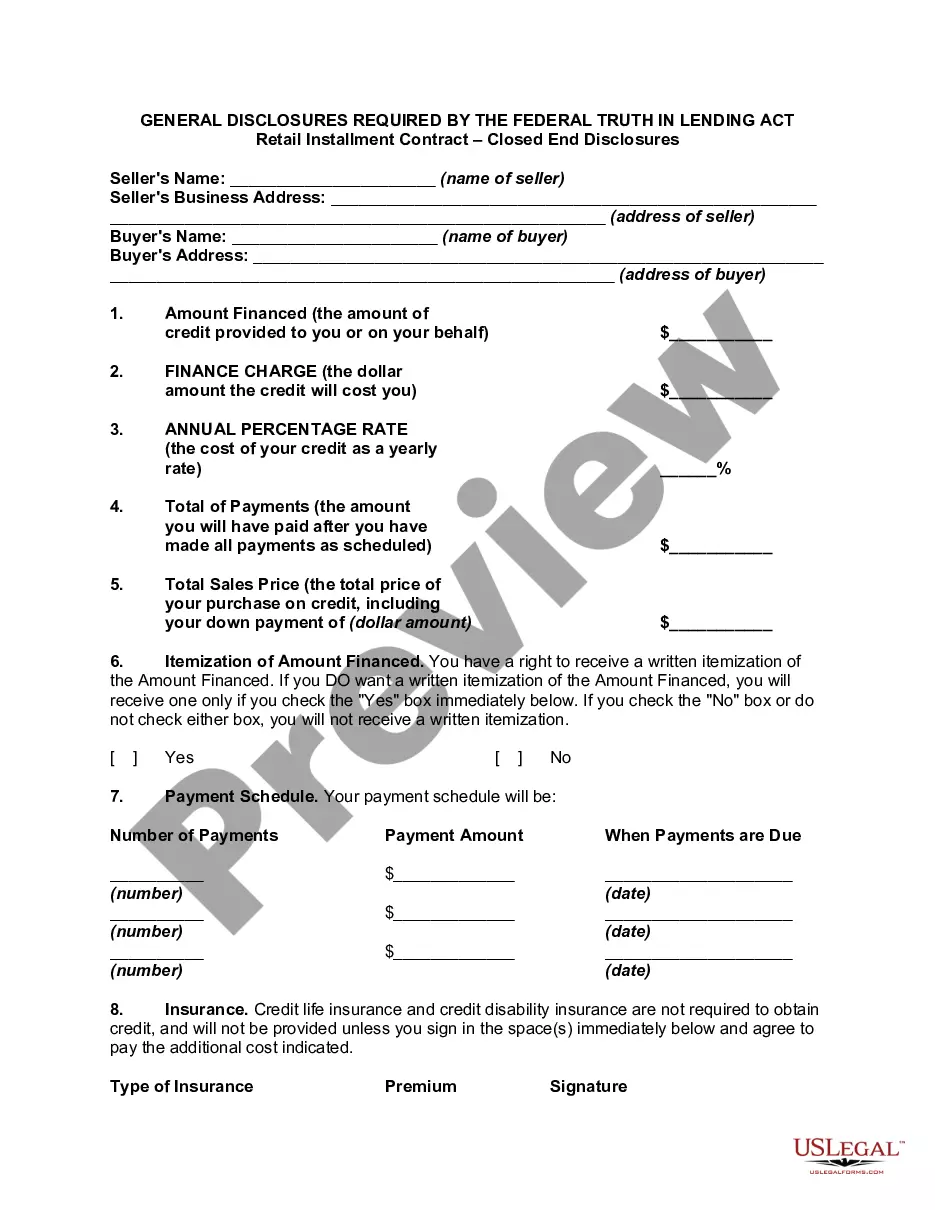
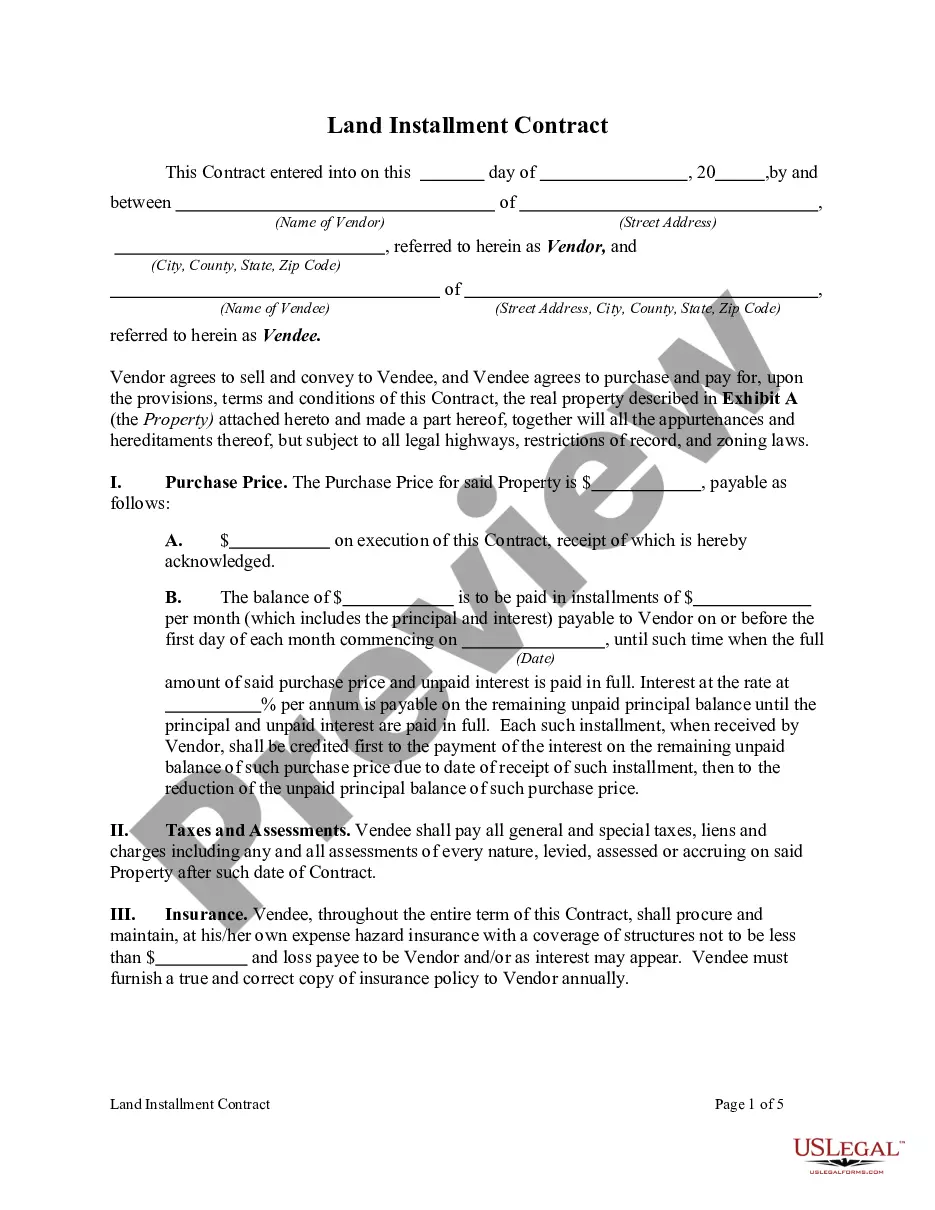
Get your form ready online
Our built-in tools help you complete, sign, share, and store your documents in one place.
Make edits, fill in missing information, and update formatting in US Legal Forms—just like you would in MS Word.
Download a copy, print it, send it by email, or mail it via USPS—whatever works best for your next step.
Sign and collect signatures with our SignNow integration. Send to multiple recipients, set reminders, and more. Go Premium to unlock E-Sign.
If this form requires notarization, complete it online through a secure video call—no need to meet a notary in person or wait for an appointment.
We protect your documents and personal data by following strict security and privacy standards.

Make edits, fill in missing information, and update formatting in US Legal Forms—just like you would in MS Word.

Download a copy, print it, send it by email, or mail it via USPS—whatever works best for your next step.

Sign and collect signatures with our SignNow integration. Send to multiple recipients, set reminders, and more. Go Premium to unlock E-Sign.

If this form requires notarization, complete it online through a secure video call—no need to meet a notary in person or wait for an appointment.

We protect your documents and personal data by following strict security and privacy standards.
Looking for another form?






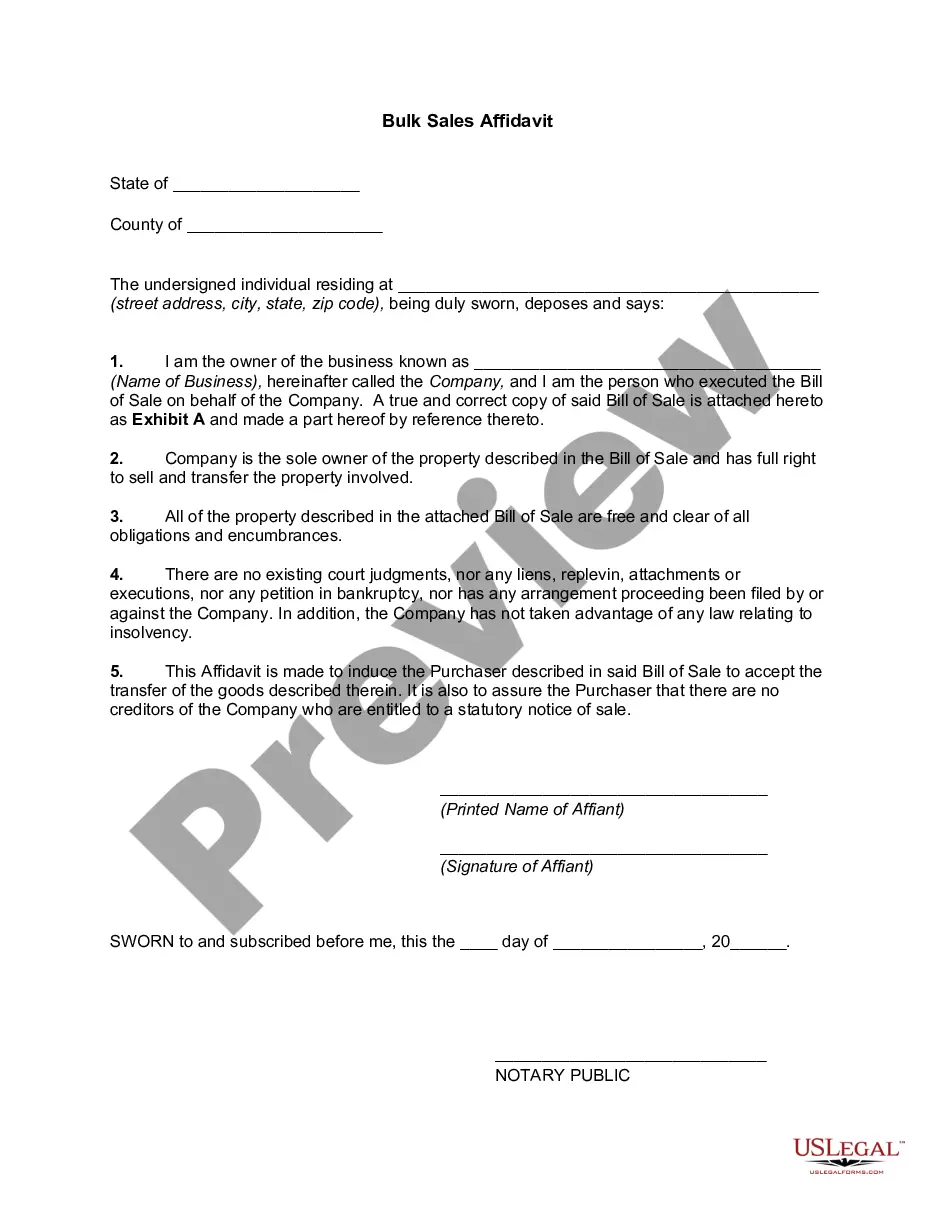
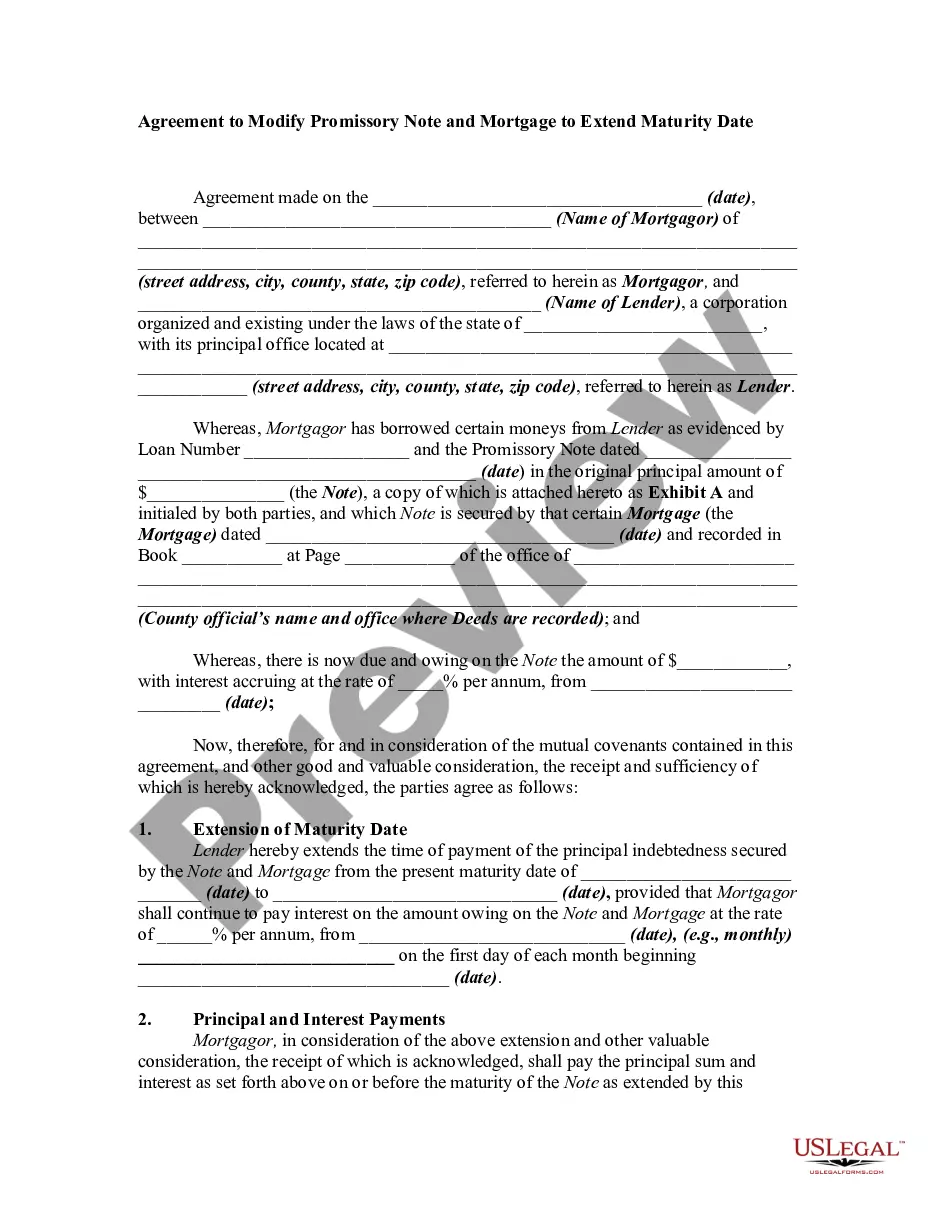


Form popularity
FAQ
A bill of sale isn't the same as a sales contract. A sales contract is drawn up and signed before a transaction. It lays out the terms of the transaction before buyer and seller come to a final agreement.
Getting a Copy of the Contract Under TILA, the dealer is required to give the customer a copy of the contract to keep at the time the customer signs the retail installment sale contract whether you want to incur the debt on these terms.
Yes, a bill of sale is generally considered legally binding whether it's notarized or not. While notarization adds authenticity and may be required in some jurisdictions, its absence does not invalidate the bill of sale's validity.
Whereas a sales contract is used prior to the exchange of goods, a bill of sale is used during or after the exchange of goods to transfer ownership of the goods from the seller to the buyer.
Dispute Prevention: A notarized bill of sale strengthens your case in case of ownership disagreements, as it provides a documented and impartial record of the transaction.
