Payment Plan Contract For Horse In Houston
Description

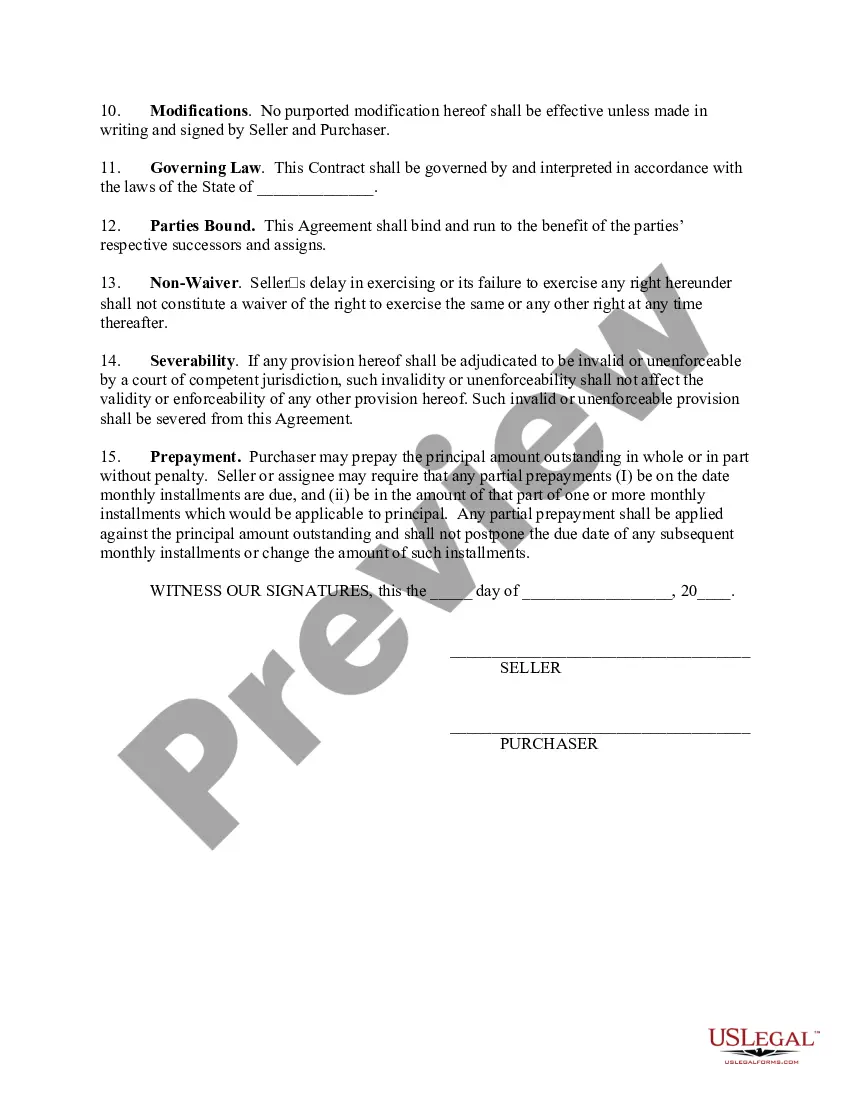
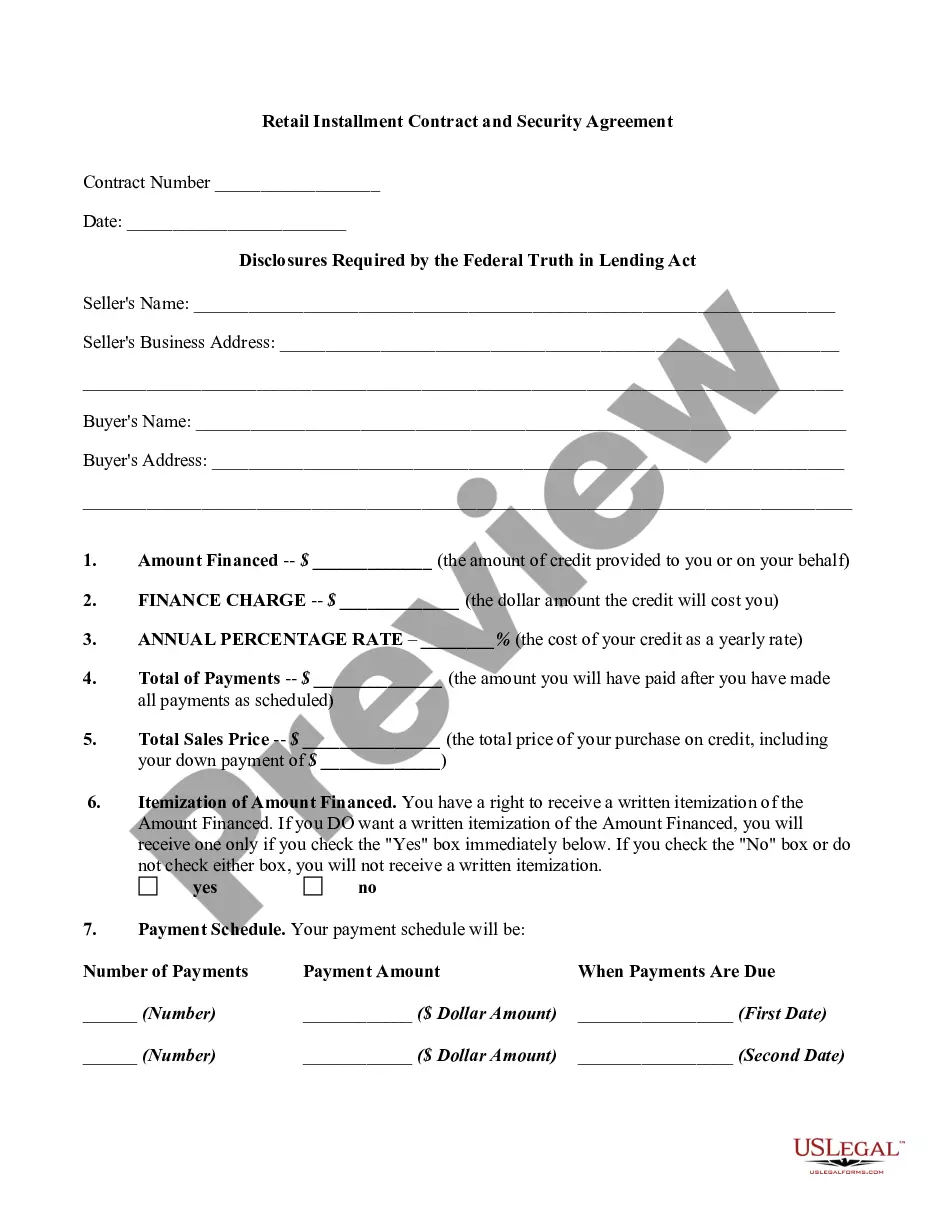
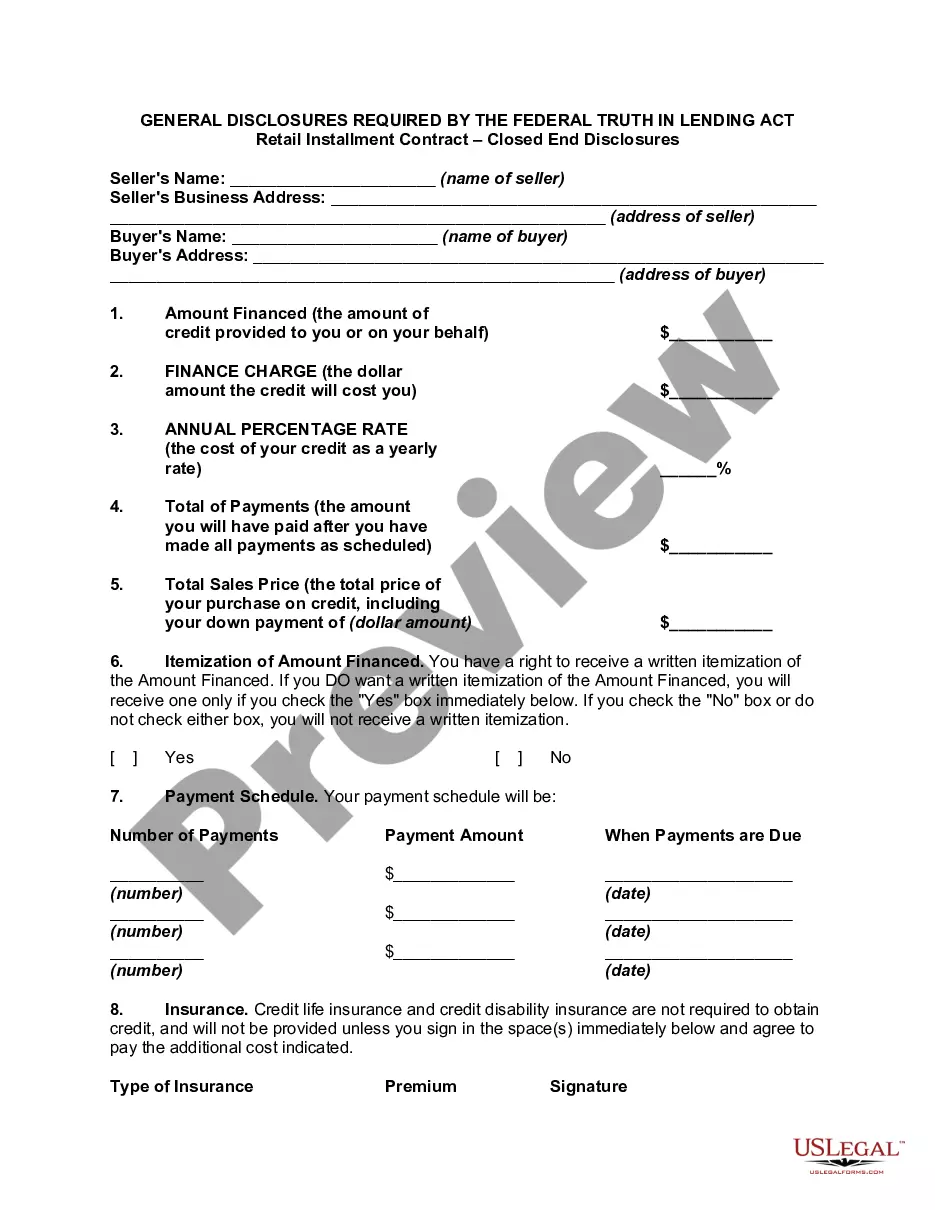
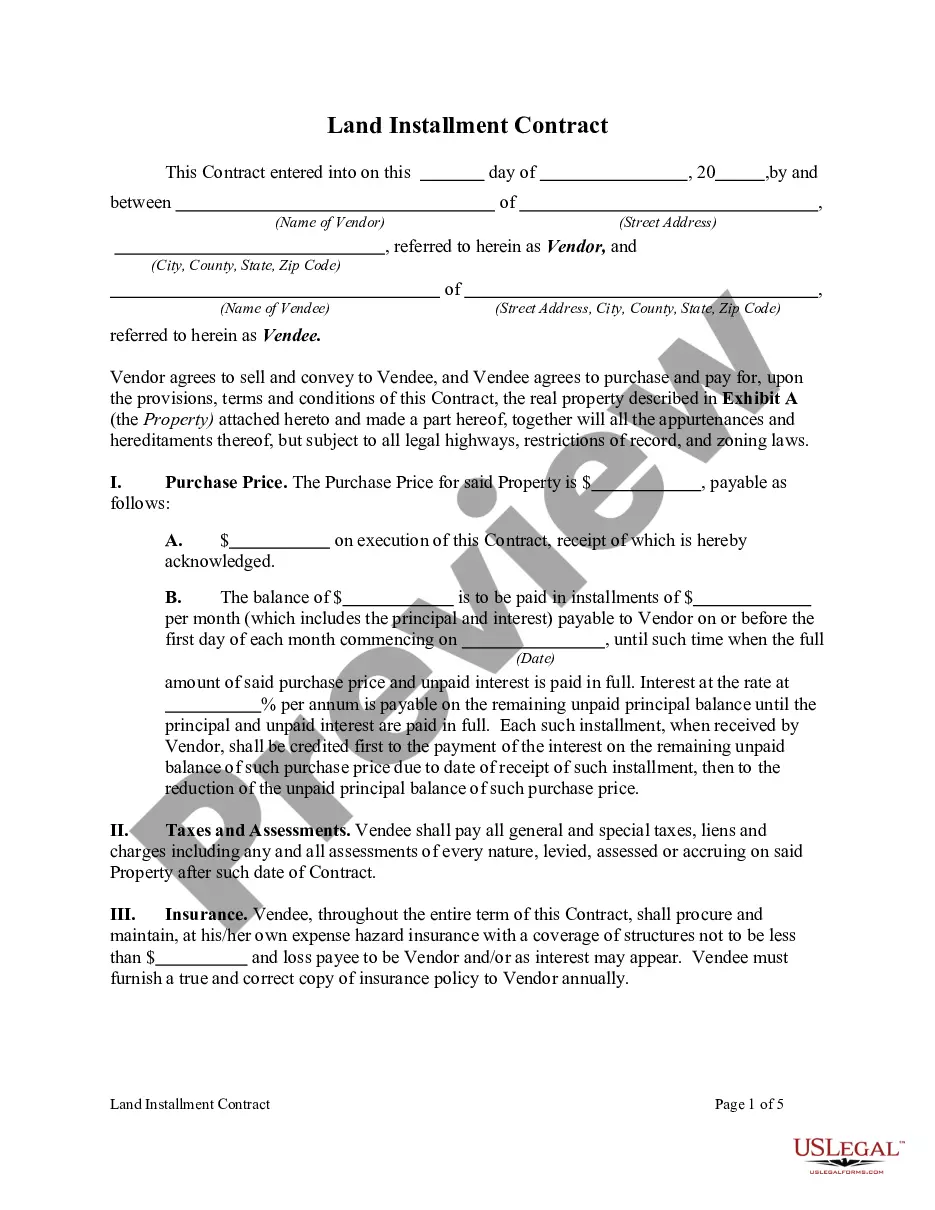
Get your form ready online
Our built-in tools help you complete, sign, share, and store your documents in one place.
Make edits, fill in missing information, and update formatting in US Legal Forms—just like you would in MS Word.
Download a copy, print it, send it by email, or mail it via USPS—whatever works best for your next step.
Sign and collect signatures with our SignNow integration. Send to multiple recipients, set reminders, and more. Go Premium to unlock E-Sign.
If this form requires notarization, complete it online through a secure video call—no need to meet a notary in person or wait for an appointment.
We protect your documents and personal data by following strict security and privacy standards.

Make edits, fill in missing information, and update formatting in US Legal Forms—just like you would in MS Word.

Download a copy, print it, send it by email, or mail it via USPS—whatever works best for your next step.

Sign and collect signatures with our SignNow integration. Send to multiple recipients, set reminders, and more. Go Premium to unlock E-Sign.

If this form requires notarization, complete it online through a secure video call—no need to meet a notary in person or wait for an appointment.

We protect your documents and personal data by following strict security and privacy standards.
Looking for another form?



Form popularity
FAQ
Lameness or Gait Issues : Observe the horse in motion. Poor Coat Condition : A dull, rough, or patchy coat may suggest poor nutrition, health issues, or neglect. Weight Problems : Both obesity and being underweight can signal health issues or poor management practices. Respiratory Issues
How to complete a change of ownership. To complete a change of ownership, you must submit the passport to the office along with the completed change of ownership form. Download the form here or contact the Passport Office on 02476 840517 or passport@bhs.uk to request a hard copy.
Equine lease agreements are legal contracts. These contracts outline the terms and conditions of leasing a horse. Specifically, equine lease agreements state the rules and regulations that apply to the rental of a horse. Typically, both parties, the lessor and lessee, must sign the contract.
A horse bill of sale may detail the horse's name, the size of the horse, its gender, its lineage, markings, colors, and other physical features. This type of bill of sale may also include information about breeding the horse or any warranties if the horse is expected to produce young.
Equine-related contracts sometimes include a “right of first refusal” clause that restricts how a horse can be re-sold. Through these clauses, a horse buyer agrees to give the seller an opportunity to buy back the horse later under certain specified conditions.
The Benefits of Leasing Financial: Leasing a horse is typically more affordable than buying one. Minimal Responsibility: Leasing a horse can mean that you will not have to worry about all of the day-to-day responsibilities of horse ownership, such as feeding, grooming, and turnout.