Example Of A Sales Agreement In Franklin
Description

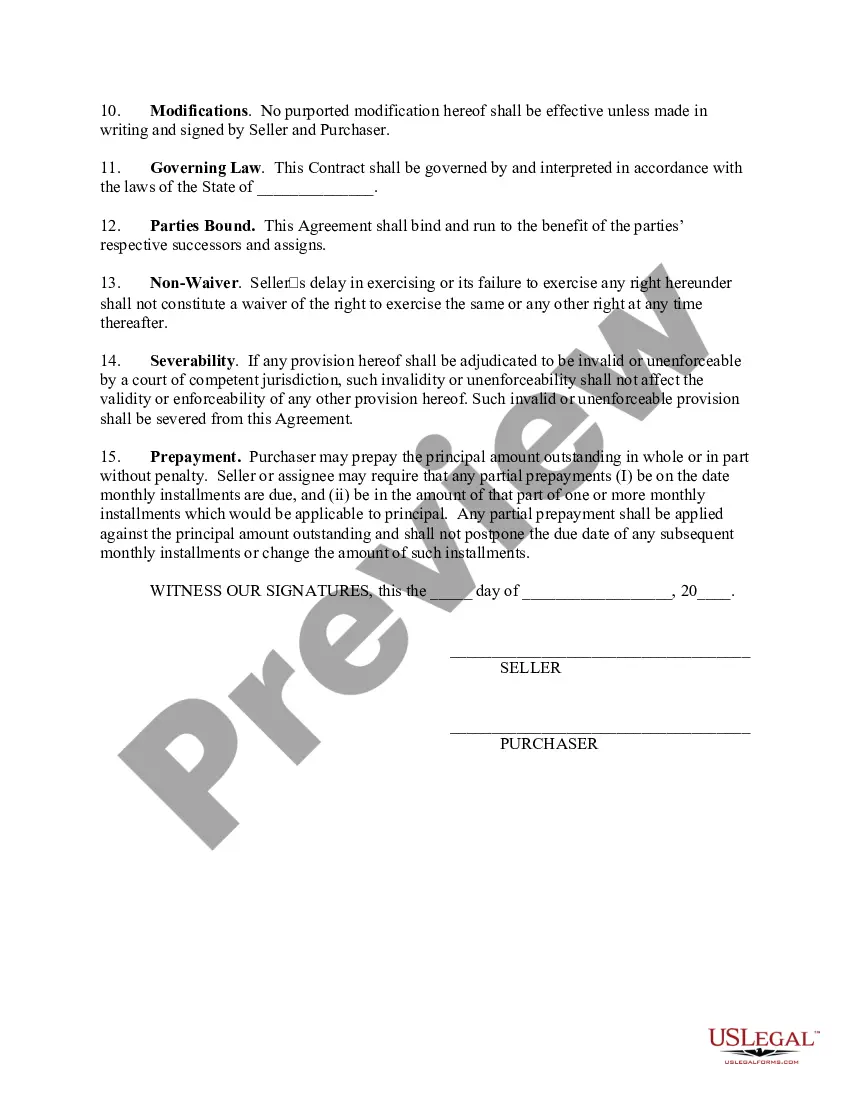
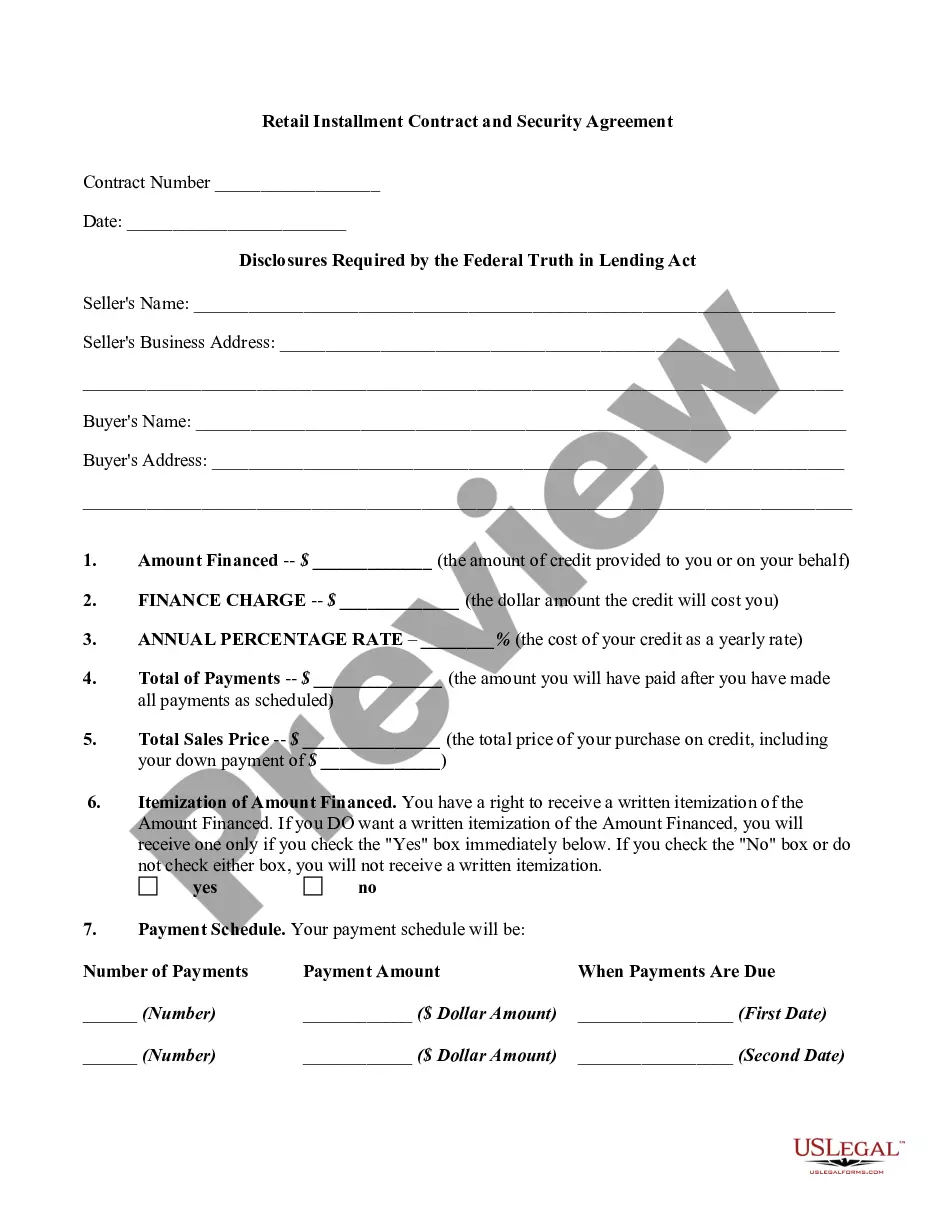
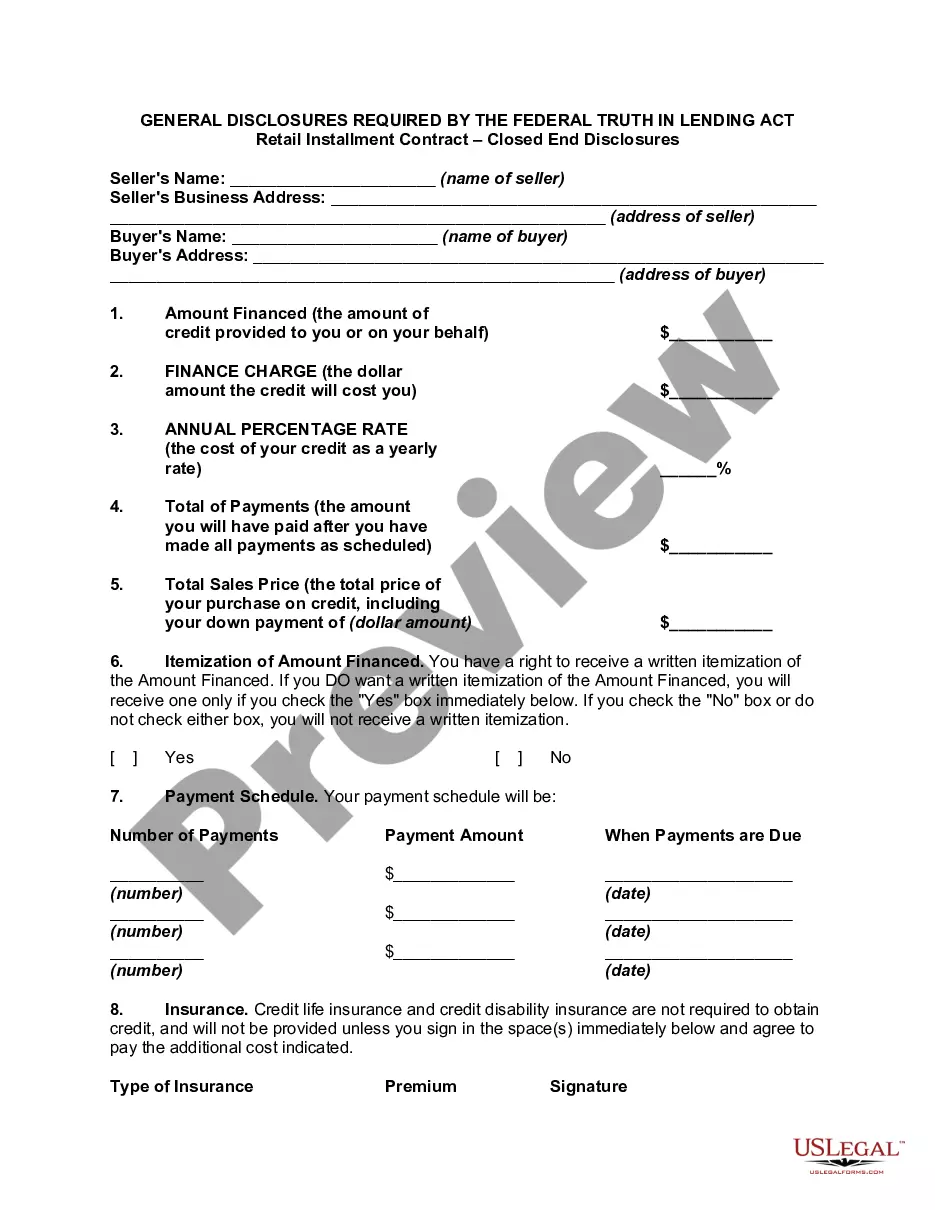
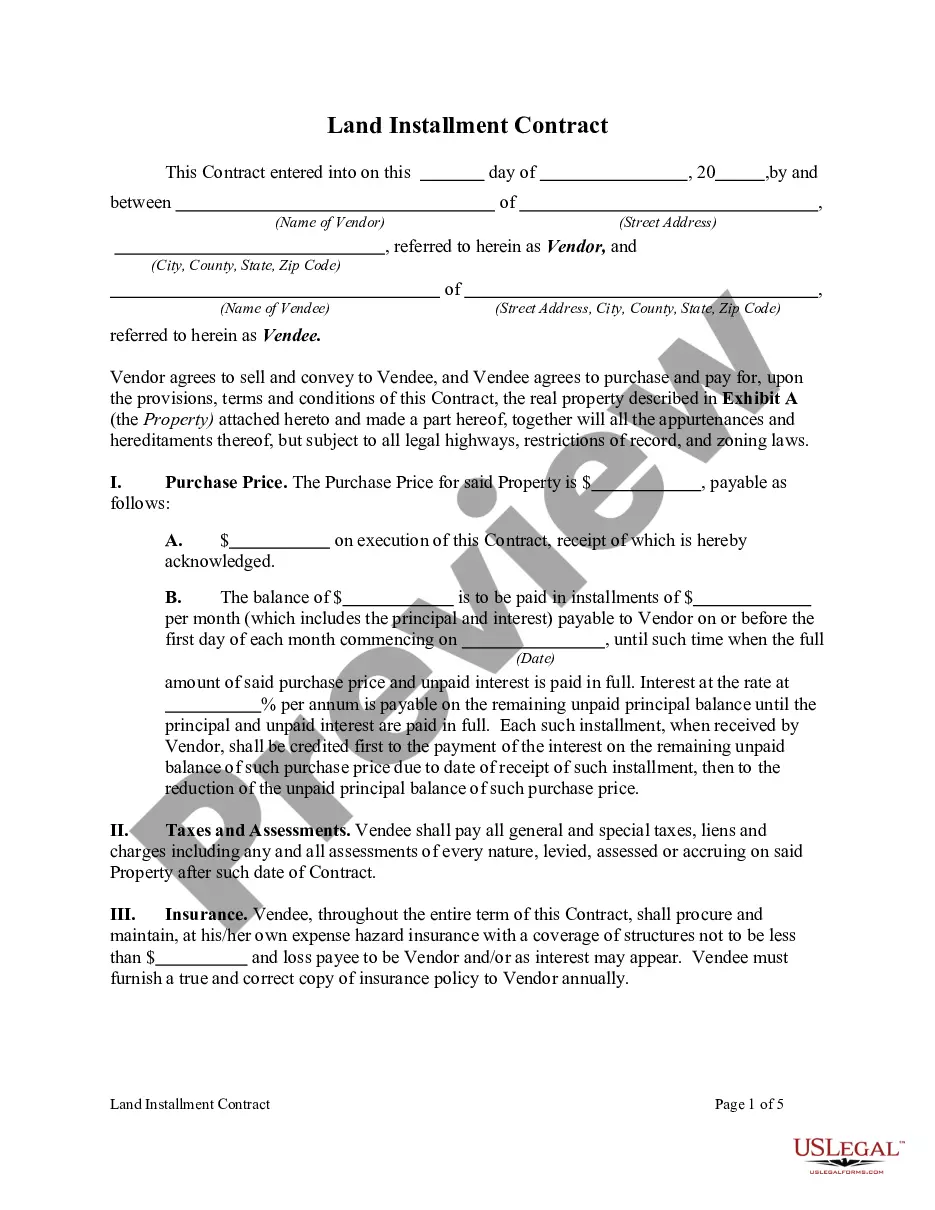
Get your form ready online
Our built-in tools help you complete, sign, share, and store your documents in one place.
Make edits, fill in missing information, and update formatting in US Legal Forms—just like you would in MS Word.
Download a copy, print it, send it by email, or mail it via USPS—whatever works best for your next step.
Sign and collect signatures with our SignNow integration. Send to multiple recipients, set reminders, and more. Go Premium to unlock E-Sign.
If this form requires notarization, complete it online through a secure video call—no need to meet a notary in person or wait for an appointment.
We protect your documents and personal data by following strict security and privacy standards.

Make edits, fill in missing information, and update formatting in US Legal Forms—just like you would in MS Word.

Download a copy, print it, send it by email, or mail it via USPS—whatever works best for your next step.

Sign and collect signatures with our SignNow integration. Send to multiple recipients, set reminders, and more. Go Premium to unlock E-Sign.

If this form requires notarization, complete it online through a secure video call—no need to meet a notary in person or wait for an appointment.

We protect your documents and personal data by following strict security and privacy standards.
Looking for another form?



Form popularity
FAQ
Write the contract in six steps Start with a contract template. Open with the basic information. Describe in detail what you have agreed to. Include a description of how the contract will be ended. Write into the contract which laws apply and how disputes will be resolved. Include space for signatures.
So, the names and addresses of the buyer and seller, as well as the date of the agreement. Description of goods or services sold. Clearly describe what the customer is buying, including quantity, brand, model, specifications, and any other relevant details. Descriptions of warranties or guarantees.
Contents Establishing the relationship between the parties. Determining the ownership percentage. Drafting the joint ownership agreement. Identifying the parties involved. Outlining the rights and obligations of each party. Defining the ownership structure. Creating a dispute resolution process.
Just like wills, there is generally no requirement that a contract be notarized in order to be legally binding. However, if a party who signed a business agreement decides to dispute that agreement in court, a notarized contract can help a great deal.
You either draft a written offer yourself or you have a licensed real estate agent (preferably a Realtor) draft one for you and submit it to the seller or their agent for consideration. A verbal offer and acceptance is meaningless in real estate unless it is for a short term rental.
Letters of intent and secrecy agreements are common examples of documents used to start business talks. These are primarily based on trust between two people, and unlike contracts, the courts typically do not enforce them.
A simple contract might include an agreement between two acquaintances to exchange one service for another. For example, if one person is a plumber and the other an electrician, they might agree to complete certain work for each other as a trade exchange.
Let's recall how traditional contracts work using a real-world example: When someone agrees to rent a property, a contract is created between the tenant and the landlord. This contract carefully defines the terms of the rental agreement between the two parties.