Installment Loan Contract With Low Interest In Dallas
Description

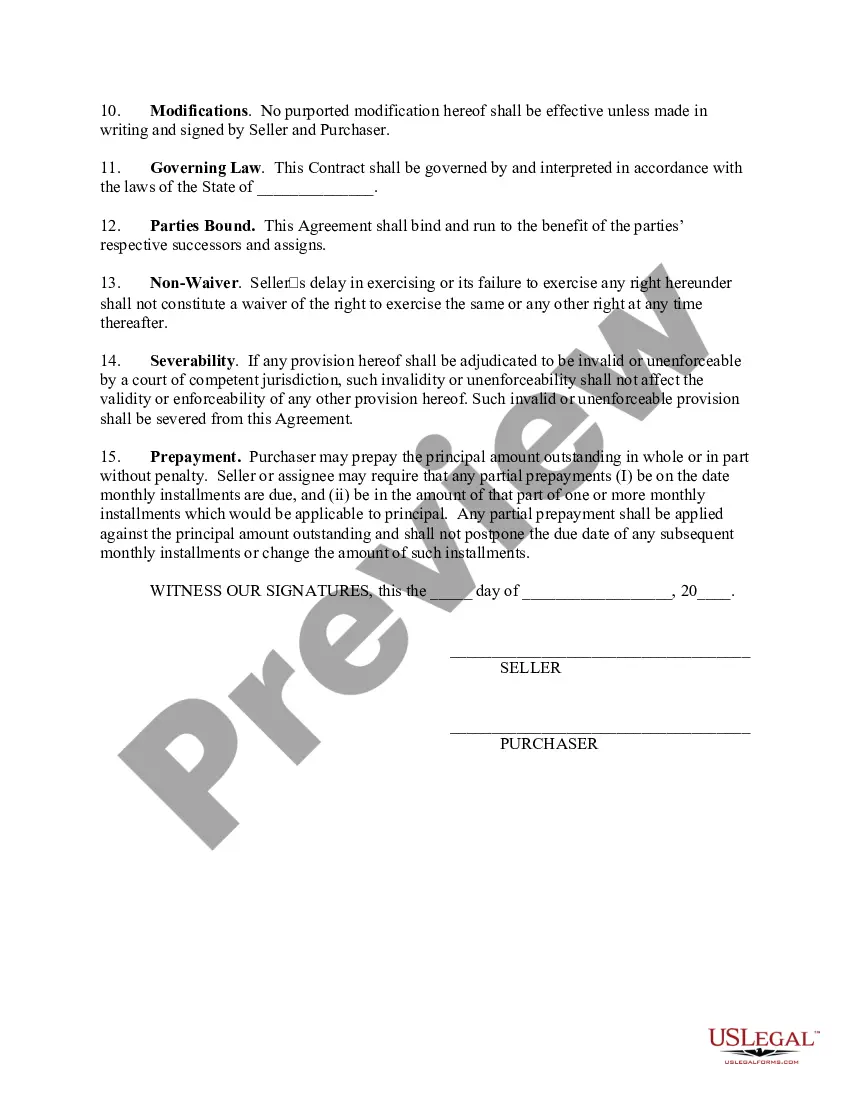
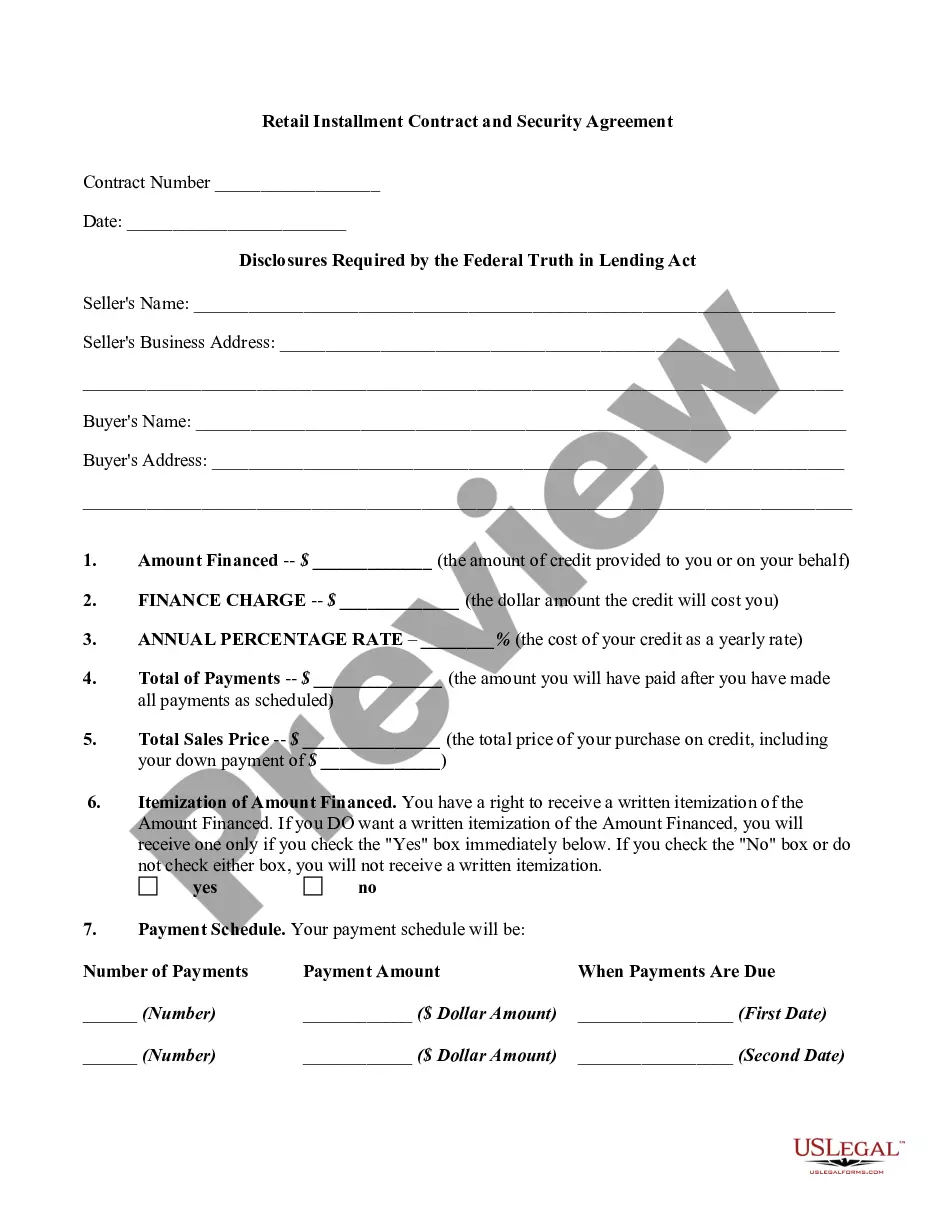
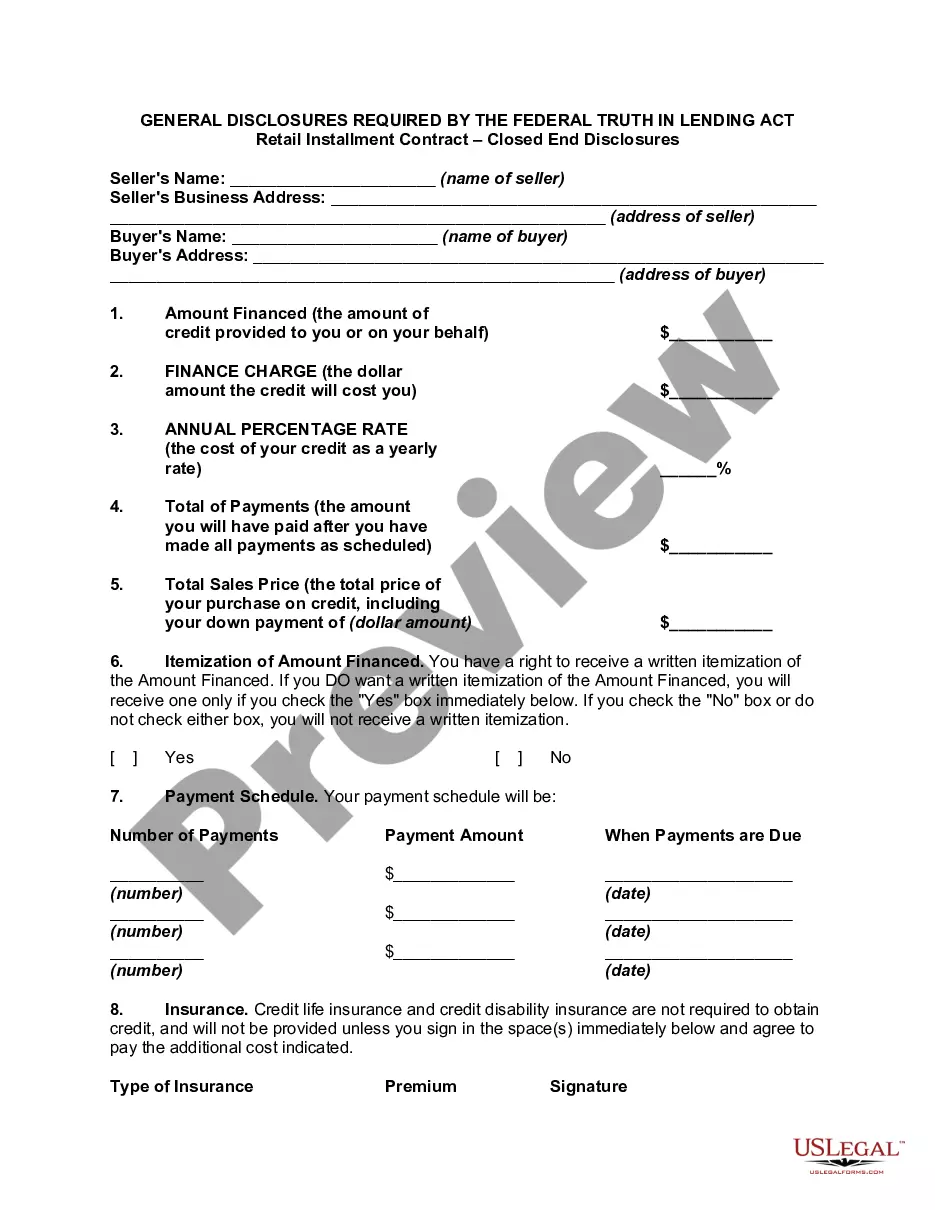
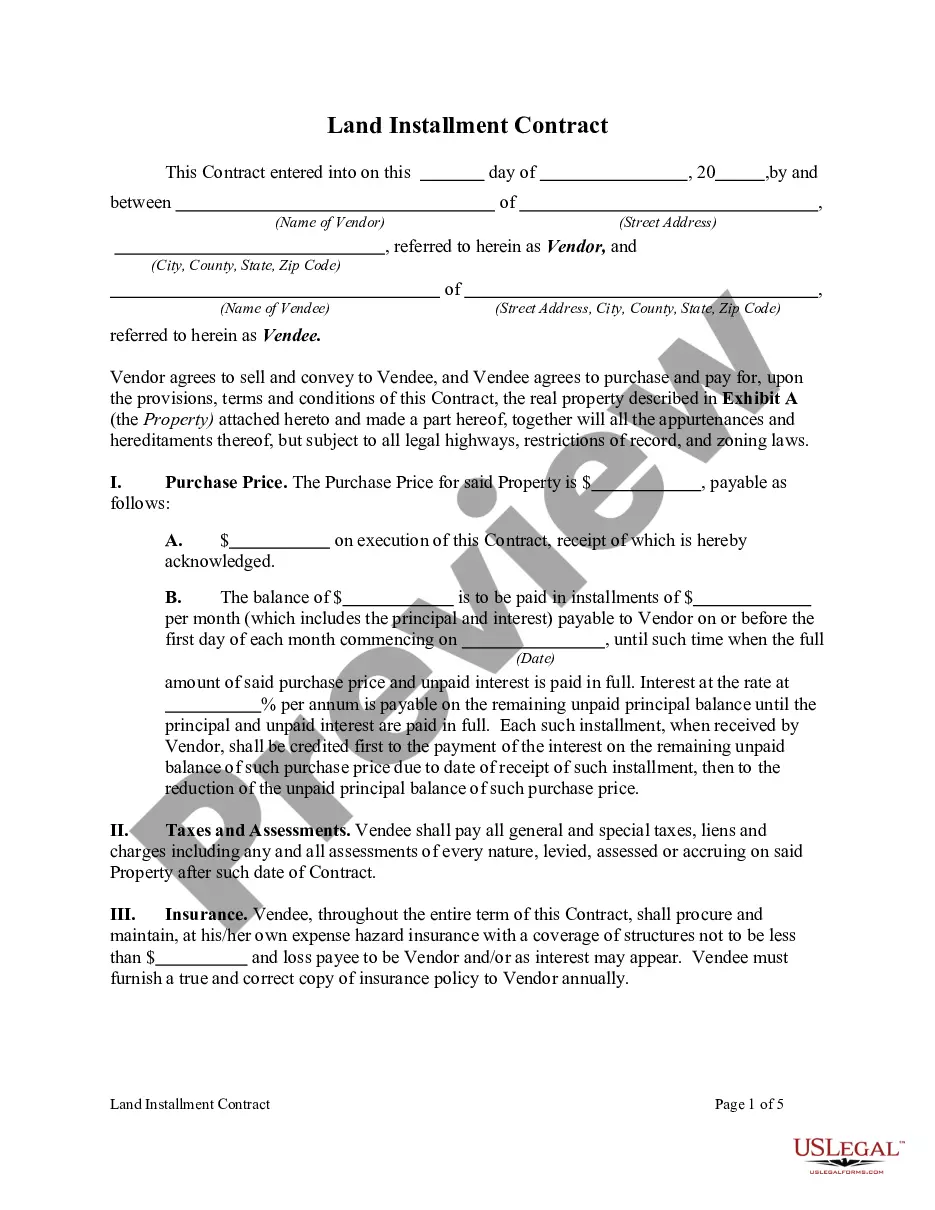
Get your form ready online
Our built-in tools help you complete, sign, share, and store your documents in one place.
Make edits, fill in missing information, and update formatting in US Legal Forms—just like you would in MS Word.
Download a copy, print it, send it by email, or mail it via USPS—whatever works best for your next step.
Sign and collect signatures with our SignNow integration. Send to multiple recipients, set reminders, and more. Go Premium to unlock E-Sign.
If this form requires notarization, complete it online through a secure video call—no need to meet a notary in person or wait for an appointment.
We protect your documents and personal data by following strict security and privacy standards.

Make edits, fill in missing information, and update formatting in US Legal Forms—just like you would in MS Word.

Download a copy, print it, send it by email, or mail it via USPS—whatever works best for your next step.

Sign and collect signatures with our SignNow integration. Send to multiple recipients, set reminders, and more. Go Premium to unlock E-Sign.

If this form requires notarization, complete it online through a secure video call—no need to meet a notary in person or wait for an appointment.

We protect your documents and personal data by following strict security and privacy standards.
Looking for another form?








Form popularity
FAQ
To request an installment agreement, the taxpayer must complete Form 9465. Form 9465 can be included electronically with an e-filed return or paper-filed.
While the IRS typically doesn't allow taxpayers to have two separate installment agreements, adding a new tax debt to an existing installment plan is possible. However, taxpayers must act swiftly before the IRS assesses the new tax balance and potential default occurs, triggering enforcement actions.
Generally, you must make estimated tax payments for the current tax year if both of the following apply: You expect to owe at least $1,000 in tax for the current tax year after subtracting your withholding and refundable credits.
Your minimum monthly payment for an IRS installment plan is generally what you owe divided by 72, if you don't specify a different amount. You can start an IRS installment plan by applying online, over the phone, or by mailing Form 9465 to the IRS.
Your minimum monthly payment for an IRS installment plan is generally what you owe divided by 72, if you don't specify a different amount.
The IRS considers extravagant expenses as those that include charitable contributions, private school funding and hefty credit card payments. In addition, if you fail to provide accurate information on Form 433-A, Collection Information Statement, you can expect your agreement to be rejected.
You defaulted on your installment agreement for one or more of these reasons: One or more payments were missed. You incurred a new unpaid balance. You didn't file a tax return by the due date.
