Installment Loan Contract With Interest In Bronx
Description



Form popularity
FAQ
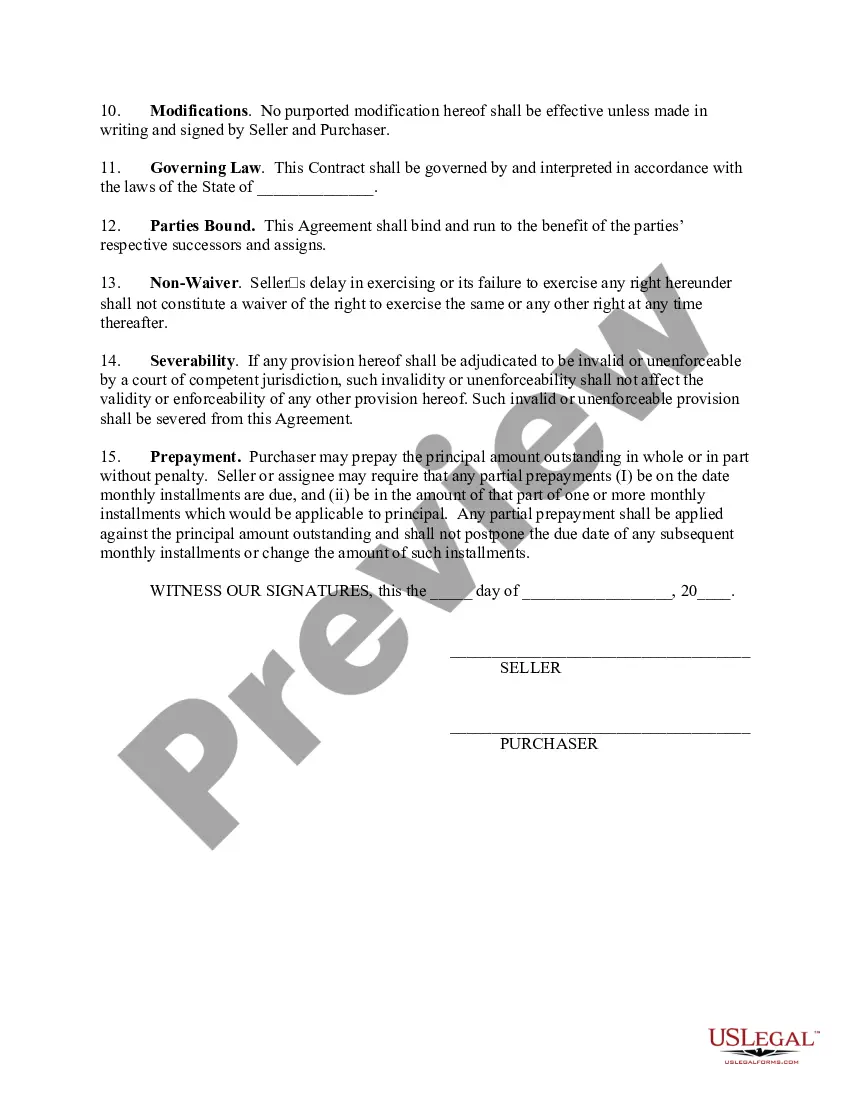
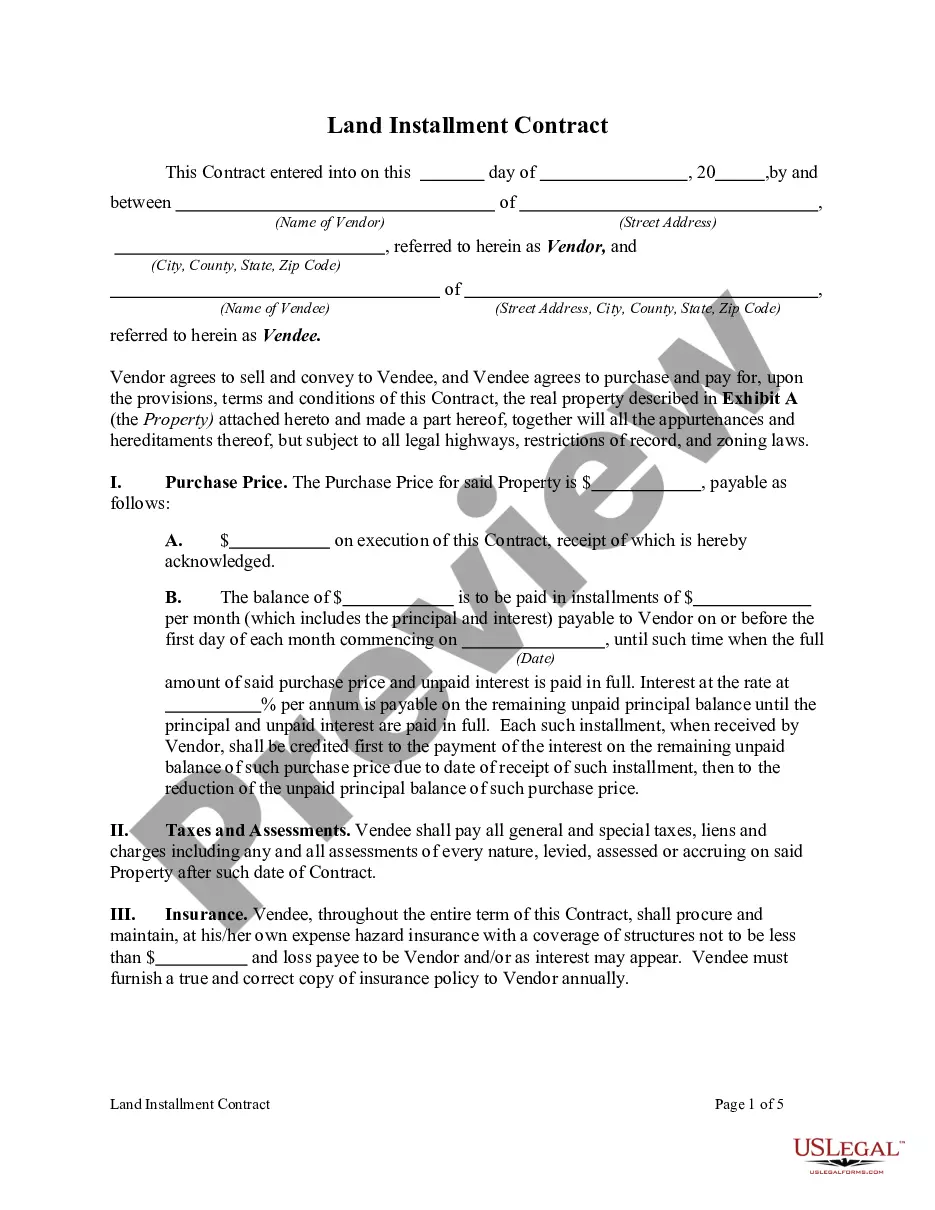
An installment contract offers a buyer less protection than a traditional mortgage. This is true mainly because of forfeiture provisions, which give the buyer no right of redemption and allow a buyer to lose all interest in the property for even the slightest breach.
An installment contract is a single contract that is completed by a series of performances –such as payments, performances of a service, or delivery of goods–rather than being performed all at one time. Installment contracts can provide that installments are to be performed by either one or both parties .
While the IRS typically doesn't allow taxpayers to have two separate installment agreements, adding a new tax debt to an existing installment plan is possible. However, taxpayers must act swiftly before the IRS assesses the new tax balance and potential default occurs, triggering enforcement actions.
Setting up the payment plan Calculate the total amount due and the payment schedule. Determine the payment amounts, due dates and payment method. Write the agreement, detailing the payment plan. Include the date of the agreement and the parties involved. Get both parties to sign the agreement.
Typically, the IRS does not allow taxpayers to have two separate installment agreements simultaneously.
Log in to your Online Services account (You'll need to create an account if you don't already have one). Select the ≡ Services menu in the upper left-hand corner of your Account Summary homepage. Select Payments, bills and notices, and then Installment payment agreement from the drop-down menu.
An instalment sale agreement between you and a credit provider allows you to buy a vehicle or asset using the principal debt, which you repay by means of regular instalments over an agreed period, with fees and interest.
An installment contract is a single contract that is completed by a series of performances –such as payments, performances of a service, or delivery of goods–rather than being performed all at one time. Installment contracts can provide that installments are to be performed by either one or both parties .
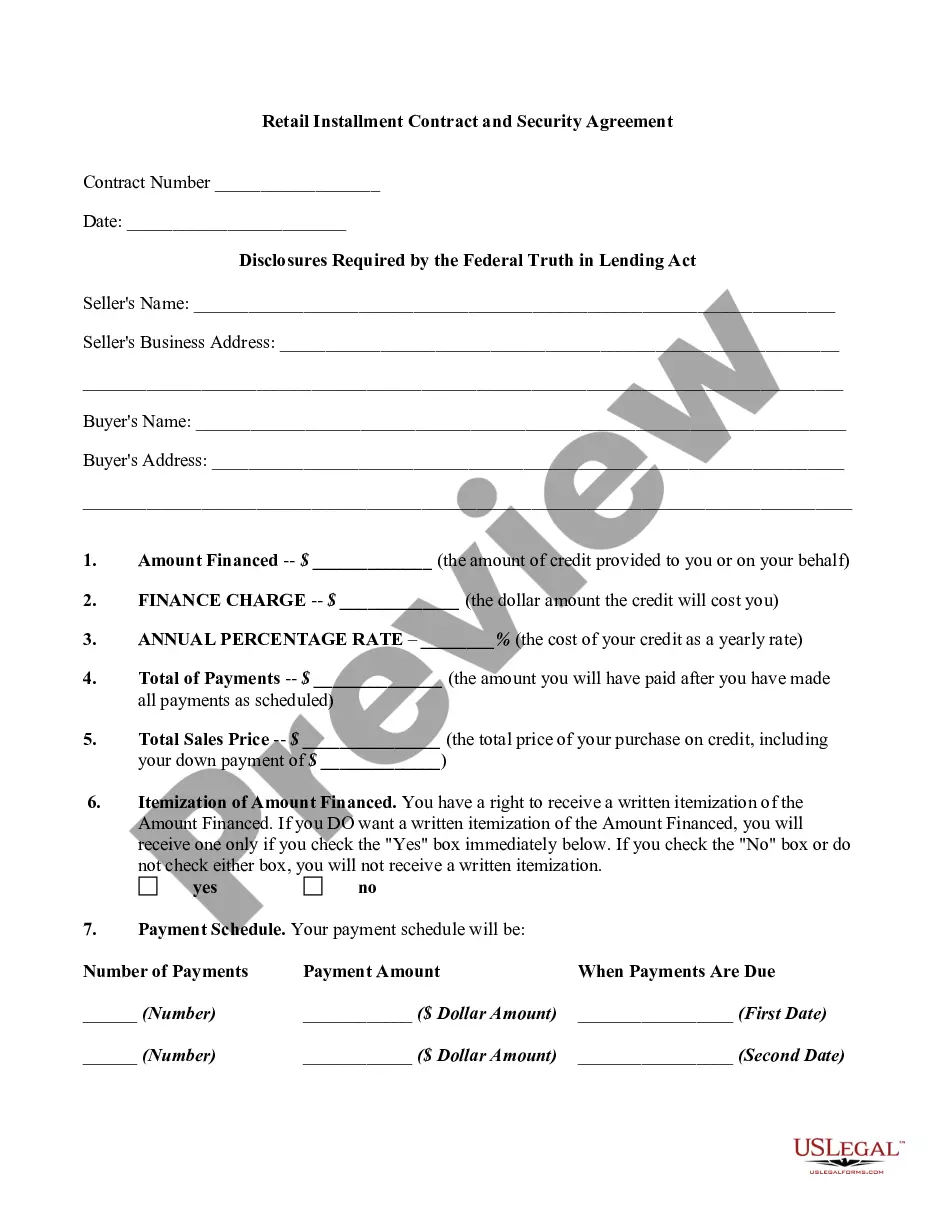
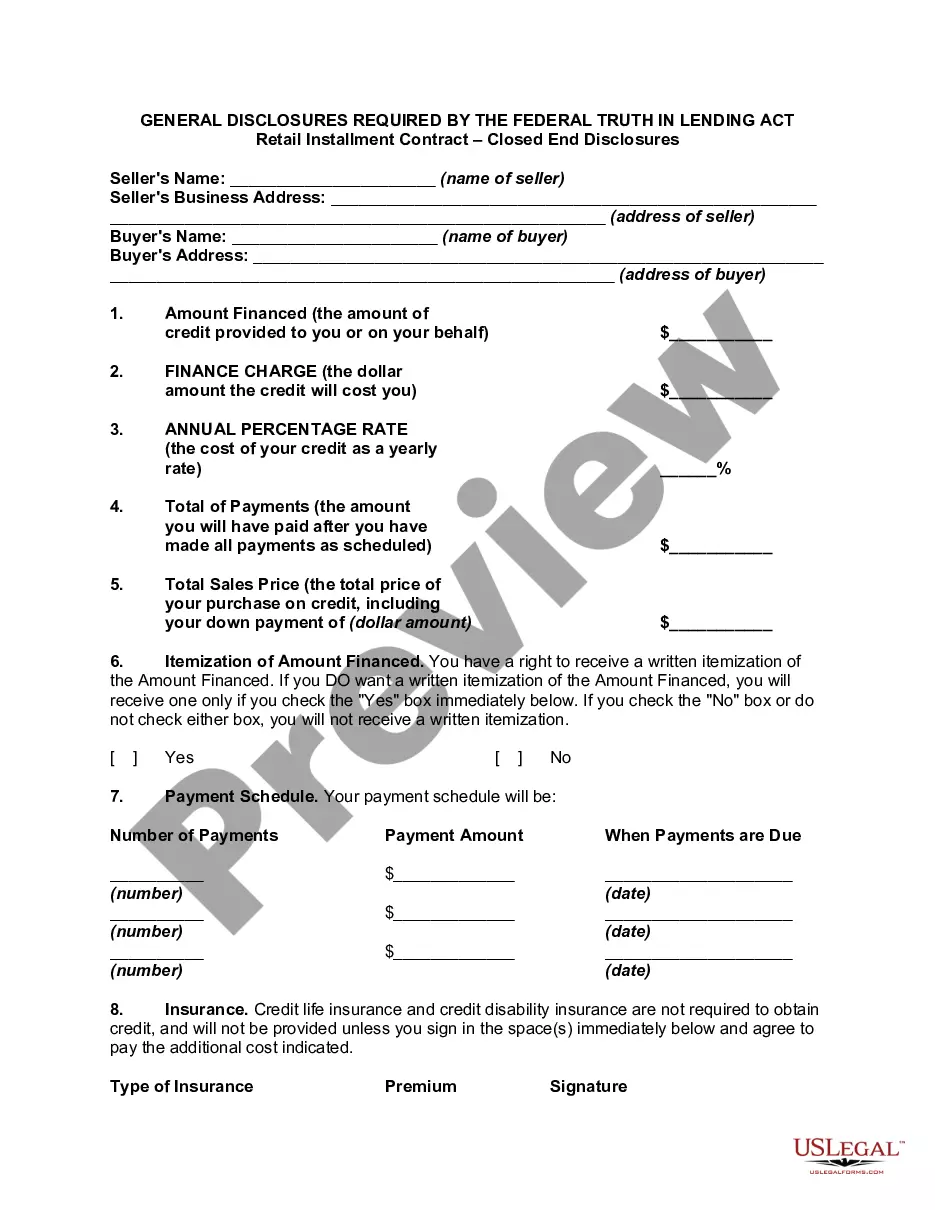
The amount financed includes the principal amount you are borrowing plus finance fees and other extras which the lender is charging but which you are not paying up front. The amount financed is also the total amount on which the lender is charging interest.