Employment Law In Malaysia In Orange
Description

Get your form ready online
Our built-in tools help you complete, sign, share, and store your documents in one place.
Make edits, fill in missing information, and update formatting in US Legal Forms—just like you would in MS Word.
Download a copy, print it, send it by email, or mail it via USPS—whatever works best for your next step.
Sign and collect signatures with our SignNow integration. Send to multiple recipients, set reminders, and more. Go Premium to unlock E-Sign.
If this form requires notarization, complete it online through a secure video call—no need to meet a notary in person or wait for an appointment.
We protect your documents and personal data by following strict security and privacy standards.
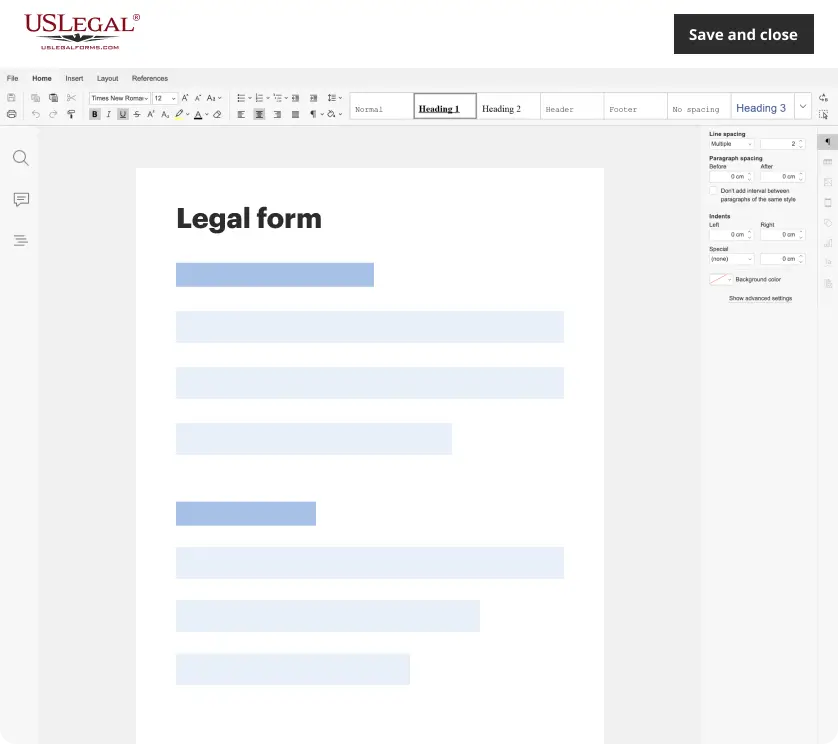
Make edits, fill in missing information, and update formatting in US Legal Forms—just like you would in MS Word.
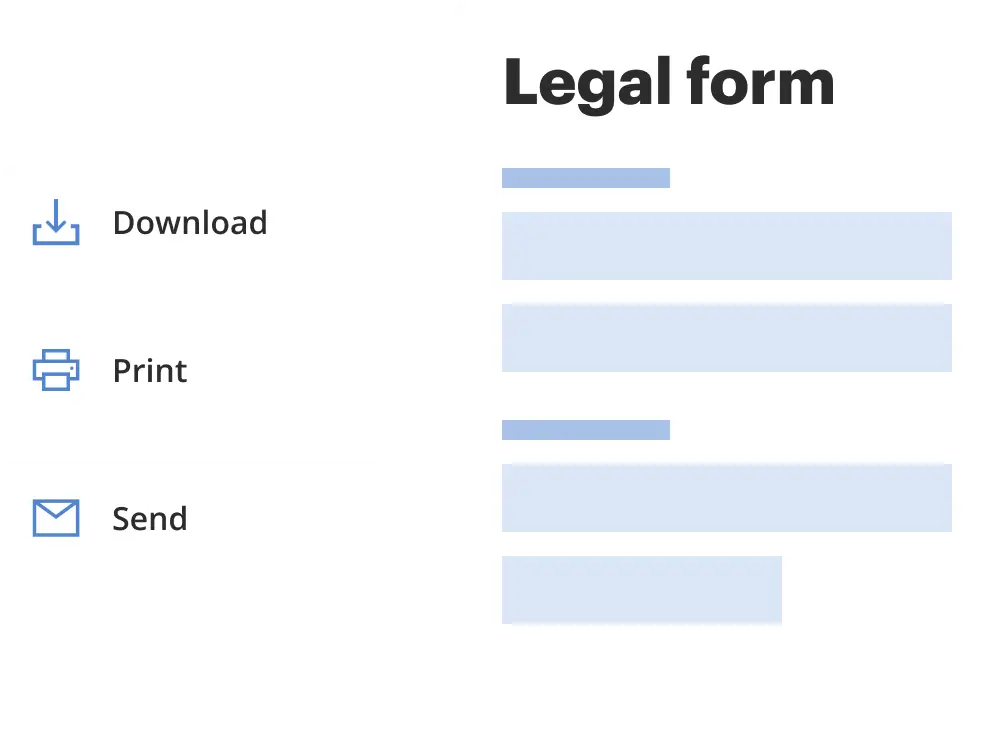
Download a copy, print it, send it by email, or mail it via USPS—whatever works best for your next step.
Sign and collect signatures with our SignNow integration. Send to multiple recipients, set reminders, and more. Go Premium to unlock E-Sign.
If this form requires notarization, complete it online through a secure video call—no need to meet a notary in person or wait for an appointment.
We protect your documents and personal data by following strict security and privacy standards.
Looking for another form?
Form popularity
FAQ
Paying taxes and contributions As an employer, it's your responsibility to deduct and manage these contributions for the well-being of your workforce. These deductions typically include monthly income tax, and contributions like Social Security Organisation (SOCSO), Employee Insurance System (EIS), and EPF.
As per the Act, an employee's normal working time should not exceed more than 45 hours per week. It also sets the daily work hour limit to 12 hours on any given day, including overtime hours. All work hours should be accurately recorded to ensure accurate compensation.
Since 1 October 2024, the salary ceiling for both EIS and SOCSO contributions has increased from RM5,000 to RM6,000 for both local and foreign employees, and contribution values will increase ingly. The good news is that you have until 31 March 2025 to comply with these changes without penalty.
(1) (a) No person not being a citizen referred to in the Schedule shall be employed in any business in Malaysia or accept employment in any business in Malaysia unless there has been issued in respect of such person a valid employment permit.
The standard working hours in Malaysia were previously 8 hours per day and 48 hours per week. However, with the Employment (Amendment) Act 2022, the weekly limit for regular working hours has been reduced to 45 hours. Various rules apply to working hours, rest breaks, and overtime, depending on specific circumstances.
For detailed information and further assistance, you may email jtksm@mohr.my or contact their office at 03-8000 8000/8886 5192.
Application of the Employment Laws to Foreigners in Malaysia Similar to any employees in Malaysia, foreign employees receive all the protections in the Employment Act 1955.
For detailed information and further assistance, you may email jtksm@mohr.my or contact their office at 03-8000 8000/8886 5192.
Employment Act 1955 and Industrial Relations Act 1967 The Employment Act primarily addresses the minimum terms and conditions of employment for a certain category of worker. It includes provisions for working hours, overtime, leave entitlements, public holidays, termination, and maternity benefits.
Whenever a dispute of such occurs, parties can file a complaint at their nearest Jabatan Tenaga Kerja also known as Department of Labour where a Labour Officer appointed by the Director General of Labour, will inquire into the complaint.