Examples Of Residential Property In Wake
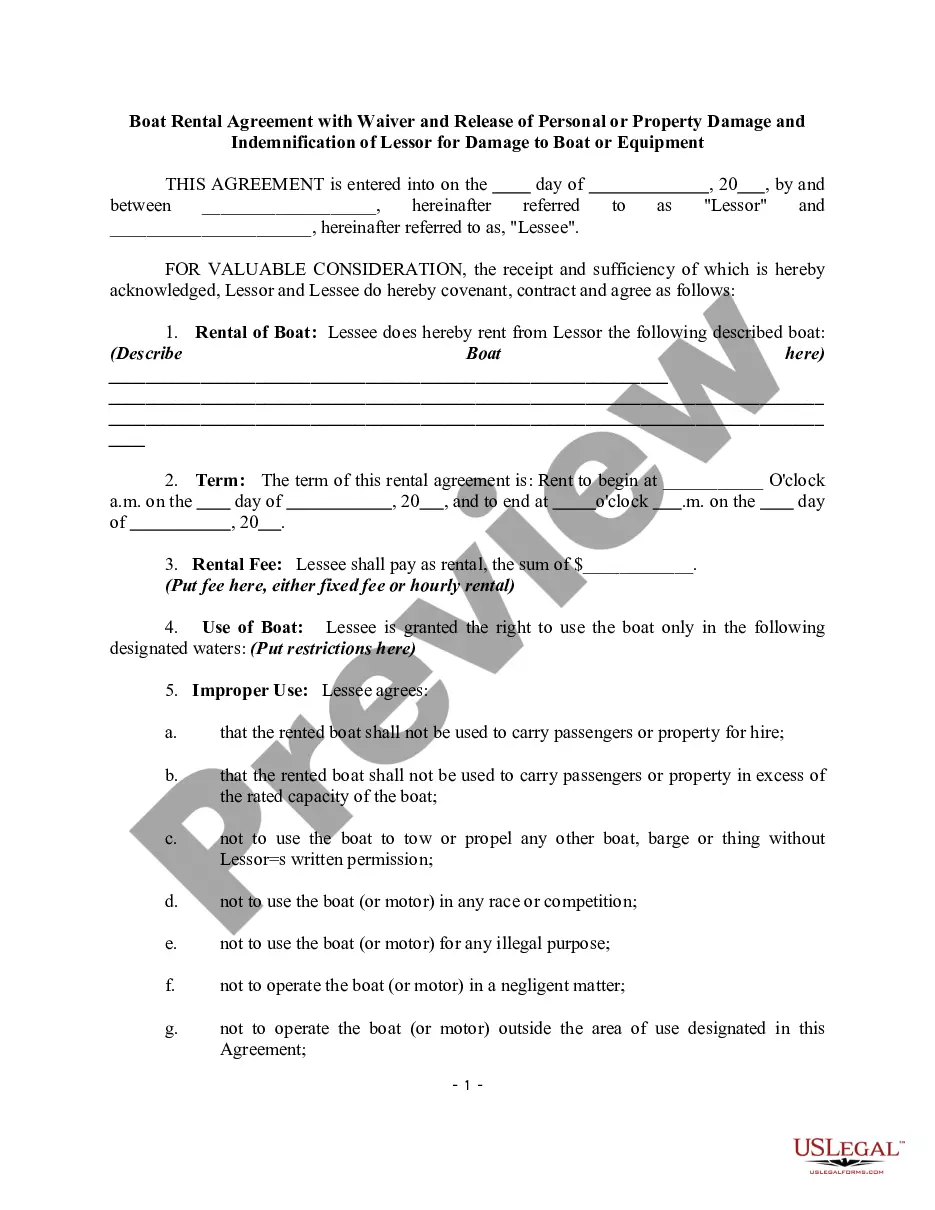
Description


Get your form ready online
Our built-in tools help you complete, sign, share, and store your documents in one place.
Make edits, fill in missing information, and update formatting in US Legal Forms—just like you would in MS Word.
Download a copy, print it, send it by email, or mail it via USPS—whatever works best for your next step.
Sign and collect signatures with our SignNow integration. Send to multiple recipients, set reminders, and more. Go Premium to unlock E-Sign.
If this form requires notarization, complete it online through a secure video call—no need to meet a notary in person or wait for an appointment.
We protect your documents and personal data by following strict security and privacy standards.

Make edits, fill in missing information, and update formatting in US Legal Forms—just like you would in MS Word.

Download a copy, print it, send it by email, or mail it via USPS—whatever works best for your next step.

Sign and collect signatures with our SignNow integration. Send to multiple recipients, set reminders, and more. Go Premium to unlock E-Sign.

If this form requires notarization, complete it online through a secure video call—no need to meet a notary in person or wait for an appointment.

We protect your documents and personal data by following strict security and privacy standards.
Looking for another form?









Form popularity
FAQ
9 Ways To Find Out Who Owns A Property You Want Visit The Local Assessor's Office. Check With The County Recorder. Ask A Title Company. Talk With A Real Estate Agent. Contact A Real Estate Attorney. Search The Internet. Visit Your Local Library. Knock On The Door.
In North Carolina, counties must conduct a revaluation at least once every eight years. In 2016, recognizing our County's rapid growth, the Wake County Board of Commissioners voted to shorten the revaluation cycle to four years, and the County's first revaluation on a four-year cycle was effective January 1, 2020.
You can find who owns a parcel of land by: Looking at the deed for the land online or at the Register of Deeds office. To do this, just follow the steps in the FAQ question above: “How do I find my deed once I get to the land records part of the county website?”
North Carolina defers a portion of the property taxes on the appraised value of a permanent residence owned and occupied by a North Carolina resident who has owned and occupied the property at least five years, is at least 65 years of age or is totally and permanently disabled, and whose income does not exceed $56,850.
In North Carolina, a notary public must witness the grantor's signature on the deed. After the deed is notarized, it must be recorded with the Lenoir County Register of Deeds. This step officially transfers the title of the property from the grantor to the grantee.
Go to the website for your county. At most county websites you can search by the parcel location or street address. Once you find the parcel of land, select it. You should find information about that parcel, including who owns it.
Calculating the Property Tax Rate Therefore, to calculate your county property taxes, take the assessed value of your property, divide by 100, and then multiply by 0.4831. For example, the owner of a $200,000 house will have an annual County tax bill of $966.20.
While residential land is primarily used for dwelling, non-residential land is utilised for commercial, industrial, and agricultural purposes. Depending on the type of land requirement, location, and funding, capitalists can scrutinise their choices to maximise returns.
By real estate industry convention, any properties with fewer than five units — none of which are for commercial use — are classified as residential. Larger properties and those with mixed residential and commercial use, then, qualify as commercial.
Any real property which has improvements thereon designed principally for the occupancy of from one to four families (including individual units of condominiums and cooperatives) and either (a) situated in a platted subdivision of record, or (b) consisting of 5 acres or less, or 2 .