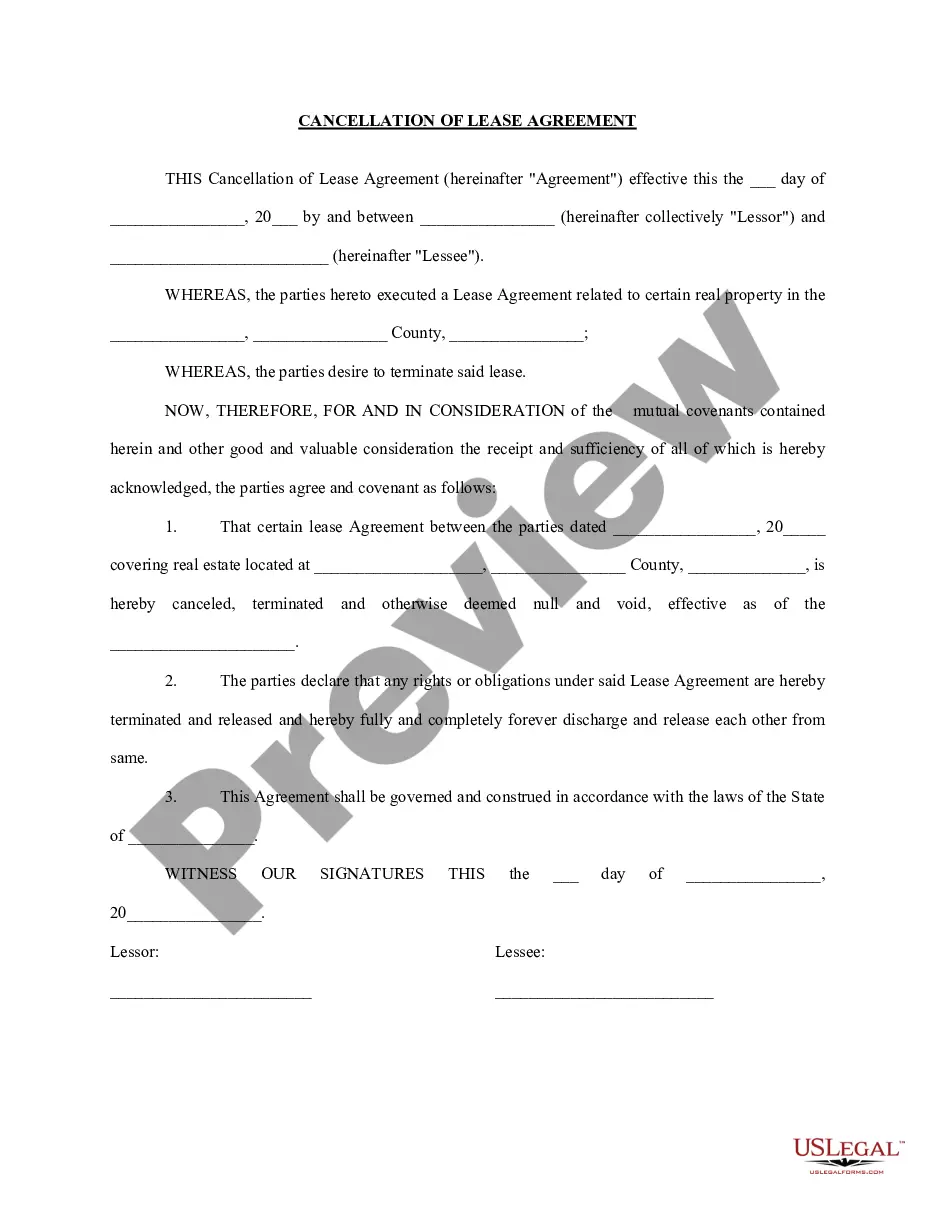
Residential Property Lease With Guarantor In Pima
Description

Get your form ready online
Our built-in tools help you complete, sign, share, and store your documents in one place.
Make edits, fill in missing information, and update formatting in US Legal Forms—just like you would in MS Word.
Download a copy, print it, send it by email, or mail it via USPS—whatever works best for your next step.
Sign and collect signatures with our SignNow integration. Send to multiple recipients, set reminders, and more. Go Premium to unlock E-Sign.
If this form requires notarization, complete it online through a secure video call—no need to meet a notary in person or wait for an appointment.
We protect your documents and personal data by following strict security and privacy standards.

Make edits, fill in missing information, and update formatting in US Legal Forms—just like you would in MS Word.

Download a copy, print it, send it by email, or mail it via USPS—whatever works best for your next step.

Sign and collect signatures with our SignNow integration. Send to multiple recipients, set reminders, and more. Go Premium to unlock E-Sign.

If this form requires notarization, complete it online through a secure video call—no need to meet a notary in person or wait for an appointment.

We protect your documents and personal data by following strict security and privacy standards.
Looking for another form?









Form popularity
FAQ
Your guarantor can be your parents, spouse, a relative, a scholarship agency, or even your employer if they are sponsoring your studies. Generally, a guarantor should be someone who is financially stable, trustworthy, and willing to take responsibility for your financial obligations if needed.
In this situation, as a guarantor, you are likely to be responsible for whatever any of the joint tenants owe the landlord, not just what the tenant you are helping may owe. You may also be responsible for any damage caused by other tenants, not just the one you're wanting to help.
Typically, rent guarantors are parents, relatives or close friends of the tenant. To qualify as a guarantor, you will need to provide the landlord with proof of income (such as paystubs), bank statements, and your Social Security number for a credit and background check.
Typically, rent guarantors are parents, relatives or close friends of the tenant. To qualify as a guarantor, you will need to provide the landlord with proof of income (such as paystubs), bank statements, and your Social Security number for a credit and background check.
Typically, a guarantor form will ask for the guarantor's name, address, contact information, and financial information (such as employment details, income, and assets). Depending on the specific form, it may also ask for references or a co-signer.
Introduce yourself and state your relationship to the person you're guaranteeing. State what you will guarantee in your own words (like co-signing a lease). Explain why the guarantor letter may be needed in the first place. End the letter with a concise, detailed summary of what you're promising.
Typically, a Guarantor Agreement is appended to the end of a lease agreement as an addendum. If, for whatever reason, you need to add a guarantor to a lease that has already been signed, be sure to have all tenants sign the agreement as well as the guarantor.
To fill out the Guarantor's form, start by providing your personal information clearly and accurately. Next, ensure that you understand the implications of being a guarantor before signing. Finally, submit the completed form along with the necessary attachments such as ID copies.
A guarantor's form should include a space to fill in the home address, work address, phone number, and email address. The contact details are what will be used to contact the guarantor in the future if the principal fails to meet agreement terms. This is a very important feature of the guarantor's form.
Your Liability as a Guarantor If they fail to meet their obligations, creditors can pursue you directly for the debt. This can lead to lawsuits, credit damage, and financial loss, all because you agreed to help someone out.