Residential Property For Lease In Pima
Description

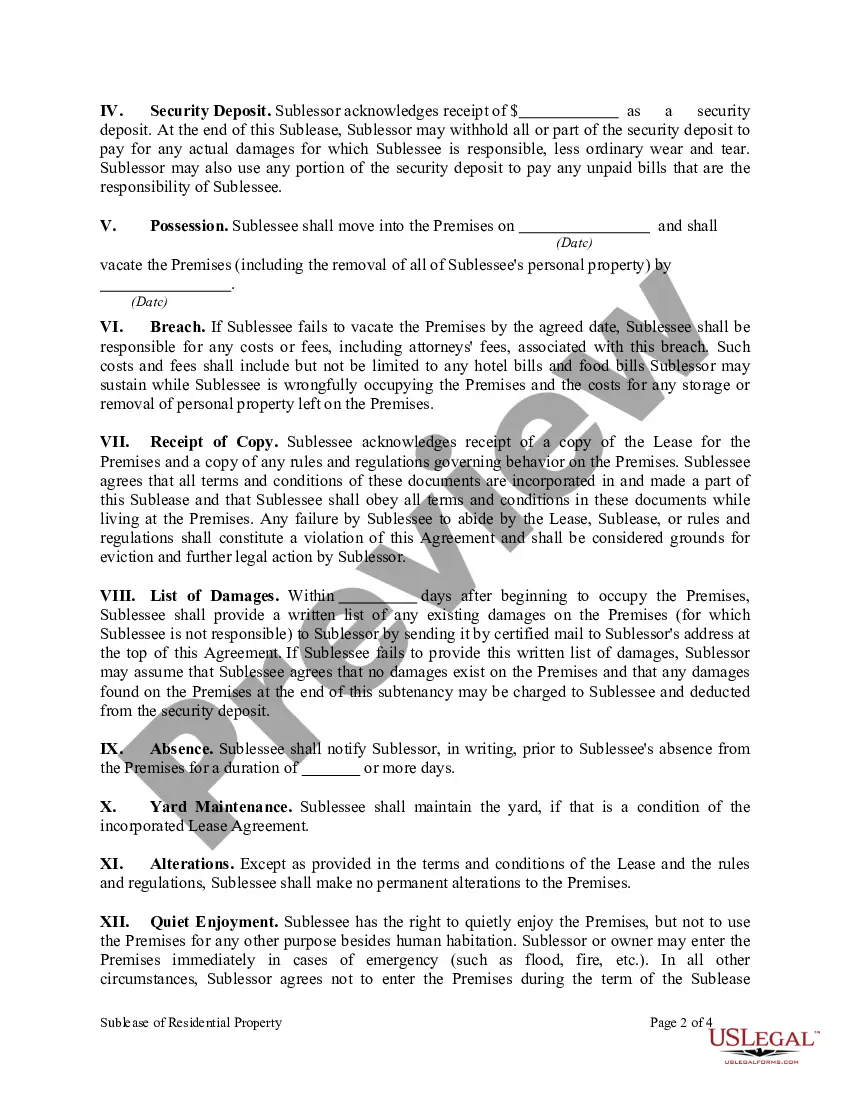
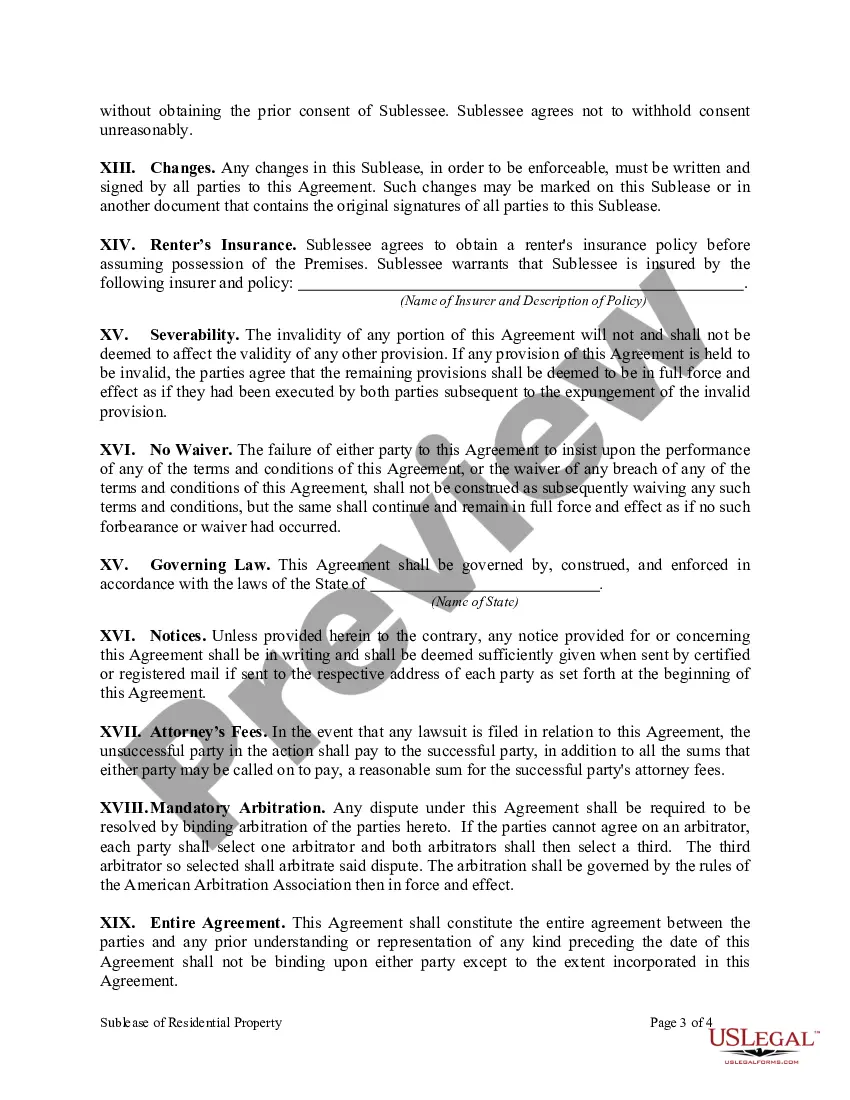

Get your form ready online
Our built-in tools help you complete, sign, share, and store your documents in one place.
Make edits, fill in missing information, and update formatting in US Legal Forms—just like you would in MS Word.
Download a copy, print it, send it by email, or mail it via USPS—whatever works best for your next step.
Sign and collect signatures with our SignNow integration. Send to multiple recipients, set reminders, and more. Go Premium to unlock E-Sign.
If this form requires notarization, complete it online through a secure video call—no need to meet a notary in person or wait for an appointment.
We protect your documents and personal data by following strict security and privacy standards.

Make edits, fill in missing information, and update formatting in US Legal Forms—just like you would in MS Word.

Download a copy, print it, send it by email, or mail it via USPS—whatever works best for your next step.

Sign and collect signatures with our SignNow integration. Send to multiple recipients, set reminders, and more. Go Premium to unlock E-Sign.

If this form requires notarization, complete it online through a secure video call—no need to meet a notary in person or wait for an appointment.

We protect your documents and personal data by following strict security and privacy standards.
Looking for another form?






Form popularity
FAQ
TenantCloud syndicates rental listings to: Rent. Zillow. Trulia. Apartments. Realtor® PadMapper. Other regional platforms.
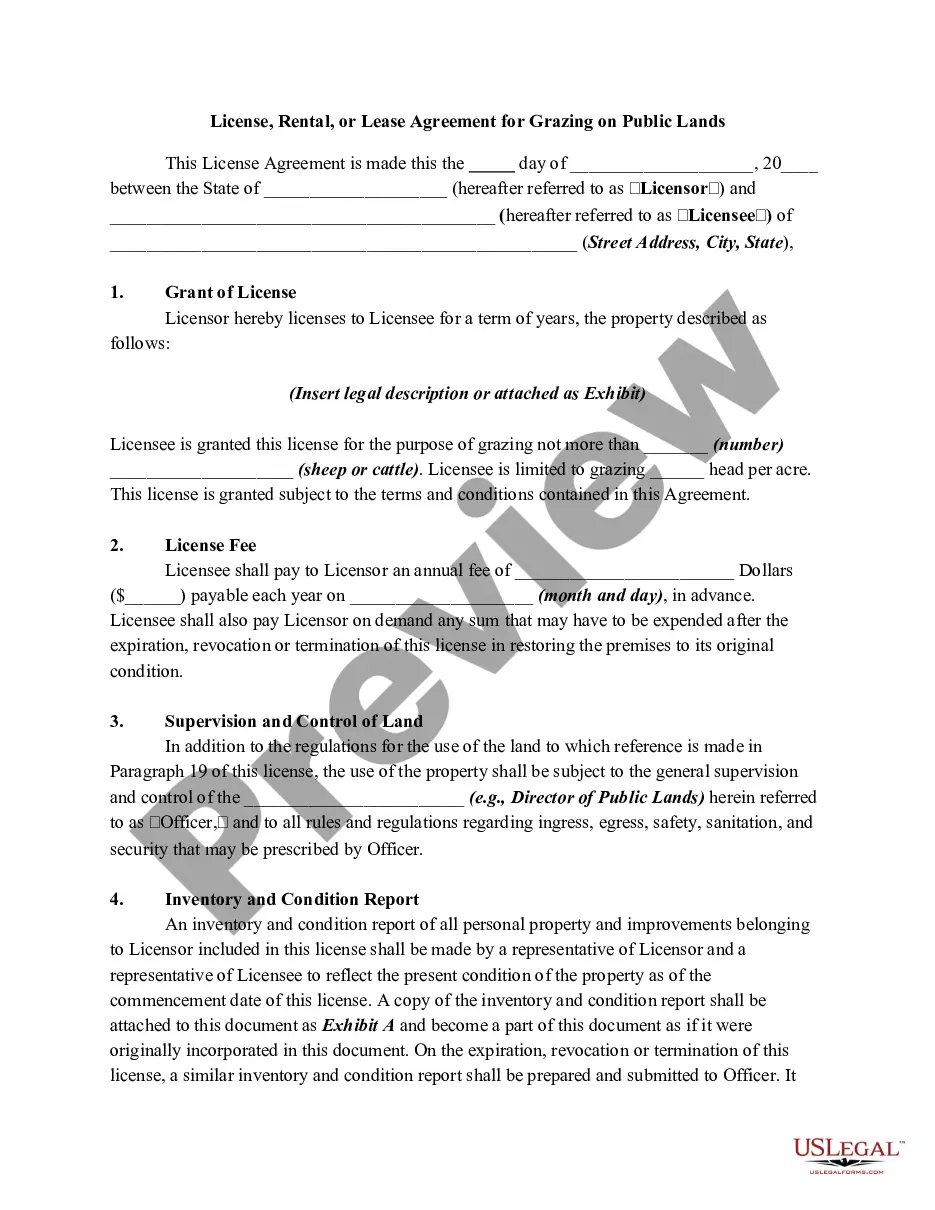
List your house, townhome, condo, apartment or room for rent on Zillow Rental Manager and it will appear on the most visited rental network.
Ultimately though it should include the following details: A description of the property. A list of attractive local amenities. List the distinct features that make your property stand out. Whether or not the property is pet-friendly. The rent amount and deposit amount. The utilities, which are included, which aren't.
How to Rent Your House Have a property management plan. Invest in additional insurance. Set a rental rate. Advertise your house for rent. Screen potential tenants. Create and sign a lease agreement. Store security deposits in a safe place. Re-key the locks.
Start by noting the basic identifying information: List the date, property address, and tenant details. Proceed room by room: Document each item in every room, including its condition. Be thorough and include all elements like walls, floors, ceilings, fixtures, and any appliances or furniture.
The most common type of lease contract in residential real estate is Gross Lease. In a gross lease, the tenant pays a fixed amount of rent, and the landlord is responsible for paying all the expenses associated with the property, including property taxes, insurance, and maintenance costs.
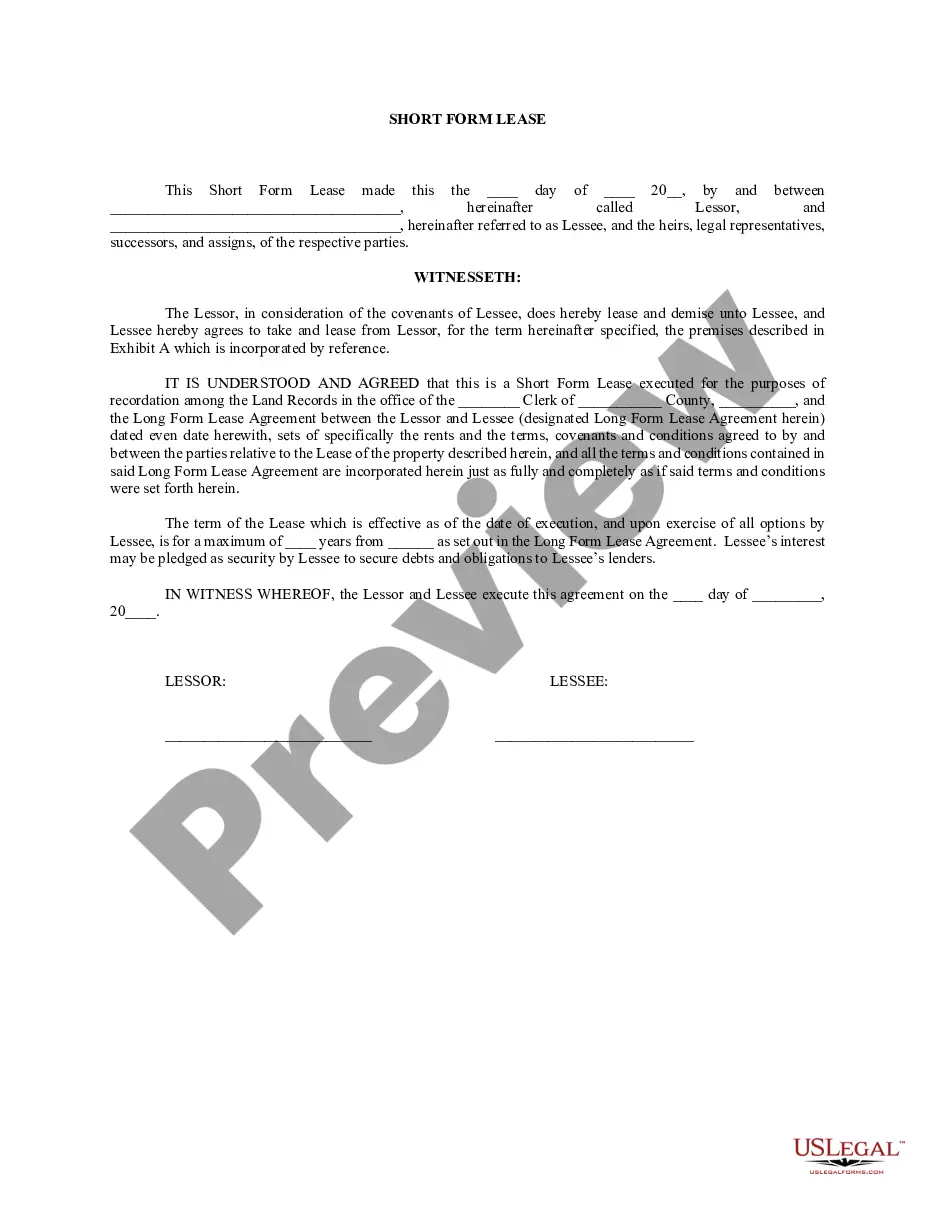
A residential lease is a contract between a landlord and a tenant - or a lessor and a lessee. It will outline and detail the terms under which the tenant can occupy the landlord's property.
While leasing and renting share many similarities, there are some subtle distinctions between the two. The main difference is the length of tenancy. A rental agreement is usually short term or month-to-month, while a lease is typically for a longer period of time, usually six months or more.
A residential lease is a contract between a landlord and a tenant - or a lessor and a lessee. It will outline and detail the terms under which the tenant can occupy the landlord's property.
