Properties That Allow Subletting In Philadelphia
Description

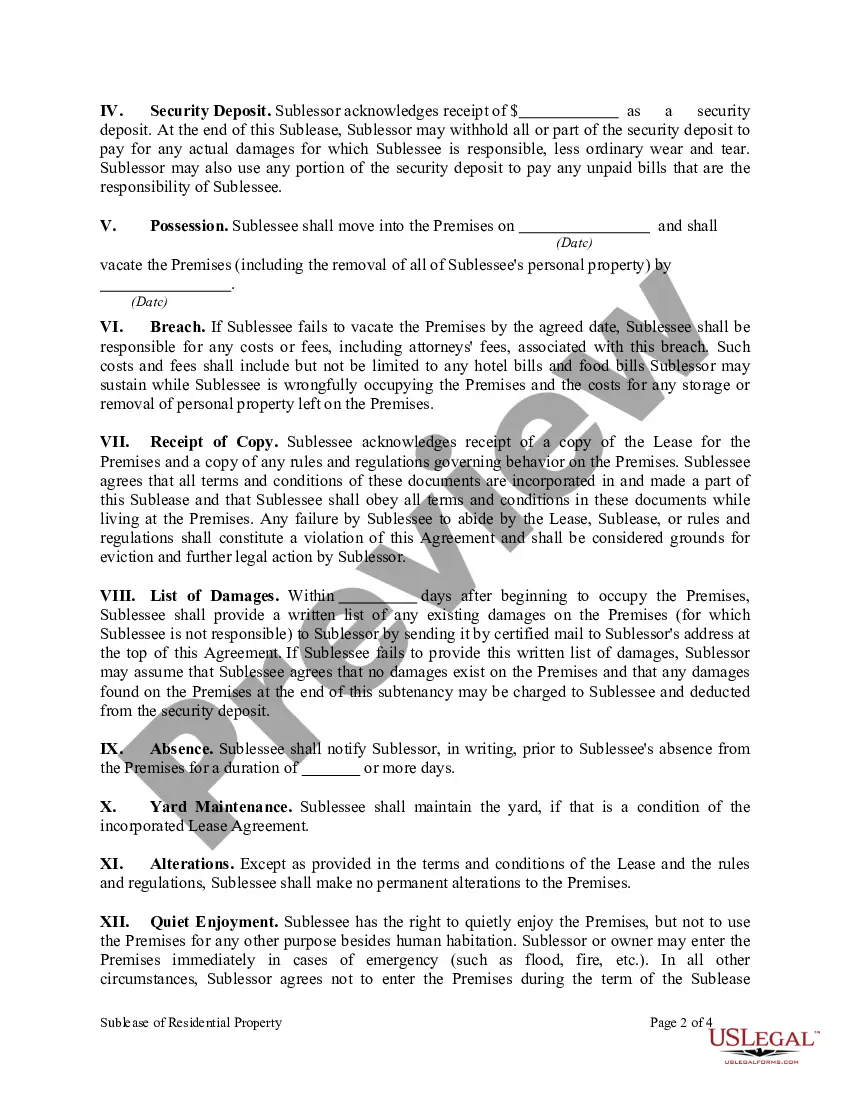
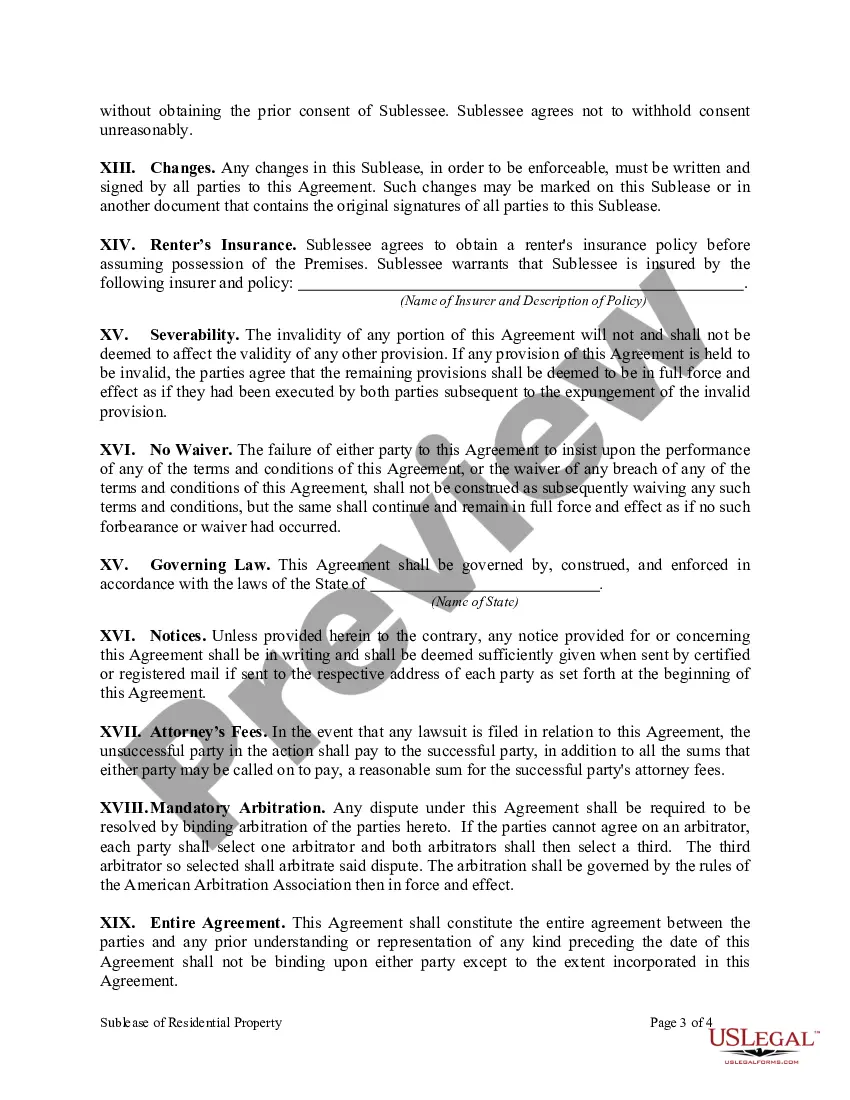

Get your form ready online
Our built-in tools help you complete, sign, share, and store your documents in one place.
Make edits, fill in missing information, and update formatting in US Legal Forms—just like you would in MS Word.
Download a copy, print it, send it by email, or mail it via USPS—whatever works best for your next step.
Sign and collect signatures with our SignNow integration. Send to multiple recipients, set reminders, and more. Go Premium to unlock E-Sign.
If this form requires notarization, complete it online through a secure video call—no need to meet a notary in person or wait for an appointment.
We protect your documents and personal data by following strict security and privacy standards.

Make edits, fill in missing information, and update formatting in US Legal Forms—just like you would in MS Word.

Download a copy, print it, send it by email, or mail it via USPS—whatever works best for your next step.

Sign and collect signatures with our SignNow integration. Send to multiple recipients, set reminders, and more. Go Premium to unlock E-Sign.

If this form requires notarization, complete it online through a secure video call—no need to meet a notary in person or wait for an appointment.

We protect your documents and personal data by following strict security and privacy standards.
Looking for another form?





Form popularity
FAQ
Yes, they can. If you sublet your unit without your landlord's consent, they have the right to ask you to leave. Subletting without permission can be a violation of the lease agreement, and landlords have the authority to enforce the terms of the lease.
Find out if subletting is allowed. Also check your lease, which may lay out specific rules about subletting. It's smart to put your subletting request to your landlord in writing and ask them to reply in writing as well. If your landlord claims you've been illegally subletting, you could be evicted.
If you want to sublet your property, the first thing you should do is review your lease agreement. In general, Pennsylvania does allow subletting unless it is explicitly prohibited in your agreement. In most instances, you'll find that this is allowed if you obtain permission from the landlord.
Make Your Request to Sublet in Writing Even if you've orally discussed a sublet in person with your landlord, it's a good idea to follow up the request in writing. This ensures that you're both on the same page regarding the terms of the sublet, and gives you a written record to refer to if memories fail.
Step 1: Check your lease Check your rental agreement or lease documentation for specific rules on subletting your apartment. Step 2: Send landlord a letter Send your landlord or building manager a certified letter asking permission to sublet, and wait for approval. Keep copies of all communications.
Your Step-by-Step Guide to Subletting in California Read Your Lease Carefully. Obtain Pre-Approval to Sublet. Find and Screen a Subletter. Send a Written Request for Approval. Wait Patiently (but Not Too Patiently). Collect and Store Security Deposit and Rent. Enjoy Your Freedom. Subletting Laws in California.
Subletting Can Impact Property Values Parking becomes difficult, there are higher utility costs, and the neighborhood won't be as appealing to prospective buyers.
Consent from the landlord A tenant must get a landlord's written permission to sub-let or transfer any part of the property. If a tenant does this without consent, they are breaching the terms of the tenancy agreement.
