Sublease Form Leases With Tenants In Nassau
Description

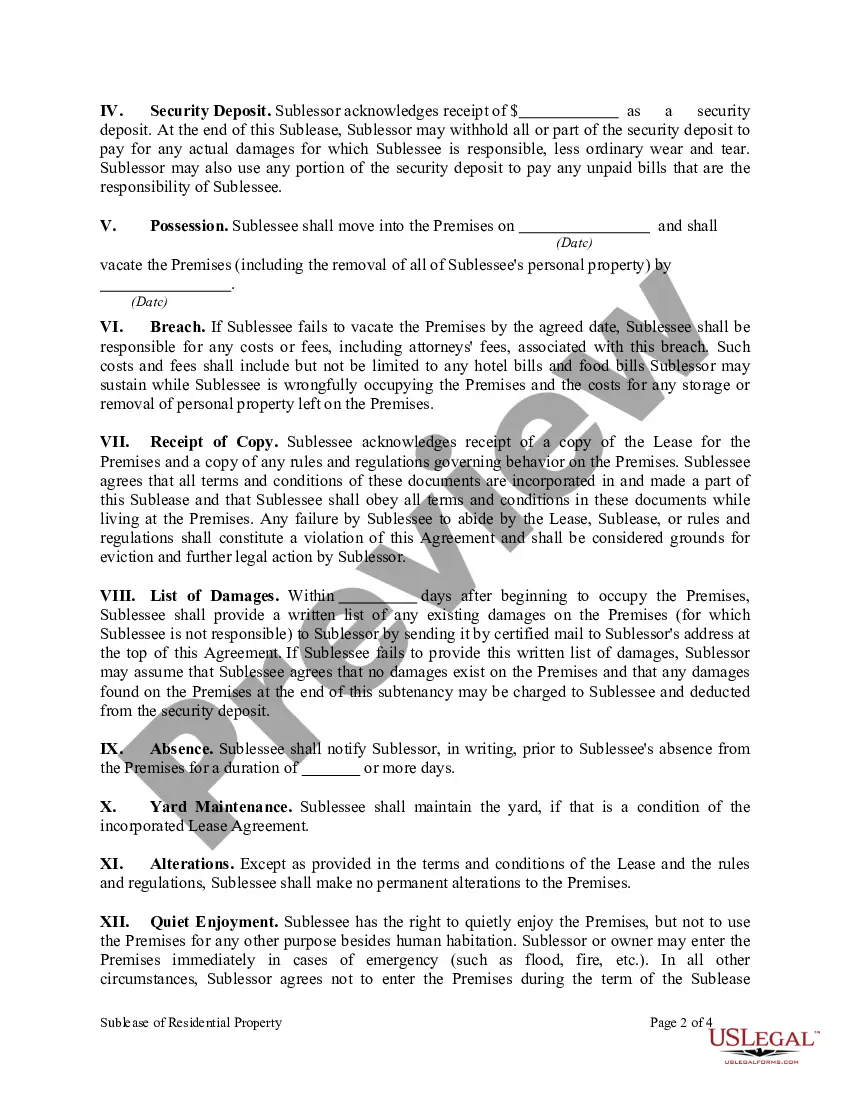
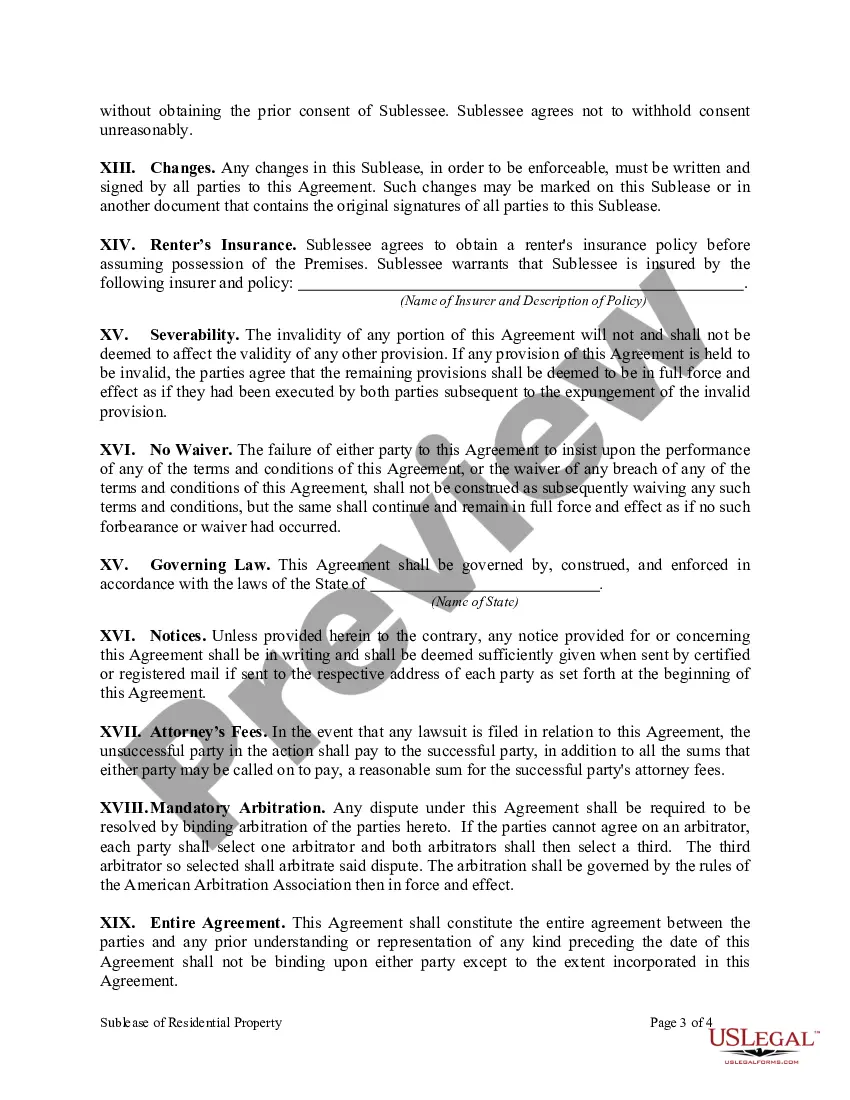
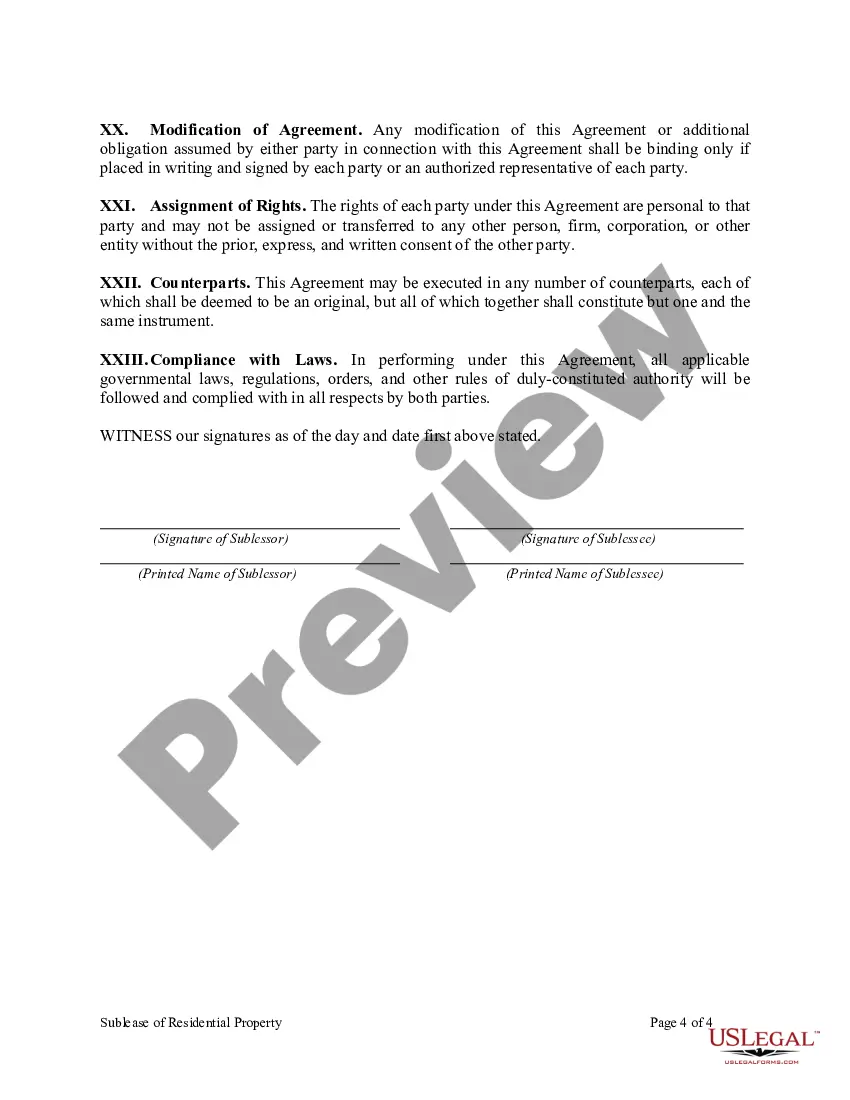

Get your form ready online
Our built-in tools help you complete, sign, share, and store your documents in one place.
Make edits, fill in missing information, and update formatting in US Legal Forms—just like you would in MS Word.
Download a copy, print it, send it by email, or mail it via USPS—whatever works best for your next step.
Sign and collect signatures with our SignNow integration. Send to multiple recipients, set reminders, and more. Go Premium to unlock E-Sign.
If this form requires notarization, complete it online through a secure video call—no need to meet a notary in person or wait for an appointment.
We protect your documents and personal data by following strict security and privacy standards.

Make edits, fill in missing information, and update formatting in US Legal Forms—just like you would in MS Word.

Download a copy, print it, send it by email, or mail it via USPS—whatever works best for your next step.

Sign and collect signatures with our SignNow integration. Send to multiple recipients, set reminders, and more. Go Premium to unlock E-Sign.

If this form requires notarization, complete it online through a secure video call—no need to meet a notary in person or wait for an appointment.

We protect your documents and personal data by following strict security and privacy standards.
Looking for another form?







Form popularity
FAQ
Under California law, unless the lease specifically prohibits subletting, tenants may have the right to sublease their rental unit. In this case, you would not be able to unreasonably withhold consent.
Allowing subletting can sometimes leave landlords feeling like they've lost control over their property. You may not have a direct say in who your tenants choose to sublease to. This situation becomes complex when the agreement is not specific about the terms of subleasing.
How to write a sublease contract Provide a description of the property. Add the names of the tenant and subtenant. Lay out the terms. Discuss any additional information. Decide the amount of rent. Determine the security deposit amount. State any late fees. List the policies and/or conditions.
If your tenancy doesn't have a fixed end date you'll need your landlord's permission to sublet your whole home. If they say no, they don't have to give you a reason. If there's a fixed end date for your tenancy, you're allowed to sublet your whole home.
Real Property Law Section 226-b in conjunction with the Rent Stabilization Law gives tenants the right to sublease their apartment for a period of two out of every four years. In order to sublease an apartment, it is necessary that prior to the subleasing that the apartment be the tenants' primary residence.
Under California law, unless the lease specifically prohibits subletting, tenants may have the right to sublease their rental unit. In this case, you would not be able to unreasonably withhold consent.
A legal sublease agreement in Illinois must have the landlord's written consent unless the lease states otherwise. Landlords can't unreasonably refuse sublease requests. Reasons like poor credit or past evictions can be considered. For more details, see Illinois subletting guidelines.
It is illegal for landlords in New York to refuse lease renewal, significantly raise rent, or file for eviction in retaliation for a good faith complaint to them or to a government agency made in the past year, or for participation in the activity of a tenancy organization like ITU, ing to NY Real Prop L Section ...
A 60-day notice is required for tenants who have lived in an apartment for more than one year, but less than two years, or have a lease of at least one year, but less than two years.
What is considered to be a 'short' lease? Basically, any lease that falls below 80 years is considered to be a short lease. While this may seem like a long time, in terms of leases, 80 years is the cut off point, something commonly referred to as the '80-year rule'.
