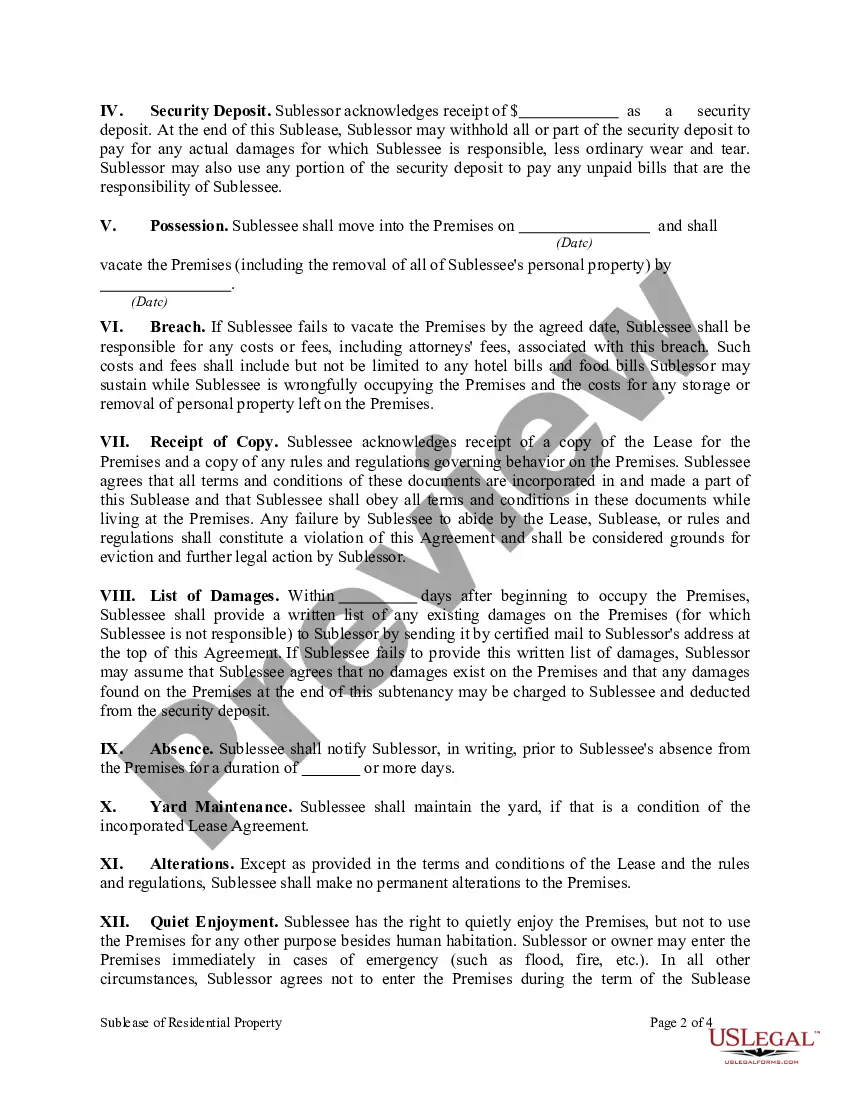
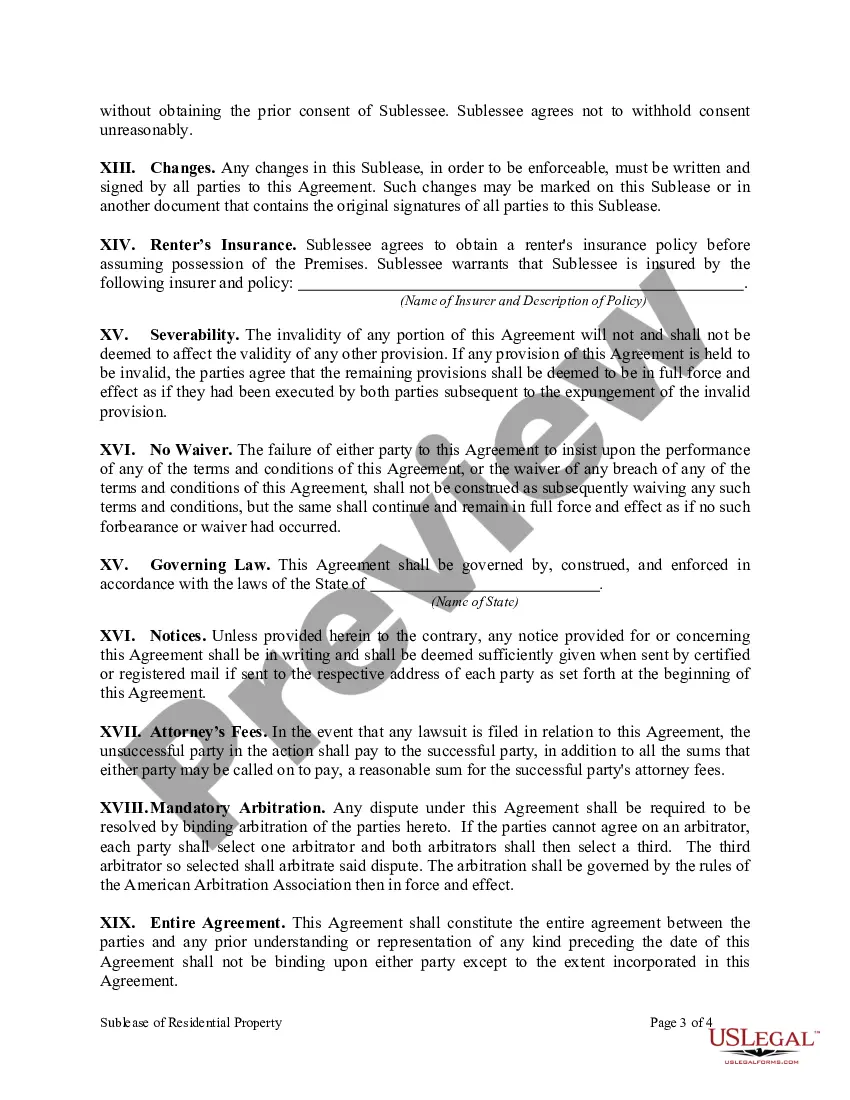
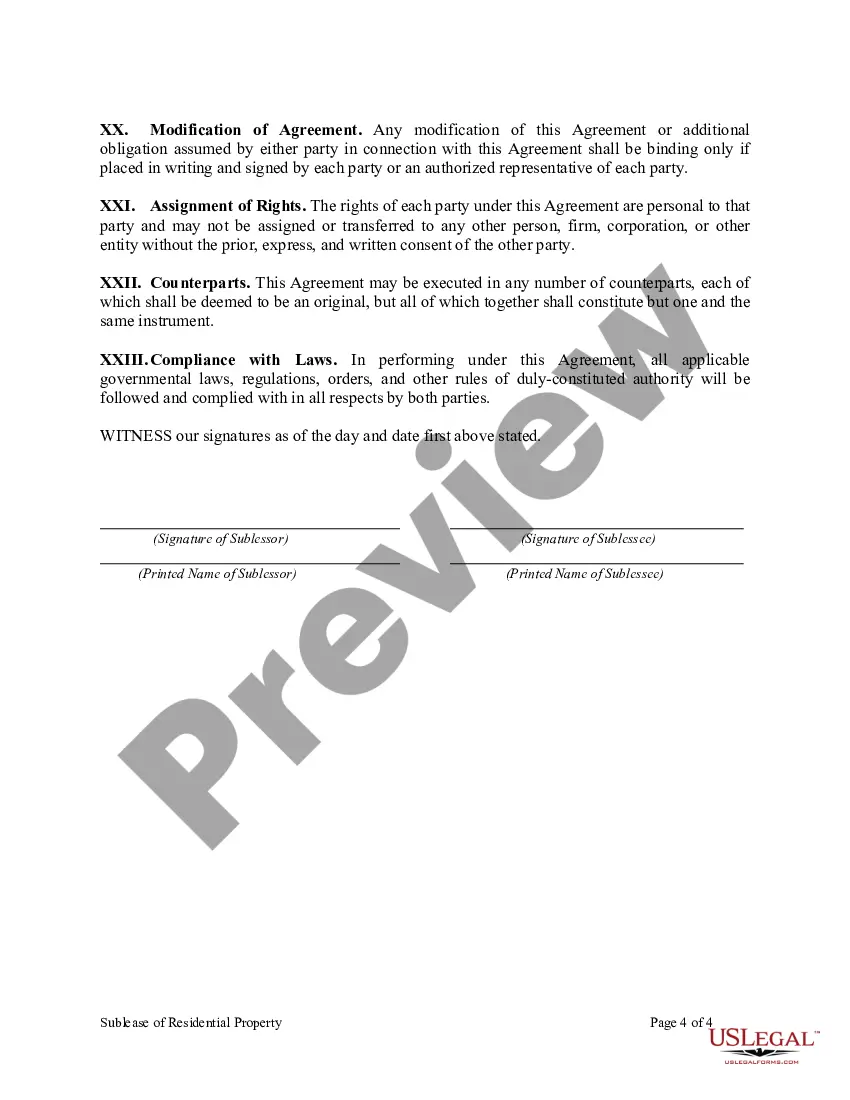
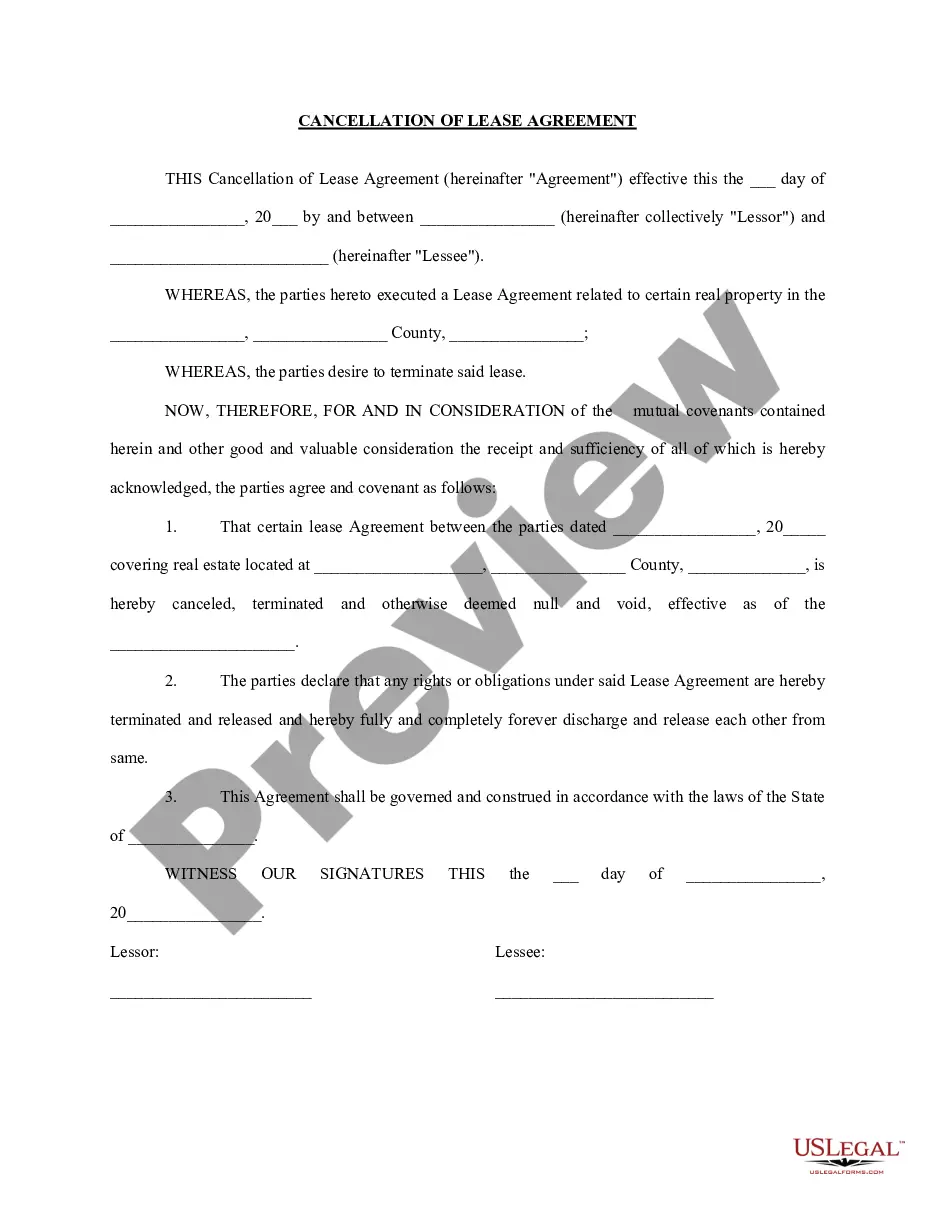
Direct Lease Vs Sublease In Massachusetts
Description


Get your form ready online
Our built-in tools help you complete, sign, share, and store your documents in one place.
Make edits, fill in missing information, and update formatting in US Legal Forms—just like you would in MS Word.
Download a copy, print it, send it by email, or mail it via USPS—whatever works best for your next step.
Sign and collect signatures with our SignNow integration. Send to multiple recipients, set reminders, and more. Go Premium to unlock E-Sign.
If this form requires notarization, complete it online through a secure video call—no need to meet a notary in person or wait for an appointment.
We protect your documents and personal data by following strict security and privacy standards.

Make edits, fill in missing information, and update formatting in US Legal Forms—just like you would in MS Word.

Download a copy, print it, send it by email, or mail it via USPS—whatever works best for your next step.

Sign and collect signatures with our SignNow integration. Send to multiple recipients, set reminders, and more. Go Premium to unlock E-Sign.

If this form requires notarization, complete it online through a secure video call—no need to meet a notary in person or wait for an appointment.

We protect your documents and personal data by following strict security and privacy standards.
Looking for another form?







Form popularity
FAQ
Massachusetts law typically mandates that tenants obtain written consent from their landlord before subletting. Without it, tenants risk eviction or legal disputes. Legal considerations also extend to ensuring that the sublease agreement does not violate state regulations.
In a standard lease, the tenant has direct obligations to the landlord including paying rent, maintaining the property, and complying with lease terms. In a sublease, the original tenant retains these responsibilities to the landlord, even after subleasing the property.
Is Subleasing the Best Option? Subleasing may be most advantageous to tenants if: Market rental rates have increased relative to the tenant's lease rates, particularly if the tenant is permitted to keep all or part of the increased rates under the sublease.
Subletting Can Impact Property Values Parking becomes difficult, there are higher utility costs, and the neighborhood won't be as appealing to prospective buyers.
As mentioned before, the sublessor must first get permission from the landlord before subletting the premises. However, the landlord must provide written consent to the sublessor. Other types of approvals aren't permitted.
Landlords restrict subletting because they want control of who's in their properties. You wanna sublet so you can get out of a lease, so your standards are somewhat reduced. You might not care about security of the place, you might not care about the subletters background, he has a lease with you not the landlord.
San Francisco, Oakland and Berkeley passed laws to protect renters in roommate/subletting situations. If you live in one of these cities, your landlord can neither deny you the right to nor evict you for replacing a roommate or subletting a room without their consent.
If you sublet your apartment, you are still responsible for the lease. This means any damages or missed rent payments are your responsibility. Finding a reliable subtenant is crucial; be sure to screen carefully to avoid any complications like property damage that could leave you liable.
