Sublease Property Agreement With Broker In King
Description

Form popularity
FAQ
San Francisco, Oakland and Berkeley passed laws to protect renters in roommate/subletting situations. If you live in one of these cities, your landlord can neither deny you the right to nor evict you for replacing a roommate or subletting a room without their consent.
If you sublet your apartment, you are still responsible for the lease. This means any damages or missed rent payments are your responsibility. Finding a reliable subtenant is crucial; be sure to screen carefully to avoid any complications like property damage that could leave you liable.
Subletting Can Impact Property Values Parking becomes difficult, there are higher utility costs, and the neighborhood won't be as appealing to prospective buyers.
New York City law does not allow tenants that live in multiple dwellings (3 apartments or more) to sublet apartments for less than thirty days. Tenants must receive permission from their landlord in order to sublet their apartment by following a very technical procedure set forth by RPL 226-b.
Your Step-by-Step Guide to Subletting in California Read Your Lease Carefully. Obtain Pre-Approval to Sublet. Find and Screen a Subletter. Send a Written Request for Approval. Wait Patiently (but Not Too Patiently). Collect and Store Security Deposit and Rent. Enjoy Your Freedom:
Landlords restrict subletting because they want control of who's in their properties. You wanna sublet so you can get out of a lease, so your standards are somewhat reduced. You might not care about security of the place, you might not care about the subletters background, he has a lease with you not the landlord.
Benefits for Subtenants Subleases often come with lower rent, and subtenants can also enjoy a fully furnished apartment, saving on moving costs.
In the Case of Subletting the Apartment When a current tenant opts for subletting, a notarized letter becomes essential. It serves as a legal document that cements the relationship between the original tenant and the subtenant.
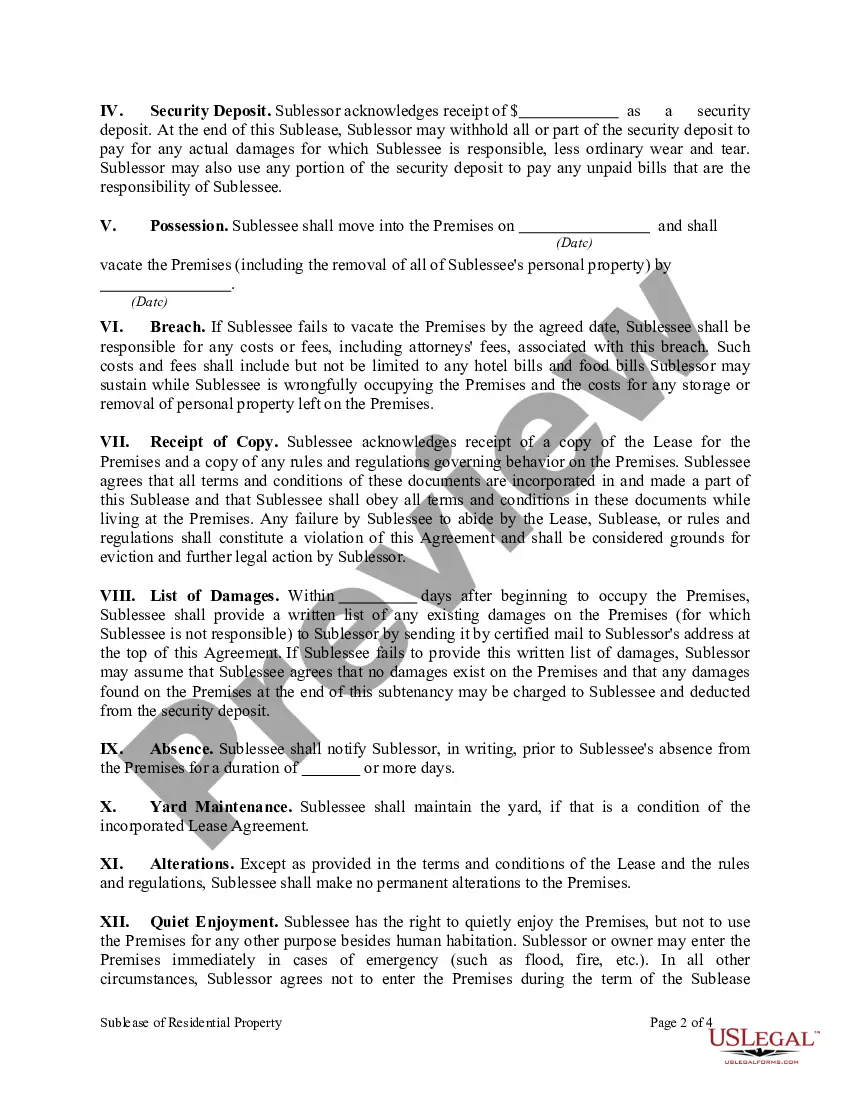
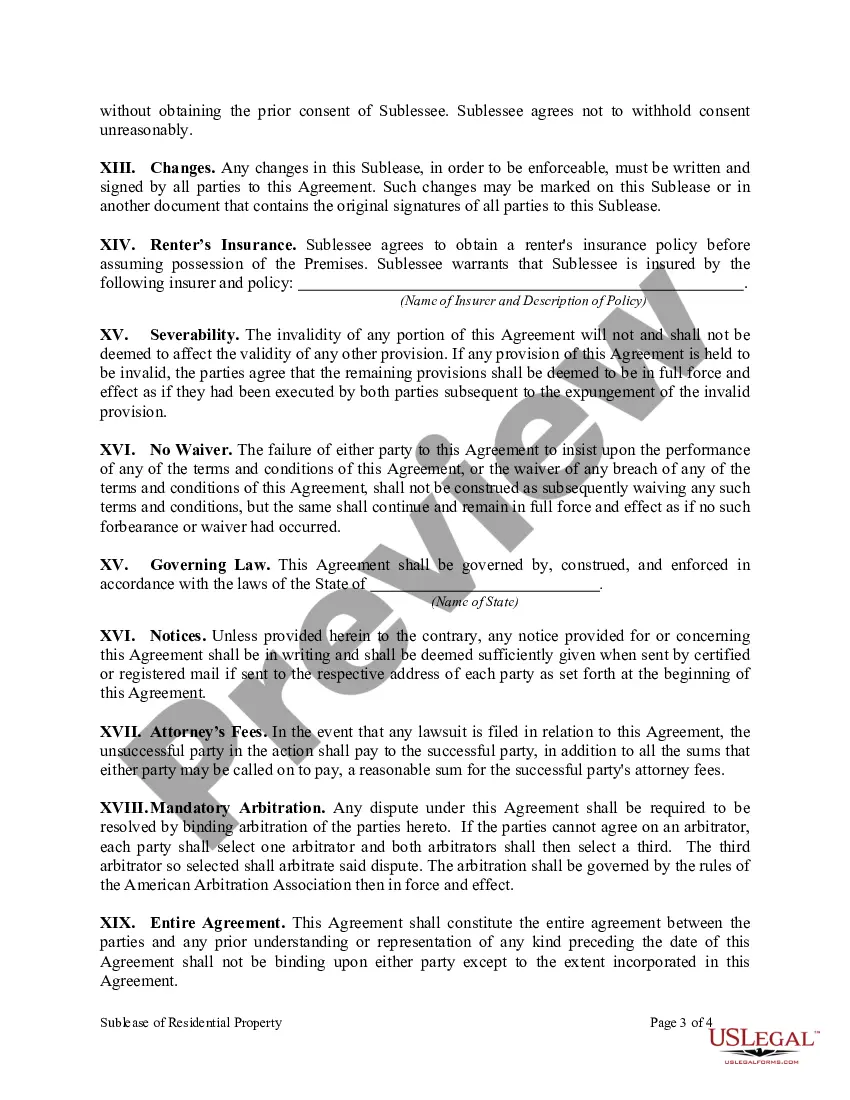
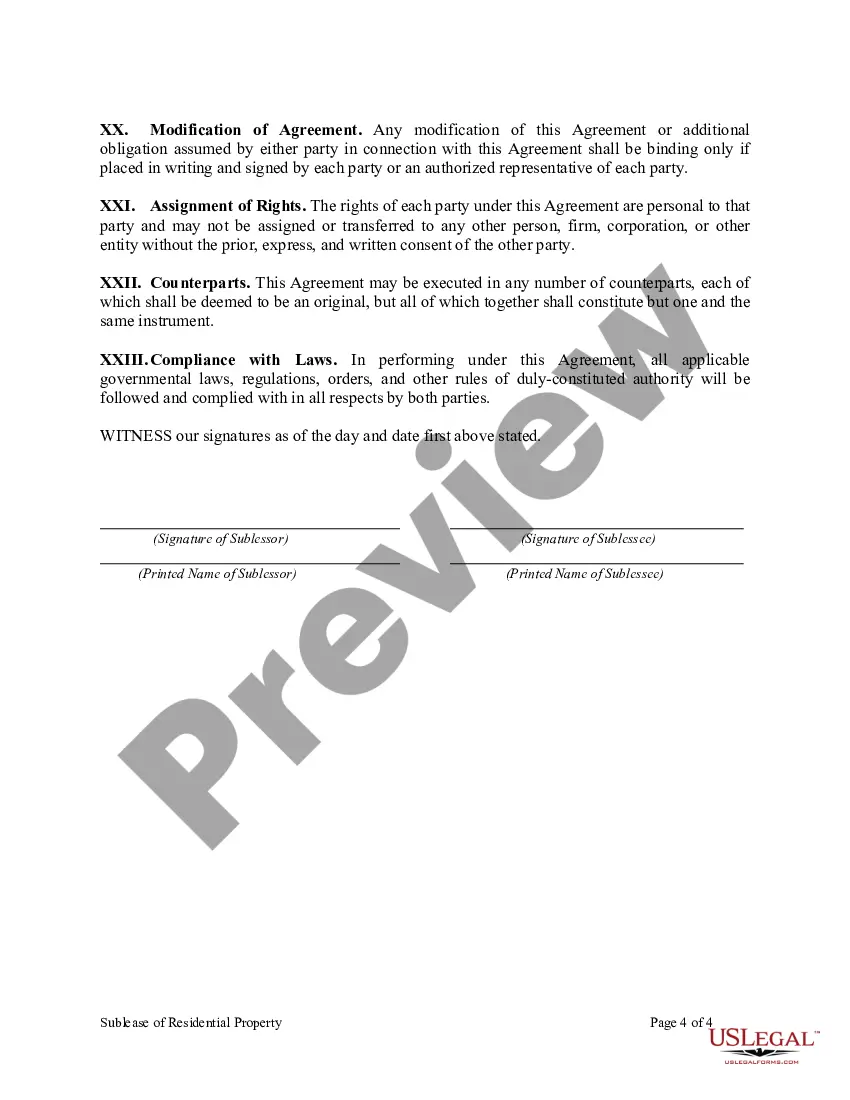
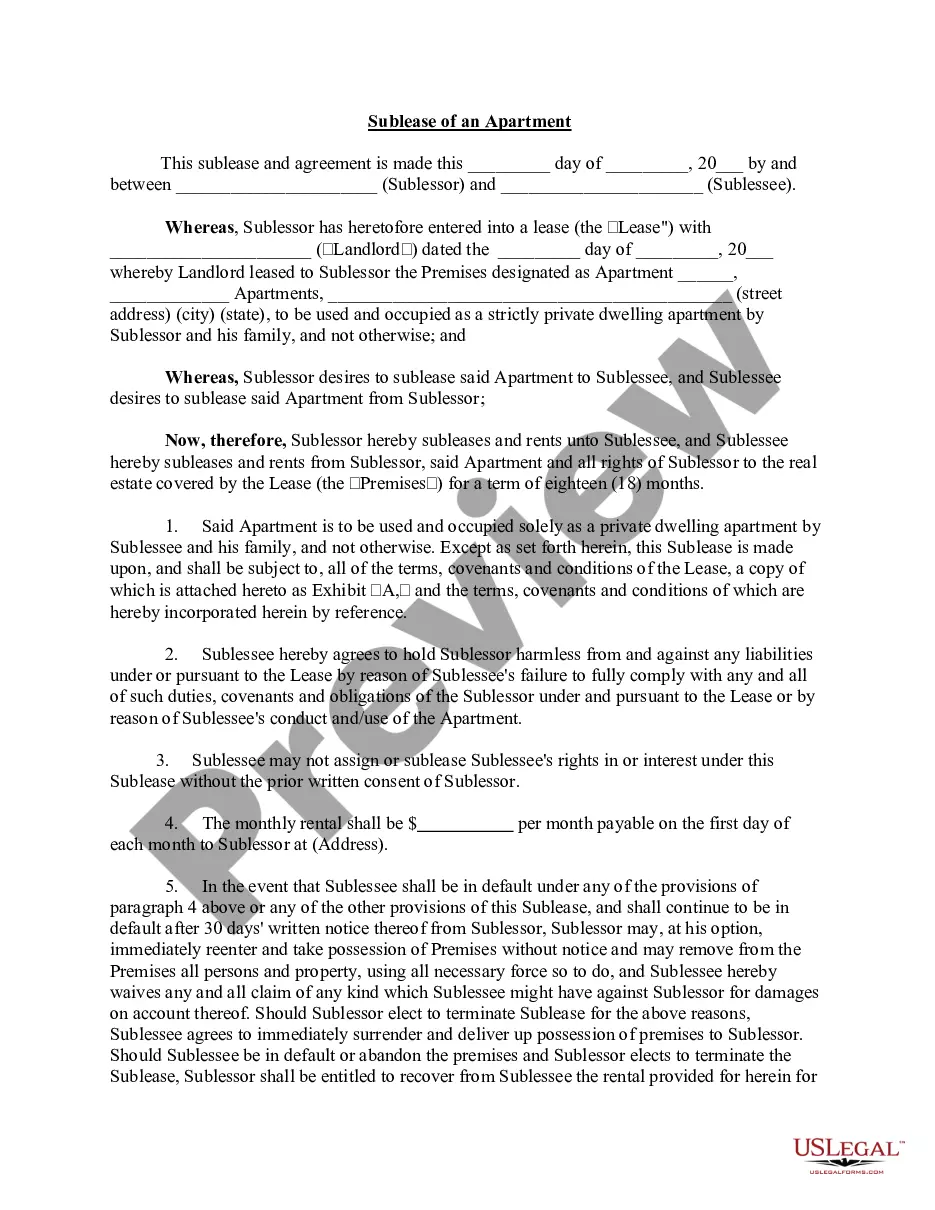
How to Write One Identify all parties to the contract. Define the lease term. Identify the terms and rent amount. Address any other financial responsibilities. Discuss the terms of the security deposit. List any other restrictions. Date and sign the agreement. Attach a copy of the original lease.
