Examples Of Residential Property In Illinois
Description

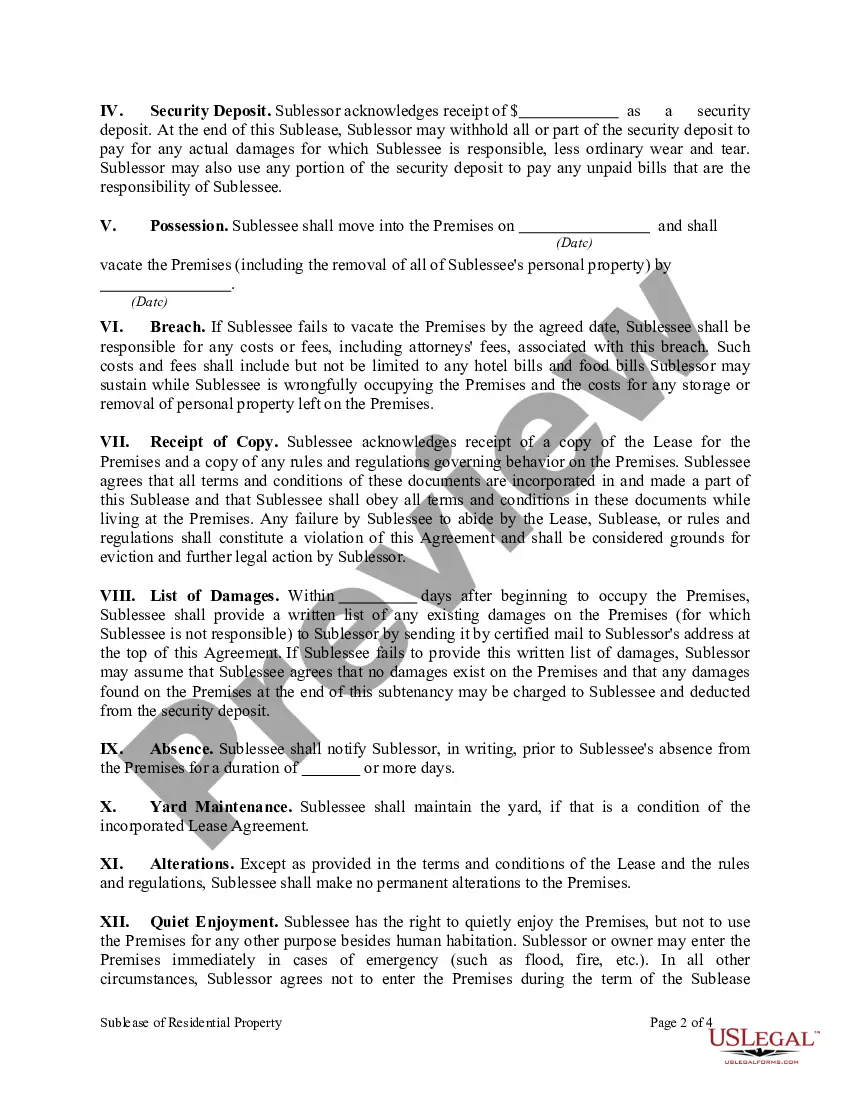
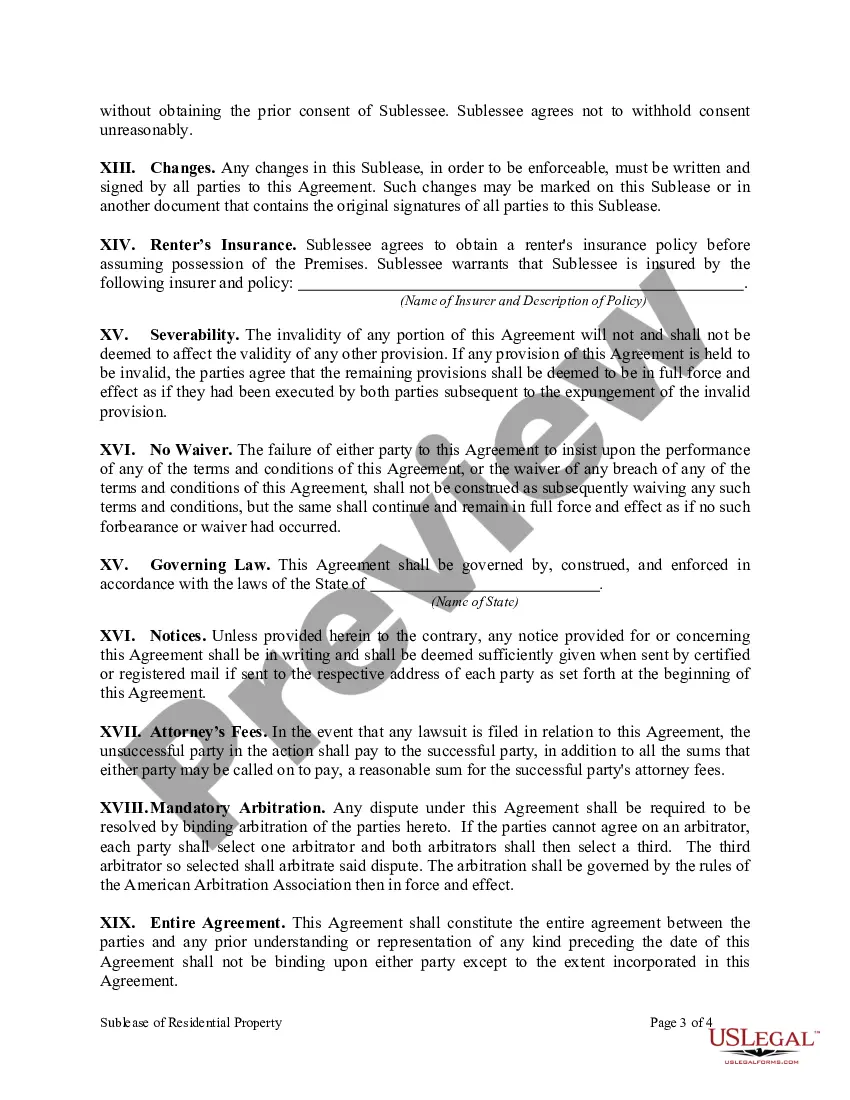
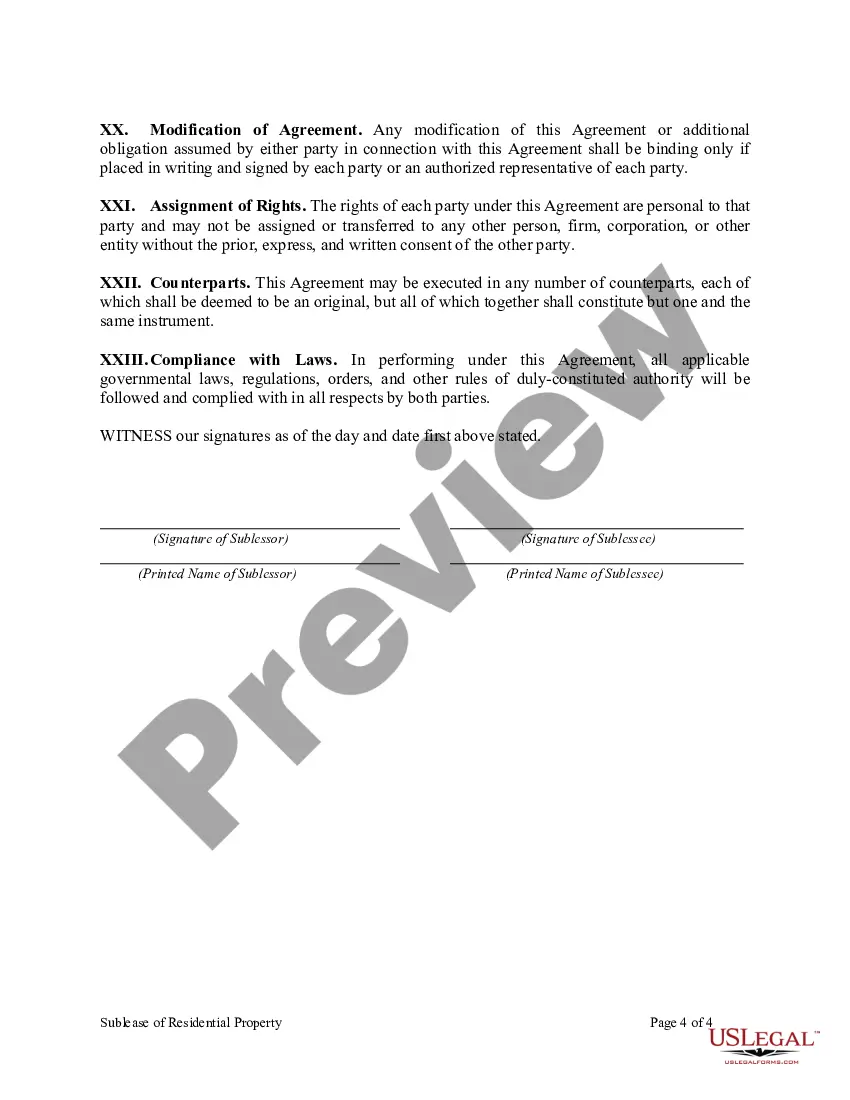

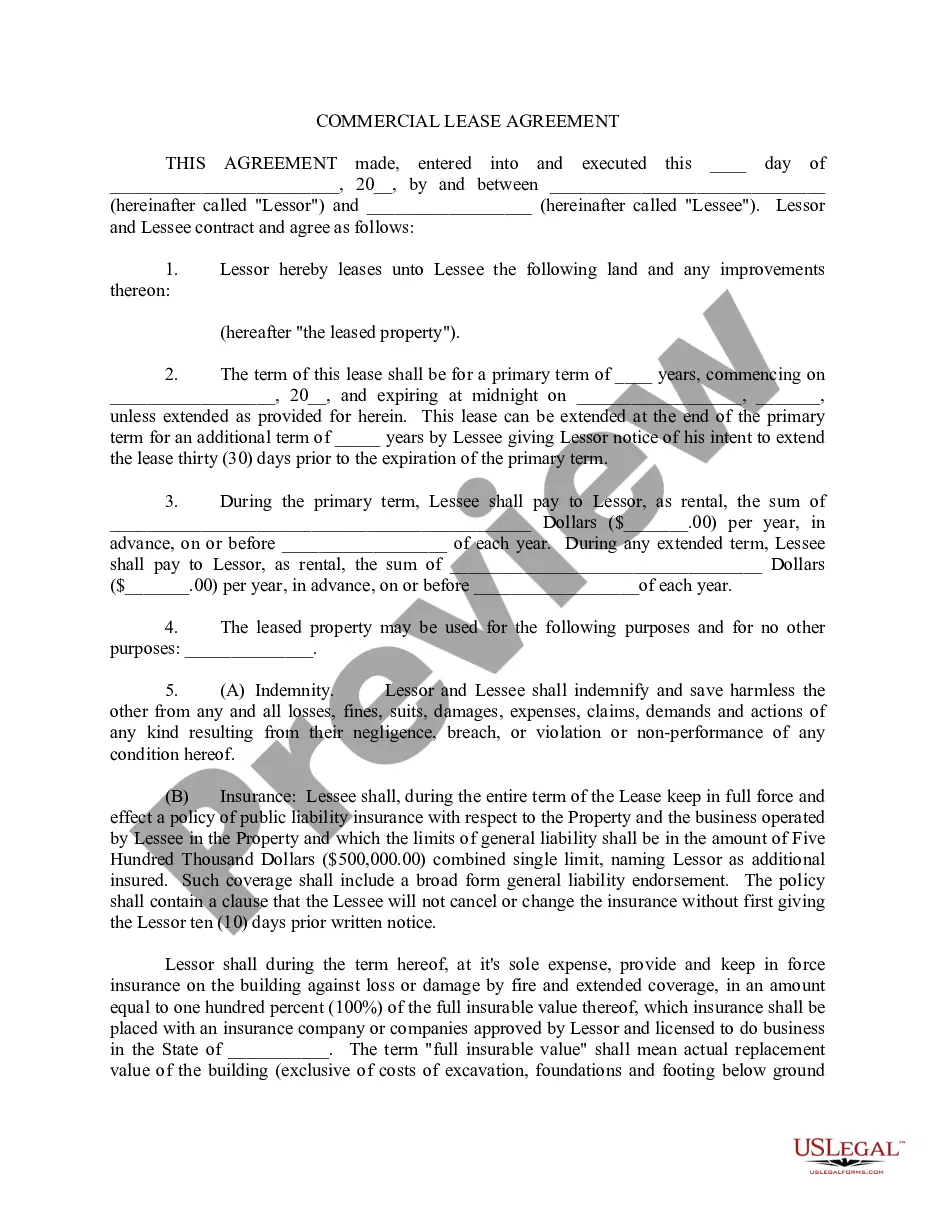
Get your form ready online
Our built-in tools help you complete, sign, share, and store your documents in one place.
Make edits, fill in missing information, and update formatting in US Legal Forms—just like you would in MS Word.
Download a copy, print it, send it by email, or mail it via USPS—whatever works best for your next step.
Sign and collect signatures with our SignNow integration. Send to multiple recipients, set reminders, and more. Go Premium to unlock E-Sign.
If this form requires notarization, complete it online through a secure video call—no need to meet a notary in person or wait for an appointment.
We protect your documents and personal data by following strict security and privacy standards.

Make edits, fill in missing information, and update formatting in US Legal Forms—just like you would in MS Word.

Download a copy, print it, send it by email, or mail it via USPS—whatever works best for your next step.

Sign and collect signatures with our SignNow integration. Send to multiple recipients, set reminders, and more. Go Premium to unlock E-Sign.

If this form requires notarization, complete it online through a secure video call—no need to meet a notary in person or wait for an appointment.

We protect your documents and personal data by following strict security and privacy standards.
Looking for another form?







Form popularity
FAQ
Residential real estate: Any property used for residential purposes. Examples include single-family homes, condos, cooperatives, duplexes, townhouses, and multifamily residences.
Commercial Building on Leased Land. Commercial. Real. 211.
Property classes refer to a property classification system used to determine the potential of an investment property based on a combination of geographic, demographic, and physical characteristics. It is important to note that the difference in each property class is relative to the market it is in.
There are three types of property classifications in California law: community property, separate property, and quasi-community property. It is important to know the differences between them, because the definition of a property determines who has ownership and control of the property.
If the assessment official(s) feel that a mistake was made (or there is any other reason to question the accuracy of the assessment), the assessment will be amended.
You can obtain your legal description form your county's Recorder of Deeds Office.
A personal property tax is imposed by state or local governments on certain assets that can be touched and moved such as cars, livestock, or equipment. Personal property includes assets other than land or permanent structures such as buildings. These are considered to be real property.
This annual exemption is available for property that is occupied as a residence by a person 65 years of age or older who is liable for paying real estate taxes on the property and is an owner of record of the property or has a legal or equitable interest therein as evidenced by a written instrument, except for a ...
Residential. Single-family homes make up most of this category, but it also includes multi-family homes and condominiums, among others.
There are four basic properties of numbers: commutative, associative, distributive, and identity. You should be familiar with each of these. It is especially important to understand these properties once you reach advanced math such as algebra and calculus.
