Sublease Agreement Form Ontario In Fulton
Description

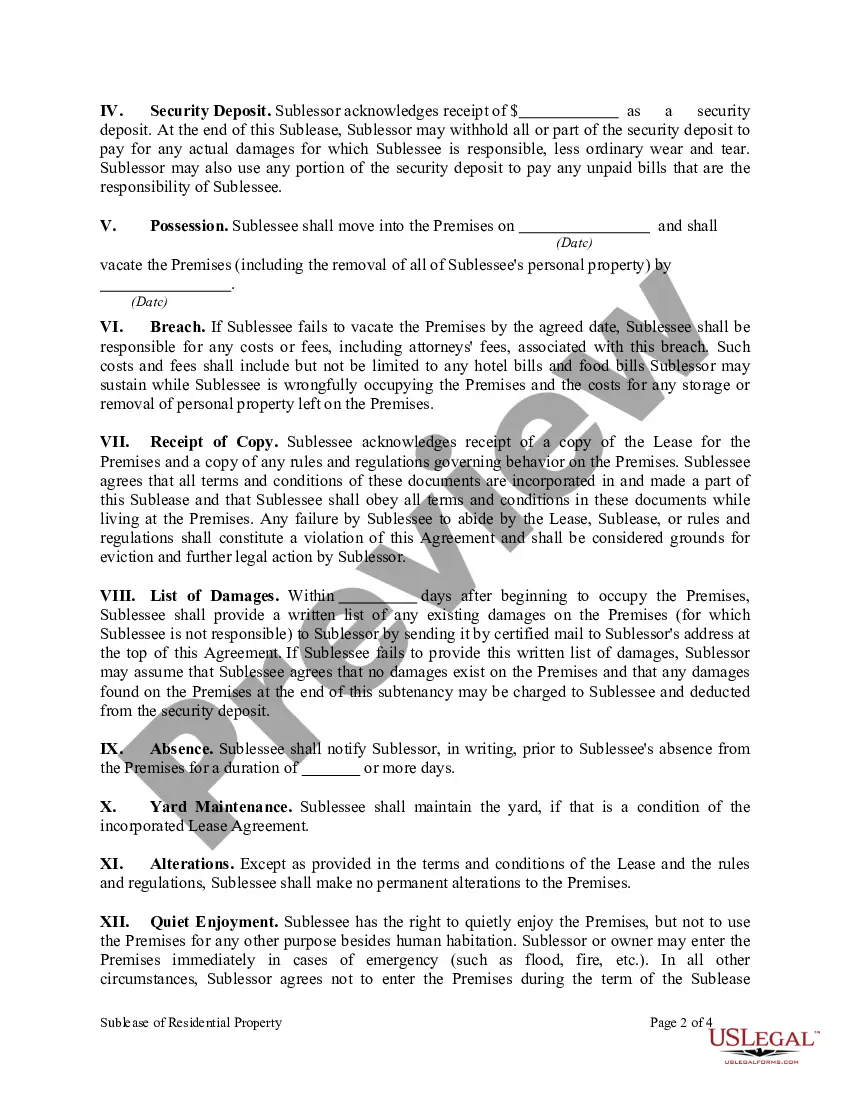
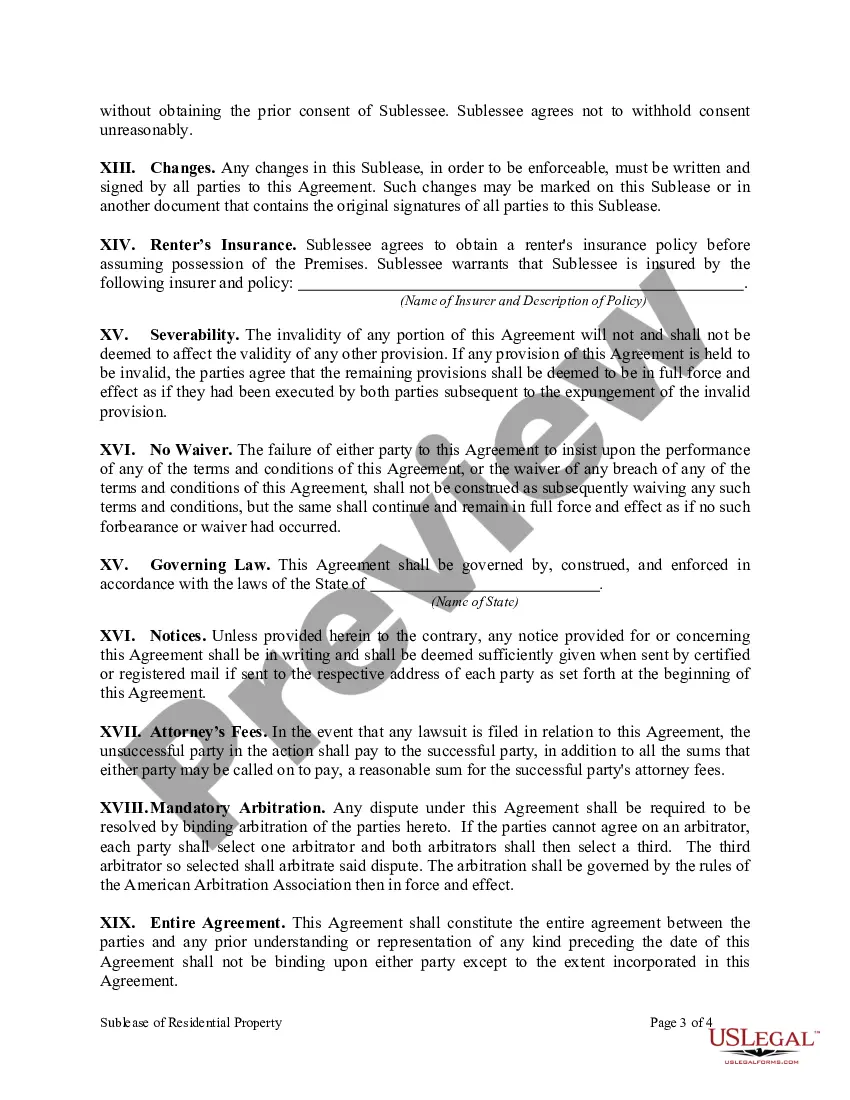
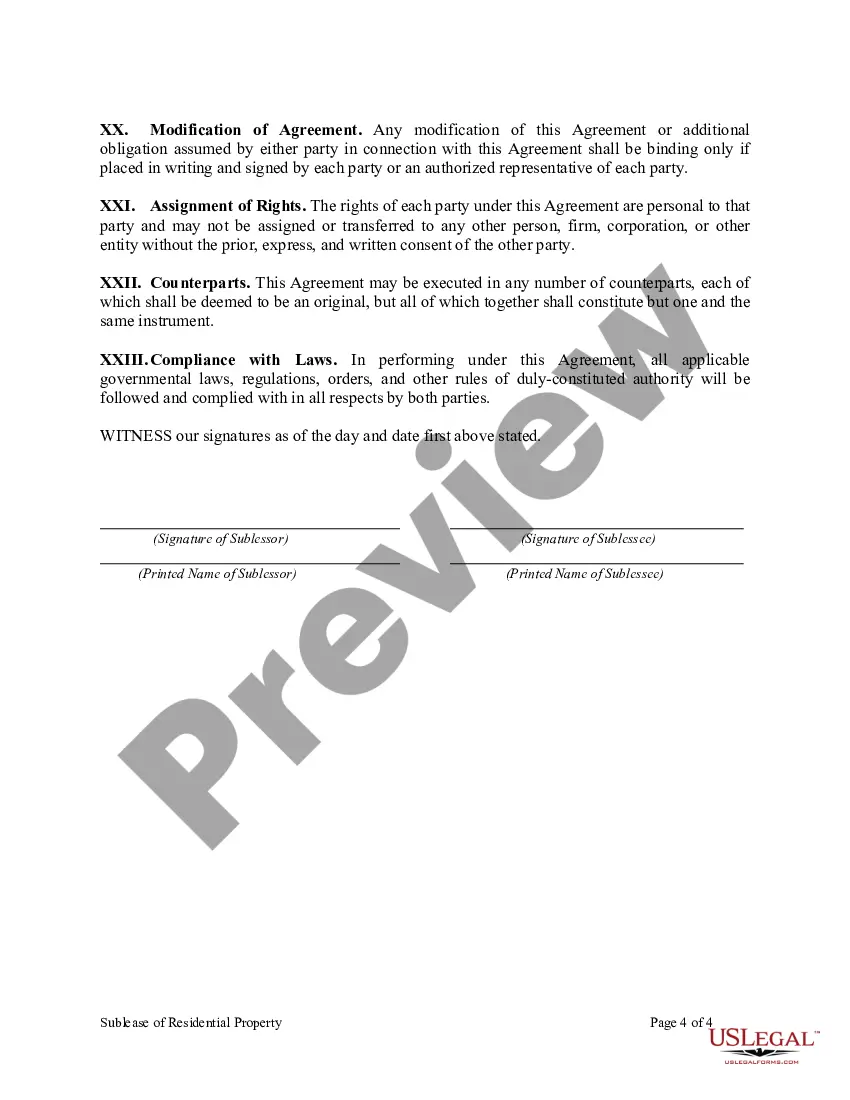
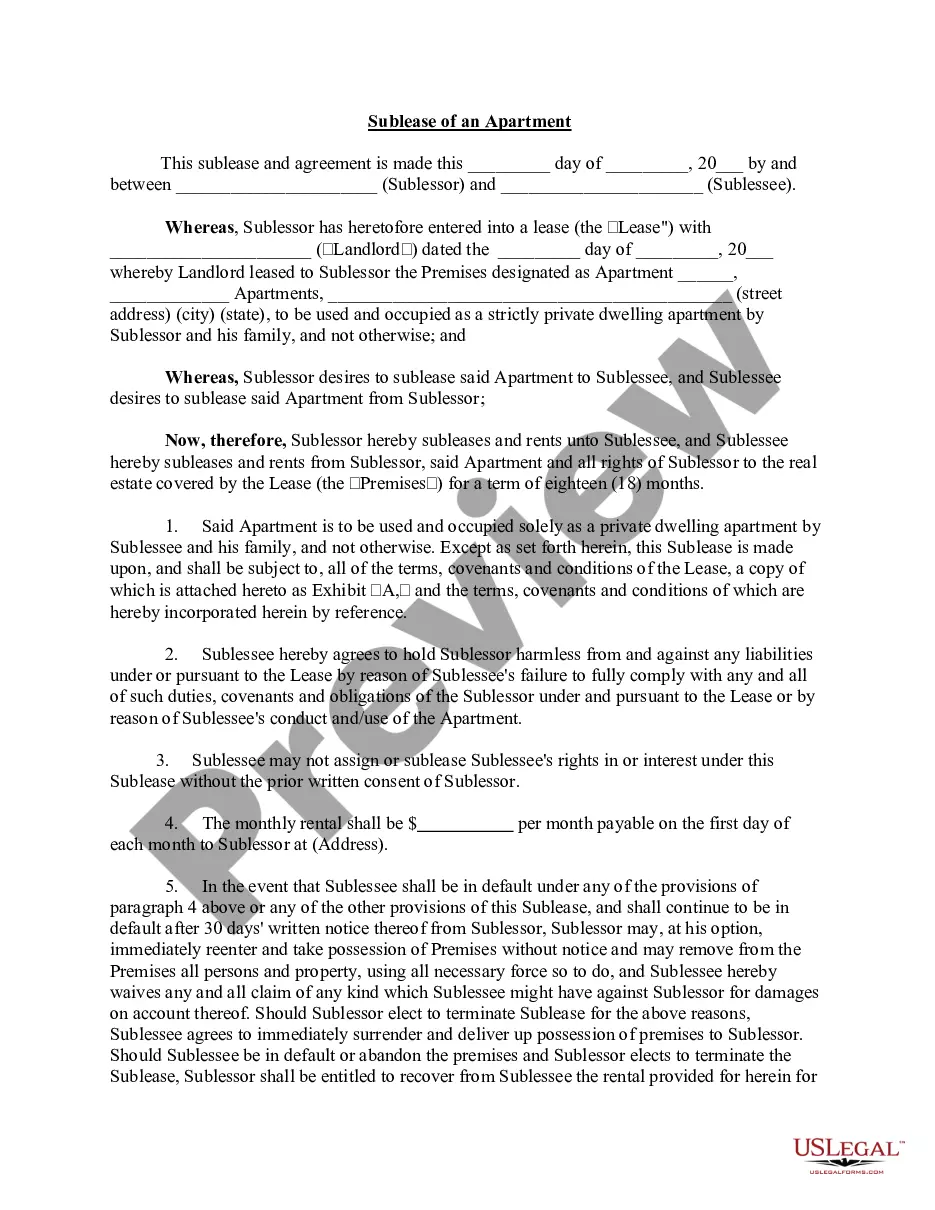
Get your form ready online
Our built-in tools help you complete, sign, share, and store your documents in one place.
Make edits, fill in missing information, and update formatting in US Legal Forms—just like you would in MS Word.
Download a copy, print it, send it by email, or mail it via USPS—whatever works best for your next step.
Sign and collect signatures with our SignNow integration. Send to multiple recipients, set reminders, and more. Go Premium to unlock E-Sign.
If this form requires notarization, complete it online through a secure video call—no need to meet a notary in person or wait for an appointment.
We protect your documents and personal data by following strict security and privacy standards.

Make edits, fill in missing information, and update formatting in US Legal Forms—just like you would in MS Word.

Download a copy, print it, send it by email, or mail it via USPS—whatever works best for your next step.

Sign and collect signatures with our SignNow integration. Send to multiple recipients, set reminders, and more. Go Premium to unlock E-Sign.

If this form requires notarization, complete it online through a secure video call—no need to meet a notary in person or wait for an appointment.

We protect your documents and personal data by following strict security and privacy standards.
Looking for another form?








Form popularity
FAQ
Landlord's Consent: Generally, a landlord must consent to a sublease. However, exceptions exist, such as when the landlord unreasonably withholds consent. Sublease Terms: The sublease agreement must be in writing and should include essential terms like rent, duration, and the subtenant's rights and responsibilities.
Ontario has specific laws governing sublease agreements, outlined in the Residential Tenancies Act (RTA). Key points include: Landlord's Consent: Generally, a landlord must consent to a sublease. However, exceptions exist, such as when the landlord unreasonably withholds consent.
Generally speaking, subleasing requires the permission of the LL. But a tenant-friendly evictions process means tenants often do it without LL permission. Also, local governments in some areas have passed laws saying a LL cannot unreasonably deny permission.
Tenant's Right to Sublet: In Ontario, tenants have the right to sublet their rental unit; however, they must get written approval from their landlord. You cannot unreasonably refuse consent as a landlord, but you should have sufficient information about the subtenant to make an informed decision.
Under California law, unless the lease specifically prohibits subletting, tenants may have the right to sublease their rental unit. In this case, you would not be able to unreasonably withhold consent.
Understanding Subleasing in Georgia In Georgia, tenants need their landlord's written consent to sublet. This is a requirement under state law. The agreement can be part of the original lease or a separate contract. Landlords have the right to screen and reject potential subtenants for acceptable reasons.
You need the landlords permission. The landlord can say no. They can evict both you and your sub tenant if you sublet without permission.
Your Step-by-Step Guide to Subletting in California Read Your Lease Carefully. Obtain Pre-Approval to Sublet. Find and Screen a Subletter. Send a Written Request for Approval. Wait Patiently (but Not Too Patiently). Collect and Store Security Deposit and Rent. Enjoy Your Freedom:
In Georgia, subleasing involves specific legal requirements that must be met to ensure both landlords and tenants are protected. These requirements include obtaining written consent from the landlord, going through an approval process for subtenants, and adhering to lease agreement clauses regarding subleasing.
