Examples Of Residential Property In Clark
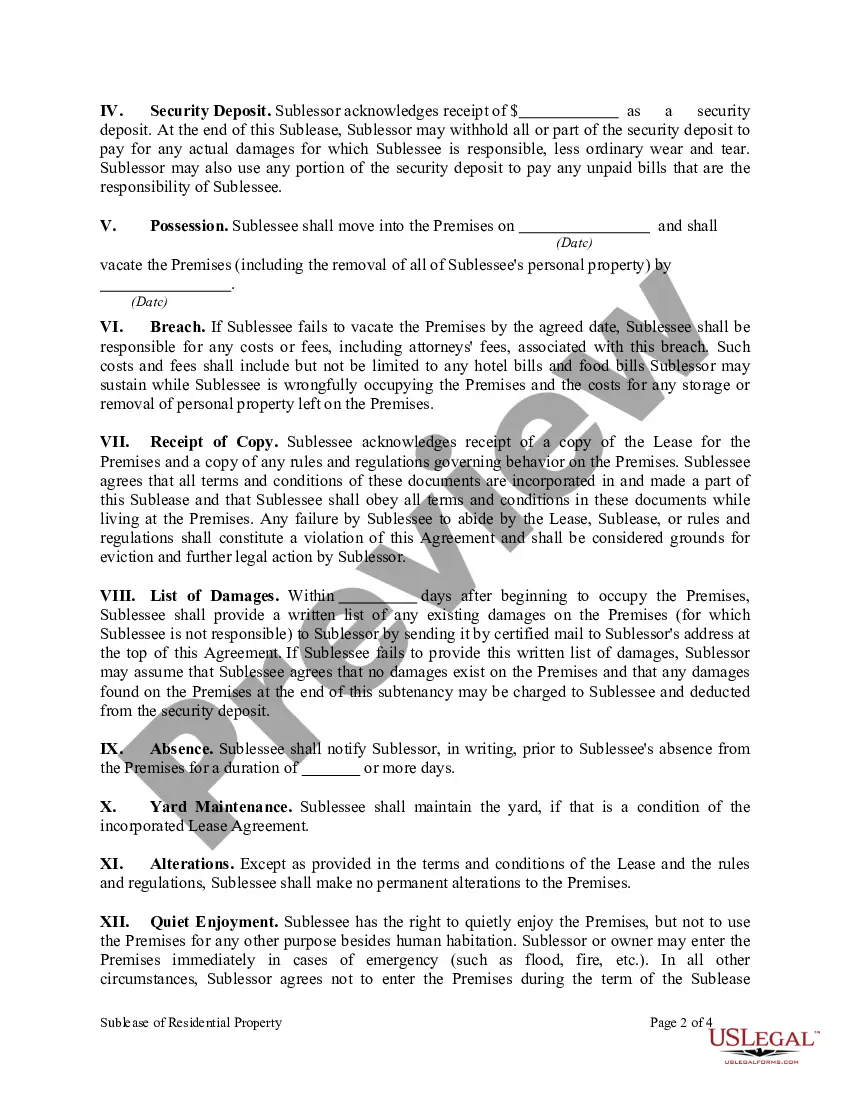
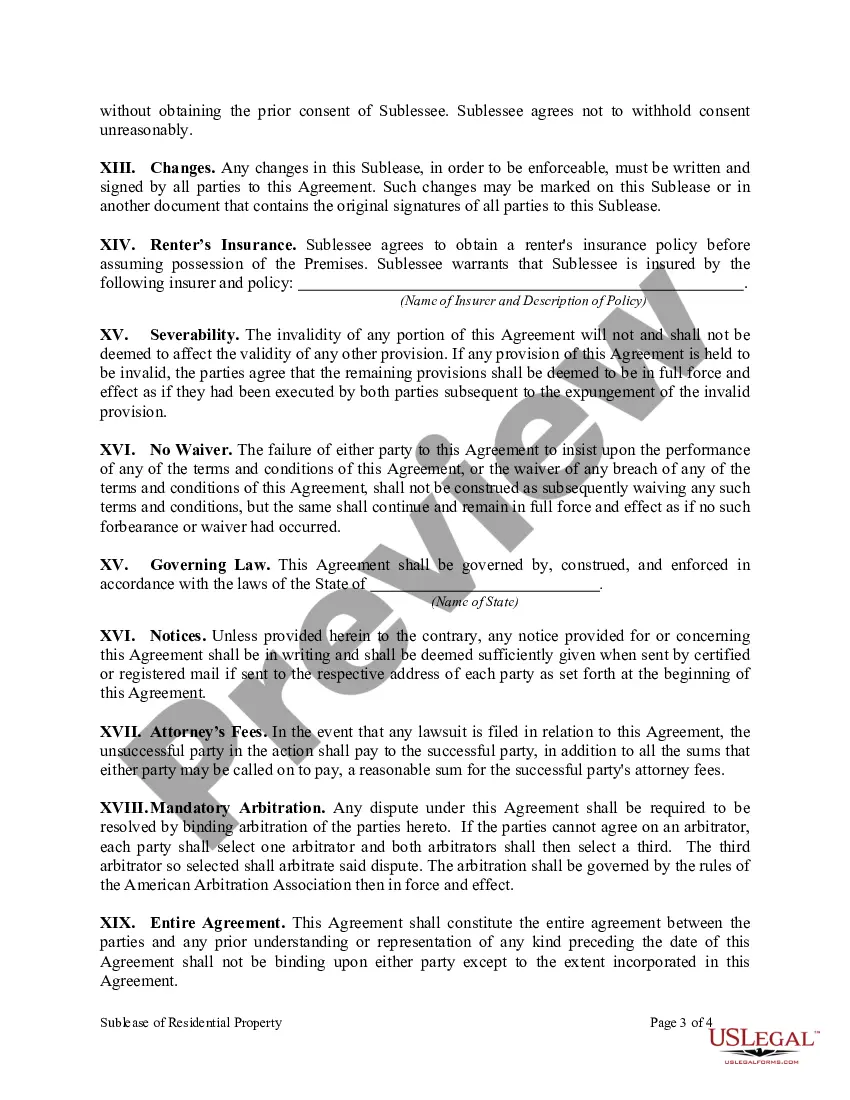
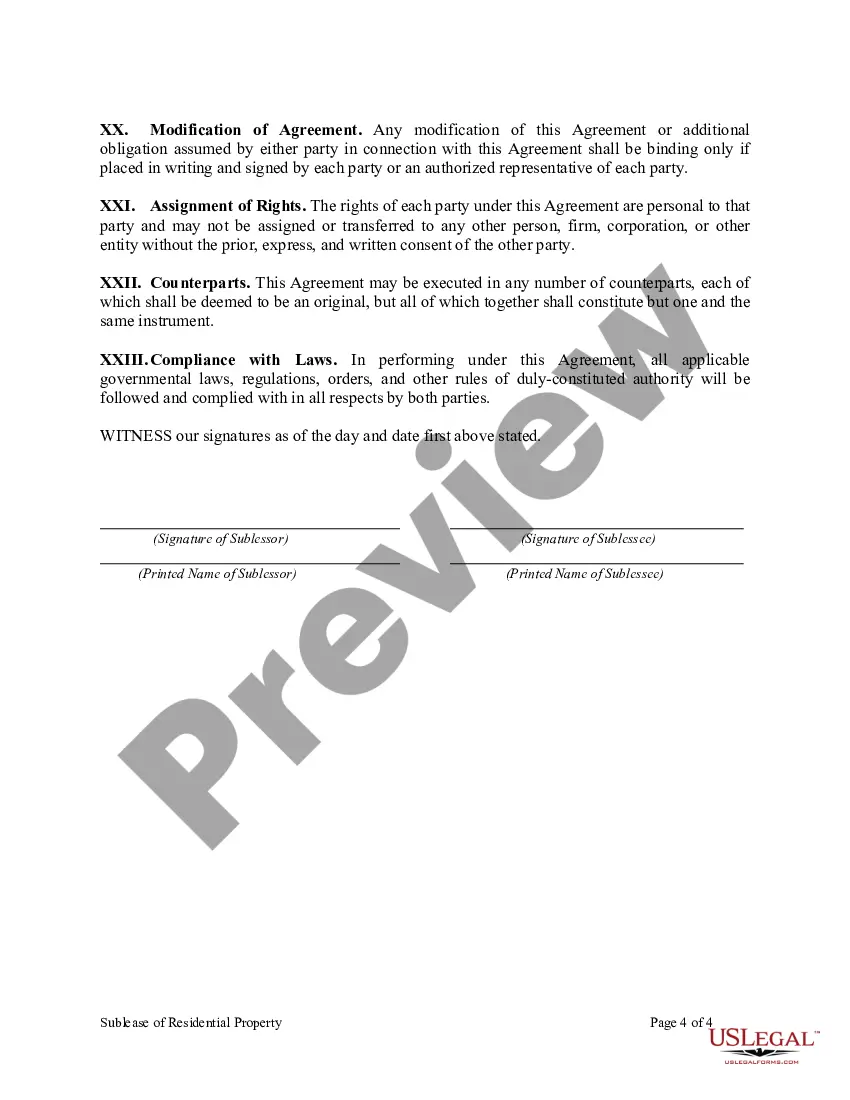
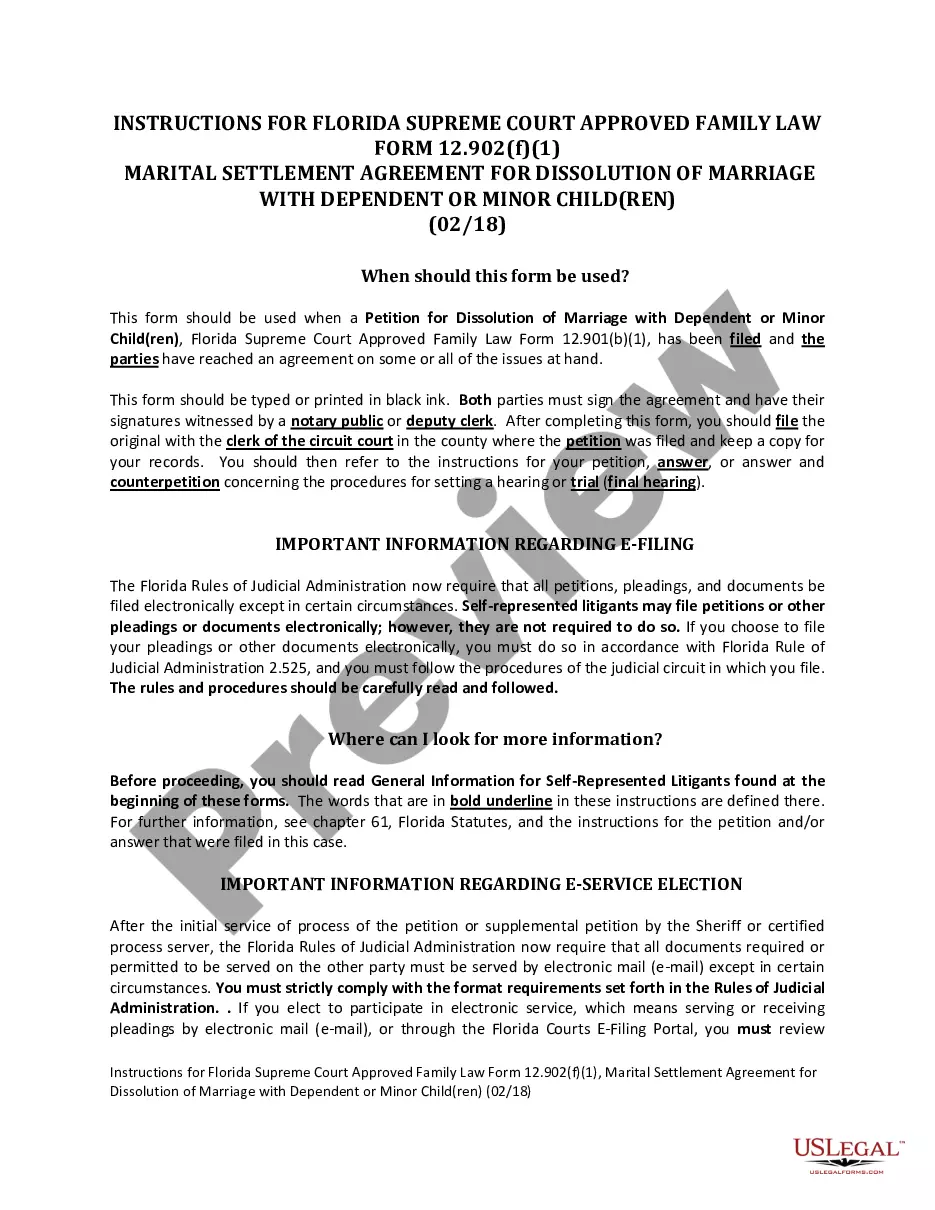
Description


Get your form ready online
Our built-in tools help you complete, sign, share, and store your documents in one place.
Make edits, fill in missing information, and update formatting in US Legal Forms—just like you would in MS Word.
Download a copy, print it, send it by email, or mail it via USPS—whatever works best for your next step.
Sign and collect signatures with our SignNow integration. Send to multiple recipients, set reminders, and more. Go Premium to unlock E-Sign.
If this form requires notarization, complete it online through a secure video call—no need to meet a notary in person or wait for an appointment.
We protect your documents and personal data by following strict security and privacy standards.

Make edits, fill in missing information, and update formatting in US Legal Forms—just like you would in MS Word.

Download a copy, print it, send it by email, or mail it via USPS—whatever works best for your next step.

Sign and collect signatures with our SignNow integration. Send to multiple recipients, set reminders, and more. Go Premium to unlock E-Sign.

If this form requires notarization, complete it online through a secure video call—no need to meet a notary in person or wait for an appointment.

We protect your documents and personal data by following strict security and privacy standards.
Looking for another form?







Form popularity
FAQ
You don't need a permit to build a shed if it meets all of these criteria: The total area (or “footprint”) of the shed's roof is 120 square feet or less. The shed is a single-story building. The shed sits on a simple concrete slab, pier blocks, or soil.
You will almost certainly need a permit to run electricity to a shed or outbuilding. This is another area where your professional electrician can help you out. A Washington State Labor and Industries website states: Whoever is performing the electrical work is responsible to obtain a permit before starting the work.
What size shed can I build without having to get a permit? Garden sheds that are larger than 200 square feet require a permit. Any size shed built in a mobile home park or multi-family zone is required to have a permit.
Garden sheds that are larger than 200 square feet require a permit. Any size shed built in a mobile home park or multi-family zone is required to have a permit.
Residential real estate: Any property used for residential purposes. Examples include single-family homes, condos, cooperatives, duplexes, townhouses, and multifamily residences.
Please note, Sheds and/or Structures under 120 square feet do require a Planning Permit.
Residential real estate: Any property used for residential purposes. Examples include single-family homes, condos, cooperatives, duplexes, townhouses, and multifamily residences.
Most commercial properties are depreciated over 39 years, straight-line, but residential properties can be depreciated over 27.5 years straight-line as dictated by the current U.S. Tax Code. However, certain building components, as well as certain land improvements, qualify for shorter depreciable lives.
Residential. Single-family homes make up most of this category, but it also includes multi-family homes and condominiums, among others.
Residential rental properties consist of single-family homes, condominiums, townhouses, apartments, and multifamily buildings. These properties are primarily used for residential purposes, offering individuals and families a place to live.
