Sublease Property Agreement Without Landlord's Permission In Alameda
Description

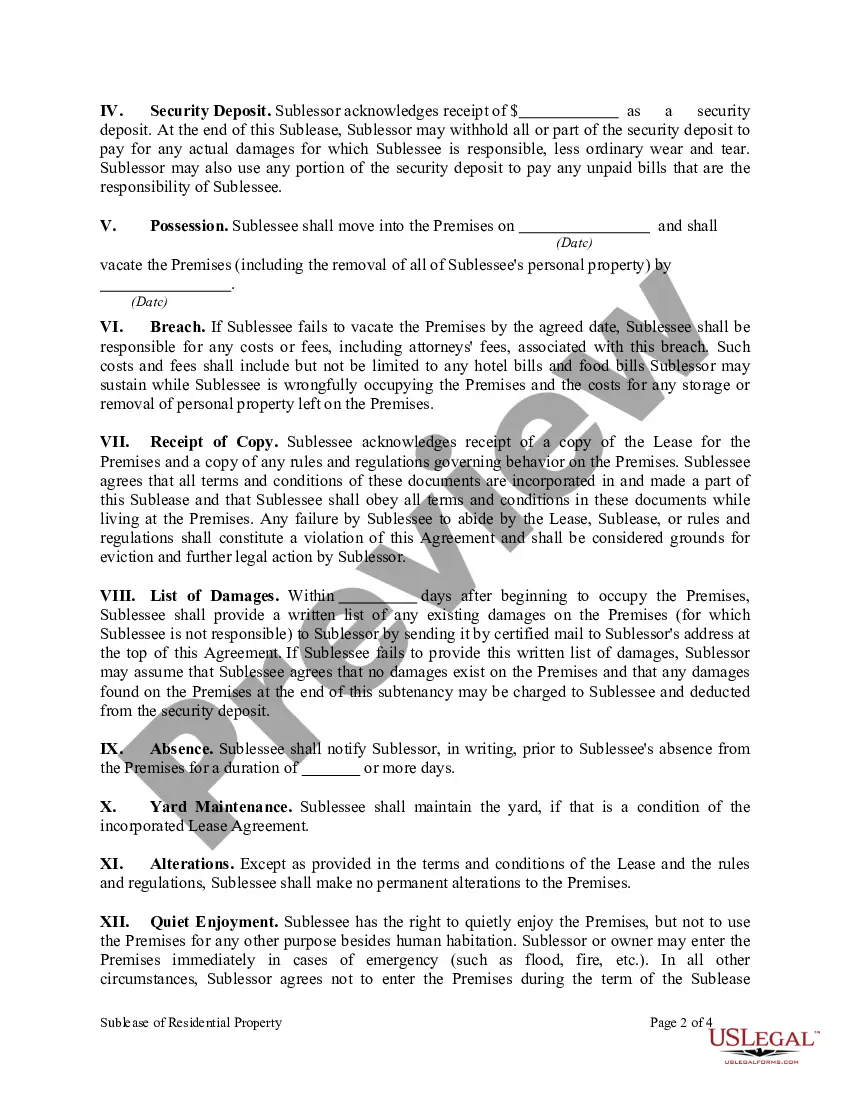
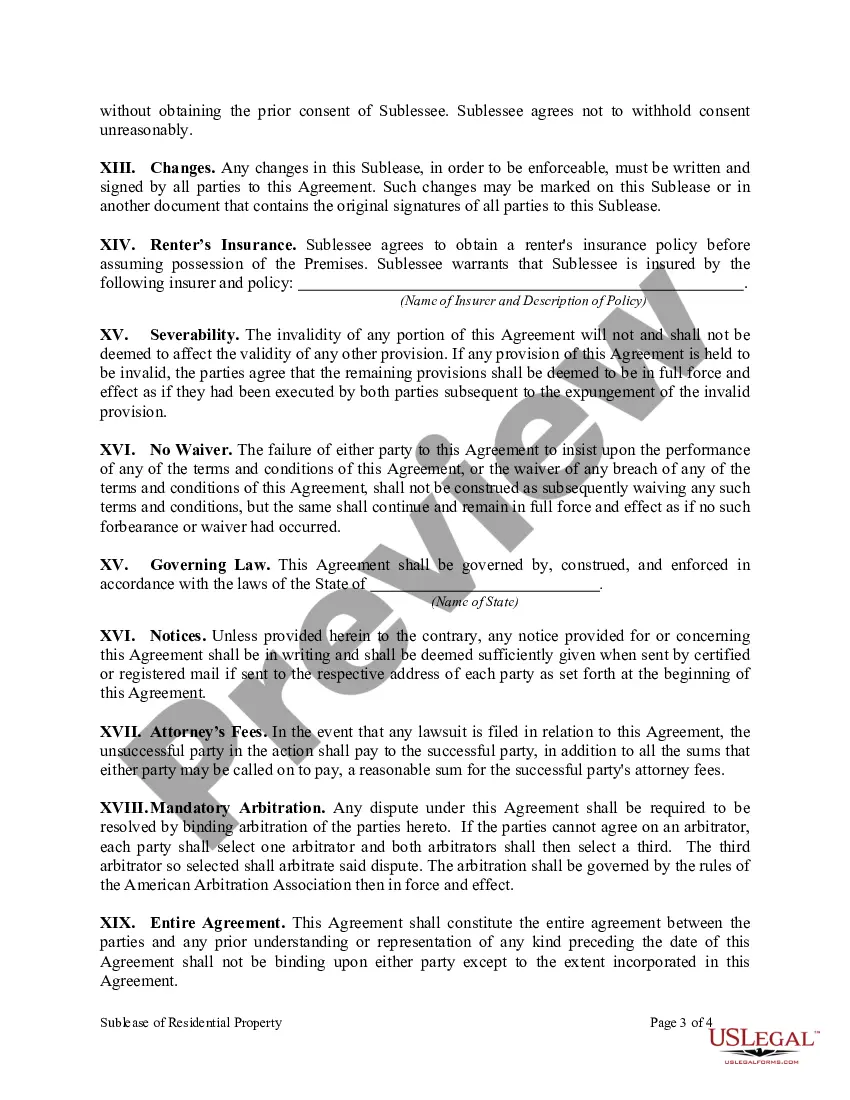
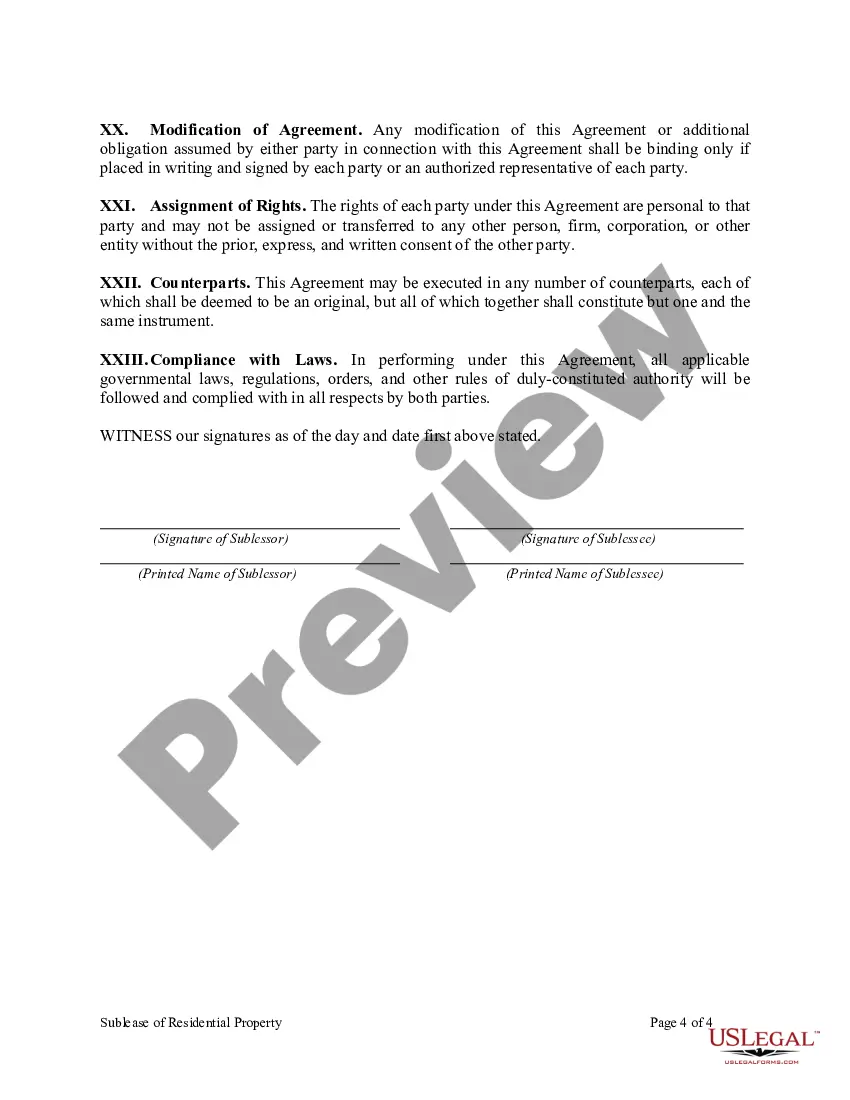

Get your form ready online
Our built-in tools help you complete, sign, share, and store your documents in one place.
Make edits, fill in missing information, and update formatting in US Legal Forms—just like you would in MS Word.
Download a copy, print it, send it by email, or mail it via USPS—whatever works best for your next step.
Sign and collect signatures with our SignNow integration. Send to multiple recipients, set reminders, and more. Go Premium to unlock E-Sign.
If this form requires notarization, complete it online through a secure video call—no need to meet a notary in person or wait for an appointment.
We protect your documents and personal data by following strict security and privacy standards.

Make edits, fill in missing information, and update formatting in US Legal Forms—just like you would in MS Word.

Download a copy, print it, send it by email, or mail it via USPS—whatever works best for your next step.

Sign and collect signatures with our SignNow integration. Send to multiple recipients, set reminders, and more. Go Premium to unlock E-Sign.

If this form requires notarization, complete it online through a secure video call—no need to meet a notary in person or wait for an appointment.

We protect your documents and personal data by following strict security and privacy standards.
Looking for another form?







Form popularity
FAQ
Subletting Can Impact Property Values Parking becomes difficult, there are higher utility costs, and the neighborhood won't be as appealing to prospective buyers.
A tenant has signed a lease or rental agreement with a landlord. A subtenant, on the other hand, is someone who subleases or rents all or part of the rental property from a tenant, and does not sign a lease or rental agreement with the landlord.
Yes, they can. If you sublet your unit without your landlord's consent, they have the right to ask you to leave. Subletting without permission can be a violation of the lease agreement, and landlords have the authority to enforce the terms of the lease.
In most leases, a Tenant cannot sublease the property without the Landlord's written consent. This means that even if the Landlord has knowledge of the sublease, they can still evict at any time. While the Tenant may believe that their Landlord did not object, it still has to be in writing.
The original tenant becomes the landlord to the subletter. In this situation, the original renter is still a tenant to the unit's landlord, and must comply with the terms of their original lease.
They become legal co-tenants because it is the landlord who offered the lease to the subletter. The original tenant becomes the landlord to the subletter. In this situation, the original renter is still a tenant to the unit's landlord, and must comply with the terms of their original lease.
Engaging in unlawful subletting can lead to eviction. Tenants need explicit written consent from landlords to sublease. Without it, landlords have the right to refuse and take legal action.
Real Property Law Section 226-b in conjunction with the Rent Stabilization Law gives tenants the right to sublease their apartment for a period of two out of every four years. In order to sublease an apartment, it is necessary that prior to the subleasing that the apartment be the tenants' primary residence.
Without the landlord's consent, any sublease might be unenforceable, potentially leading to legal disputes or eviction. Obtaining written permission helps protect all parties involved and ensures the sublease adheres to local laws and regulations.
New York City law does not allow tenants that live in multiple dwellings (3 apartments or more) to sublet apartments for less than thirty days. Tenants must receive permission from their landlord in order to sublet their apartment by following a very technical procedure set forth by RPL 226-b.
