Offer To Sell Sample With Replacement In Virginia
Description
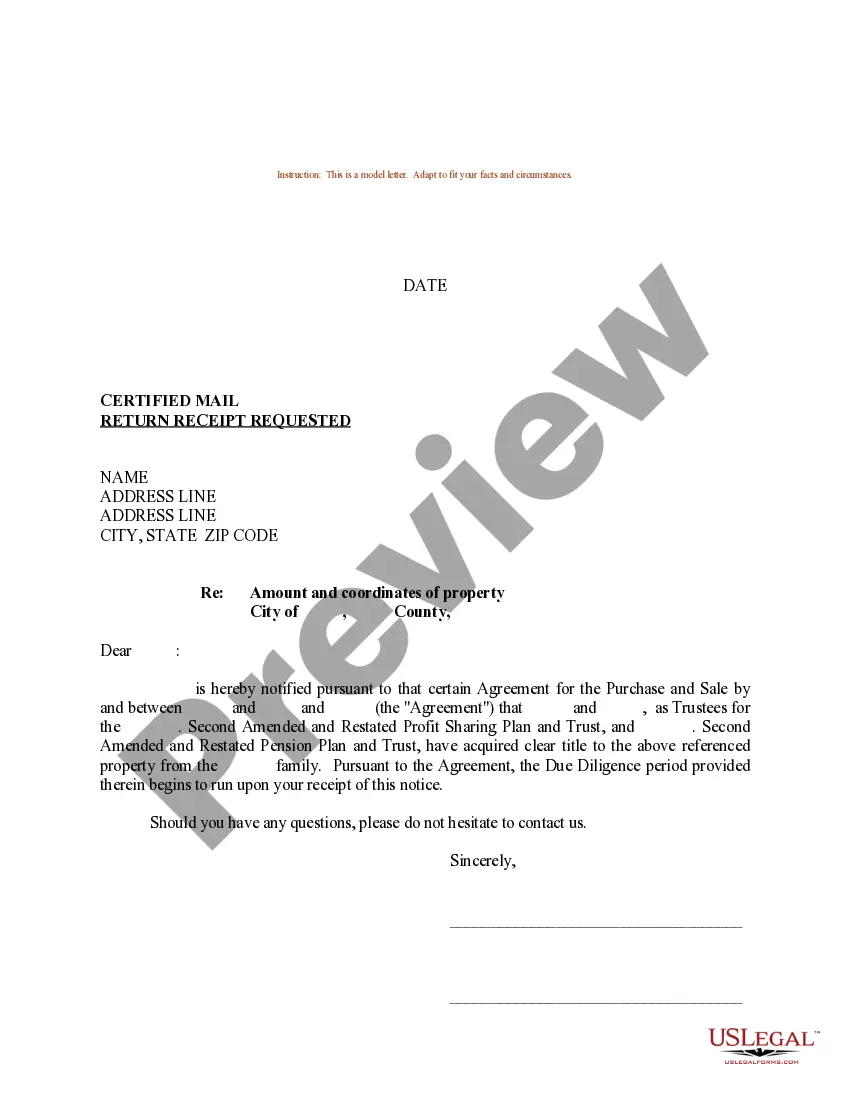
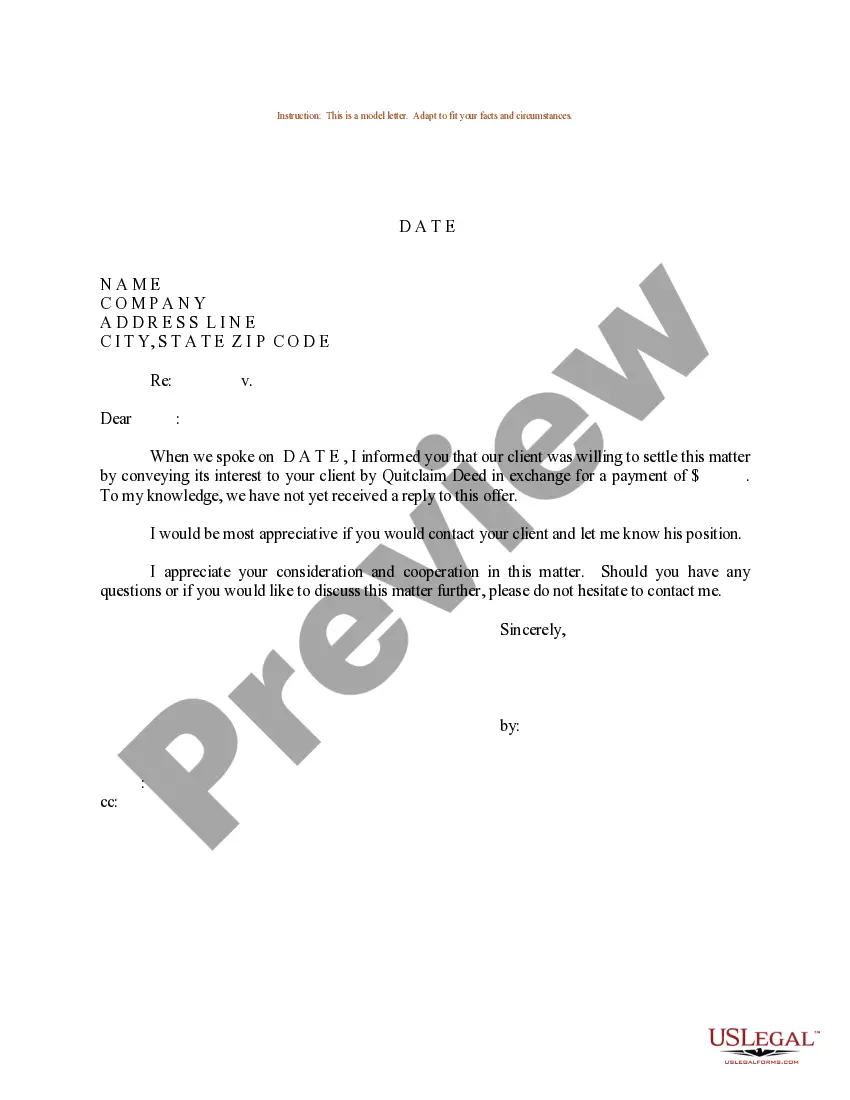
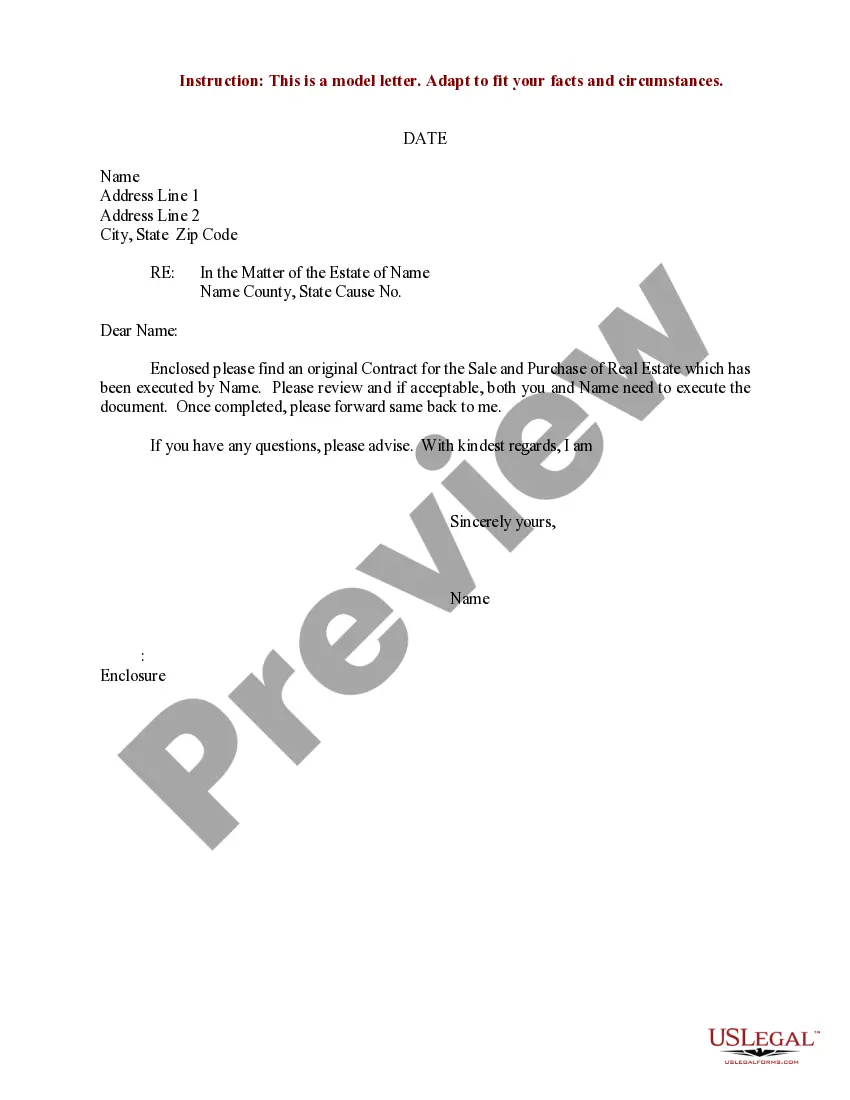
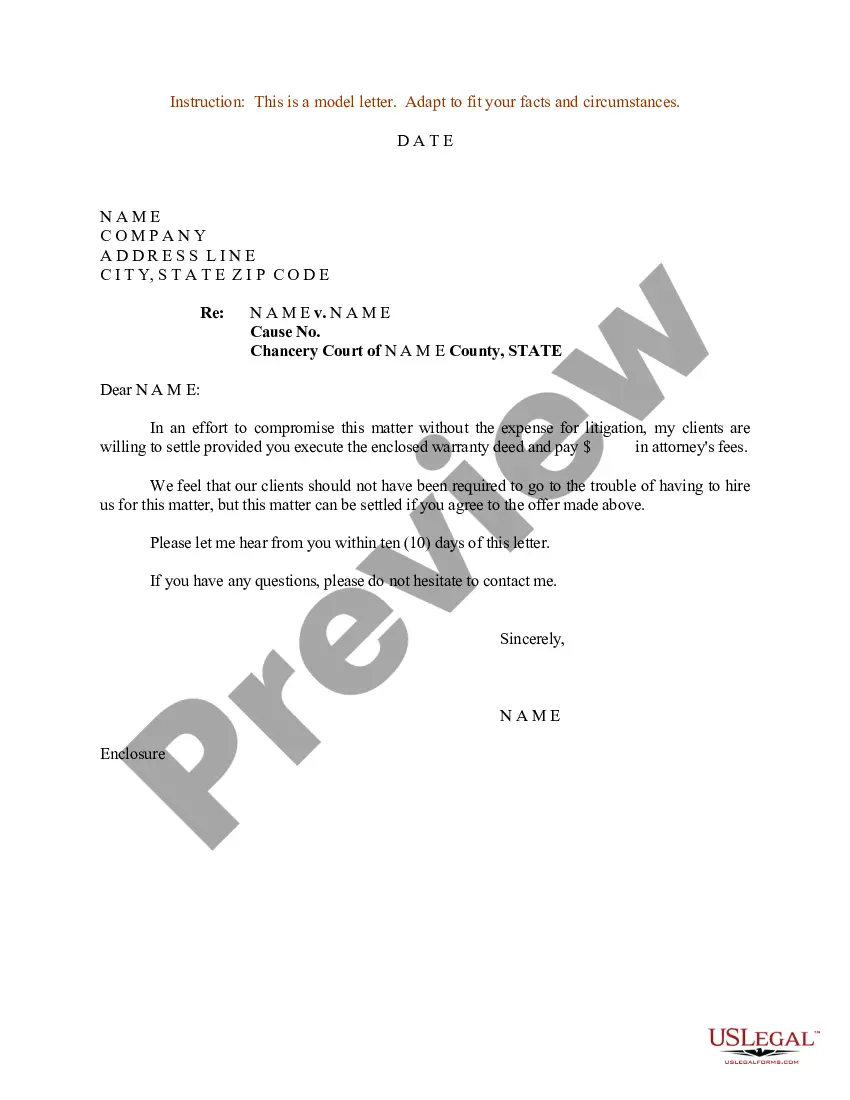
Get your form ready online
Our built-in tools help you complete, sign, share, and store your documents in one place.
Make edits, fill in missing information, and update formatting in US Legal Forms—just like you would in MS Word.
Download a copy, print it, send it by email, or mail it via USPS—whatever works best for your next step.
Sign and collect signatures with our SignNow integration. Send to multiple recipients, set reminders, and more. Go Premium to unlock E-Sign.
If this form requires notarization, complete it online through a secure video call—no need to meet a notary in person or wait for an appointment.
We protect your documents and personal data by following strict security and privacy standards.

Make edits, fill in missing information, and update formatting in US Legal Forms—just like you would in MS Word.

Download a copy, print it, send it by email, or mail it via USPS—whatever works best for your next step.

Sign and collect signatures with our SignNow integration. Send to multiple recipients, set reminders, and more. Go Premium to unlock E-Sign.

If this form requires notarization, complete it online through a secure video call—no need to meet a notary in person or wait for an appointment.

We protect your documents and personal data by following strict security and privacy standards.
Looking for another form?



Form popularity
FAQ
In Virginia, there is no requirement to disclose (or disclaim) whether the property was the site of a homicide, felony, or suicide. These are stigmatizing events, which do not affect the physical nature of the property. Bill hired Larry to sell his home. Bill prefers to communicate with Larry via email.
No, stigmatized property disclosures are not required in Virginia. Which of these transactions is exempt from the disclosure requirements of the Virginia Residential Property Disclosure Act?
However, what matters is this: if the seller of your home intentionally tried to hide serious damage or flaws in the house, there is a chance he or she can be held liable. An experienced Virginia residential law attorney can hold the seller accountable for your defective Virginia home.
If the will “directs” the Executor to sell, then he or she can and by direction in the will should sell the property; and the Executor may consummate the sale, without involving the beneficiaries of the real estate.
The Virginia Residential Property Disclosure Act (§ 55.1-700 et seq. of the Code of Virginia) governs the information owners must disclose to prospective purchasers of residential real property. Certain residential property transfers are excluded from the requirements (see § 55.1-702).
Final answer: The answer to the student's question is that repairs that comply with building code do not need to be disclosed on the real property transfer disclosure form, as they are standard property maintenance and meet legal requirements.
Here's an example: Let's say a buyer puts down an offer for $160,000 on a home and another buyer comes along a week later and offers $190,000 instead. If a 72-hour clause has been written into the contract, the original buyer now has 72 hours to make a better offer than $190,000.
A purchaser shall have the right to cancel the contract until midnight of the seventh calendar day following the execution of such contract. If the seventh calendar day falls on a Sunday or legal holiday, then the right to cancel the contract shall expire on the day immediately following that Sunday or legal holiday.
Final answer: A copy of the offer should be given to the prospective buyer both when they sign the offer and when the offer is accepted by the seller; therefore, the correct answer is 'Both I and II'.
- The listing agent must provide the agency disclosure to a seller or landlord prior to entering into a listing agreement. - A seller's or landlord's agent must provide the disclosure to a buyer, buyer's agent, tenant or tenant's agent at the time of first substantive contact.

