House Offer With Conditions In Virginia
Description
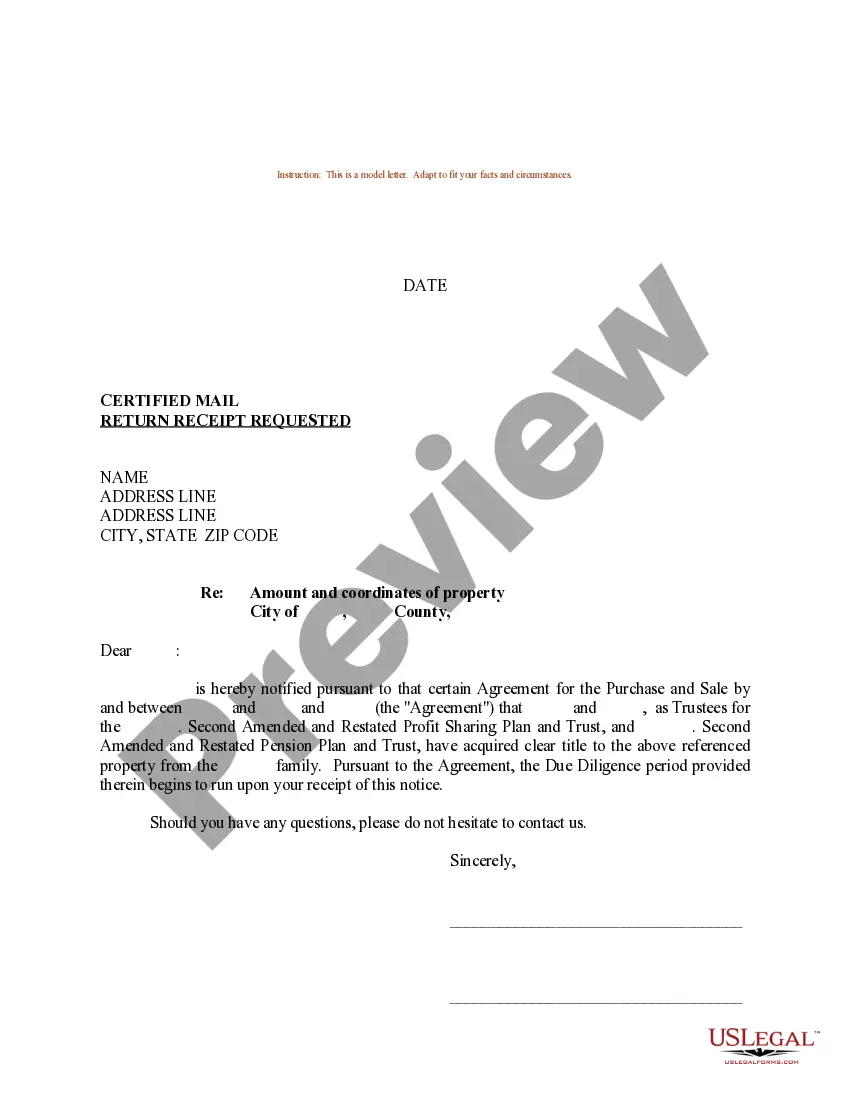
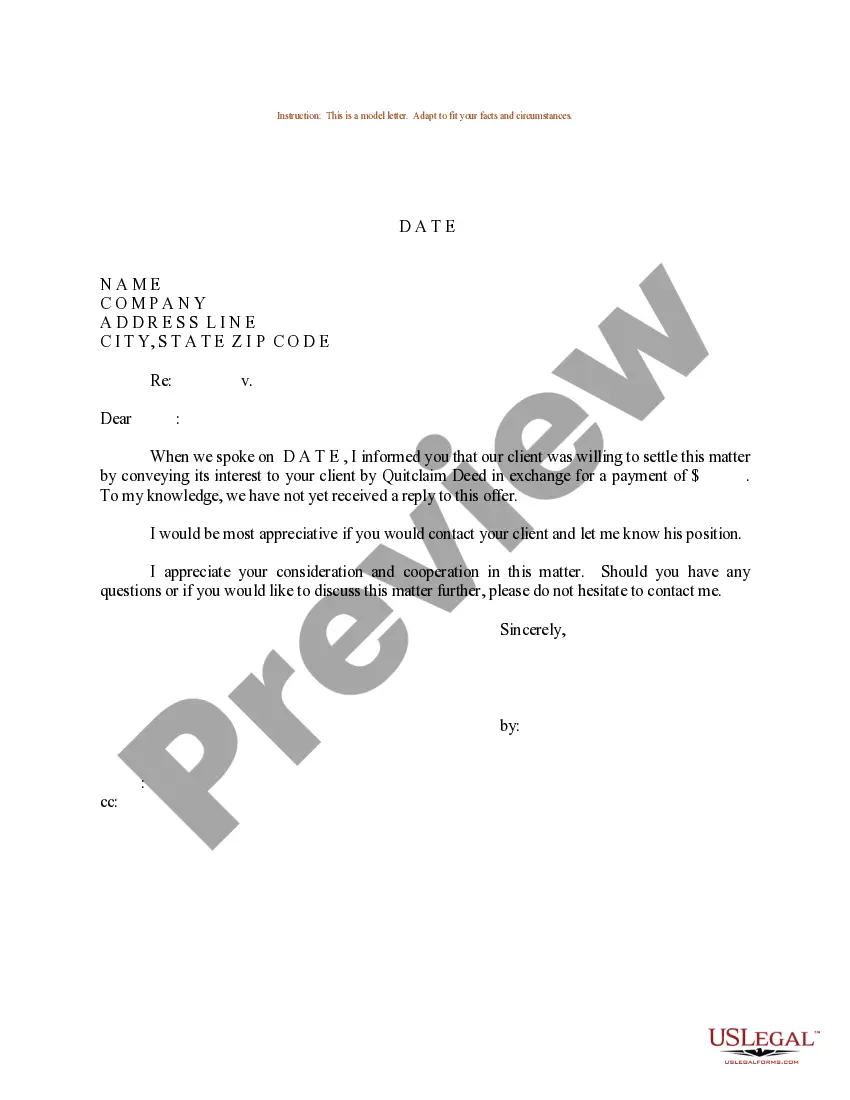
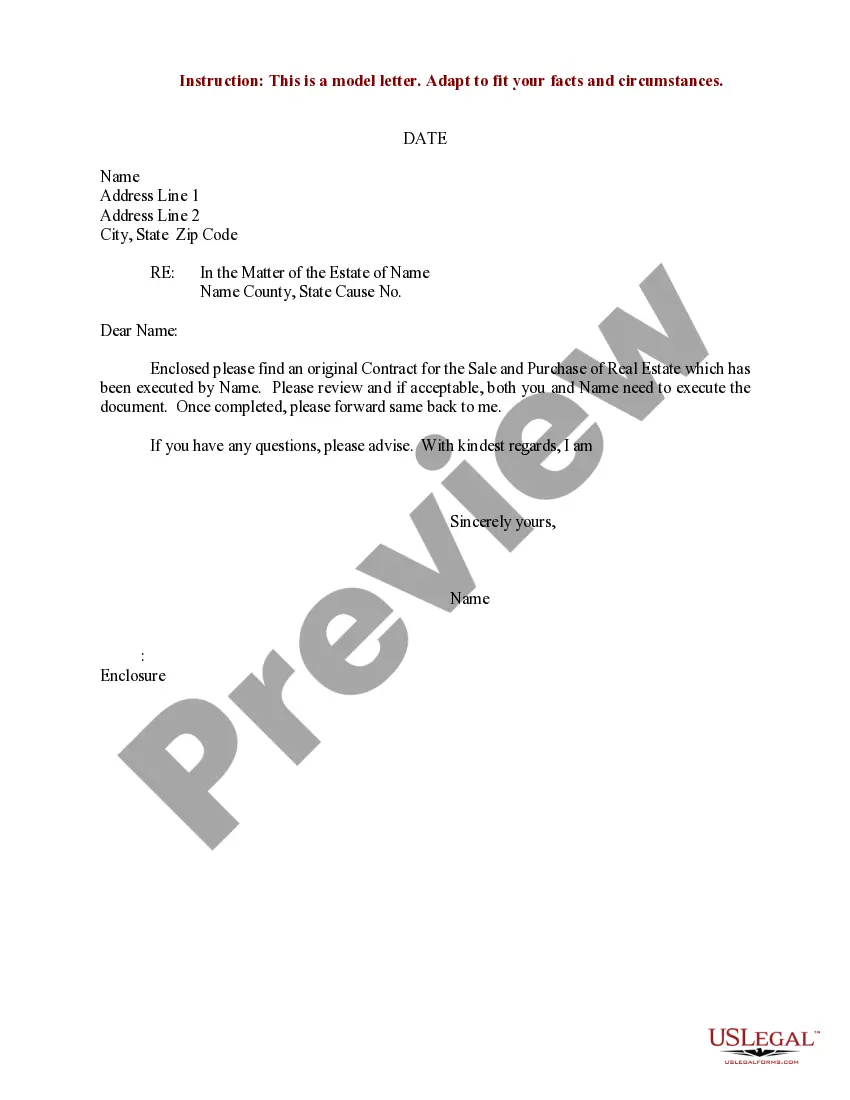

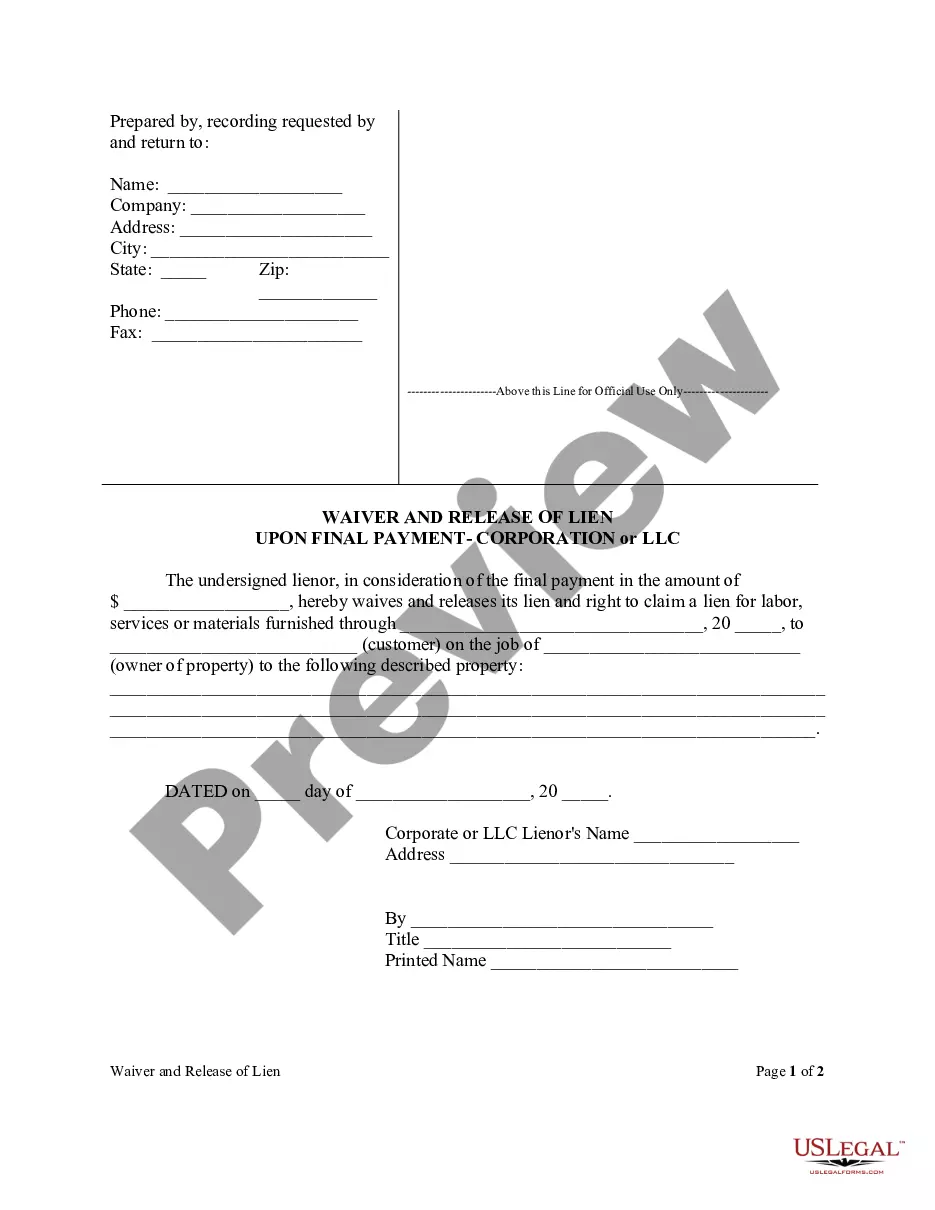
Get your form ready online
Our built-in tools help you complete, sign, share, and store your documents in one place.
Make edits, fill in missing information, and update formatting in US Legal Forms—just like you would in MS Word.
Download a copy, print it, send it by email, or mail it via USPS—whatever works best for your next step.
Sign and collect signatures with our SignNow integration. Send to multiple recipients, set reminders, and more. Go Premium to unlock E-Sign.
If this form requires notarization, complete it online through a secure video call—no need to meet a notary in person or wait for an appointment.
We protect your documents and personal data by following strict security and privacy standards.

Make edits, fill in missing information, and update formatting in US Legal Forms—just like you would in MS Word.

Download a copy, print it, send it by email, or mail it via USPS—whatever works best for your next step.

Sign and collect signatures with our SignNow integration. Send to multiple recipients, set reminders, and more. Go Premium to unlock E-Sign.

If this form requires notarization, complete it online through a secure video call—no need to meet a notary in person or wait for an appointment.

We protect your documents and personal data by following strict security and privacy standards.
Looking for another form?






Form popularity
FAQ
You don't have the job yet: Although delivering additional documents is usually just a formality, receiving a conditional job offer rarely equals signing an employment contract and getting the job. It's important that you take advantage of this time to apply to different jobs just in case.
Most unis give out conditional offers using the grades system, which means you need to achieve specific grades in the exams stated in your Ucas form. If you get an offer of AAB and you get those grades (or higher) in your exams, then you're in!
A conditional offer lets you specify conditions that need to be met before the sale goes through, like getting a building inspection, LIM report, or finance approval. You need to meet those conditions within an agreed timeframe e.g. five working days.
A conditional offer can be legally binding when the candidate formally accepts. To accept a conditional employment offer, the candidate can send a response, either over the phone or via email, that details their understanding of the conditions and their intention to fulfill them.
If you accepted a conditional offer, then the buyer can back out without penalty if those conditions aren't met. If there was an unconditional offer for a lower amount, sometimes it can be better to take the sure thing rather than risk having unmet conditions.
The lesson is that if you enter a conditional contract, and then want to cancel it for non-satisfaction of a condition, you need to be able to clearly demonstrate that the condition could not be satisfied despite your reasonable efforts to ensure that it was.
During the conditional stage, the party who has the condition for their protection, may be able to terminate the Contract. For example, if one of the conditions is that the Purchaser needs a certain amount of finance but the bank won't come to the party, the Purchaser may terminate the Contract.
A purchaser shall have the right to cancel the contract until midnight of the seventh calendar day following the execution of such contract. If the seventh calendar day falls on a Sunday or legal holiday, then the right to cancel the contract shall expire on the day immediately following that Sunday or legal holiday.
Under the Cooling-Off Rule, your right to cancel for a full refund extends until midnight of the third business day after the sale.

