Real Estate Offer Form Massachusetts In Texas
Description
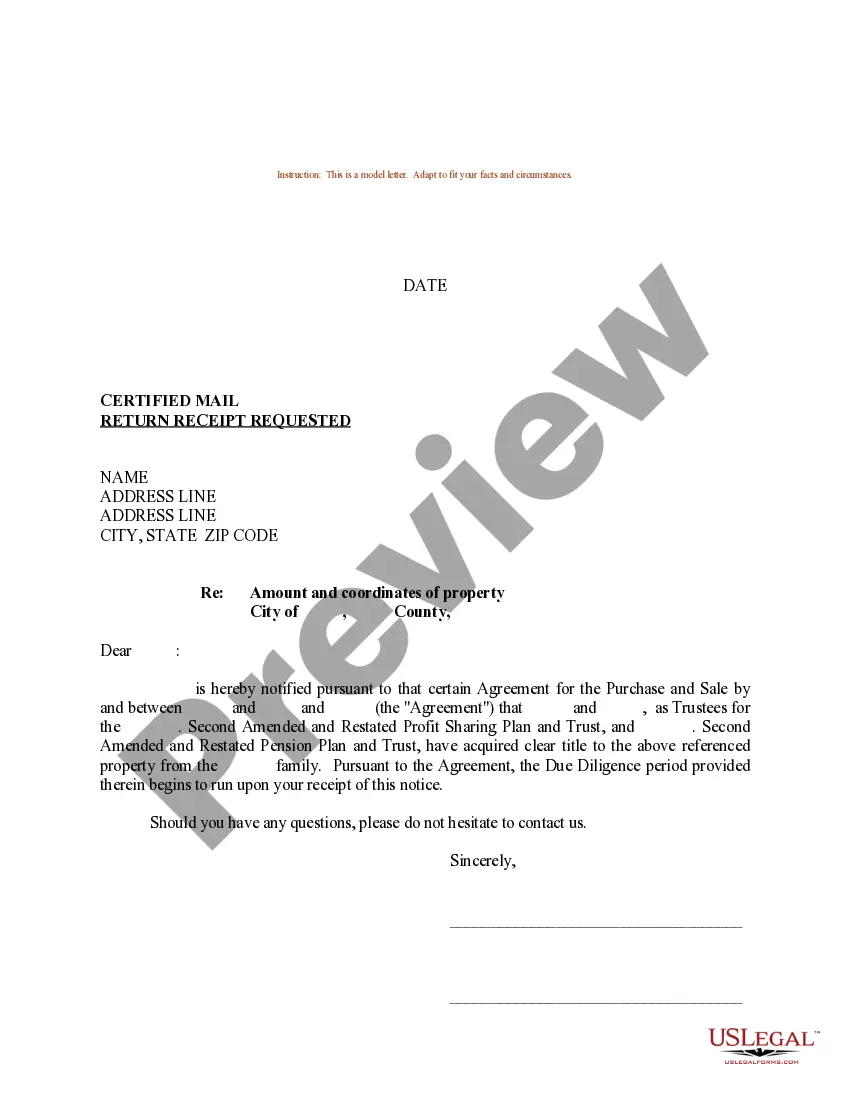
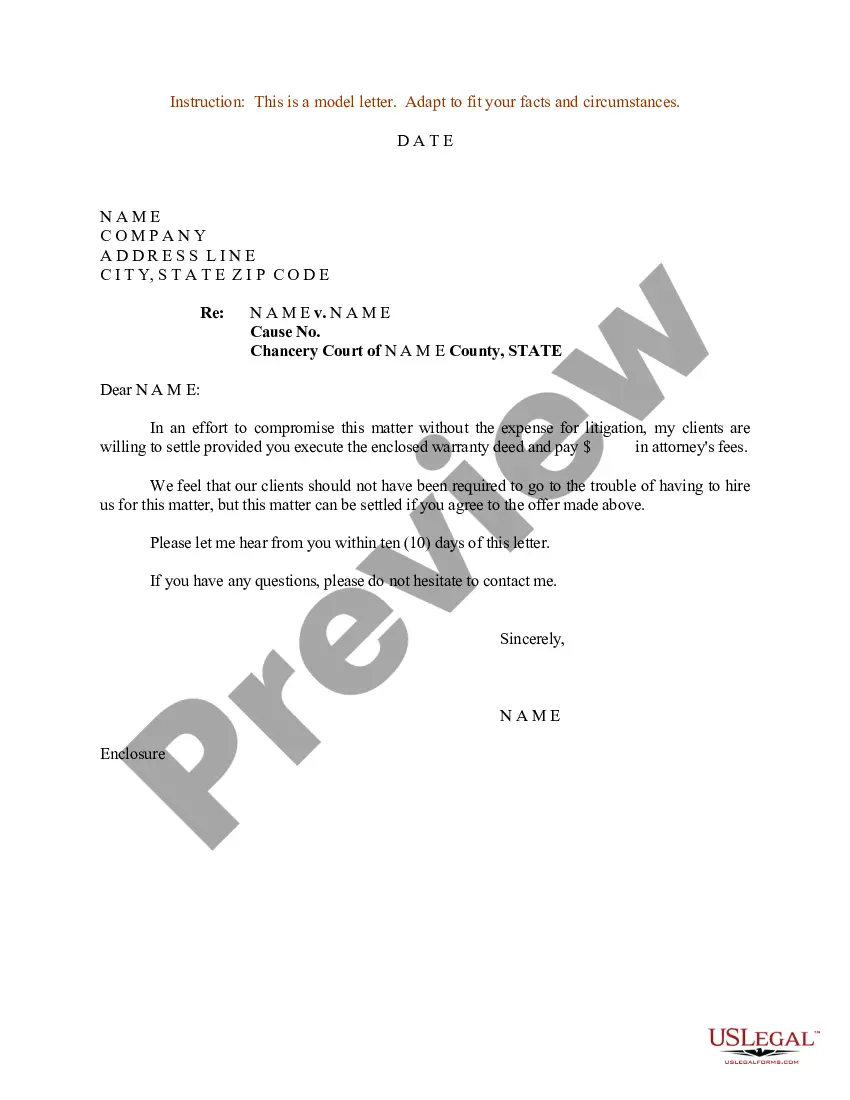
Get your form ready online
Our built-in tools help you complete, sign, share, and store your documents in one place.
Make edits, fill in missing information, and update formatting in US Legal Forms—just like you would in MS Word.
Download a copy, print it, send it by email, or mail it via USPS—whatever works best for your next step.
Sign and collect signatures with our SignNow integration. Send to multiple recipients, set reminders, and more. Go Premium to unlock E-Sign.
If this form requires notarization, complete it online through a secure video call—no need to meet a notary in person or wait for an appointment.
We protect your documents and personal data by following strict security and privacy standards.

Make edits, fill in missing information, and update formatting in US Legal Forms—just like you would in MS Word.

Download a copy, print it, send it by email, or mail it via USPS—whatever works best for your next step.

Sign and collect signatures with our SignNow integration. Send to multiple recipients, set reminders, and more. Go Premium to unlock E-Sign.

If this form requires notarization, complete it online through a secure video call—no need to meet a notary in person or wait for an appointment.

We protect your documents and personal data by following strict security and privacy standards.
Looking for another form?
Form popularity
FAQ
The Real Estate License Act contains provisions that impose requirements on all brokers and agents regarding client communications and negotiations. At a minimum, brokers or agents must … present any offer to or from their client.
ANSWER: While the agent's conduct may not be a clear violation of the Real Estate License Law or the Real Estate Commission's rules, her delay in delivering your client's offer fails to meet the Commission's published guidance. Therefore, her conduct could, if reported, result in discipline.
Article 1, Standard of Practice 1-15 states: “REALTORS®, in response to inquiries from buyers or cooperating brokers shall, with the sellers' approval, disclose the existence of offers on the property.
A Minority of Agents Are Closing the Majority of Deals This phenomenon aligns perfectly with the 80/20 rule in real estate, which states that roughly 80% of an agent's sales come from just 20% of their efforts.
The TREC No. 39-8 form, promulgated by the Texas Real Estate Commission (TREC) on November 2, 2015, is a vital document for these instances. Known as an Amendment to Contract, it specifically addresses the changes both parties—buyer and seller—agree upon after the initial contract was signed.
While some REALTORS® may be reluctant to disclose terms of offers, even at the direction of their seller-clients, the Code of Ethics does not prohibit such disclosure. In some cases state law or real estate regulations may limit the ability of brokers to disclose the existence or terms of offers to third parties.
As public records, contract forms adopted by the Texas Real Estate Commission are available to any person. Real estate license holders are required to use these forms. However, TREC contract forms are intended for use primarily by licensed real estate brokers or sales agents who are trained in their correct use.
Home buyers submit the initial offer on a property, usually in writing. In this day and age, it is unlikely that a seller would consider an offer unless it were in writing and accompanied by a mortgage pre-approval letter. Massachusetts offer also typically have a specific expiration date and time.
Failing to Communicate with Clients The biggest mistake a real estate agent can make, regardless of tenure in the industry, is not properly communicating with their clients.

