Offer For Property Purchase In Sacramento
Description
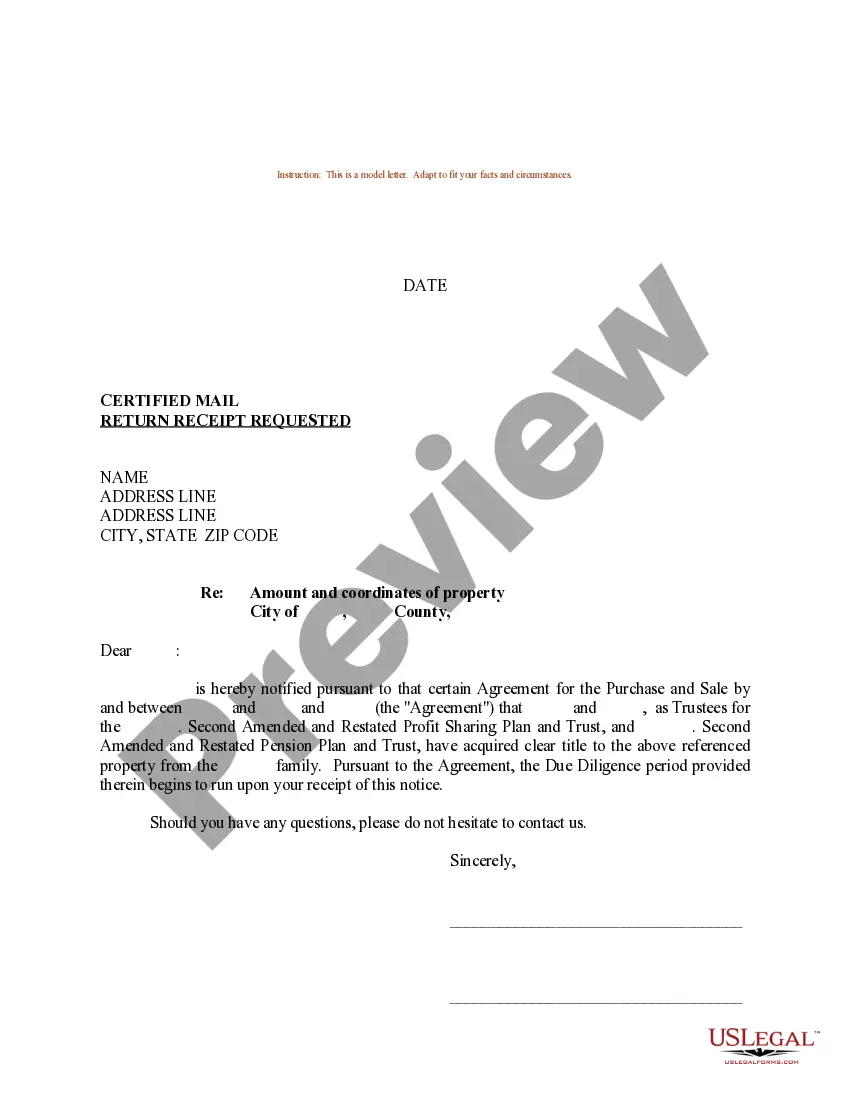
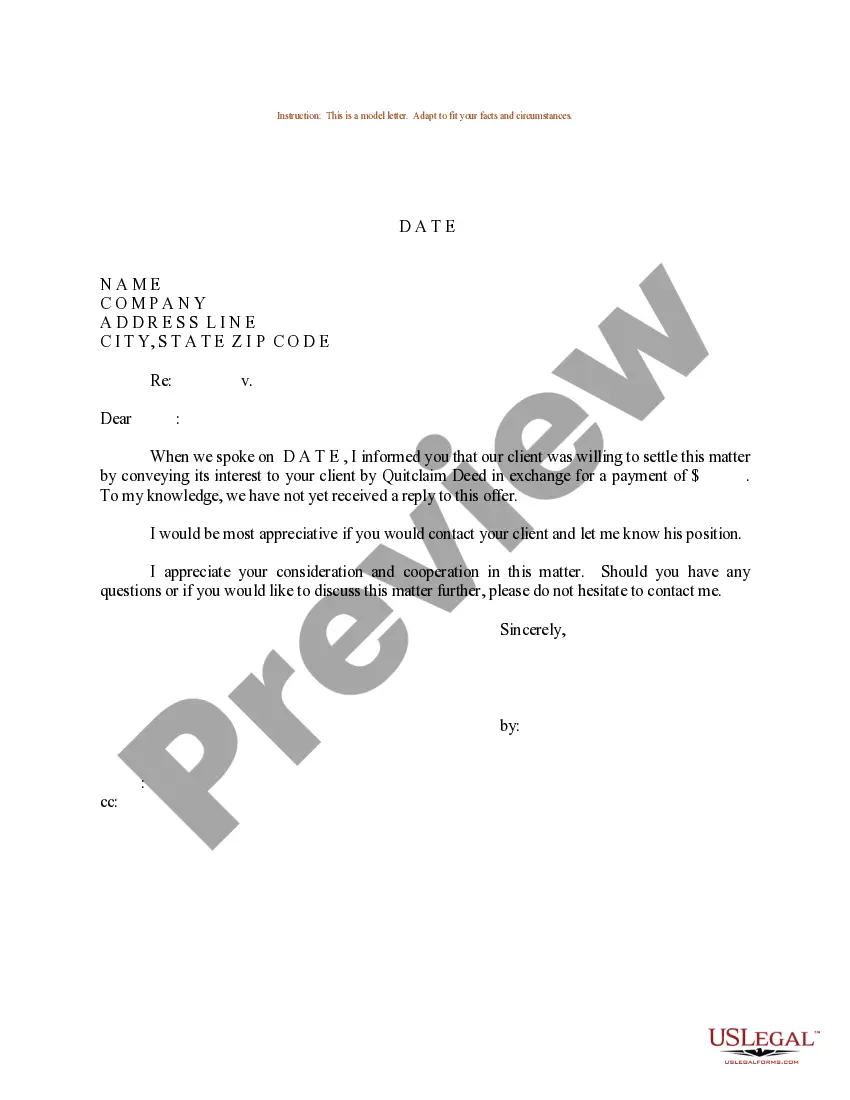
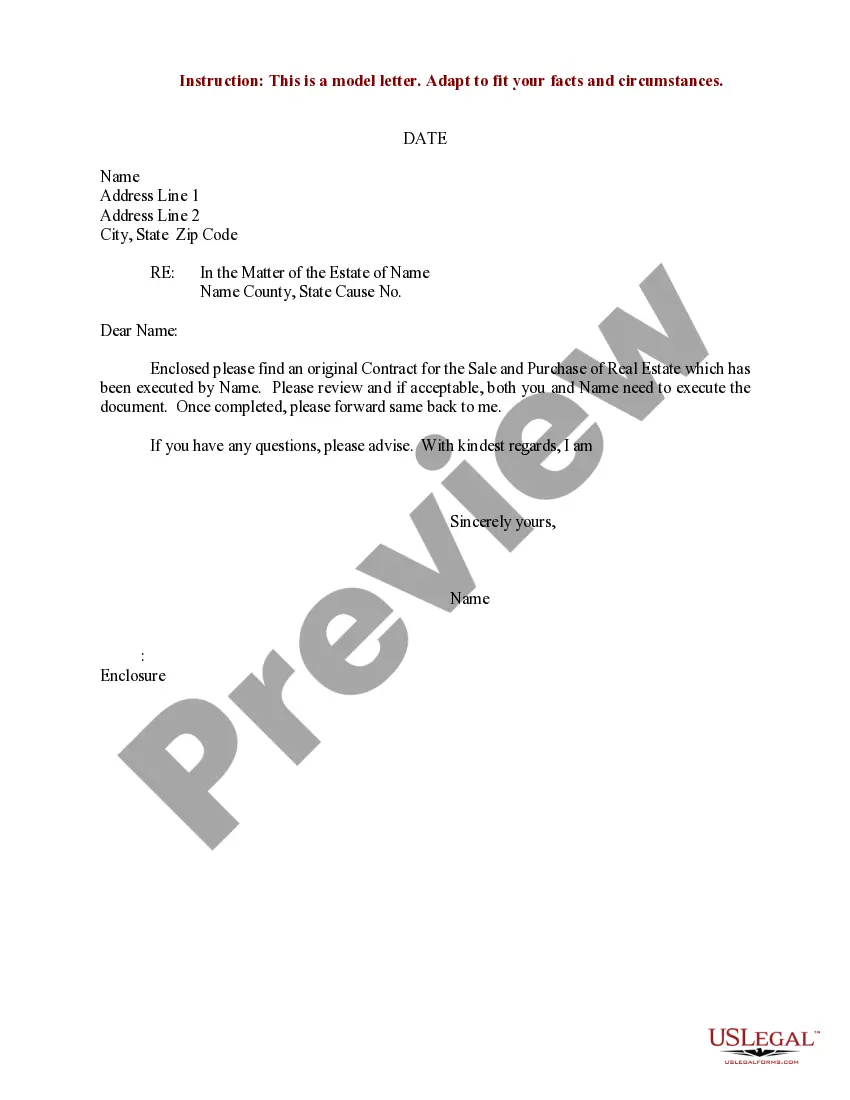
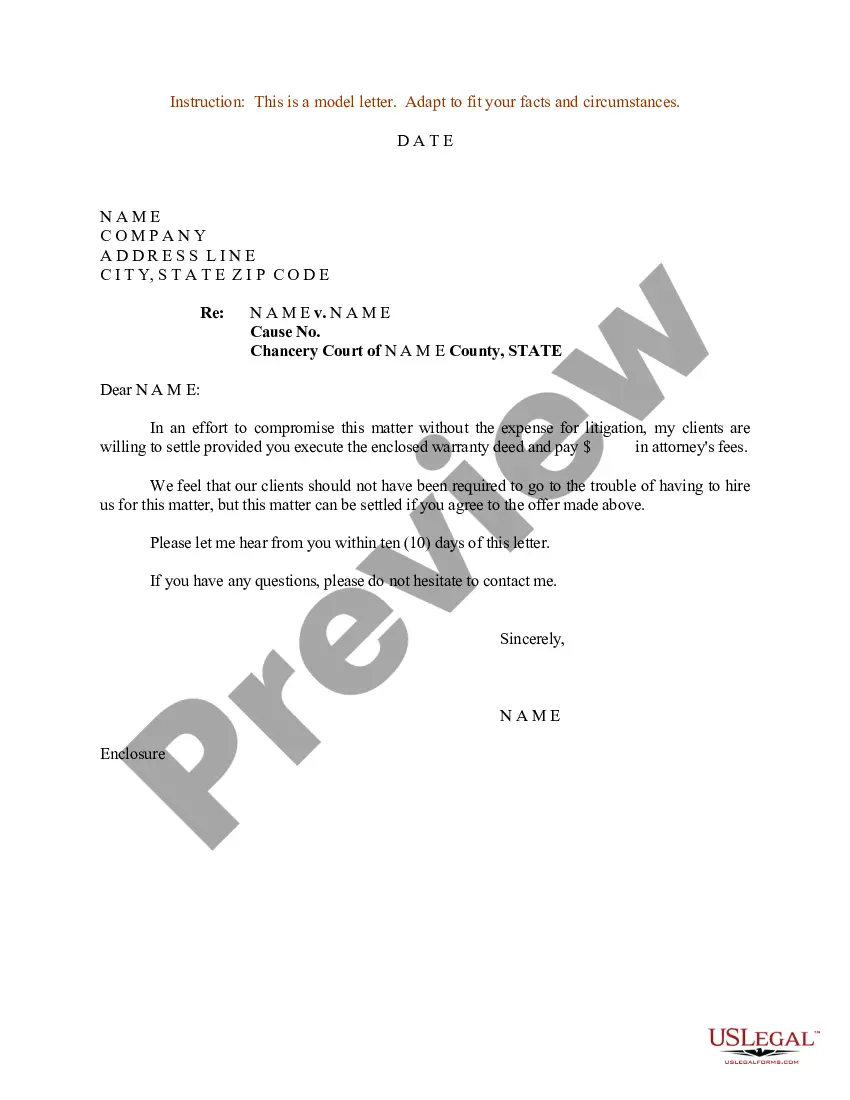
Get your form ready online
Our built-in tools help you complete, sign, share, and store your documents in one place.
Make edits, fill in missing information, and update formatting in US Legal Forms—just like you would in MS Word.
Download a copy, print it, send it by email, or mail it via USPS—whatever works best for your next step.
Sign and collect signatures with our SignNow integration. Send to multiple recipients, set reminders, and more. Go Premium to unlock E-Sign.
If this form requires notarization, complete it online through a secure video call—no need to meet a notary in person or wait for an appointment.
We protect your documents and personal data by following strict security and privacy standards.

Make edits, fill in missing information, and update formatting in US Legal Forms—just like you would in MS Word.

Download a copy, print it, send it by email, or mail it via USPS—whatever works best for your next step.

Sign and collect signatures with our SignNow integration. Send to multiple recipients, set reminders, and more. Go Premium to unlock E-Sign.

If this form requires notarization, complete it online through a secure video call—no need to meet a notary in person or wait for an appointment.

We protect your documents and personal data by following strict security and privacy standards.
Looking for another form?



Form popularity
FAQ
Valid Offer: The offer must be clear and specific. Acceptance: The offeree must accept the offer without modifications. Adequate Consideration: There must be a fair exchange of value between the parties. Legality: The contract's purpose must be lawful.
The basic elements required for the agreement to be a legally enforceable contract are: mutual assent, expressed by a valid offer and acceptance; adequate consideration; capacity; and legality.
There are four essential elements of forming a contract: offer, acceptance, consideration, and intention to create legal relations. Beyond this, the terms of the contract must also be unambiguous, and the parties must have the mental capacity to agree.
The Requirements of an Offer The statement of offer must show intent—The statement must reasonably be interpreted to indicate an intention to enter into a binding agreement. The offer must be communicated to the other party—An agreement cannot exist unless the offer is communicated.
The simple answer is yes, but you must understand the intricacies of placing multiple offers if you want to secure the home of your dreams. In this post, we'll explore various rules and strategies that come into play when submitting offers on multiple properties in California.
After visiting the home and considering their budget, potential buyers will make an offer on a property. This offer is typically delivered by the buyer's agent to the listing agent, and the listing agent passes on the offer to the seller.
It's best to make no more than four offers in total. Work backwards from your maximum so you know how much to increase by. It's usually advisable that the second offer is the biggest jump up. If possible, each time they reject, say that you need to go away and think about whether you want to make another bid or not.
Article 1, Standard of Practice 1-15 states: “REALTORS®, in response to inquiries from buyers or cooperating brokers shall, with the sellers' approval, disclose the existence of offers on the property.
“In a buyer's market, I would not hesitate to submit an offer that's around 10% below asking,” advises Chris Cloud of Exit Heritage Realty in Haymarket, VA. “Most sellers will at least see that as worthy of a counteroffer.”

