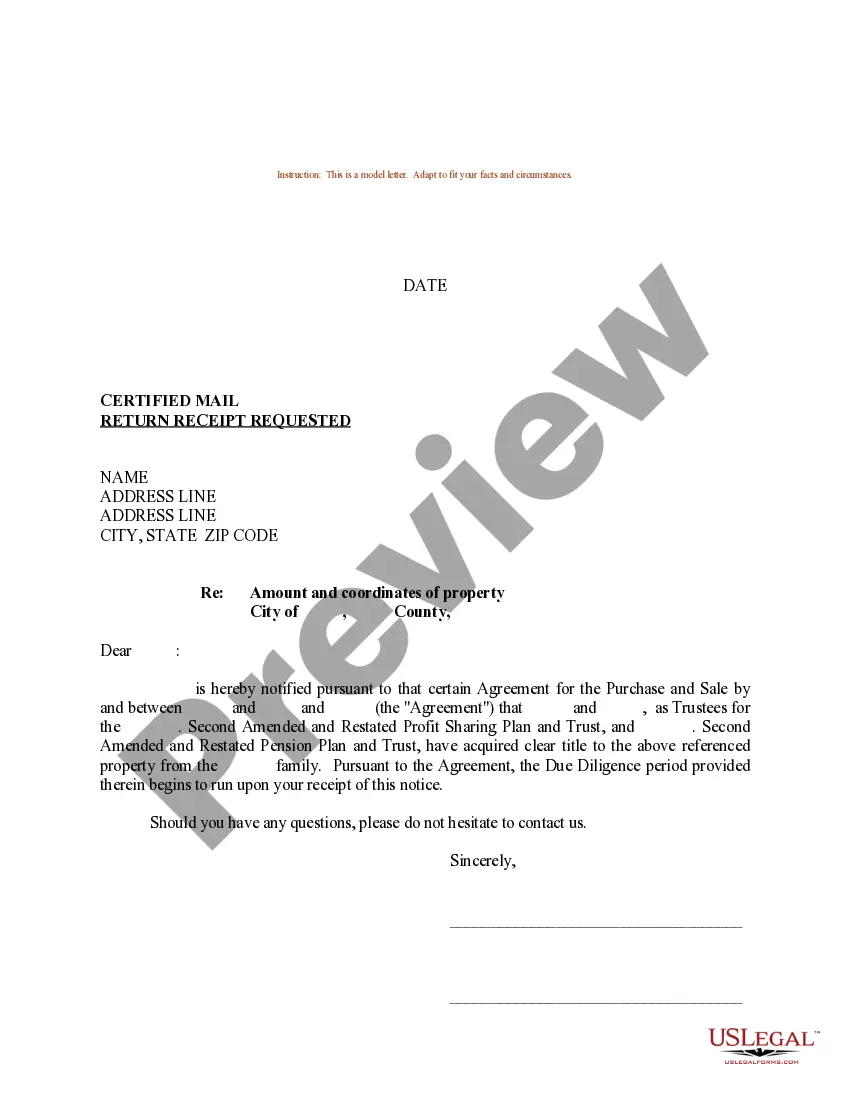
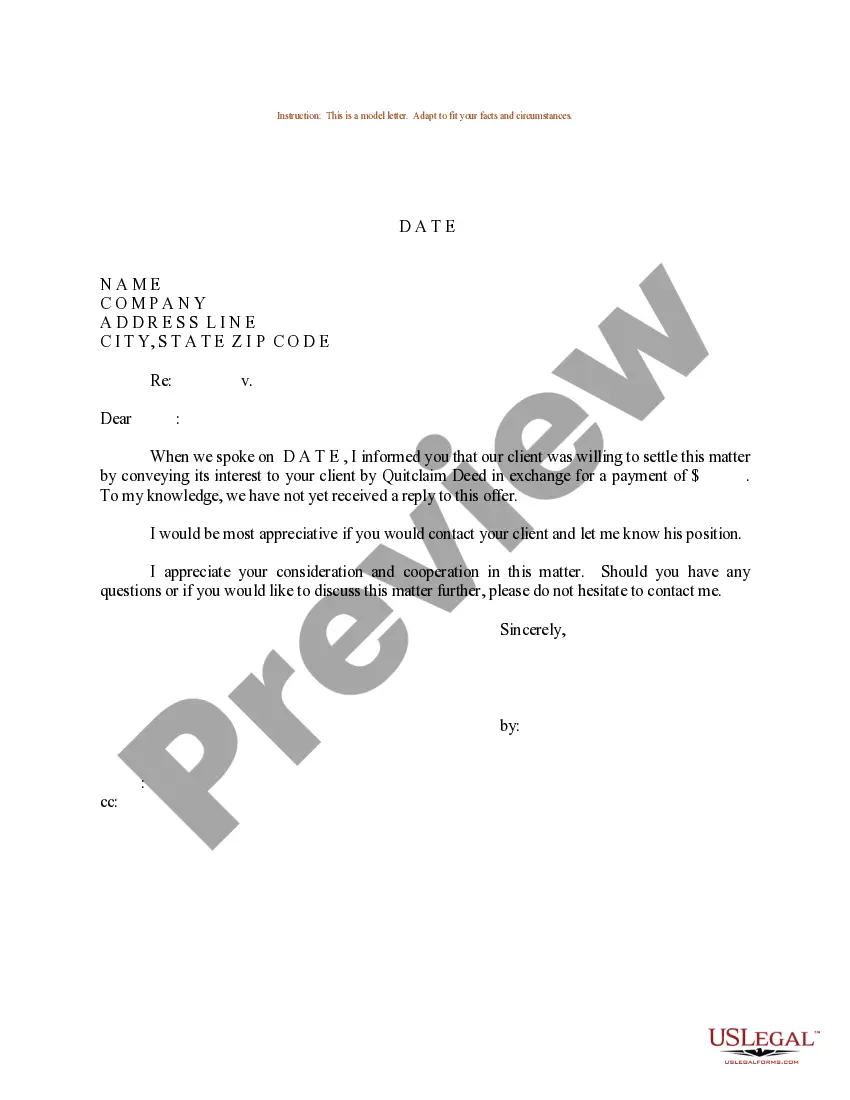
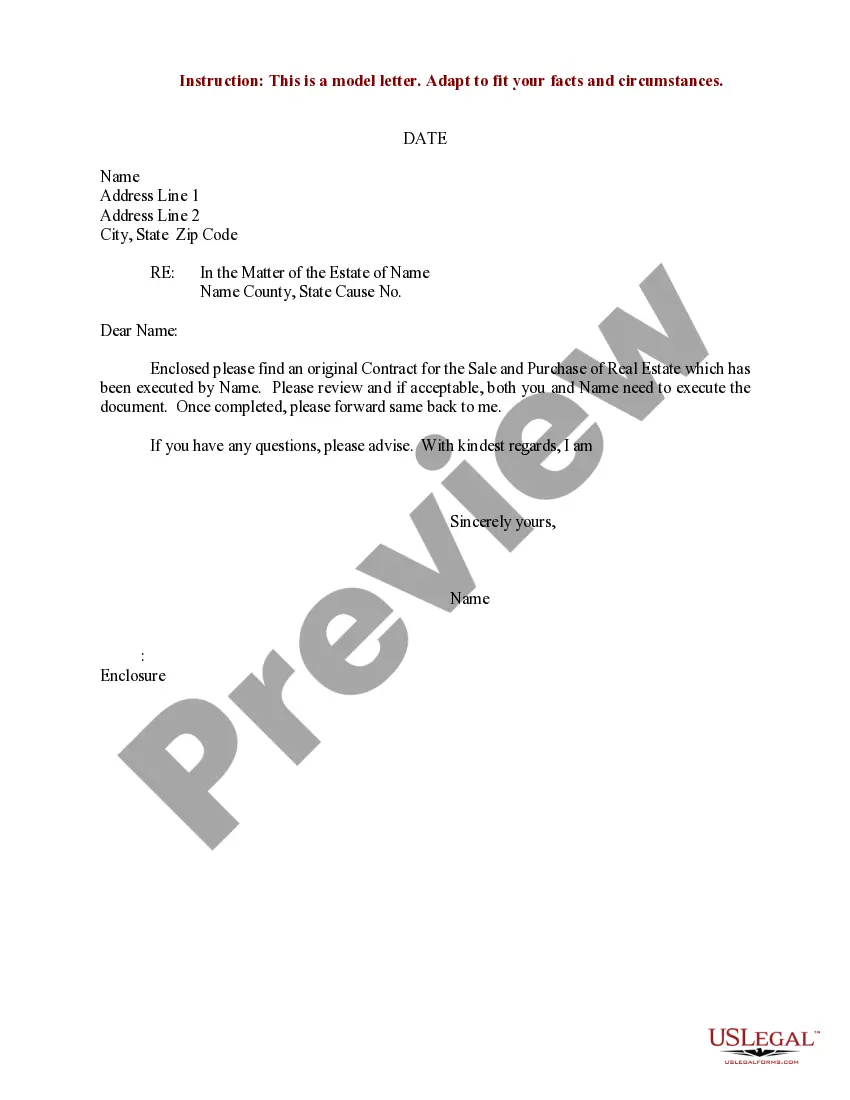
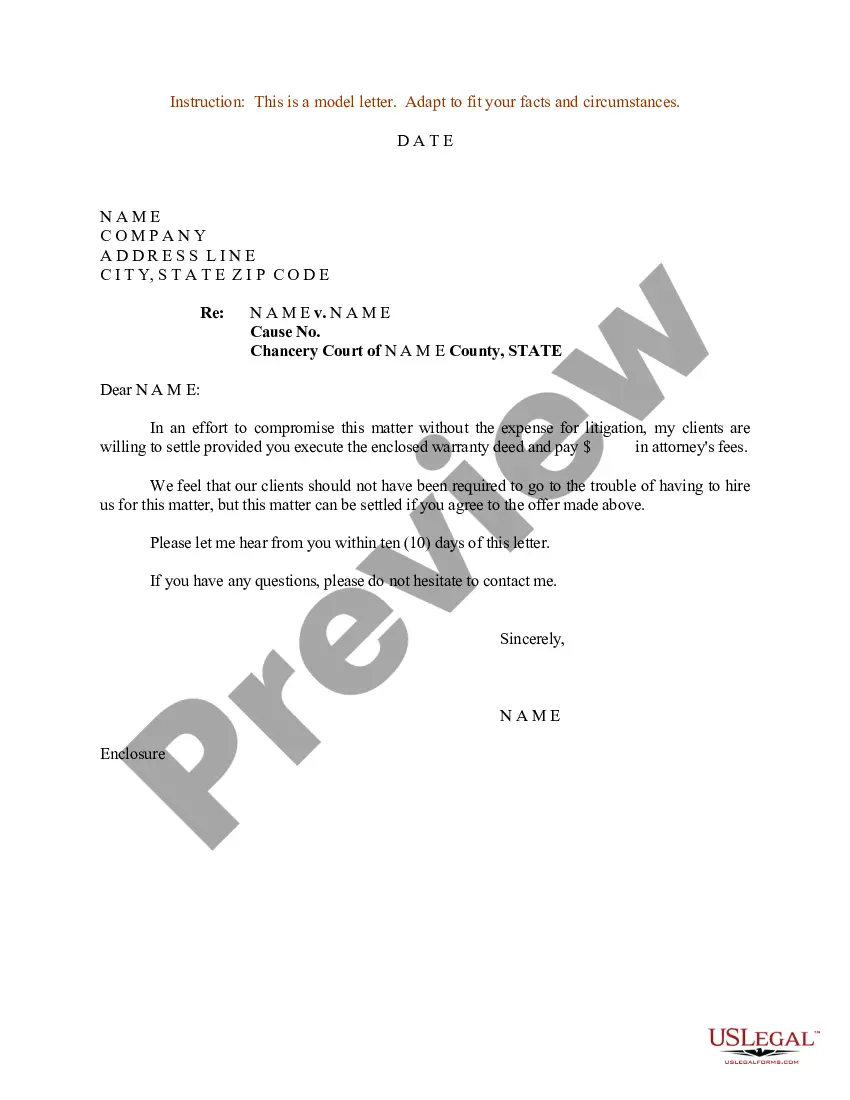
Offer For Property Letter Template In Queens
Description
Get your form ready online
Our built-in tools help you complete, sign, share, and store your documents in one place.
Make edits, fill in missing information, and update formatting in US Legal Forms—just like you would in MS Word.
Download a copy, print it, send it by email, or mail it via USPS—whatever works best for your next step.
Sign and collect signatures with our SignNow integration. Send to multiple recipients, set reminders, and more. Go Premium to unlock E-Sign.
If this form requires notarization, complete it online through a secure video call—no need to meet a notary in person or wait for an appointment.
We protect your documents and personal data by following strict security and privacy standards.

Make edits, fill in missing information, and update formatting in US Legal Forms—just like you would in MS Word.

Download a copy, print it, send it by email, or mail it via USPS—whatever works best for your next step.

Sign and collect signatures with our SignNow integration. Send to multiple recipients, set reminders, and more. Go Premium to unlock E-Sign.

If this form requires notarization, complete it online through a secure video call—no need to meet a notary in person or wait for an appointment.

We protect your documents and personal data by following strict security and privacy standards.
Looking for another form?









Form popularity
FAQ
Yes, it can be appropriate and even thoughtful to write a letter to the seller when making an offer on their house. A well-crafted letter can express your genuine interest, explain why you love the property, and provide some personal background. Keep it respectful and focused on your enthusiasm for the home.
Tips For Writing An Offer Letter For a House Confirm You Can Submit A Letter. Address The Seller(s) By Name And Introduce Yourself. Highlight What You Like Best About The House. Keep It Short. Avoid Talking About Planned Changes To The House. Don't Talk About Financials. End With A Thank You. Proofread Your Letter.
Many a real estate coach have said that handwritten letters are an effective tool a real estate professional can use to stand out from the competition and make a lasting impression on their clients.
Key Takeaways: Buyer love letters can put sellers at risk of violating fair housing laws. Sending photos or videos can create additional risk. Listing agents should document all offers received and the seller's objective reason for accepting an offer.
If the buyer is not working with a real estate agent and does not have representation, the offer would come directly from the buyer. Represented buyers can also write their own offer letter and have their agent submit it for them.
Know your state law: California law doesn't prohibit such letters written by a potential buyer or renter to the seller or landlord. And California law requires the potential buyer's agent to deliver such letters to the seller's or landlord's agent, and that agent must give them to his or her client.
A letter can be in violation of fair housing laws. Seller's agents who accept them are opening themselves and the sellers up to lawsuits. If you are prejudiced toward one type of buyer or another, fine - just don't let it get put into writing.
Consider working with a financial advisor as you make the decision to invest in a real estate asset. Address the Seller By Name. Highlight What You Like Most About the Home. Share Something About Yourself. Throw in a Personal Picture. Discuss What You Have in Common. Keep it Short. Close the Letter Appropriately.
Your letter should explain why you're interested in buying the house and include details regarding your mortgage financing and expected closing date. Often, the key to writing the best offer letter is finding a way to connect with the seller on a personal level.

