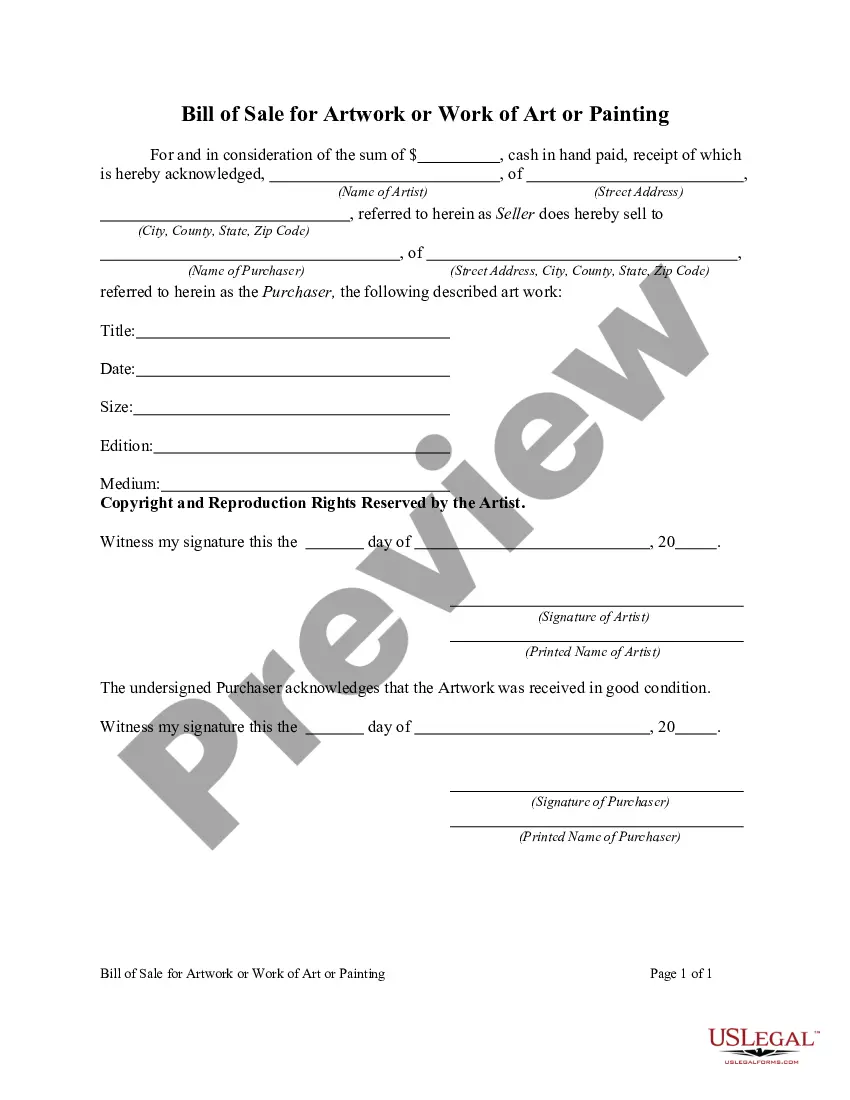
Offer To Sell Sample With Ctc In Contra Costa
Description
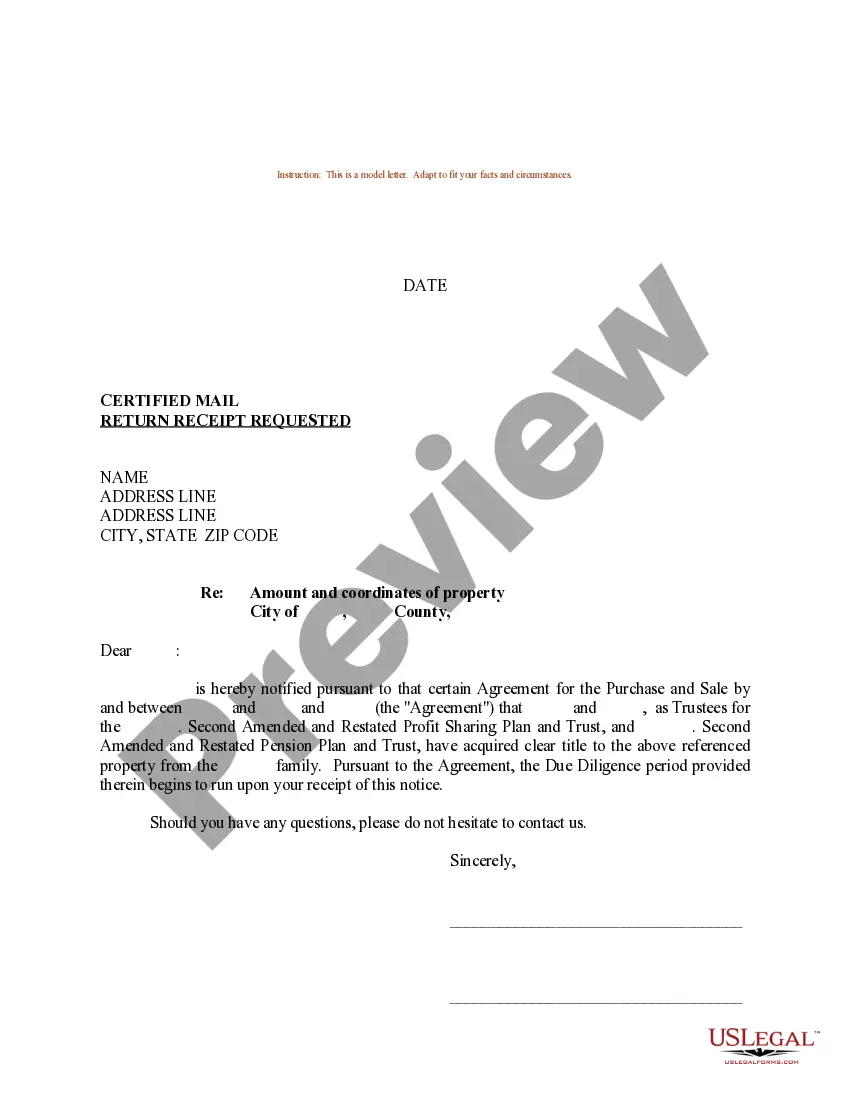
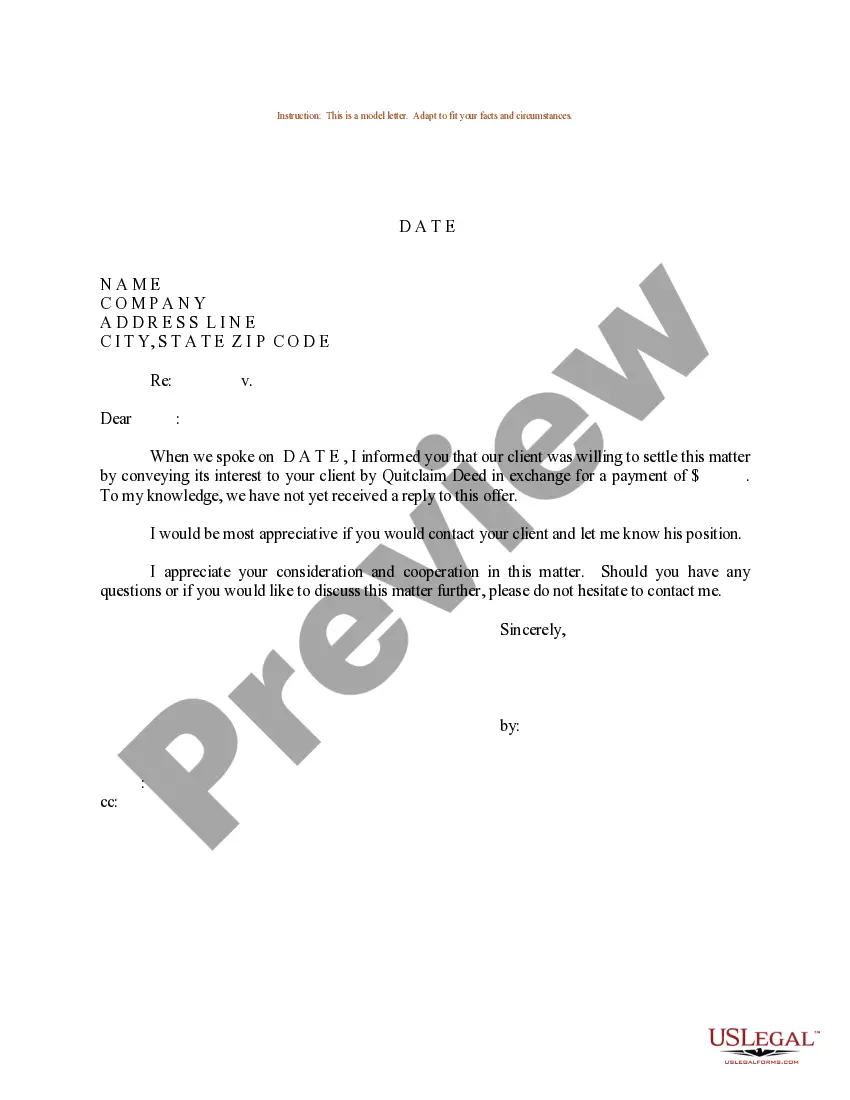
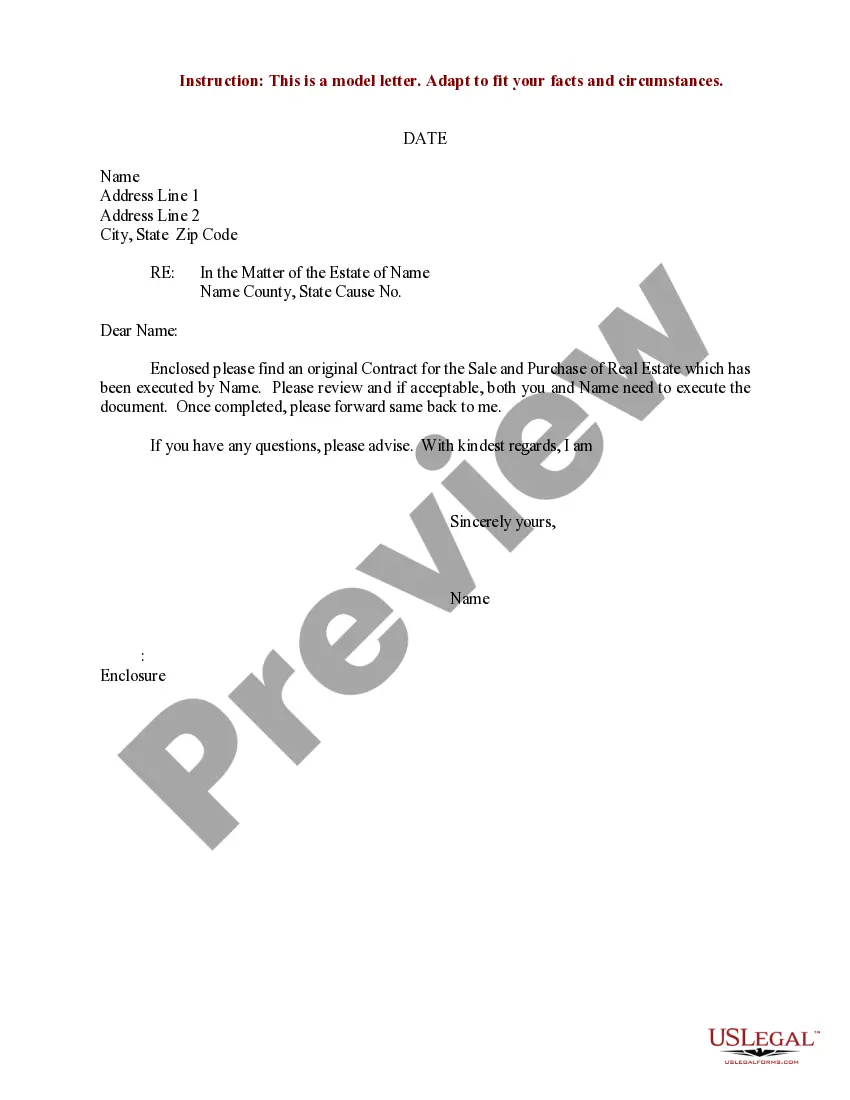
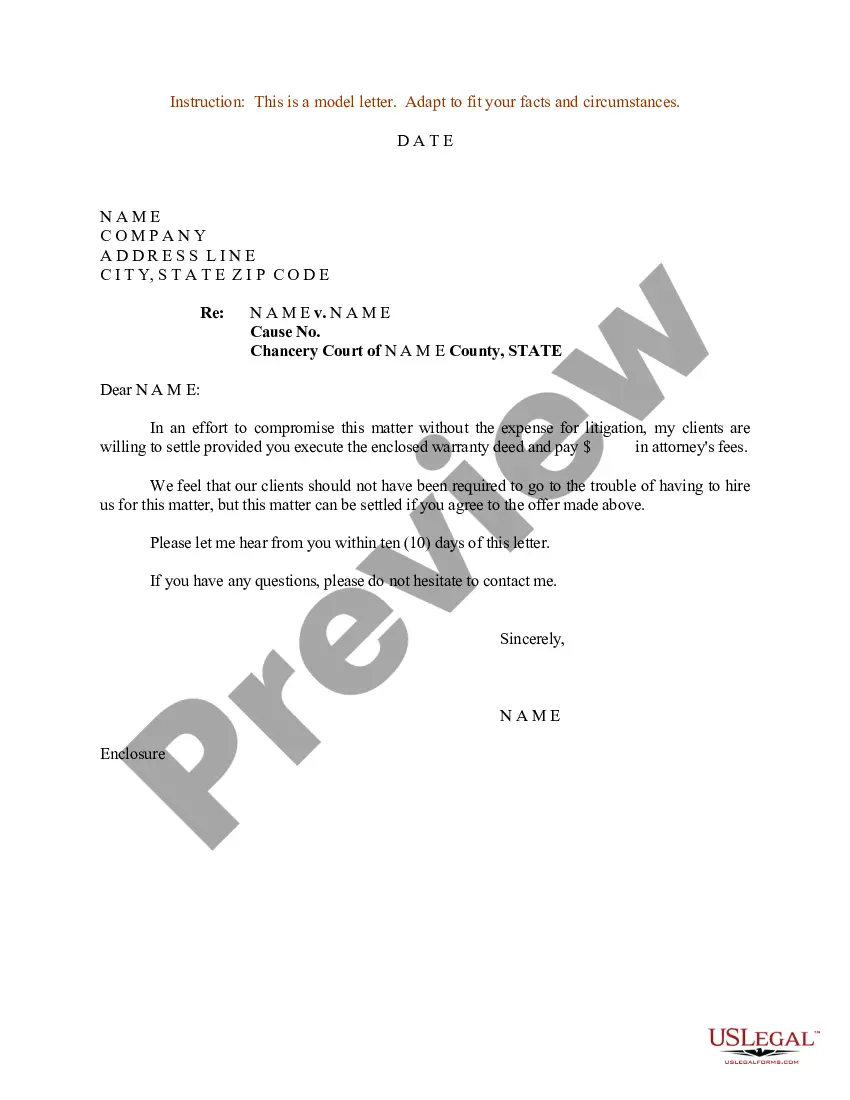
Get your form ready online
Our built-in tools help you complete, sign, share, and store your documents in one place.
Make edits, fill in missing information, and update formatting in US Legal Forms—just like you would in MS Word.
Download a copy, print it, send it by email, or mail it via USPS—whatever works best for your next step.
Sign and collect signatures with our SignNow integration. Send to multiple recipients, set reminders, and more. Go Premium to unlock E-Sign.
If this form requires notarization, complete it online through a secure video call—no need to meet a notary in person or wait for an appointment.
We protect your documents and personal data by following strict security and privacy standards.

Make edits, fill in missing information, and update formatting in US Legal Forms—just like you would in MS Word.

Download a copy, print it, send it by email, or mail it via USPS—whatever works best for your next step.

Sign and collect signatures with our SignNow integration. Send to multiple recipients, set reminders, and more. Go Premium to unlock E-Sign.

If this form requires notarization, complete it online through a secure video call—no need to meet a notary in person or wait for an appointment.

We protect your documents and personal data by following strict security and privacy standards.
Looking for another form?

Form popularity
FAQ
If you own and occupy your home as your principal place of residence on January 1, you may apply for an exemption of $7,000 off your assessed value for an annual savings of approximately $70 on your property taxes. New property owners will automatically receive an exemption application.
If you own and occupy your home as your principal place of residence on January 1, you may apply for an exemption of $7,000 off your assessed value for an annual savings of approximately $70 on your property taxes. New property owners will automatically receive an exemption application.
If you own and occupy your principal place of residence on January 1, you may apply for a Homeowner's Exemption that would exempt $7,000 of your home's assessed value from taxation. This would result in a savings of approximately $70 per year on your property tax bill.
Homeowners' Exemption versus Homestead Exemptions With an approximate 1% property tax rate, the exemption provides roughly a $70 annual saving off your property taxes. Homestead Exemption is a civil code provision, which may protect part of the homes equity from creditors.
You must occupy the dwelling as your principal residence as of January 1 of each year to qualify for the Homeowners' Exemption for that year.
The median property tax rate in Contra Costa is 1.36%, which is significantly higher than both the national median of 0.99% and the California state median of 1.21%. With the median home value in Contra Costa, the typical annual property tax bill reaches $6,706, far exceeding the national median of $2,690.
2026 REQUEST FOR VALUE REVIEW (PROP 8) California State Revenue and Taxation Code, Section 51 authorizes the Assessor to temporarily lower the assessed value of any real property when it is greater than the market value as of January 1, lien date.
Declaration of Homestead – A document recorded by either a homeowner or head of household on his primary residence to protect his home from forced sale in satisfaction of certain types of creditors' claims. Decree of Distribution – Evidences the distribution of real property from the estate of a deceased person.
Documentary Transfer Tax Exemptions Conveyance Given for No Value. Conveyance to Establish Sole and Separate Property of a Spouse. Conveyance to Confirm a Community Property Interest when property was purchased with Community Property Funds. Conveyances transferring interests into or out of a Living Trust.
In most California counties, the seller typically pays for the transfer tax. But this can be negotiated between both parties and specified within the contract. RETTs are imposed by state and local governments in many parts of the United States, including California.