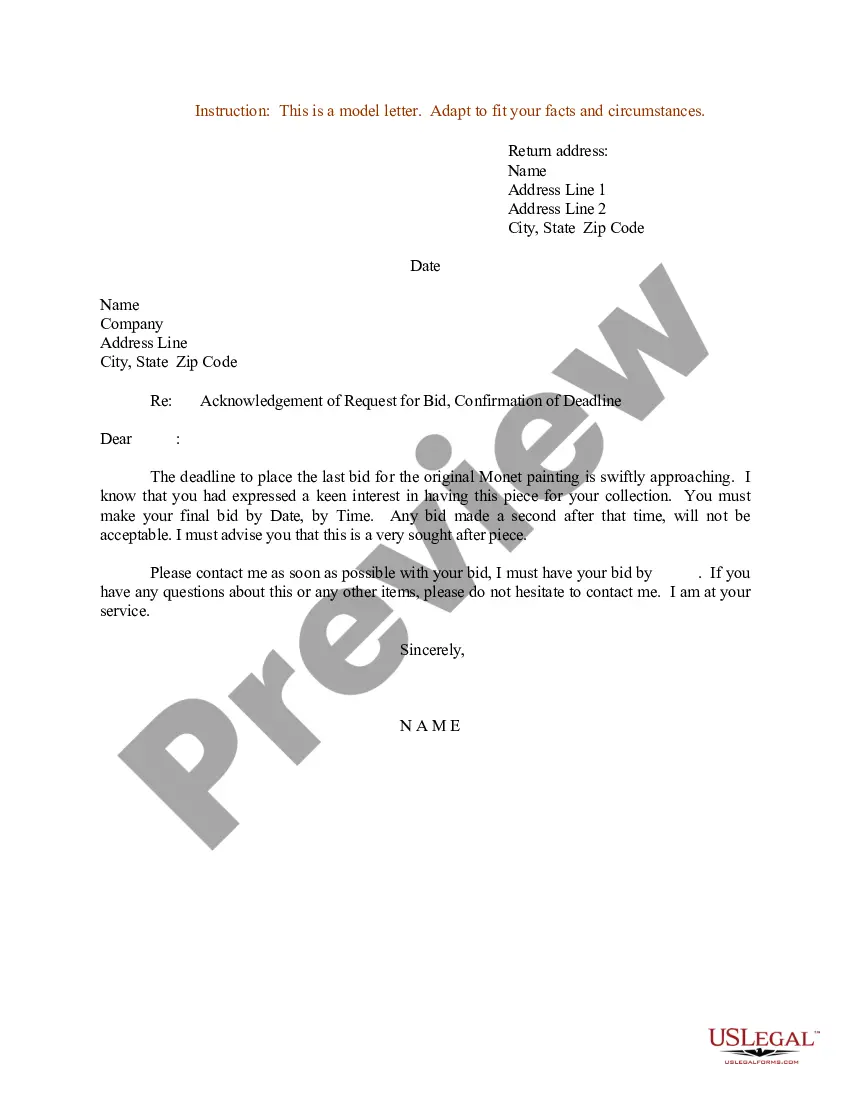
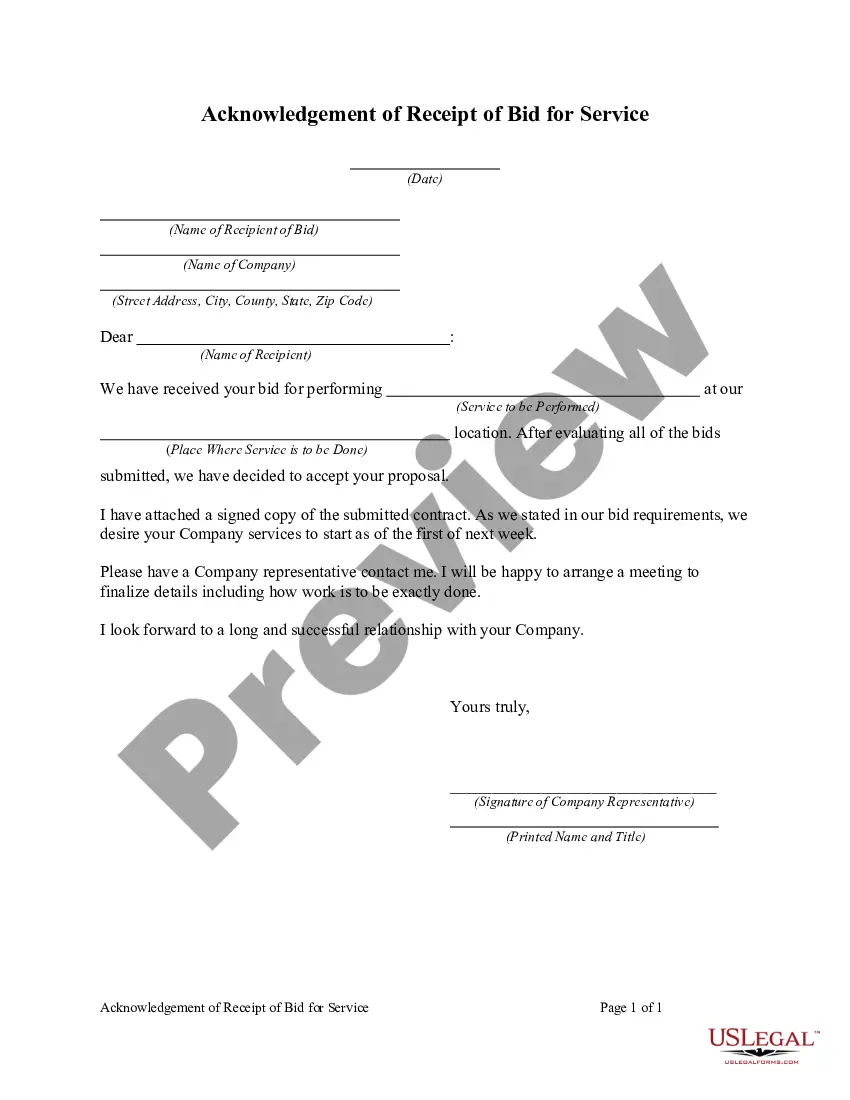
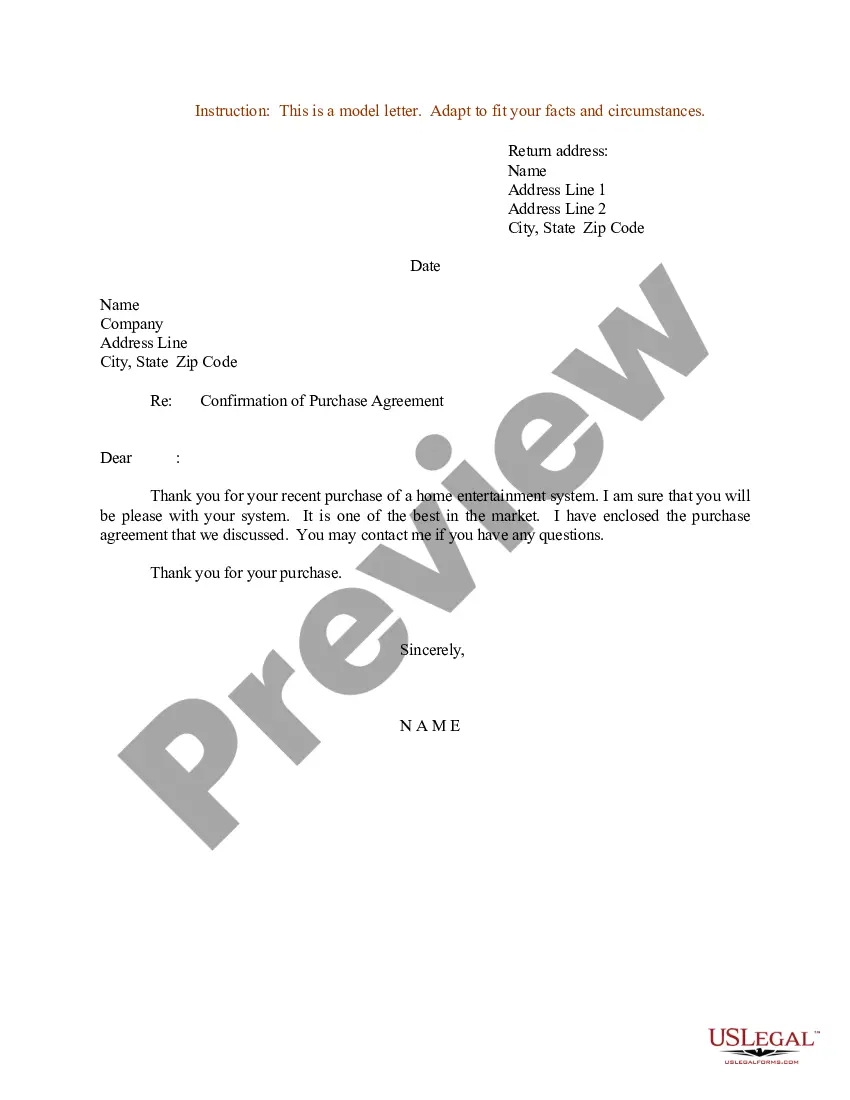
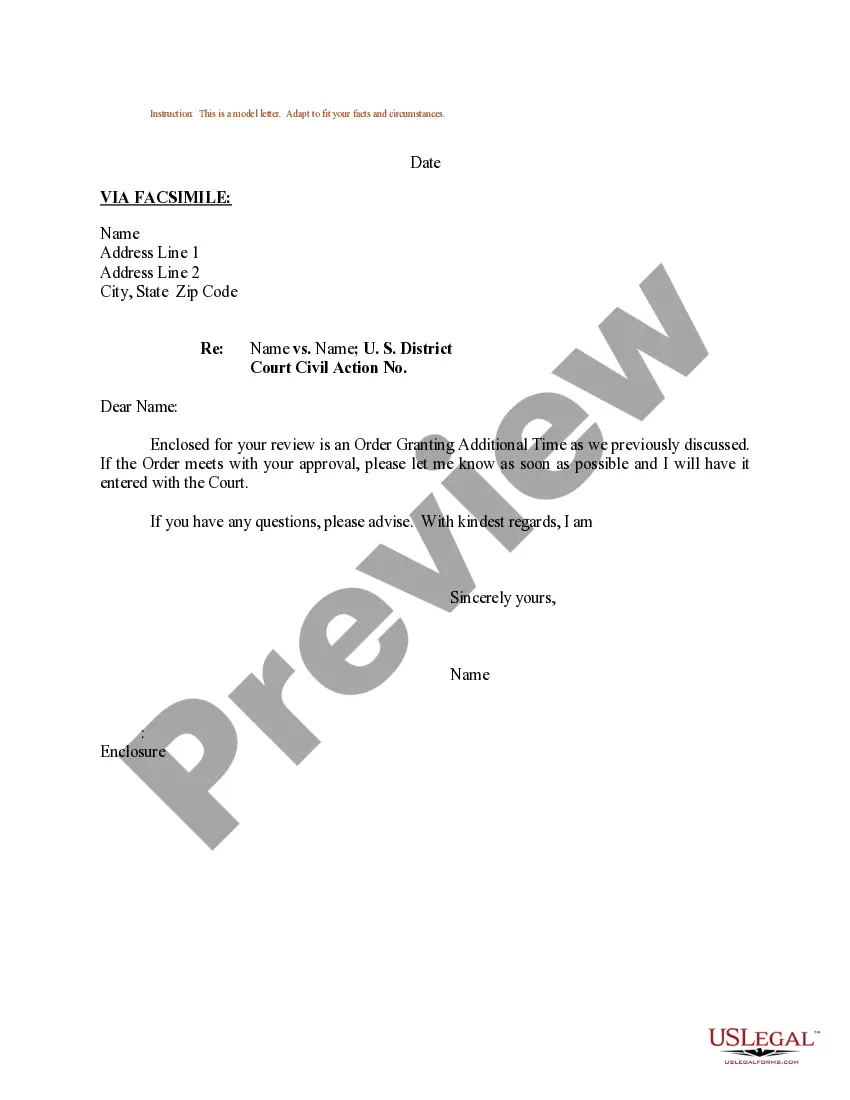
Request For Bid Template In Miami-Dade
Description


Get your form ready online
Our built-in tools help you complete, sign, share, and store your documents in one place.
Make edits, fill in missing information, and update formatting in US Legal Forms—just like you would in MS Word.
Download a copy, print it, send it by email, or mail it via USPS—whatever works best for your next step.
Sign and collect signatures with our SignNow integration. Send to multiple recipients, set reminders, and more. Go Premium to unlock E-Sign.
If this form requires notarization, complete it online through a secure video call—no need to meet a notary in person or wait for an appointment.
We protect your documents and personal data by following strict security and privacy standards.

Make edits, fill in missing information, and update formatting in US Legal Forms—just like you would in MS Word.

Download a copy, print it, send it by email, or mail it via USPS—whatever works best for your next step.

Sign and collect signatures with our SignNow integration. Send to multiple recipients, set reminders, and more. Go Premium to unlock E-Sign.

If this form requires notarization, complete it online through a secure video call—no need to meet a notary in person or wait for an appointment.

We protect your documents and personal data by following strict security and privacy standards.
Looking for another form?






Form popularity
FAQ
The purpose of a bid is to win a contract by offering a solution that meets the client's needs and requirements. On the other hand, a proposal is a document that outlines a solution to a problem or an opportunity.
How to write a bid proposal Get an in-depth understanding of the project. Research the client. Evaluate the competition. Consider offering an additional good or service. Include relevant information. Proofread your proposal.
Companies that need certain jobs performed may solicit vendors for them using two types of requests: a request for qualifications (or RFQ), which determines the best fit for a job based on the qualifications of the applying vendor, and a request for proposal (or RFP), which is a much more detailed document that may be ...
The world of procurement is brimming with terms and abbreviations. Among them, 'Invitation To Tender' is a common phrase, most often abbreviated as ITT. It can also be known as 'Invitation To Bid' (ITB), a term used similarly but more prevalent in the US, while ITT is widely used in Europe.
Understanding an Invitation For Bid (IFB) A comprehensive invitation for bid (IFB) solicitation will describe the planned project in detail, lay out submission requirements (including deadlines, project scope, and duration), minimum qualifications, mandatory service standards, and required warranties.
Bid writing example response (for the tender question above): With number years' experience working with you, we have the capacity and capability to provide efficient, best value services. 100% of our Operatives on this contract are based within time minutes' drive from your sites.
I / We hereby unconditionally accept the BID terms and conditions & specifications including Scope of Work and any other document (which is/are attached in Bid Document) of above-mentioned BID document / corrigendum(s) in its totality / entirety.
Letter of Bid means the document entitled letter of bid, which was completed by the Contractor and includes the signed offer to the Employer for the Works. 1.1. 1.9 “Letter of Acceptance” means the letter of formal acceptance, signed by the bidder after the receipt of Letter of Award confirming their acceptance.
The RFP process begins with drafting a request for proposal. Bidders review the solicitation and submit suggestions for improvement. After implementing feedback, the final request for proposal is issued. Bidders then submit their proposals.