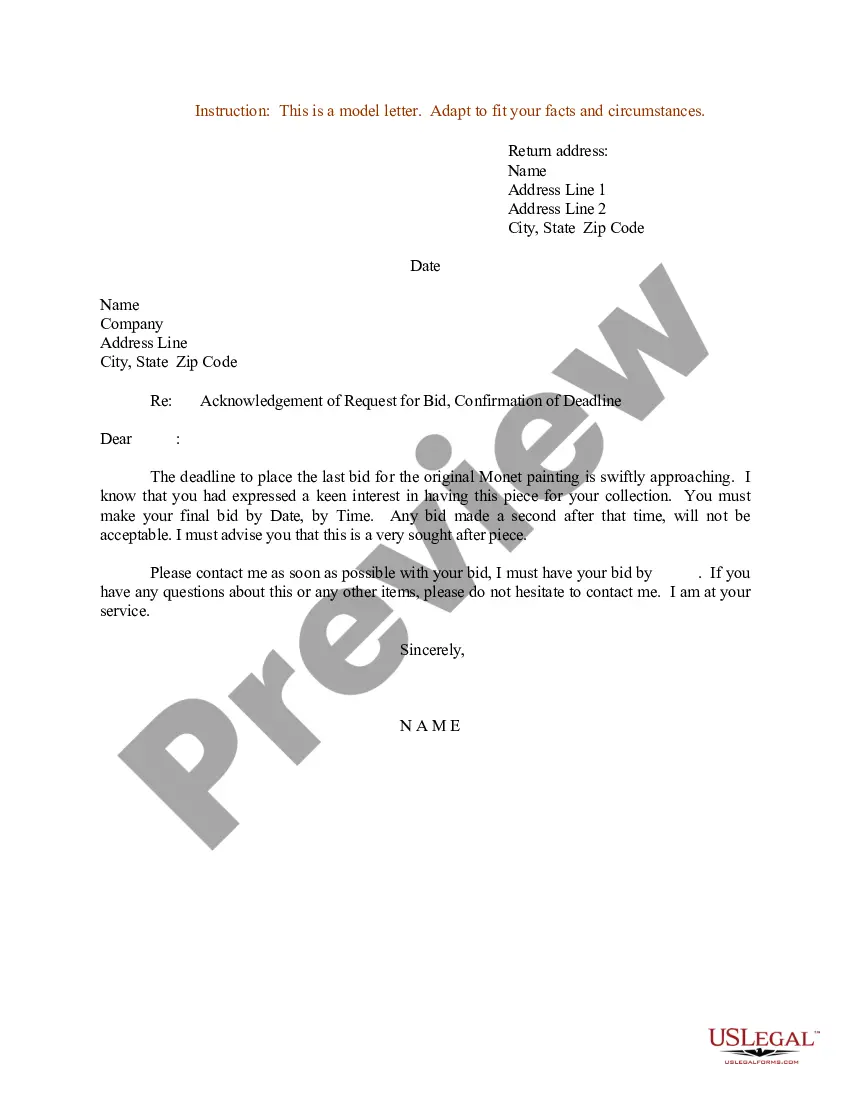
Request For Bid Email In Maryland
Description


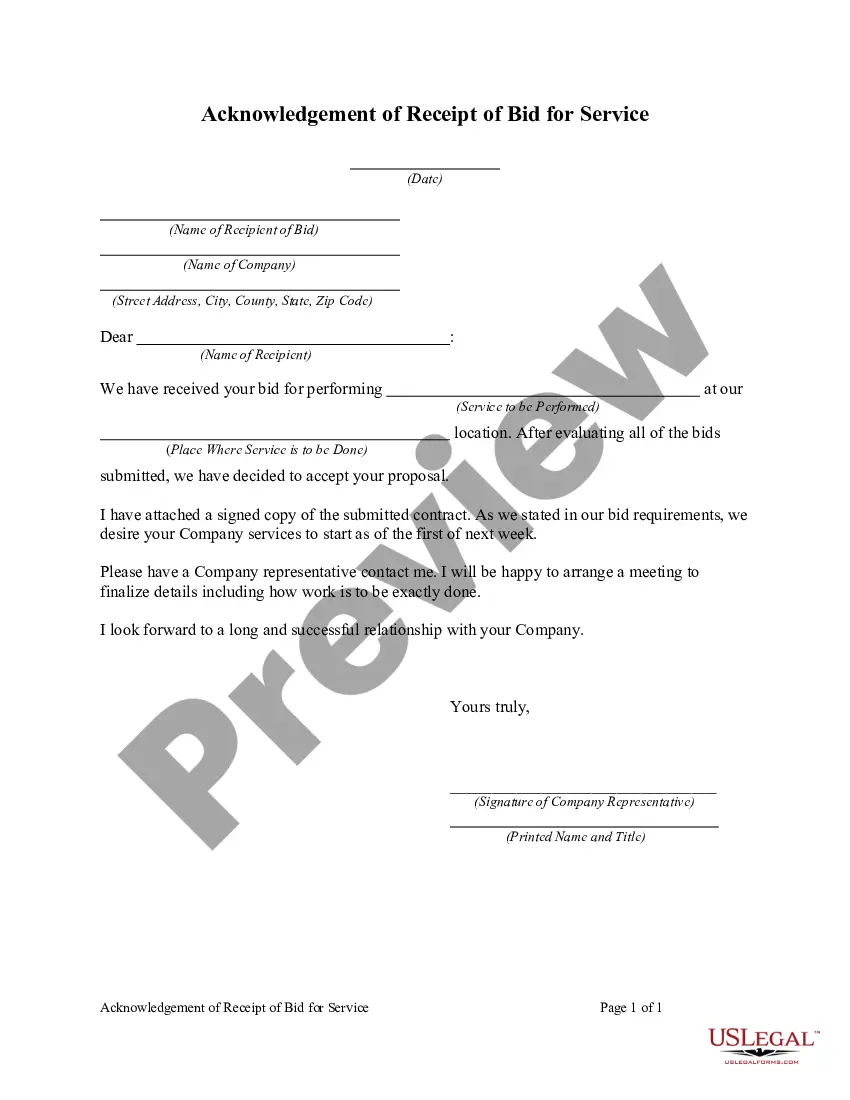
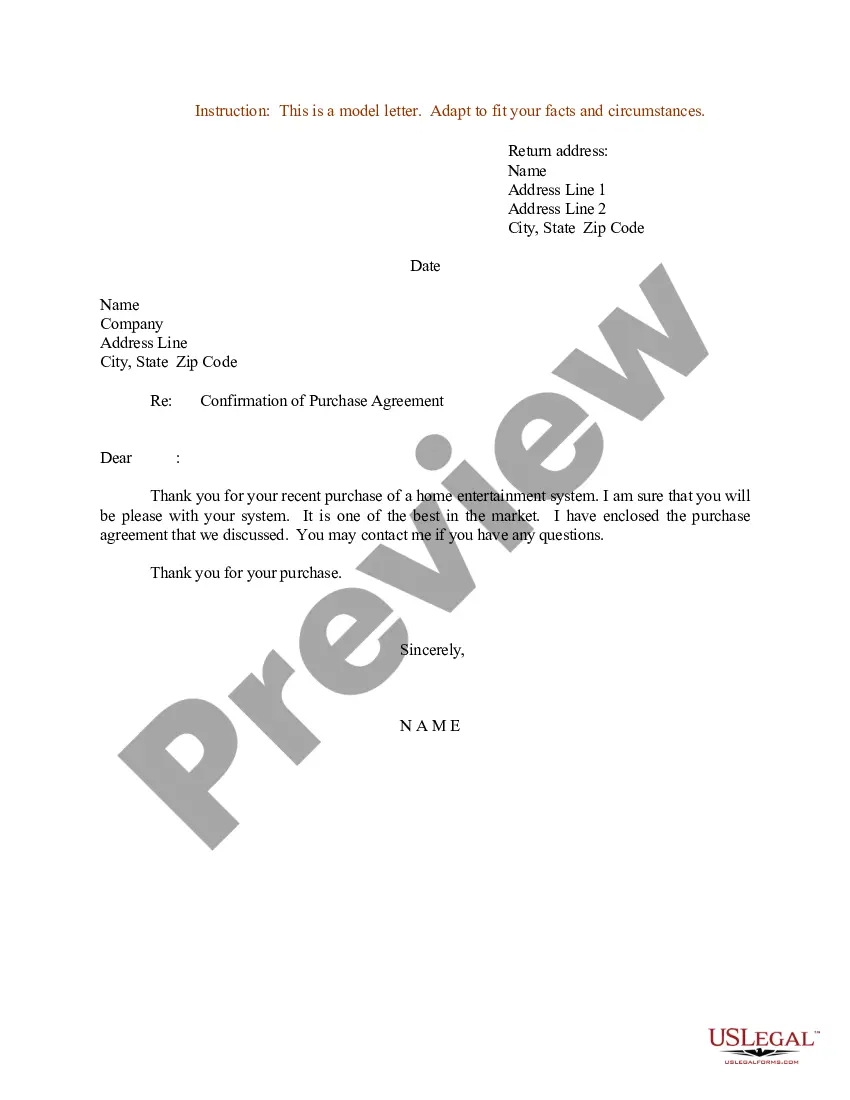
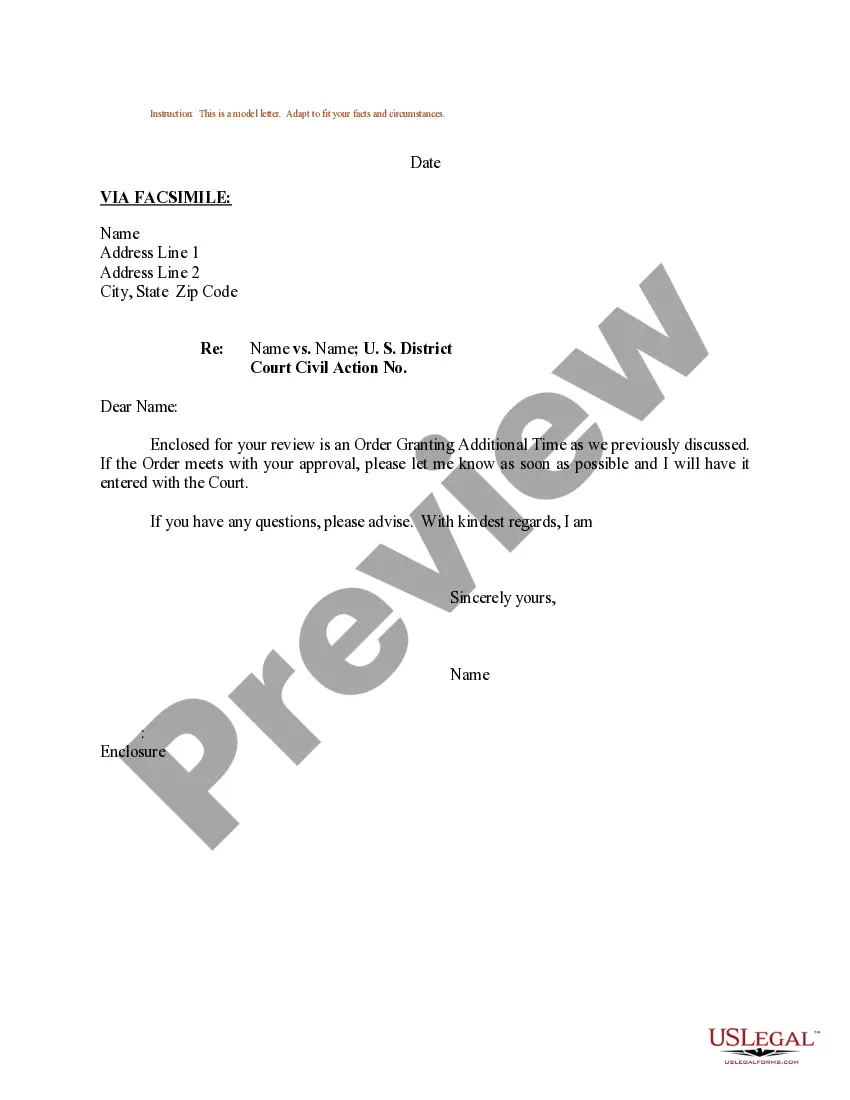
Get your form ready online
Our built-in tools help you complete, sign, share, and store your documents in one place.
Make edits, fill in missing information, and update formatting in US Legal Forms—just like you would in MS Word.
Download a copy, print it, send it by email, or mail it via USPS—whatever works best for your next step.
Sign and collect signatures with our SignNow integration. Send to multiple recipients, set reminders, and more. Go Premium to unlock E-Sign.
If this form requires notarization, complete it online through a secure video call—no need to meet a notary in person or wait for an appointment.
We protect your documents and personal data by following strict security and privacy standards.

Make edits, fill in missing information, and update formatting in US Legal Forms—just like you would in MS Word.

Download a copy, print it, send it by email, or mail it via USPS—whatever works best for your next step.

Sign and collect signatures with our SignNow integration. Send to multiple recipients, set reminders, and more. Go Premium to unlock E-Sign.

If this form requires notarization, complete it online through a secure video call—no need to meet a notary in person or wait for an appointment.

We protect your documents and personal data by following strict security and privacy standards.
Looking for another form?


Form popularity
FAQ
The RFP process allows more flexibility than the sealed bid process in the evaluation process. The evaluation committee first evaluates proposals for compliance to the specifications and requirements in the RFP and creates a list of those firms whose proposals meet mandatory requirements.
How to write an RFP that will get a response Define your project and needs. Write an introduction. Explain your company's and project's history. Describe your project's requirements. Explain how vendors should respond. Outline your selection criteria. Note your timelines. Proofread and revise your RFP.
Write a no-bid letter Be as brief as possible. Offer insight about your decision, but stay positive. Provide your contact information for future opportunities. If you have an existing relationship with the customer, follow up with a phone call as well.
Steps In an RFP Process 1 Discovery. Before drafting the RFP, it is imperative to do some thorough internal planning with the stakeholders that can guide the RFP writer in understanding the project requirements and constraints. 2 Draft And Issue. 3 Review The Bids. 4 Select a Winner and Send the Contract.
Steps In an RFP Process 1 Discovery. Before drafting the RFP, it is imperative to do some thorough internal planning with the stakeholders that can guide the RFP writer in understanding the project requirements and constraints. 2 Draft And Issue. 3 Review The Bids. 4 Select a Winner and Send the Contract.
What are the essential steps in the RFP process? Identify stakeholders. Collect RFP requirements. Create RFP. Evaluate RFP responses. Select winning vendor. Create vendor contract.
Step 1: Familiarize Yourself With the Industry. Step 2: Determine Your Business Goals. Step 3: Lay the Foundation to Become a Vendor. Step 4: Get Any Necessary Licensing or Registrations. Step 5: Market to and Network With Your Target Audience. Step 6: Negotiate Your First Sale. Step 7: Learn to Use the Vendor Portal.
Unless you are a grower or manufacturer, you may not offer for sale, sell or otherwise dispose of any goods within Maryland, without first obtaining a trader's license from the Clerk of the Circuit Court and opening a sales tax account.
To obtain a transient vendor license, you must have a Maryland sales and use tax license. You may apply for a sales and use tax license online. You may also need to obtain a local license (such as a trader's license) from the Clerk of the Circuit Court in the jurisdiction in which you do business.
Here's how to get a vendor's license: Register the business name. Determine the appropriate business structure. Check federal requirements. Apply for a state vendor's license. Check local requirements. Collect sales tax. Maintain tax records. Obtain an out-of-state seller license.