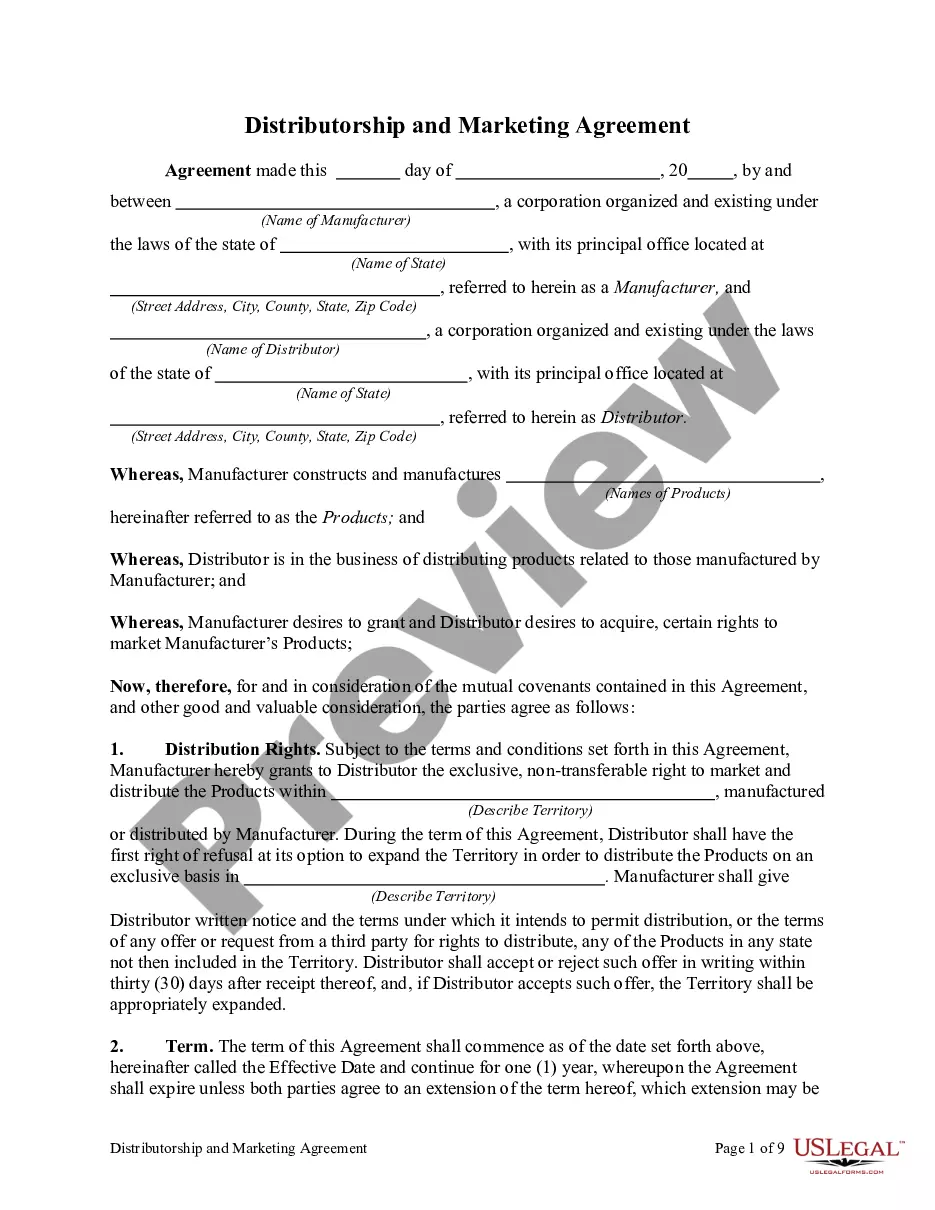
Independent Contractor Agreement With Former Employee In Utah
Description





Get your form ready online
Our built-in tools help you complete, sign, share, and store your documents in one place.
Make edits, fill in missing information, and update formatting in US Legal Forms—just like you would in MS Word.
Download a copy, print it, send it by email, or mail it via USPS—whatever works best for your next step.
Sign and collect signatures with our SignNow integration. Send to multiple recipients, set reminders, and more. Go Premium to unlock E-Sign.
If this form requires notarization, complete it online through a secure video call—no need to meet a notary in person or wait for an appointment.
We protect your documents and personal data by following strict security and privacy standards.

Make edits, fill in missing information, and update formatting in US Legal Forms—just like you would in MS Word.

Download a copy, print it, send it by email, or mail it via USPS—whatever works best for your next step.

Sign and collect signatures with our SignNow integration. Send to multiple recipients, set reminders, and more. Go Premium to unlock E-Sign.

If this form requires notarization, complete it online through a secure video call—no need to meet a notary in person or wait for an appointment.

We protect your documents and personal data by following strict security and privacy standards.
Looking for another form?








Form popularity
FAQ
Yes, it is possible to be a 1099 and W-2 employee simultaneously. If you have a full-time job with a traditional employer, you'll receive a W-2 form.
The rule typically specifies that a contractor cannot work for the same employer for more than 2 consecutive years. Benefits Rights.
What matters is that the employer has the legal right to control the details of how the services are performed. If an employer-employee relationship exists (regardless of what the relationship is called), then you are not an independent contractor and your earnings are generally not subject to self-employment tax.
You cannot, however, hire a former employee as a contractor and treat them exactly the same as you did when they were an employee. Rather, the work relationship must change to reflect the change in classification.
Can a business hire a former employee as an independent contractor? Yes, businesses may hire former employees as independent contractors if the relationship can support that classification. For example, you can hire a former employee as a contractor to train new staff, or complete a project or two independently.
Yes! It's true that many self-employed individuals, especially those who work from home, never get a business license in Utah. But if your local government finds out that you're running an unlicensed business, you might be fined, or even be prevented from doing business until you obtain the license.
Below are eight important points to consider including in an independent contractor agreement. Define a Scope of Work. Set a Timeline for the Project. Specify Payment Terms. State Desired Results and Agree on Performance Measurement. Detail Insurance Requirements. Include a Statement of Independent Contractor Relationship.
You do not need a contractor license if your projects have a value of less than $3,000, including labor and materials. Instead, you must simply register with the DOPL if you plan to take on any projects valued at more than $1,000.
All businesses in Utah are recommended to register with the Utah Department of Commerce either as a "DBA" (Doing Business As), corporation, limited liability company or limited partnership. Businesses should also obtain a business license from the city or county in which they are located.
Independent contractors don't need a license to operate in the state of California, but they may have other requirements based on where they build their business. Still others will vary based on the kind of work you do.