International Treaty For In Suffolk
Description

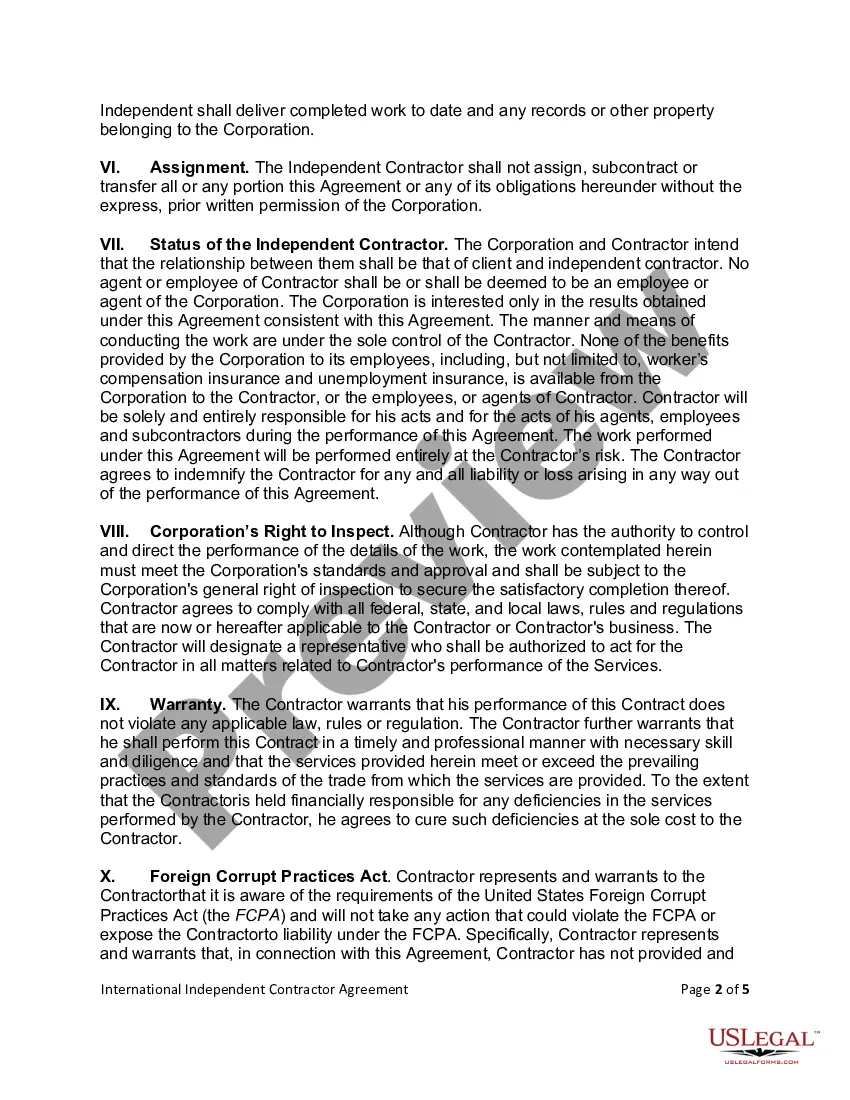
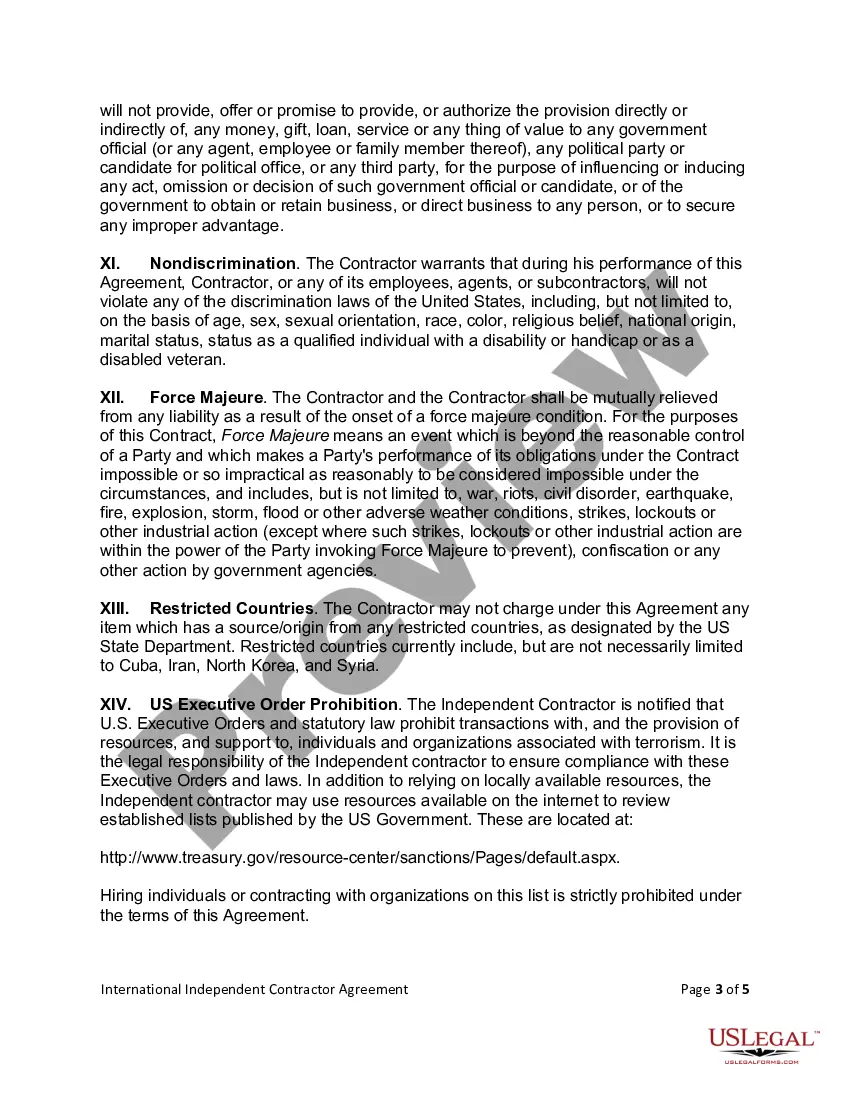
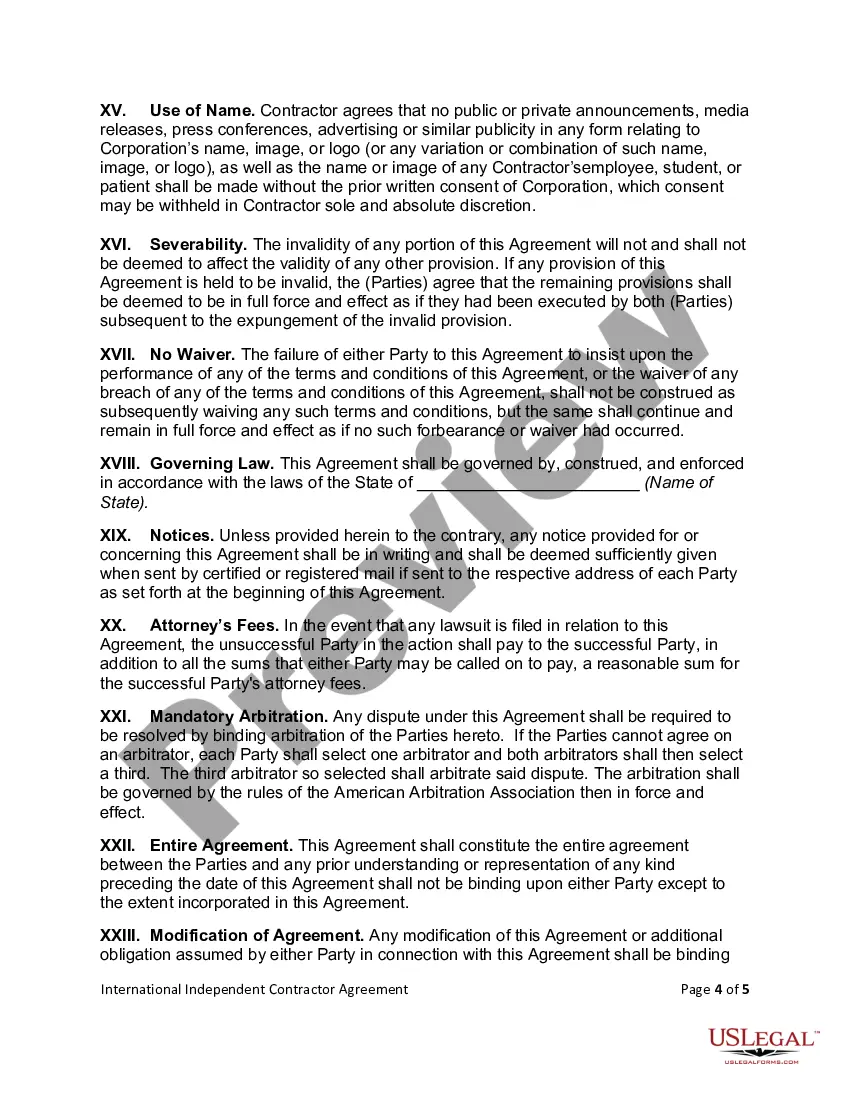
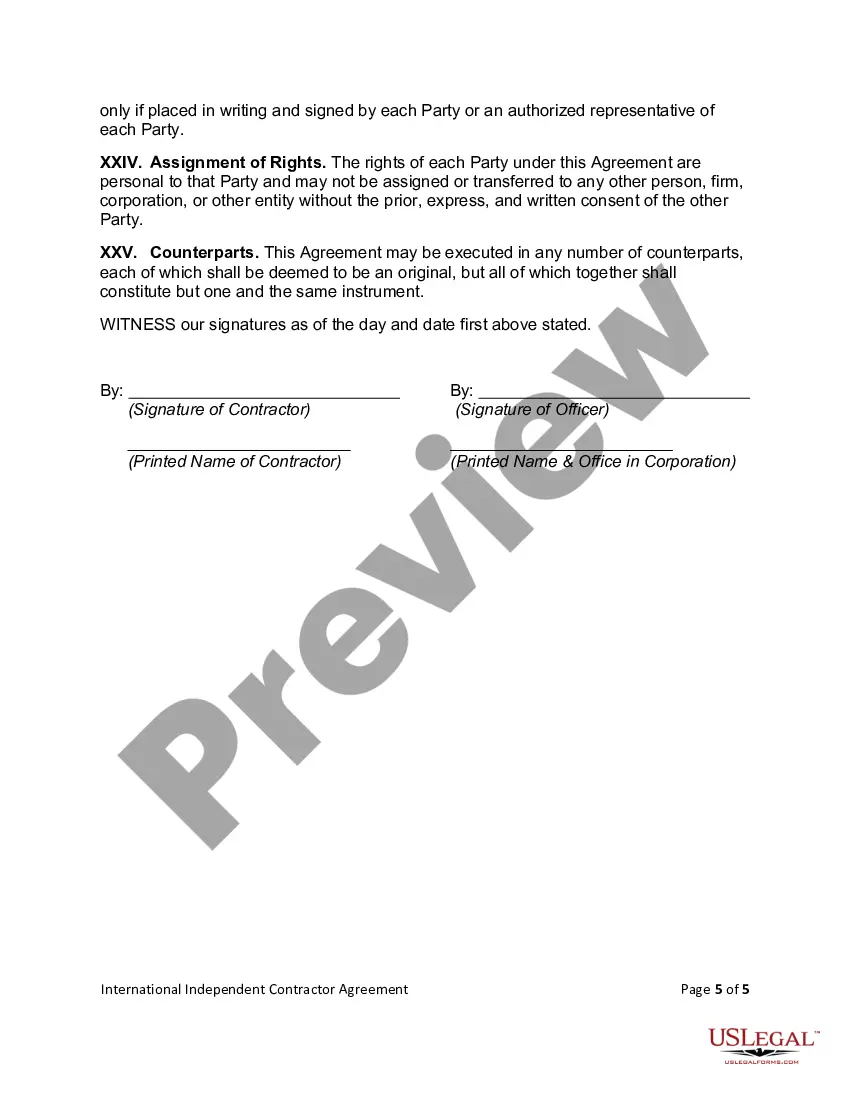
Get your form ready online
Our built-in tools help you complete, sign, share, and store your documents in one place.
Make edits, fill in missing information, and update formatting in US Legal Forms—just like you would in MS Word.
Download a copy, print it, send it by email, or mail it via USPS—whatever works best for your next step.
Sign and collect signatures with our SignNow integration. Send to multiple recipients, set reminders, and more. Go Premium to unlock E-Sign.
If this form requires notarization, complete it online through a secure video call—no need to meet a notary in person or wait for an appointment.
We protect your documents and personal data by following strict security and privacy standards.

Make edits, fill in missing information, and update formatting in US Legal Forms—just like you would in MS Word.

Download a copy, print it, send it by email, or mail it via USPS—whatever works best for your next step.

Sign and collect signatures with our SignNow integration. Send to multiple recipients, set reminders, and more. Go Premium to unlock E-Sign.

If this form requires notarization, complete it online through a secure video call—no need to meet a notary in person or wait for an appointment.

We protect your documents and personal data by following strict security and privacy standards.
Looking for another form?







Form popularity
FAQ
Apply to Suffolk and enjoy that feeling when the choice is yours. It's up to you whether you send us your SAT or ACT results. If you feel your test scores accurately reflect your abilities and academic potential and can strengthen your application, we encourage you to include them.
IRS Form 8833 Filing Instructions Complete your basic details, including your name, country of residence, and Taxpayer Identification Number (ITIN). Check the box for whichever treaty section of the Code you're relying on—6114 or 7701(b).
In order to receive tax treaty benefits, you must have tax residence with the treaty country and you must have the applicable tax ID (U.S. Social Security Number (SSN) or Individual Taxpayer Identification Number (ITIN)).
If you are Chinese and in the U.S. solely for the purpose of your education, you may be able to exclude up to $5,000 of income that you receive from work performed in the U.S. Under the U.S.-China treaty, taxable scholarships and fellowships are also excluded from income.
To be eligible as a “person” under the treaty (either a company or individual), that person will normally be classed as a dual resident. In other words, each country in question will have registered the individual or company as a resident for tax purposes under their domestic law.
Therefore, a U.S. citizen or U.S. treaty resident who receives income from a treaty country and who is subject to taxes imposed by foreign countries may be entitled to certain credits, deductions, exemptions, and reductions in the rate of taxes of those foreign countries.
The payee must file a U.S. tax return and Form 8833 if claiming the following treaty benefits: A reduction or modification in the taxation of gain or loss from the disposition of a U.S. real property interest based on a treaty. A change to the source of an item of income or a deduction based on a treaty.
Applicants are required to take either the Law School Admission Test (LSAT), the Graduate Record Exam (GRE), or the JD-Next Exam. If taking the GRE or JD-Next, you will need to tell the Educational Testing Service or Aspen Publishing to send your scores to Suffolk Law-code: 4343.
We begin accepting applications in September. Decisions are released on a rolling basis beginning in late November.
The following are some of the central subsets of international law: International economic law. International security law. International criminal law. International environmental law. Diplomatic law. International humanitarian law. International human rights law.
