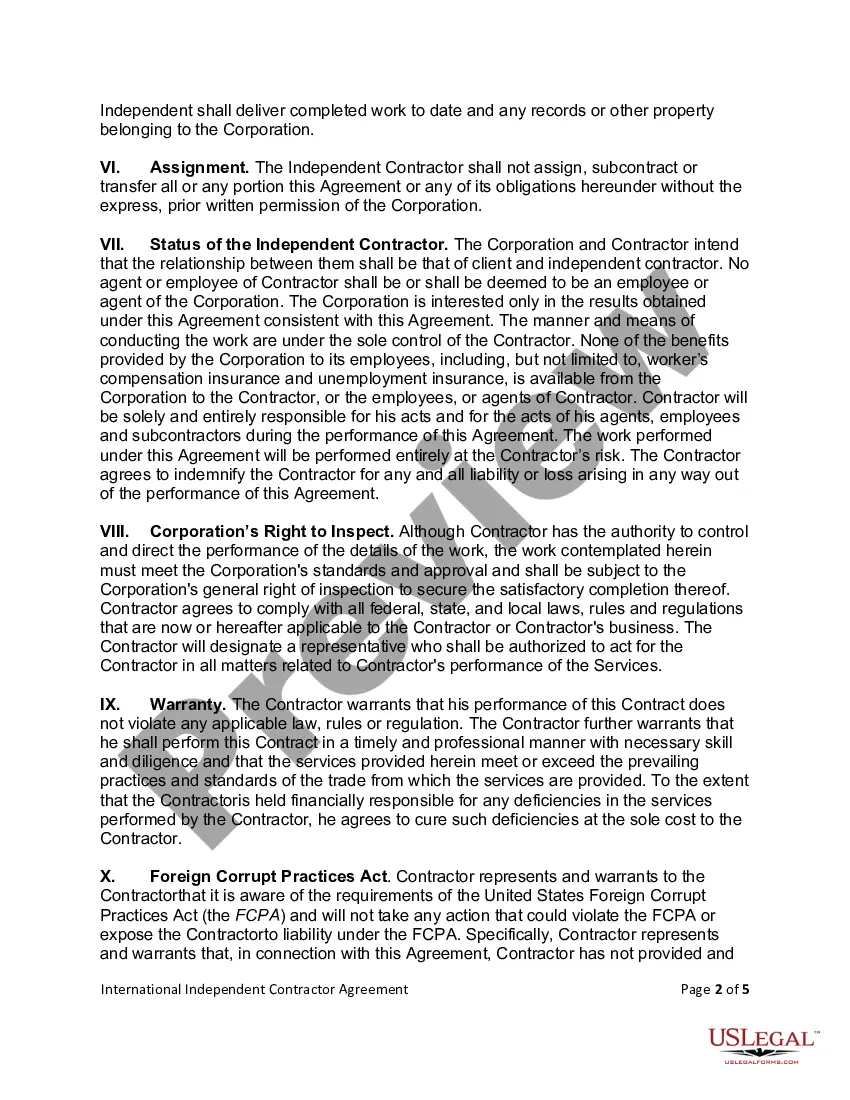
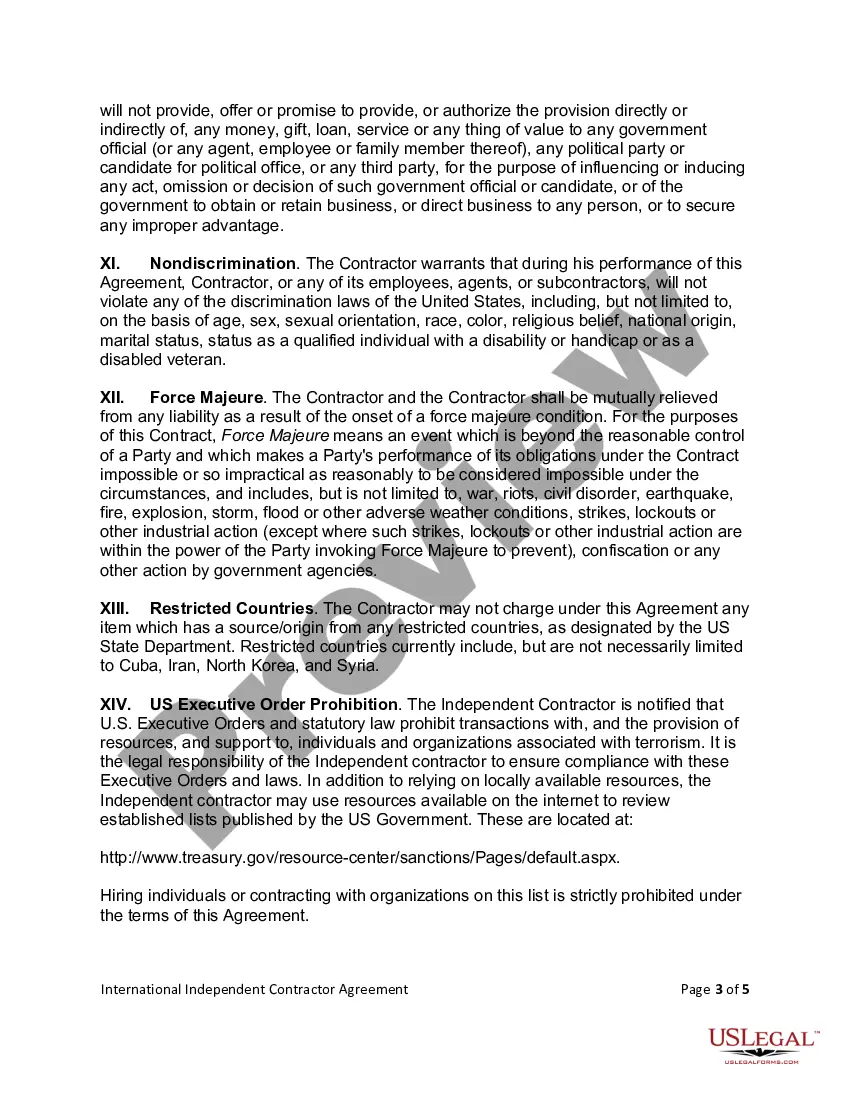
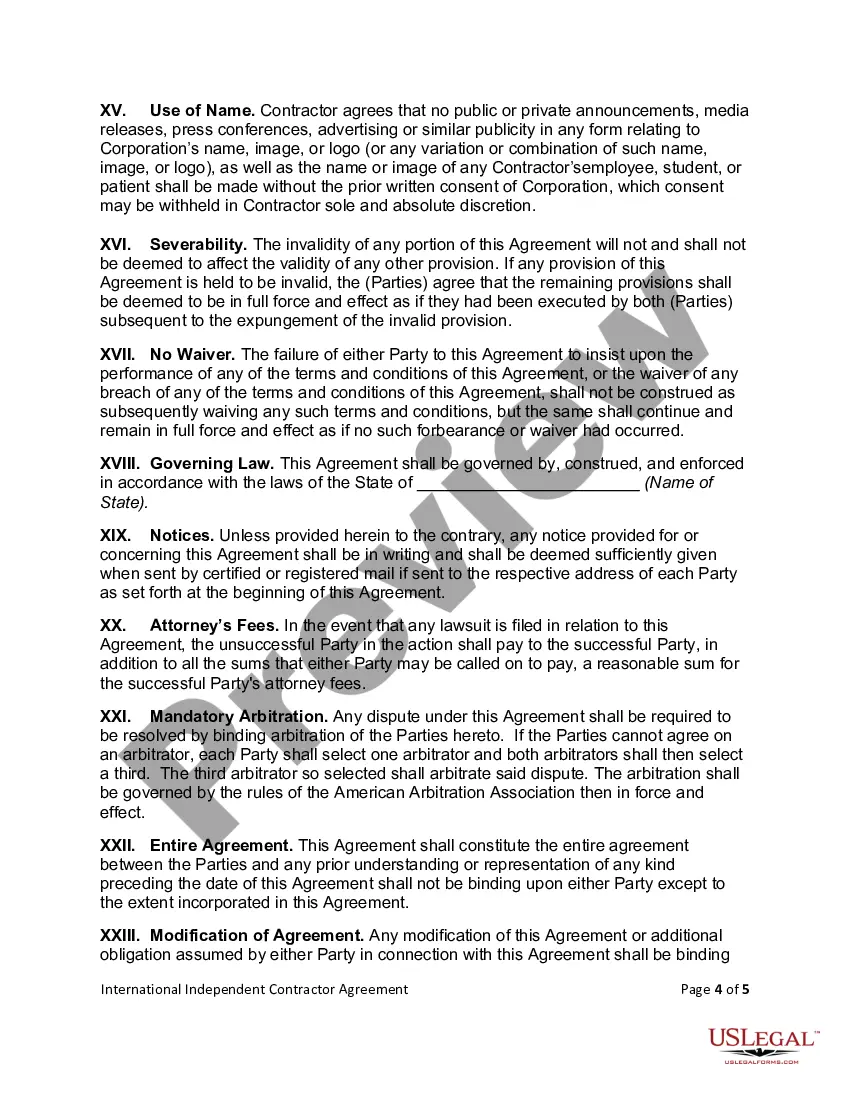
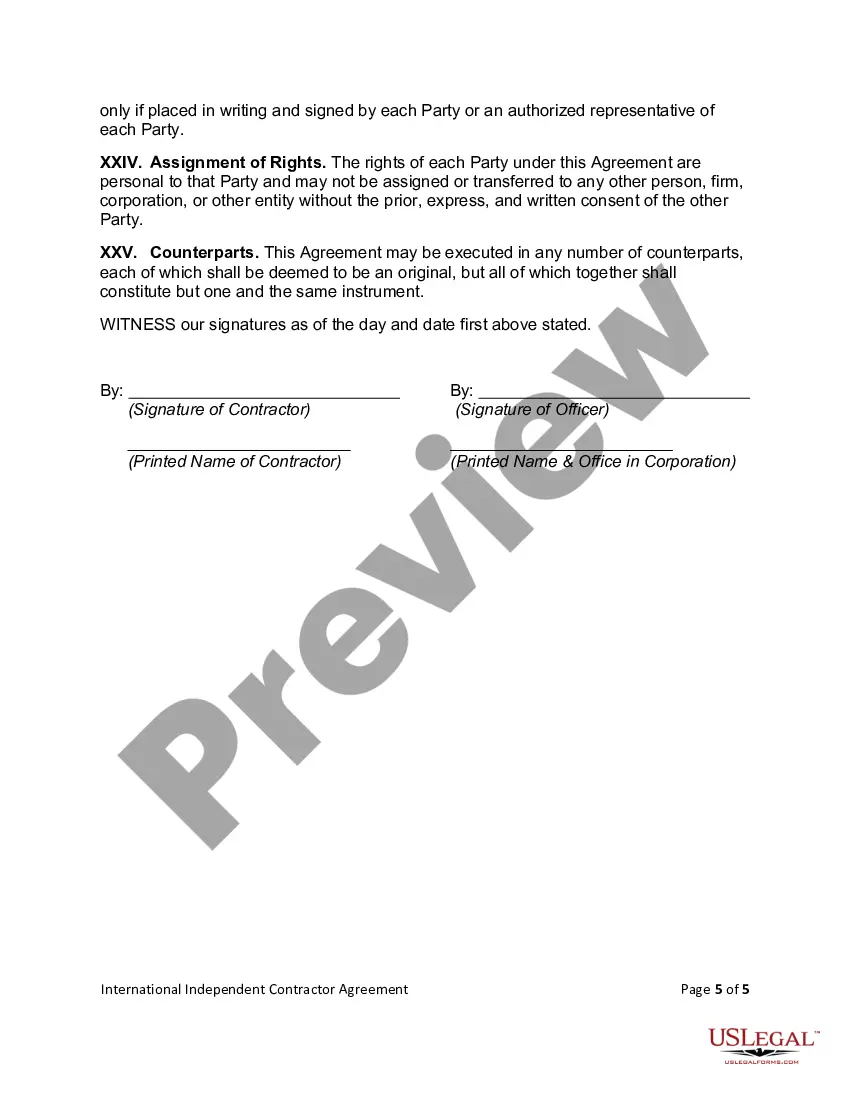
Independent Contractor Agreement Requirements In Sacramento
Description

Get your form ready online
Our built-in tools help you complete, sign, share, and store your documents in one place.
Make edits, fill in missing information, and update formatting in US Legal Forms—just like you would in MS Word.
Download a copy, print it, send it by email, or mail it via USPS—whatever works best for your next step.
Sign and collect signatures with our SignNow integration. Send to multiple recipients, set reminders, and more. Go Premium to unlock E-Sign.
If this form requires notarization, complete it online through a secure video call—no need to meet a notary in person or wait for an appointment.
We protect your documents and personal data by following strict security and privacy standards.

Make edits, fill in missing information, and update formatting in US Legal Forms—just like you would in MS Word.

Download a copy, print it, send it by email, or mail it via USPS—whatever works best for your next step.

Sign and collect signatures with our SignNow integration. Send to multiple recipients, set reminders, and more. Go Premium to unlock E-Sign.

If this form requires notarization, complete it online through a secure video call—no need to meet a notary in person or wait for an appointment.

We protect your documents and personal data by following strict security and privacy standards.
Looking for another form?

Form popularity
FAQ
Key Aspects Rule The rule typically specifies that a contractor cannot work for the same employer for more than 2 consecutive years.
The facts that provide this evidence fall into three categories – behavioral control, financial control, and relationship of the parties.
Do I need a written contract if I have an independent contractor working for me? In California, the relationship between businesses and independent contractors is subject to strict legal standards. As of January 1, 2025, having a written contract with certain types of independent contractors is required by law.
The ABC test uses three factors that are in some ways similar to portions of Common Law. Whether the control is absent. Whether the business of the worker is unusual to and/or away from the hiring organization's facilities. Whether the worker is customarily engaged as an independent contractor in this trade or ...
A California independent contractor agreement is a contract that defines a client's expectations of an individual working as a contractor. The agreement typically covers the scope of services, wages, completion date, termination procedures, and other matters.
Factors that show you are an independent contractor include working with multiple clients instead of just one, not receiving detailed instructions from hiring firms, paying your own business expenses such as office and equipment expenses, setting your own schedule, marketing your services to the public, having all ...
A: Working as an independent contractor in California does not always require a business license. Whether or not you need permits or licenses can depend on your industry and where you operate the business.
AB 5 requires the application of the “ABC test” to determine if workers in California are employees or independent contractors for purposes of the Labor Code, the Unemployment Insurance Code, and the Industrial Welfare Commission (IWC) wage orders.
In California, you need a valid California Contractor's State Licensing Board (CSLB) license to perform construction work on any project that exceeds a total of $500. In addition, any construction job that requires a specific trade expertise – such as electricians or roofing contractors – requires you to get a license.
How to Be an Independent Contractor Step 1) Name Your Business. Step 2) Register Your Business Entity. Step 3) Obtain a Contractor's License. Step 4) Open Your Business Bank Account. Step 5) Start Marketing.
