Contractor Contract Template With Payment In Pennsylvania
Description





Get your form ready online
Our built-in tools help you complete, sign, share, and store your documents in one place.
Make edits, fill in missing information, and update formatting in US Legal Forms—just like you would in MS Word.
Download a copy, print it, send it by email, or mail it via USPS—whatever works best for your next step.
Sign and collect signatures with our SignNow integration. Send to multiple recipients, set reminders, and more. Go Premium to unlock E-Sign.
If this form requires notarization, complete it online through a secure video call—no need to meet a notary in person or wait for an appointment.
We protect your documents and personal data by following strict security and privacy standards.

Make edits, fill in missing information, and update formatting in US Legal Forms—just like you would in MS Word.

Download a copy, print it, send it by email, or mail it via USPS—whatever works best for your next step.

Sign and collect signatures with our SignNow integration. Send to multiple recipients, set reminders, and more. Go Premium to unlock E-Sign.

If this form requires notarization, complete it online through a secure video call—no need to meet a notary in person or wait for an appointment.

We protect your documents and personal data by following strict security and privacy standards.
Looking for another form?
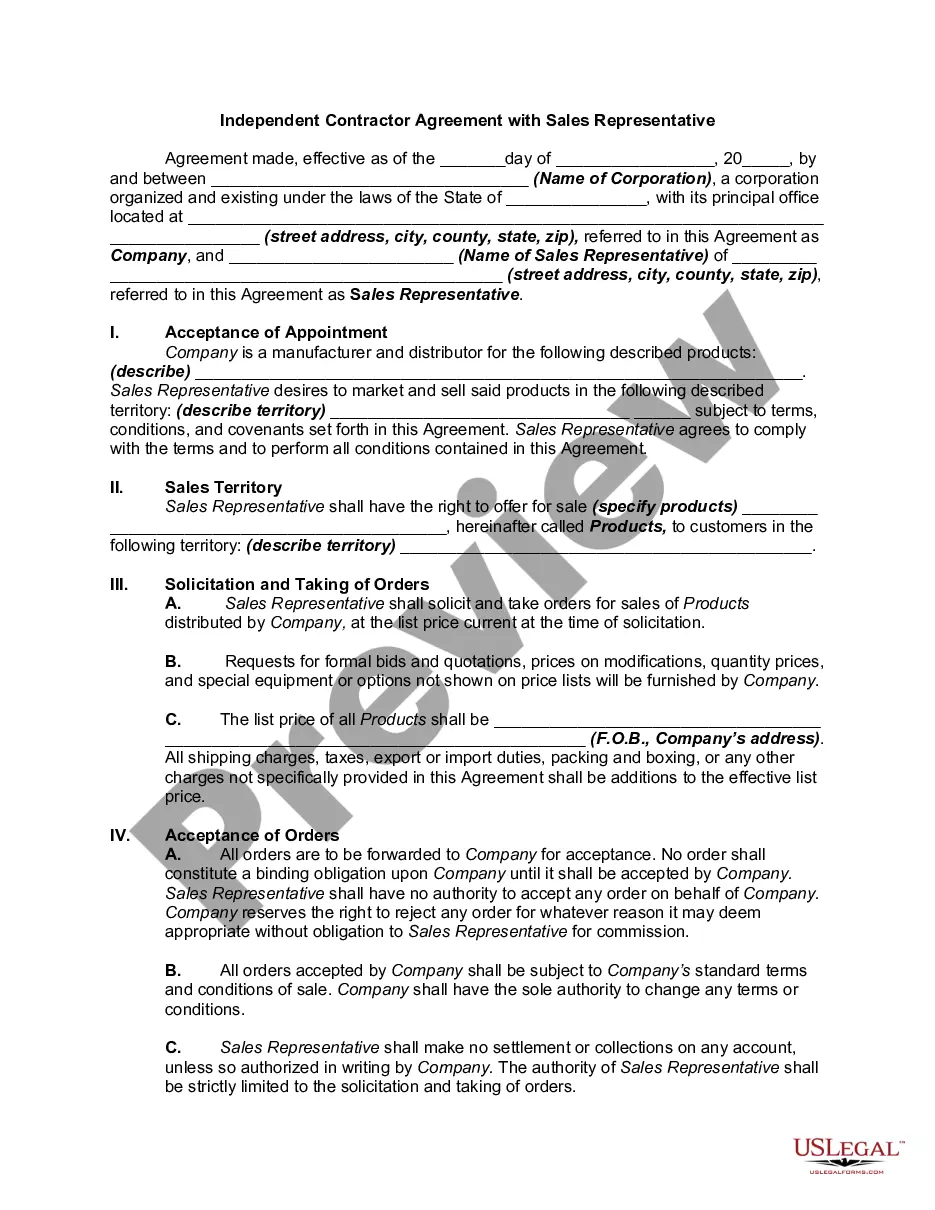



Form popularity
FAQ
Write the contract in six steps Start with a contract template. Open with the basic information. Describe in detail what you have agreed to. Describe how the contract will end. Say which laws apply and how disputes will be resolved. Include space for signatures.
Contract payment terms often include details on how invoices should be submitted, the payment due date, and any late payment penalties or interest charges. It's also important to include provisions for confirming the receipt of payments, such as receipts, acknowledgment of invoices, or other forms of documentation.
Just as with other payment methods, you'll want to agree on a clear payment plan with your contractor to avoid surprises. Most projects require a deposit upfront with installments made at specific points. On a smaller project, terms might be for two payments, with 50% due upfront and 50% due at completion.
Here are some of the most common methods. Hourly Payments. Paying contractors hourly at an agreed-upon rate is one common option. Milestone-based Payments. Fixed Payments. Prepayment. Net Payment. Payment on Delivery. Stage Payments.
Below are eight important points to consider including in an independent contractor agreement. Define a Scope of Work. Set a Timeline for the Project. Specify Payment Terms. State Desired Results and Agree on Performance Measurement. Detail Insurance Requirements. Include a Statement of Independent Contractor Relationship.
Write the contract in six steps Start with a contract template. Open with the basic information. Describe in detail what you have agreed to. Include a description of how the contract will be ended. Write into the contract which laws apply and how disputes will be resolved. Include space for signatures.
It's not unusual. If you are not comfortable tell them you are willing to do 50% upon delivery of materials, balance upon completion.
How to Write a Contractor Agreement Outline Services Provided. The contractor agreement should list all services the contractor will provide. Document Duration of the Work. Specify the duration of the working relationship. Outline Payment Terms. Outline Confidentiality Agreement. Consult with a Lawyer.
All contractors, including self-employed contractors and sole proprietorships, subcontractors and independent contractors, and corporations, partnerships and all other types of business entities must be registered, unless they fall into the two exemptions above.
The Commonwealth of Pennsylvania currently has no licensure or certification requirements for most construction contractors (or their employees).
