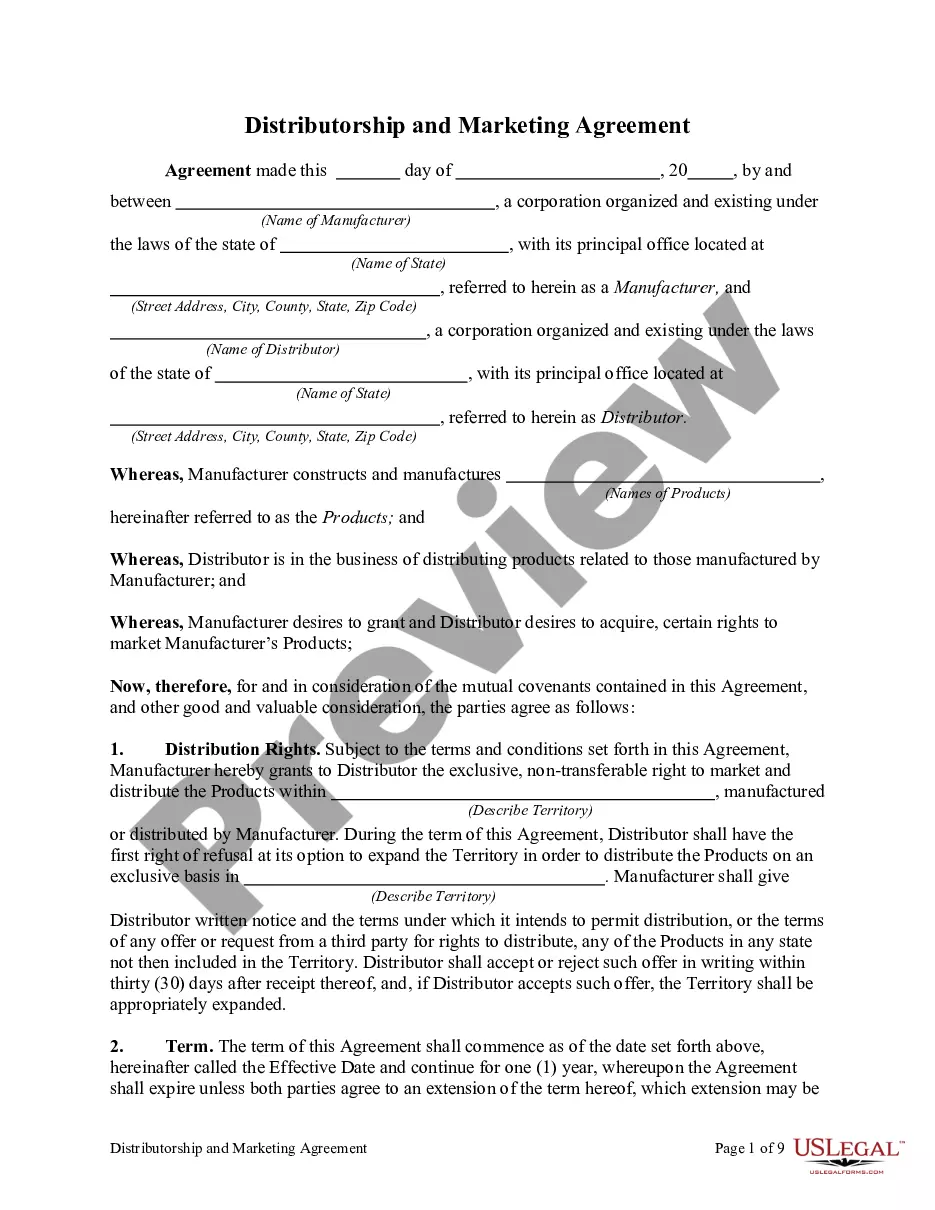
Independent Contractor Agreement With Non Compete Clause In Miami-Dade
Description





Get your form ready online
Our built-in tools help you complete, sign, share, and store your documents in one place.
Make edits, fill in missing information, and update formatting in US Legal Forms—just like you would in MS Word.
Download a copy, print it, send it by email, or mail it via USPS—whatever works best for your next step.
Sign and collect signatures with our SignNow integration. Send to multiple recipients, set reminders, and more. Go Premium to unlock E-Sign.
If this form requires notarization, complete it online through a secure video call—no need to meet a notary in person or wait for an appointment.
We protect your documents and personal data by following strict security and privacy standards.

Make edits, fill in missing information, and update formatting in US Legal Forms—just like you would in MS Word.

Download a copy, print it, send it by email, or mail it via USPS—whatever works best for your next step.

Sign and collect signatures with our SignNow integration. Send to multiple recipients, set reminders, and more. Go Premium to unlock E-Sign.

If this form requires notarization, complete it online through a secure video call—no need to meet a notary in person or wait for an appointment.

We protect your documents and personal data by following strict security and privacy standards.
Looking for another form?


Form popularity
FAQ
As previously reported (Dentons Alert), the US Federal Trade Commission (“FTC”) issued a regulation earlier this year that effectively bans most non-competes for employees and independent contractors (the “FTC Rule”). The effective date of the FTC Rule is September 4, 2024.
Every state has its own law regarding the use of non-competes. For example, in California, they are deemed illegal, except when selling a business or a shareholder's stock or dissolution of a partnership; while in Florida, they are allowed but are subject to strict scrutiny.
Typically, a noncompete agreement prohibits you from working for a competitor until a set period has passed, but it may additionally ban you from completing the following actions: Starting your own company in the same industry. Contacting former customers. Utilizing skills you learned on the job.
If an independent contractor violates a non-compete agreement, the company that issued the non-compete contract may take legal action against them. They can file a lawsuit seeking damages, a court injunction prohibiting the worker from engaging in competitive activities, or both.
Several factors can void or limit the enforceability of a non-compete agreement, including overly broad restrictions, unreasonable time frames or geographical limits, lack of consideration (such as compensation or job opportunities provided in exchange for the agreement), and violation of public policy.
Florida Statutes §542.335 (1) provides that the “enforcement of contracts that restrict or prohibit competition during or after the term of restrictive covenants, so long as such contracts are reasonable in time, area, and line of business, is not prohibited.”
The Employee specifically agrees that for a period of _____ months/years after the Employee is no longer employed by the Company, the Employee will not engage, directly or indirectly, either as proprietor, stockholder, partner, officer, employee or otherwise, in the same or similar activities as were performed for ...
As previously reported (Dentons Alert), the US Federal Trade Commission (“FTC”) issued a regulation earlier this year that effectively bans most non-competes for employees and independent contractors (the “FTC Rule”). The effective date of the FTC Rule is September 4, 2024.
Scheduled to take effect on September 4, 2024, the Non-Compete Rule banned non-compete agreements, including any agreements that “function or prevent” a worker from seeking or accepting work or operating a business; made it unlawful to enter into, enforce, or attempt to enter into or enforce, a non-compete agreement ...