International Contractor Agreement Template For Uk In Collin
Description

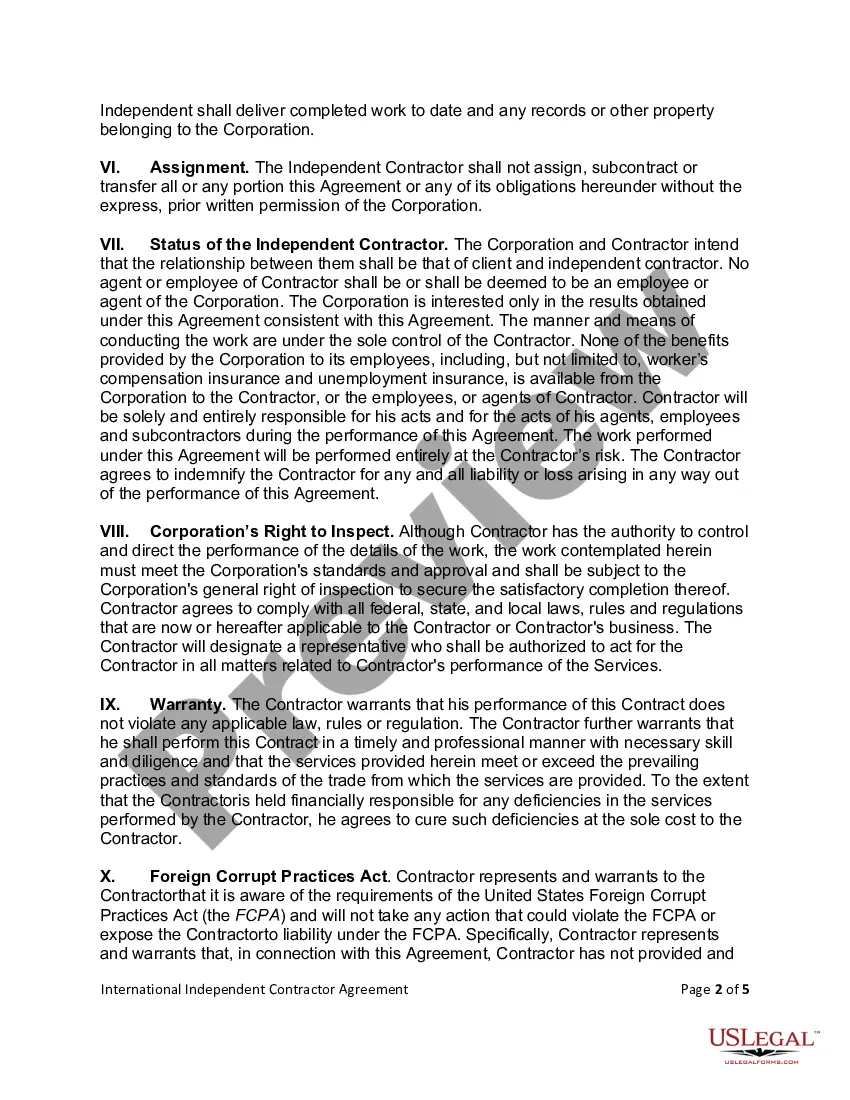
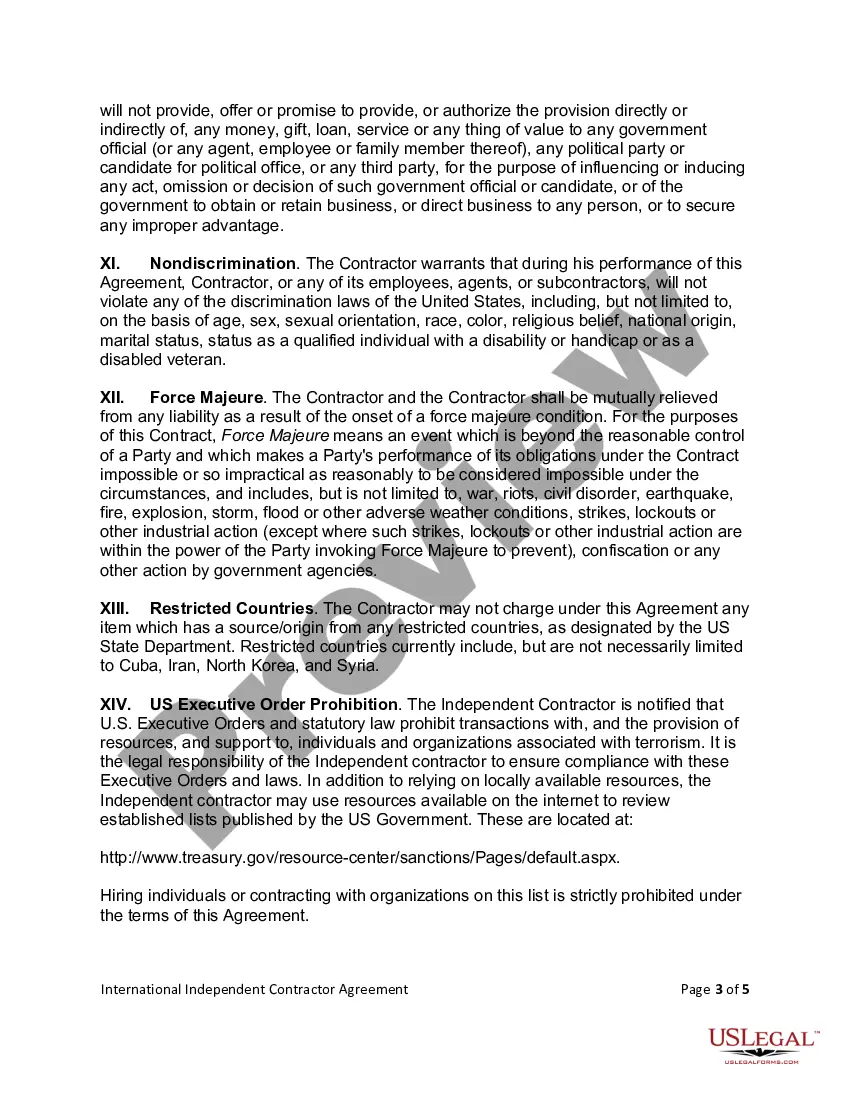
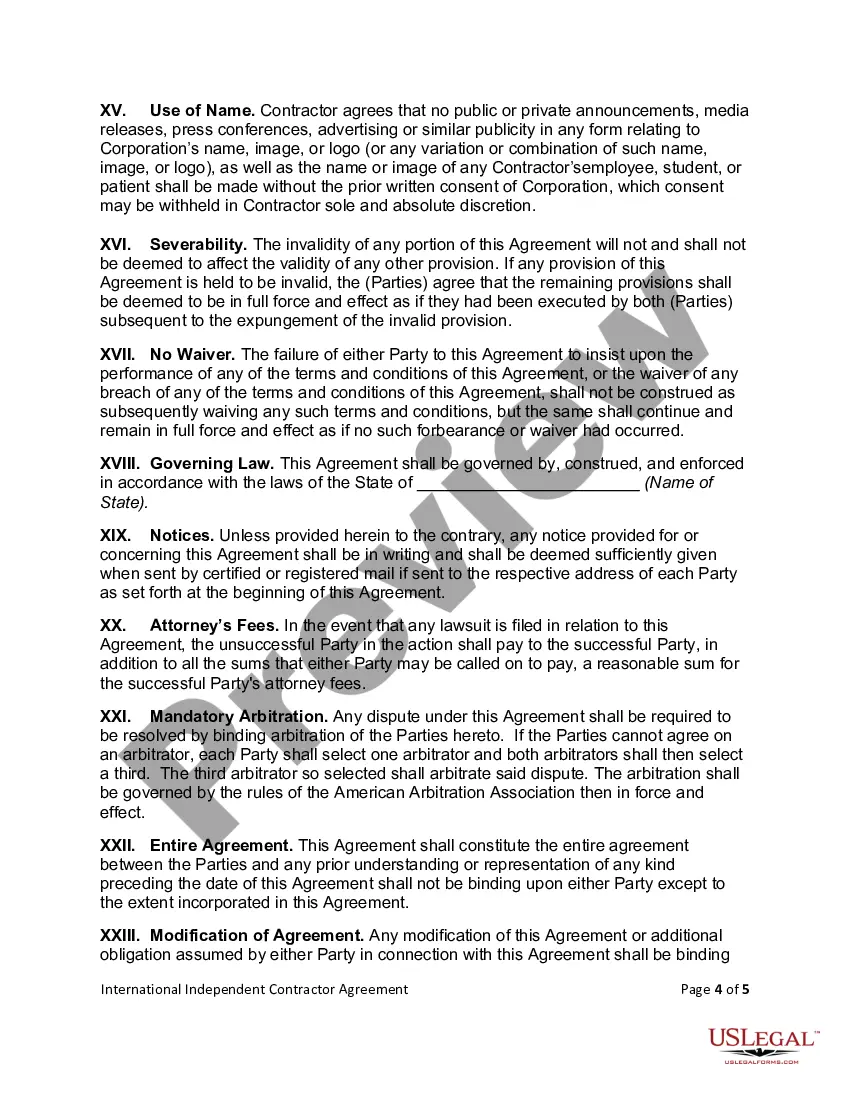
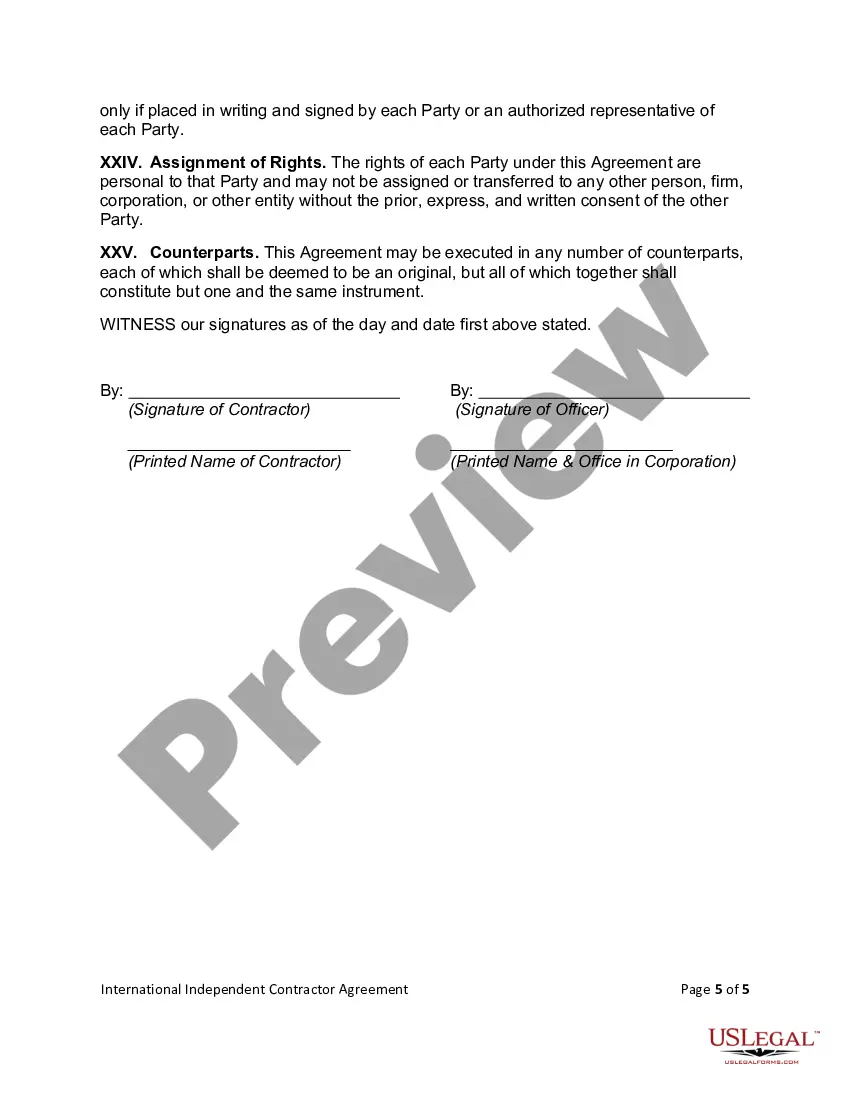
Get your form ready online
Our built-in tools help you complete, sign, share, and store your documents in one place.
Make edits, fill in missing information, and update formatting in US Legal Forms—just like you would in MS Word.
Download a copy, print it, send it by email, or mail it via USPS—whatever works best for your next step.
Sign and collect signatures with our SignNow integration. Send to multiple recipients, set reminders, and more. Go Premium to unlock E-Sign.
If this form requires notarization, complete it online through a secure video call—no need to meet a notary in person or wait for an appointment.
We protect your documents and personal data by following strict security and privacy standards.

Make edits, fill in missing information, and update formatting in US Legal Forms—just like you would in MS Word.

Download a copy, print it, send it by email, or mail it via USPS—whatever works best for your next step.

Sign and collect signatures with our SignNow integration. Send to multiple recipients, set reminders, and more. Go Premium to unlock E-Sign.

If this form requires notarization, complete it online through a secure video call—no need to meet a notary in person or wait for an appointment.

We protect your documents and personal data by following strict security and privacy standards.
Looking for another form?







Form popularity
FAQ
Foreign independent contractors must submit IRS Form W-8BEN or W-8BEN-E to certify their foreign status and claim any applicable tax treaty benefits. The US company may also need to file Form 1099-NEC if certain conditions are met, though this is more common for domestic contractors.
Incorporating a US subsidiary typically is sufficient for a UK company to establish US operations. However, many US VC investors (particularly at the seed and Series A stages) will require a UK company to establish a US parent company before investing (the so -called “Delaware Flip”).
It is possible to become a contractor in the UK as a foreigner; however, doing so is complicated. People have been considering options abroad for work, travel, and living more in recent years, so it is not surprising that there has also been a rise in overseas contracting.
Steps to Become a Contractor in the UK Set Up Your Business Structure. Decide whether to operate as a sole trader, limited company, or umbrella company. Register Your Business. Set Up Your Finances. Understand Tax Obligations. Additional Business Requirements. Find Opportunities.
The main factor to keep in mind is that any non-American contractor will have to be sponsored by the company utilising their services. There's no way around this and without sponsorship, UK-based professionals in IT or any other industry will have no chance of working in the USA.
Yes, a U.S. company can hire international workers abroad. However, hiring overseas employees comes with unique challenges, such as navigating foreign tax and employment regulations, correctly classifying international workers, and running global payroll.
Top ten tips in drafting and negotiating an international contract Avoiding retaliation claims. The language of the contract. Clear contract prose. Common law versus civil law. Jurisdictional issues. Terms of art. Personnel. In negotiations, expect the unexpected.
There are four essential elements of forming a contract: offer, acceptance, consideration, and intention to create legal relations. Beyond this, the terms of the contract must also be unambiguous, and the parties must have the mental capacity to agree.
Regardless of whether the contract is verbal or written, it has to include: an offer. an acceptance. an intention to create a legal relationship. a consideration (usually monetary).
