Foreign Independent Contractor Agreement With Non Compete Clause In Collin
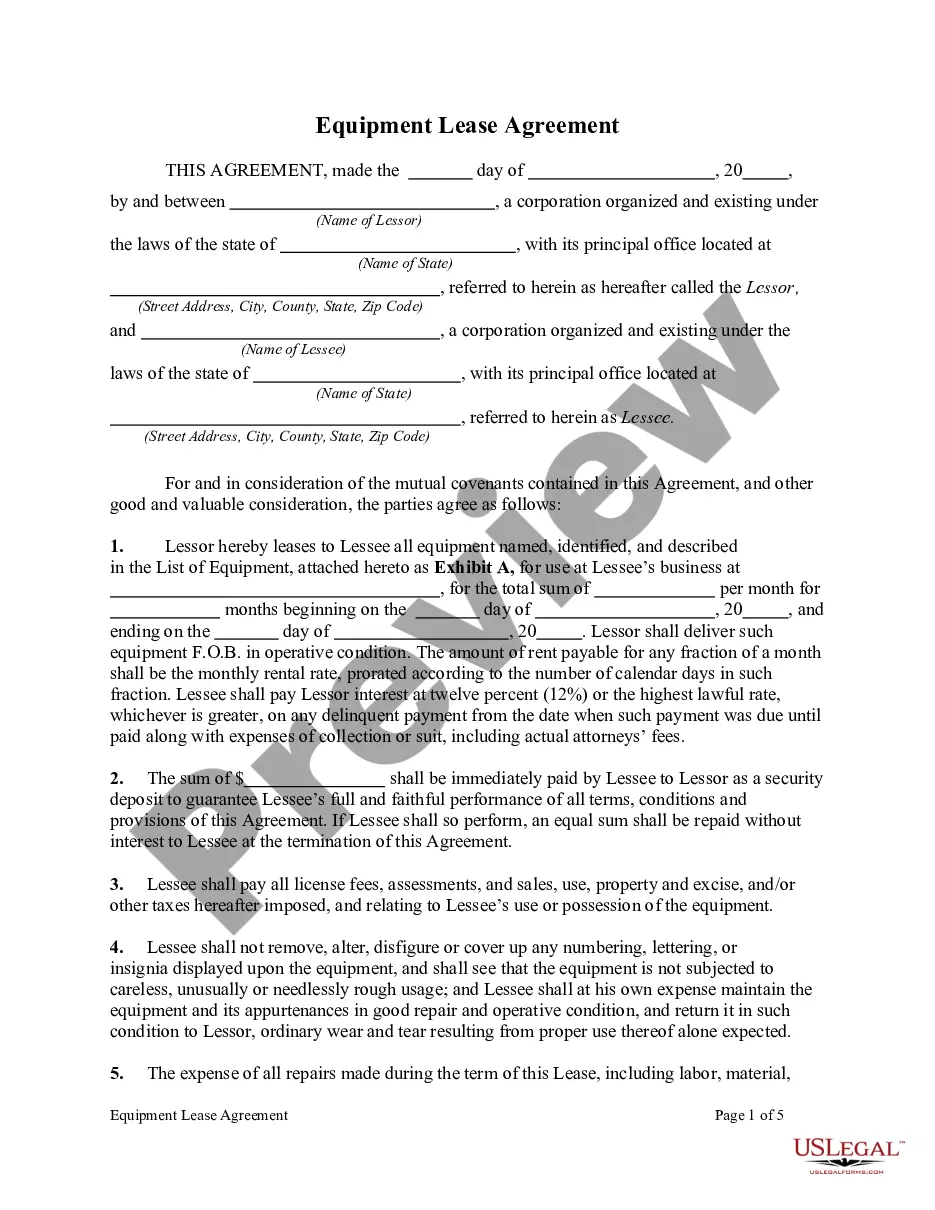
Description





Get your form ready online
Our built-in tools help you complete, sign, share, and store your documents in one place.
Make edits, fill in missing information, and update formatting in US Legal Forms—just like you would in MS Word.
Download a copy, print it, send it by email, or mail it via USPS—whatever works best for your next step.
Sign and collect signatures with our SignNow integration. Send to multiple recipients, set reminders, and more. Go Premium to unlock E-Sign.
If this form requires notarization, complete it online through a secure video call—no need to meet a notary in person or wait for an appointment.
We protect your documents and personal data by following strict security and privacy standards.

Make edits, fill in missing information, and update formatting in US Legal Forms—just like you would in MS Word.

Download a copy, print it, send it by email, or mail it via USPS—whatever works best for your next step.

Sign and collect signatures with our SignNow integration. Send to multiple recipients, set reminders, and more. Go Premium to unlock E-Sign.

If this form requires notarization, complete it online through a secure video call—no need to meet a notary in person or wait for an appointment.

We protect your documents and personal data by following strict security and privacy standards.
Looking for another form?








Form popularity
FAQ
Non-compete clauses will likely be unenforceable if an employee is misclassified as an independent contractor. Typically, independent contractors are experts in their chosen field and can work for multiple companies. They do not have the same benefits as employees and manage their affairs independently.
Even workers labeled as “independent contractors”—who should have the freedom to work for multiple clients—are often required to sign non-competes that limit where they can work. Employers often present non-competes as a “take it or leave it” contract, forcing workers either to sign or forego employment.
In some cases, a technical defect (such as the employer not signing the agreement) can affect enforceability. Finally, the employer's conduct (e.g., unclean hands, or conduct inconsistent with enforcement) can sometimes provide the employee with a good way out of a noncompete.
Texas will enforce a non-compete agreement if it meets certain criteria: It must be included with another agreement (such as an employment offer), and be in exchange for “consideration” (i.e. something in return, such as specialized training or confidential information).
The answer is: Yes, they can be. Texas law makes non-compete agreements enforceable if they are: Accompanied by or part of an otherwise enforceable agreement; Supported by valid consideration (ie.
They are enforceable under the Texas Business & Commerce Code and upheld by the Supreme Court of Texas. An enforceable non-compete agreement must have reasonable limits in time, place and scope.
As previously reported (Dentons Alert), the US Federal Trade Commission (“FTC”) issued a regulation earlier this year that effectively bans most non-competes for employees and independent contractors (the “FTC Rule”). The effective date of the FTC Rule is September 4, 2024.
Yes. It affects everyone in the US, it's a federal ruling. You simply will not have any more non compete clauses in any employment agreements, outside the handful of given exceptions. That does not mean your employer has to tolerate your working for a competitor, however. You will just be subject to termination.
Add information about the parties involved. Describe the terms of the Non-Compete Agreement, such as the length and area of the restriction. If necessary, you can include a non-solicitation clause. Add a confidentiality clause.
