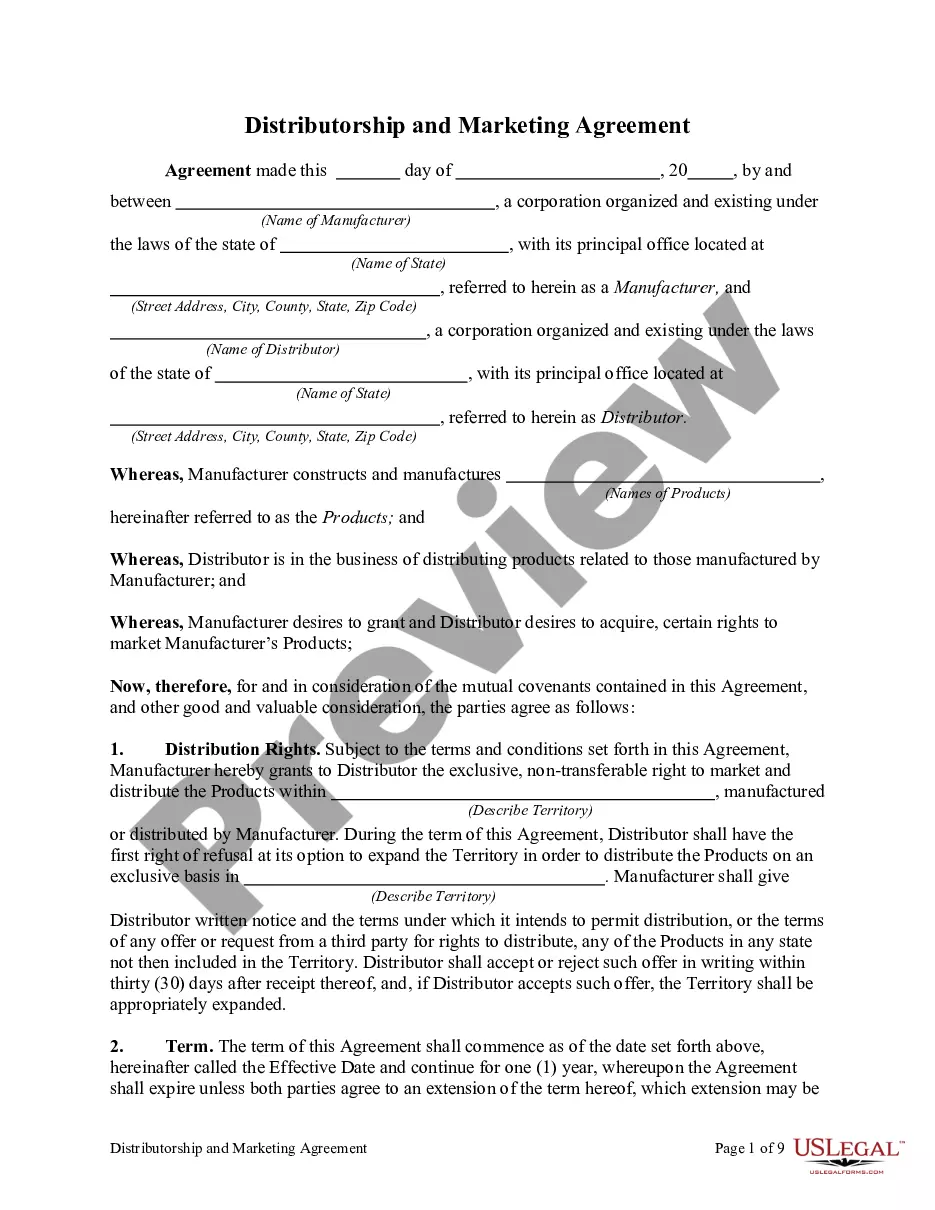
Independent Contractor Agreement With Former Employee In Clark
Description

Get your form ready online
Our built-in tools help you complete, sign, share, and store your documents in one place.
Make edits, fill in missing information, and update formatting in US Legal Forms—just like you would in MS Word.
Download a copy, print it, send it by email, or mail it via USPS—whatever works best for your next step.
Sign and collect signatures with our SignNow integration. Send to multiple recipients, set reminders, and more. Go Premium to unlock E-Sign.
If this form requires notarization, complete it online through a secure video call—no need to meet a notary in person or wait for an appointment.
We protect your documents and personal data by following strict security and privacy standards.

Make edits, fill in missing information, and update formatting in US Legal Forms—just like you would in MS Word.

Download a copy, print it, send it by email, or mail it via USPS—whatever works best for your next step.

Sign and collect signatures with our SignNow integration. Send to multiple recipients, set reminders, and more. Go Premium to unlock E-Sign.

If this form requires notarization, complete it online through a secure video call—no need to meet a notary in person or wait for an appointment.

We protect your documents and personal data by following strict security and privacy standards.
Looking for another form?








Form popularity
FAQ
Below are eight important points to consider including in an independent contractor agreement. Define a Scope of Work. Set a Timeline for the Project. Specify Payment Terms. State Desired Results and Agree on Performance Measurement. Detail Insurance Requirements. Include a Statement of Independent Contractor Relationship.
Key Aspects Rule The rule typically specifies that a contractor cannot work for the same employer for more than 2 consecutive years.
What matters is that the employer has the legal right to control the details of how the services are performed. If an employer-employee relationship exists (regardless of what the relationship is called), then you are not an independent contractor and your earnings are generally not subject to self-employment tax.
Can a business hire a former employee as an independent contractor? Yes, businesses may hire former employees as independent contractors if the relationship can support that classification. For example, you can hire a former employee as a contractor to train new staff, or complete a project or two independently.
You cannot, however, hire a former employee as a contractor and treat them exactly the same as you did when they were an employee. Rather, the work relationship must change to reflect the change in classification.
Yes, it is possible to be a 1099 and W-2 employee simultaneously. If you have a full-time job with a traditional employer, you'll receive a W-2 form.
The contract usually stipulates that notification must be made in writing, with some contracts requiring 30 days' notice and other considerations, such as payment on termination of the contract or return of materials at the time of separation.
To create a contractor agreement, start by outlining the scope of work, including specific tasks and deliverables. Clearly define the payment terms, including rates and schedules, and specify the project's start and end dates. Include clauses for confidentiality, dispute resolution, and termination conditions.
Here are eight steps to quit a freelance job—without totally burning bridges. Check Your Contract. This is an important first step that's far too easy to miss. Provide Plenty of Notice. Clearly Explain That You're Moving On. Give a Brief Reason. Provide an End Date. Express Gratitude. Offer a Referral. Keep in Touch.
What is an independent contractor agreement? The independent contractor agreement (ICA) in real estate is the document that establishes the working relationship between the brokerage and an agent. Typically it clarifies commission splits and broader business practices.