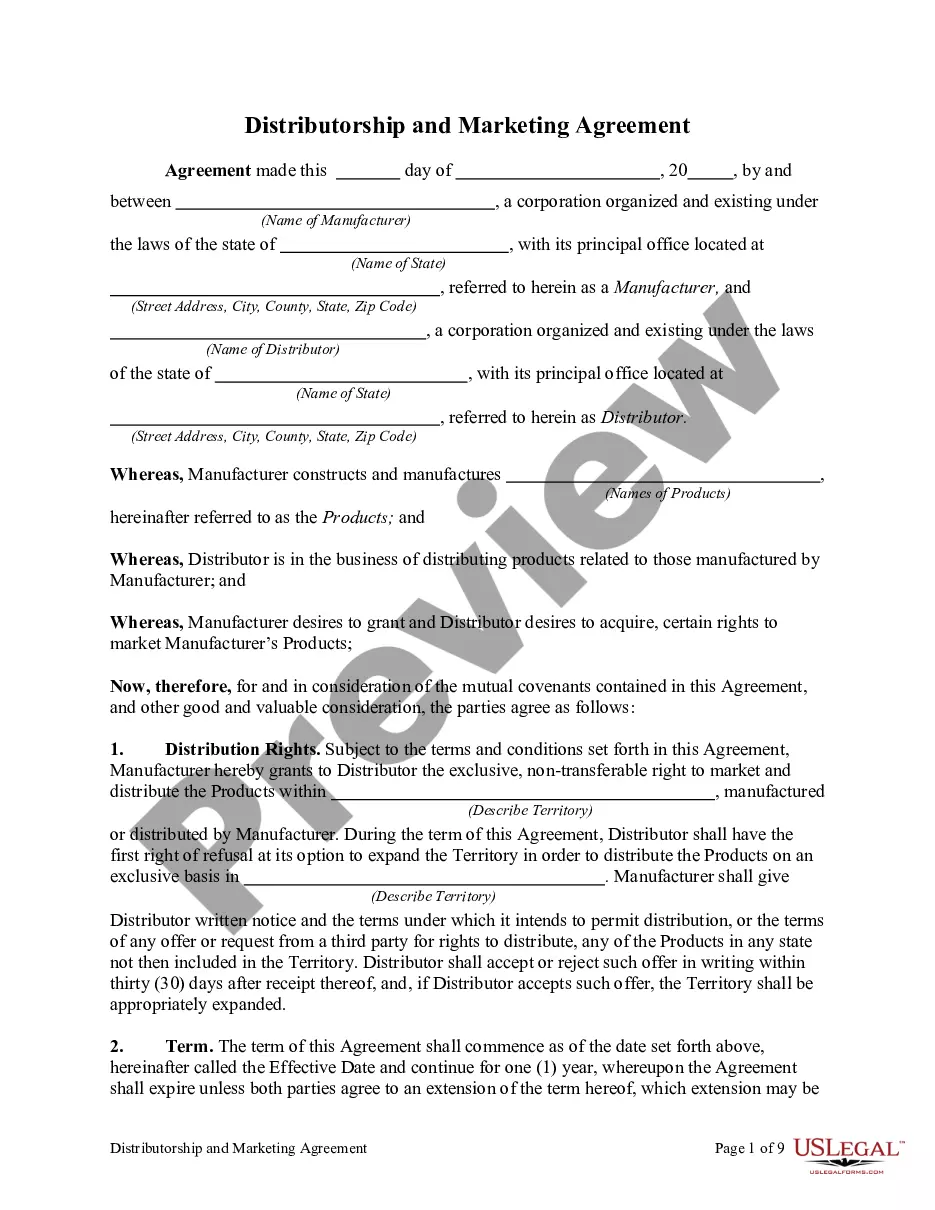
Independent Contractor Agreement With Former Employee In California
Description





Get your form ready online
Our built-in tools help you complete, sign, share, and store your documents in one place.
Make edits, fill in missing information, and update formatting in US Legal Forms—just like you would in MS Word.
Download a copy, print it, send it by email, or mail it via USPS—whatever works best for your next step.
Sign and collect signatures with our SignNow integration. Send to multiple recipients, set reminders, and more. Go Premium to unlock E-Sign.
If this form requires notarization, complete it online through a secure video call—no need to meet a notary in person or wait for an appointment.
We protect your documents and personal data by following strict security and privacy standards.

Make edits, fill in missing information, and update formatting in US Legal Forms—just like you would in MS Word.

Download a copy, print it, send it by email, or mail it via USPS—whatever works best for your next step.

Sign and collect signatures with our SignNow integration. Send to multiple recipients, set reminders, and more. Go Premium to unlock E-Sign.

If this form requires notarization, complete it online through a secure video call—no need to meet a notary in person or wait for an appointment.

We protect your documents and personal data by following strict security and privacy standards.
Looking for another form?



Form popularity
FAQ
An employee owning their own business is not a requirement, but rather one of the factors to consider when determining if someone may be properly classified as an independent contractor. If you feel confident in the IRS criteria on the whole, you may classify their separate work as independent contractor work.
You cannot, however, hire a former employee as a contractor and treat them exactly the same as you did when they were an employee. Rather, the work relationship must change to reflect the change in classification.
Probably not. For an individual to work as an independent contractor, he or she must meet certain classification requirements by both the Internal Revenue Serviceopens in a new tab and the U.S. Department of Laboropens in a new tab that demonstrate the individual is clearly working for himself or herself.
Key Aspects Rule The rule typically specifies that a contractor cannot work for the same employer for more than 2 consecutive years.
At face value, the California AB5 law means that owner-operators who lease on with a trucking company must be treated like full-time employees. This gives owner-operators access to employee benefits such as health insurance and workers' compensation, but it also fundamentally changes the nature of their employment.
AB 5 requires the application of the “ABC test” to determine if workers in California are employees or independent contractors for purposes of the Labor Code, the Unemployment Insurance Code, and the Industrial Welfare Commission (IWC) wage orders.
The law states that employers cannot investigate an applicant's criminal history until after they've issued a conditional offer of employment. Additionally, employers must conduct an individual assessment of the applicant's criminal background as it relates to the responsibilities and duties of the open position.
Can You Run a Background Check on an Independent Contractor? Yes – independent contractors can be screened.
Enacted in 2018, California's Fair Chance Act generally prohibits employers, with five or more employees, from asking a job candidate about their conviction history before making a conditional job offer.
In California, the relationship between businesses and independent contractors is subject to strict legal standards. As of January 1, 2025, having a written contract with certain types of independent contractors is required by law.