Performance Agreement For Administrative Assistant In Santa Clara
Description

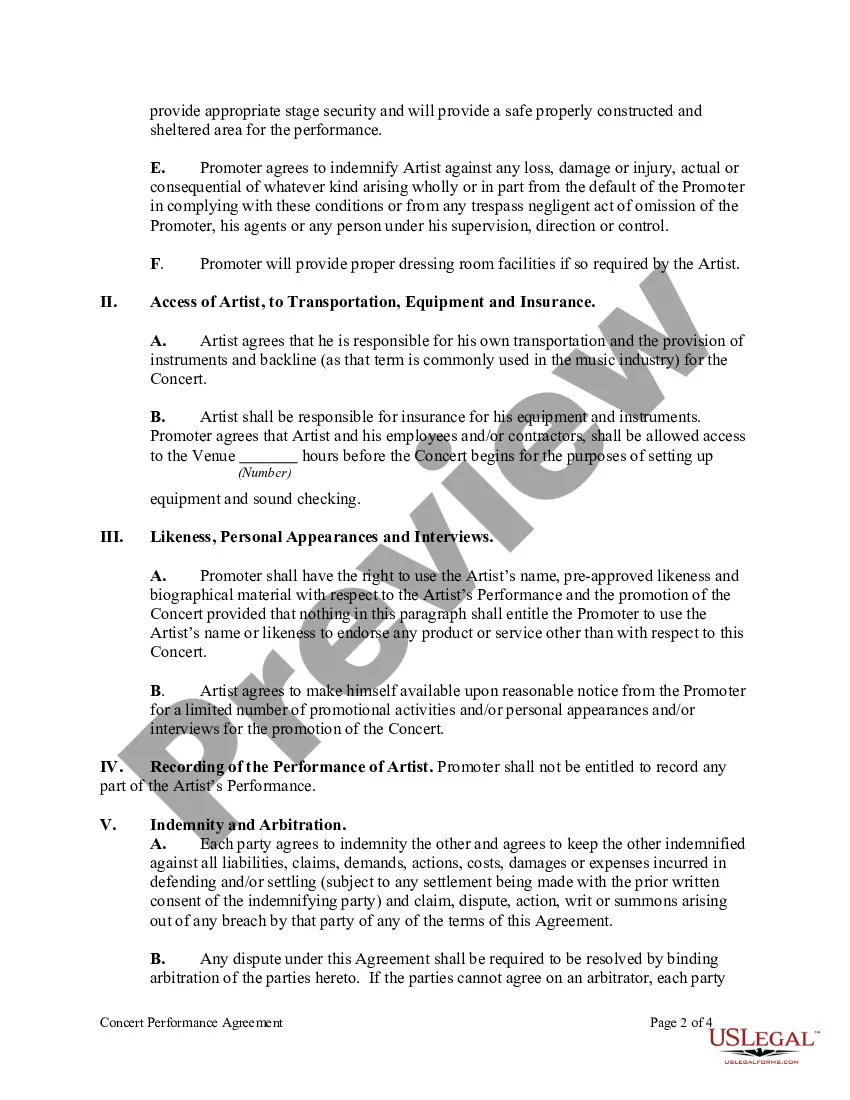
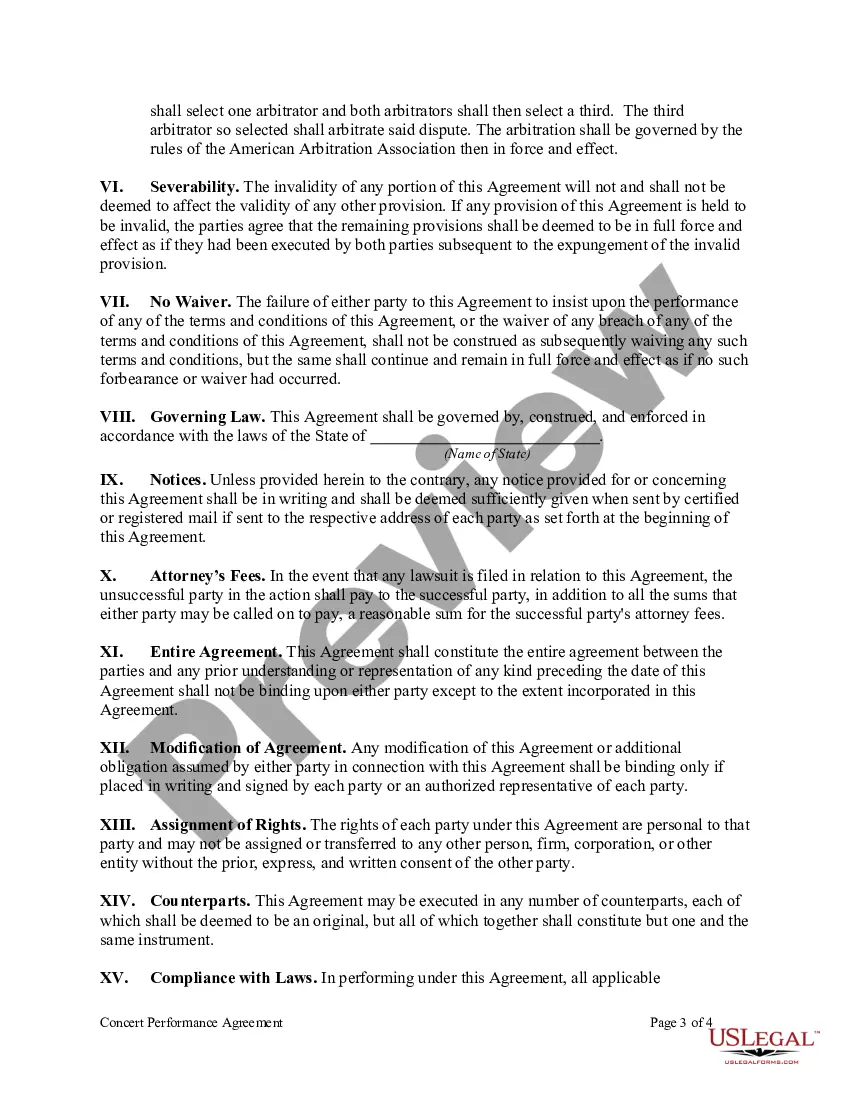
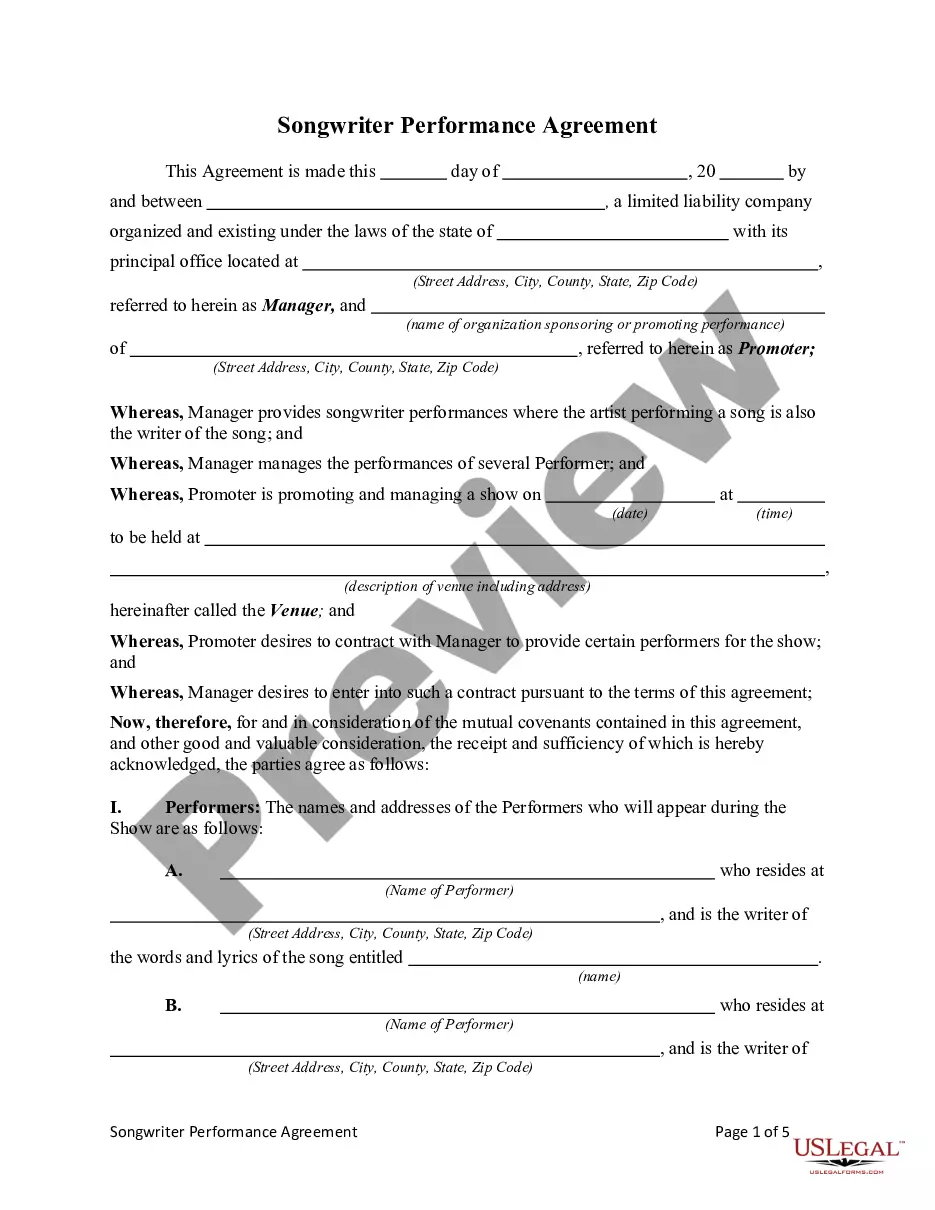
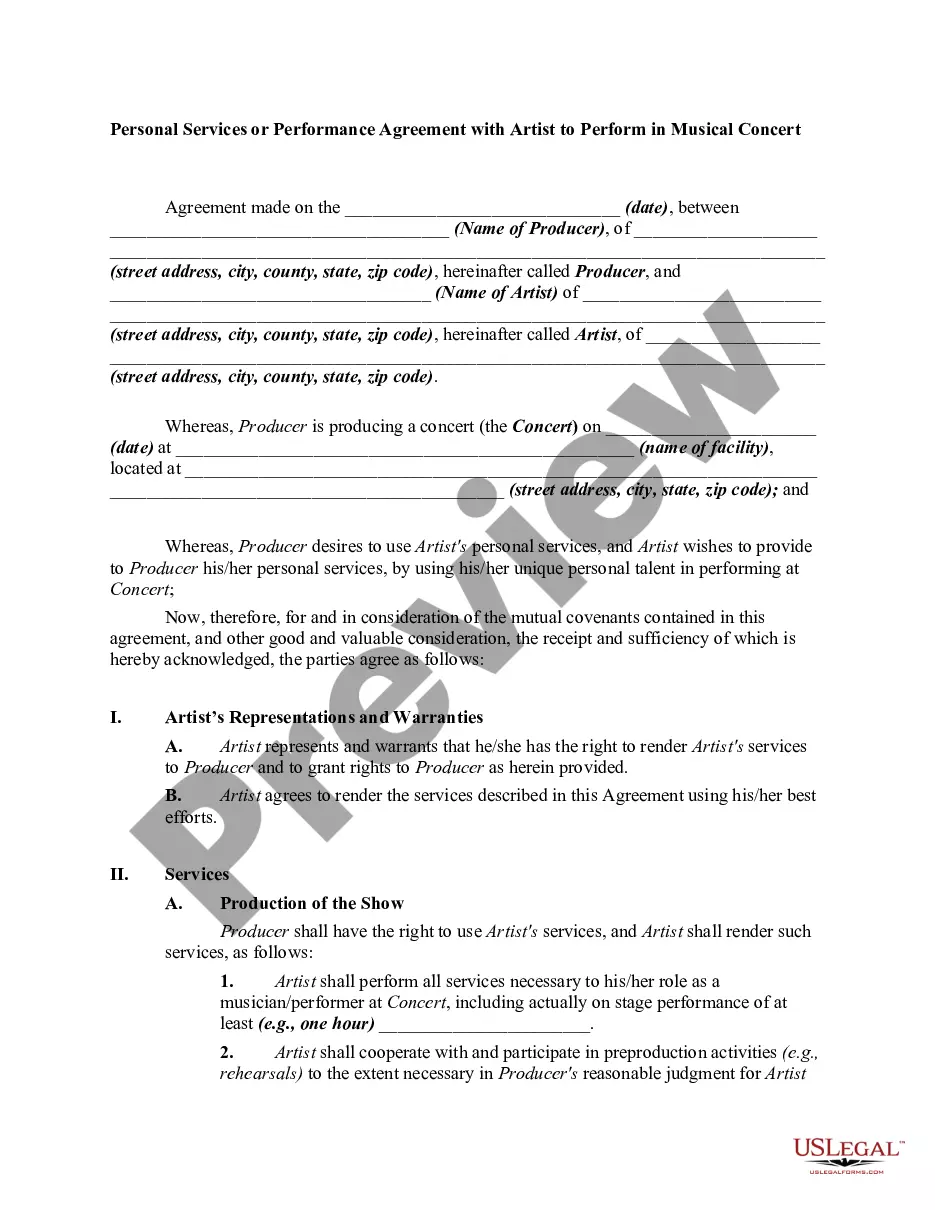
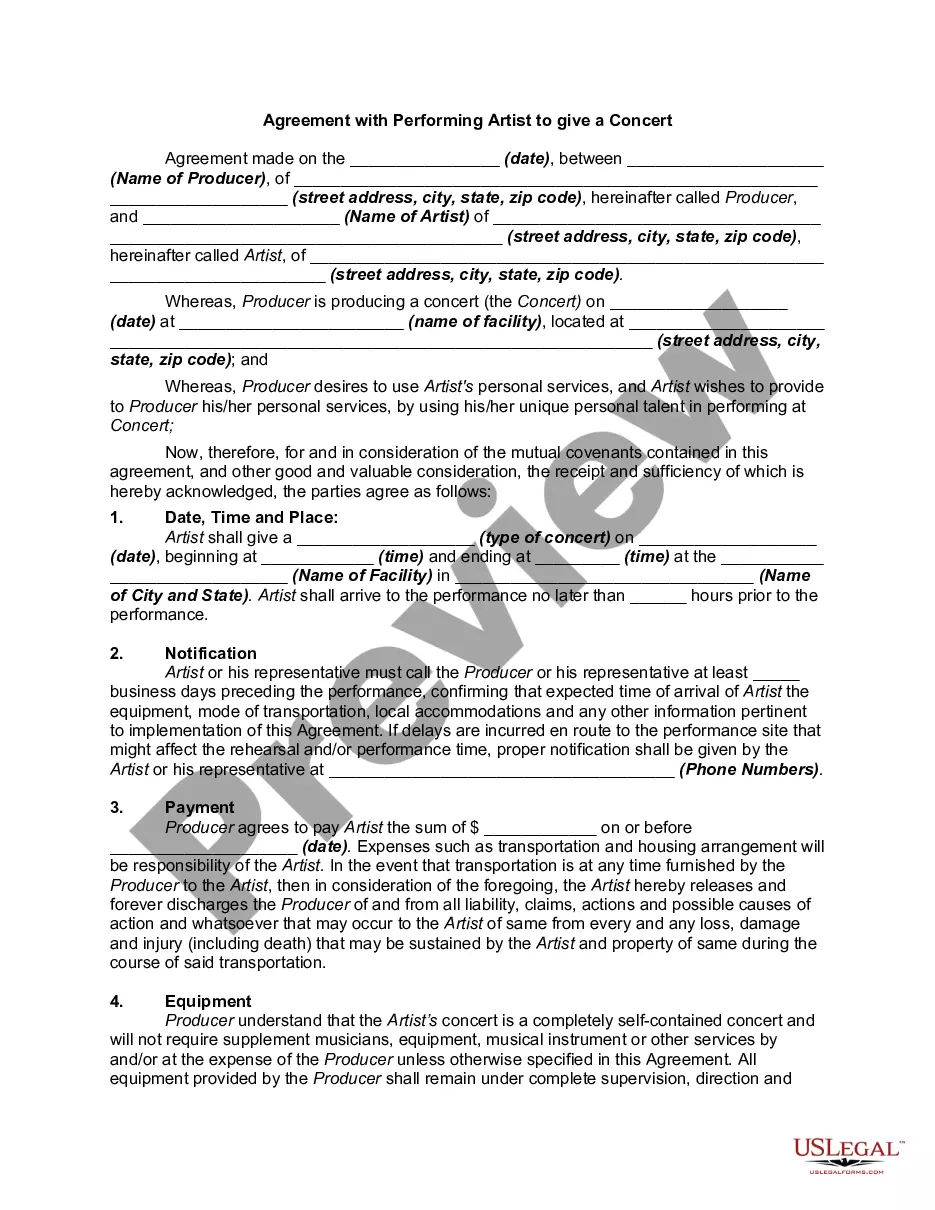
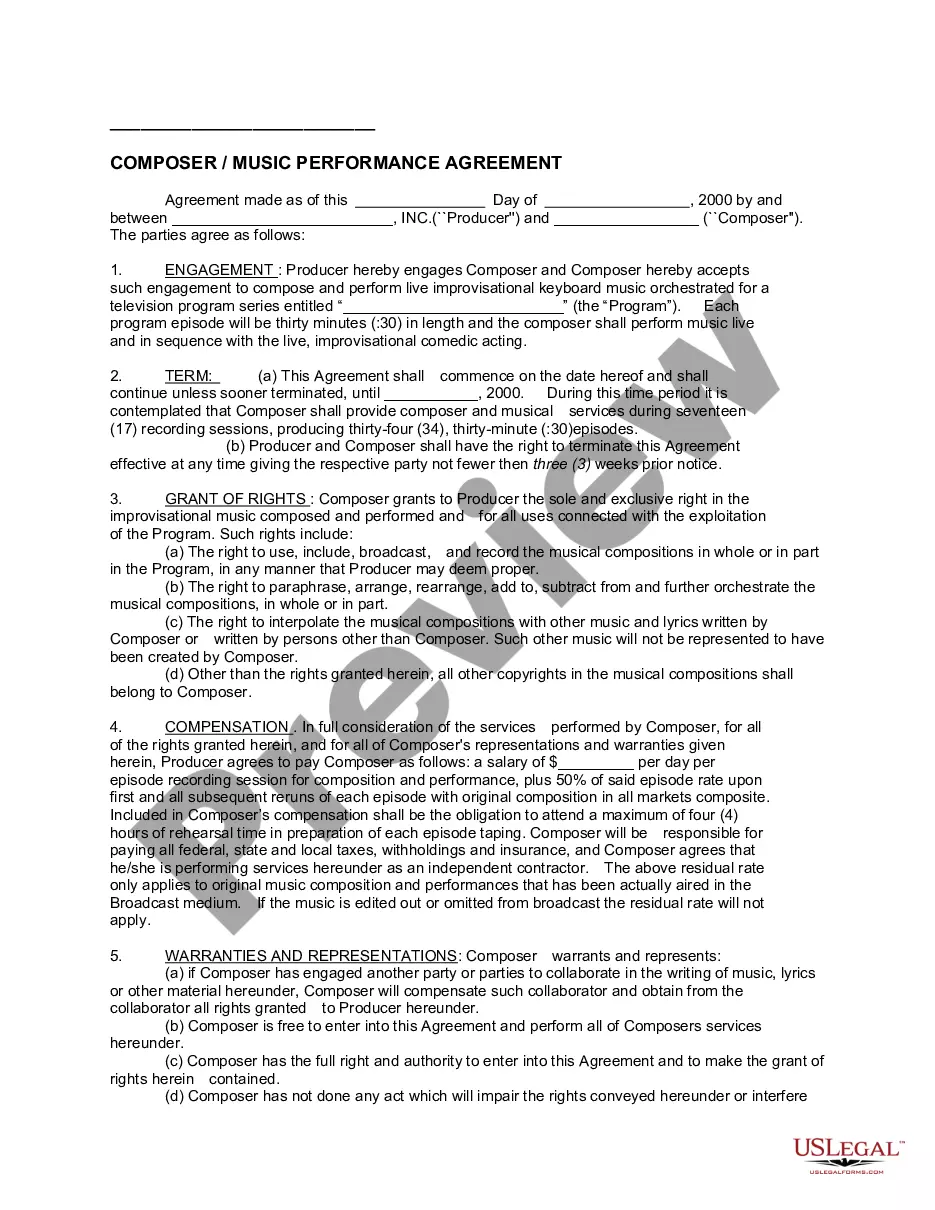
Get your form ready online
Our built-in tools help you complete, sign, share, and store your documents in one place.
Make edits, fill in missing information, and update formatting in US Legal Forms—just like you would in MS Word.
Download a copy, print it, send it by email, or mail it via USPS—whatever works best for your next step.
Sign and collect signatures with our SignNow integration. Send to multiple recipients, set reminders, and more. Go Premium to unlock E-Sign.
If this form requires notarization, complete it online through a secure video call—no need to meet a notary in person or wait for an appointment.
We protect your documents and personal data by following strict security and privacy standards.

Make edits, fill in missing information, and update formatting in US Legal Forms—just like you would in MS Word.

Download a copy, print it, send it by email, or mail it via USPS—whatever works best for your next step.

Sign and collect signatures with our SignNow integration. Send to multiple recipients, set reminders, and more. Go Premium to unlock E-Sign.

If this form requires notarization, complete it online through a secure video call—no need to meet a notary in person or wait for an appointment.

We protect your documents and personal data by following strict security and privacy standards.
Looking for another form?






Form popularity
FAQ
Follow these steps to put an effective performance agreement in place for your staff: Start With Clear Expectations. Build in Milestones. Agree on the Terms. Schedule Accountability Meetings. Establish Outcome Results and Consequences. Sign and Date the Agreement.
Memoranda of Understanding/Agreement (MOU/MOA) MOUs tend to be used for simple common-cause agreements which are not legally binding. MOAs, on the other hand, establish common legal terms that establish a “conditional agreement” where the transfer of funds for services are anticipated.
An MOU clearly defines how the parties will work together and lays out each one's expectations and responsibilities. The goal is to achieve a mutual understanding of the partnership, so you can move forward into an enforceable contract everyone feels confident about.
The purpose of an MOA is to have a written formal understanding of the agreement between parties. An MOA details the obligations and commitments of the parties and allocates and minimizes each party's risks. It can also be referred to as a contract and is legally binding.
A Memorandum of Understanding (MOU) is a signed non-obligating and legally non-binding document that describes the intentions, roles and responsibilities of USAID and other actors who decide to work together to address a shared development challenge.
Here's how you can evaluate administrative assistants using common criteria. Skills Assessment. Time Management. Problem Solving. Interpersonal Skills. Be the first to add your personal experience. Initiative and Drive. Feedback Responsiveness. Be the first to add your personal experience. Here's what else to consider.
The Certified Administrative Assistant (CAA) certification is a certification offered by the National Career Certification Board (NCCB). The NCCB offers several certifications for professionals. To earn the CAA, you'll need to pass the CAA exam.
To identify key performance indicators (KPIs) in your administrative assistant role, focus on metrics such as task completion rate, accuracy of work, timeliness, communication efficiency, and client or colleague satisfaction.
Assessing administrative assistants involves evaluating their organizational, communication, time management, and software use skills. This can be done through exercises that test their ability to organize data, handle conflicting demands, manage their time effectively, and use office software proficiently.
