Performance Agreement For In San Bernardino
Description

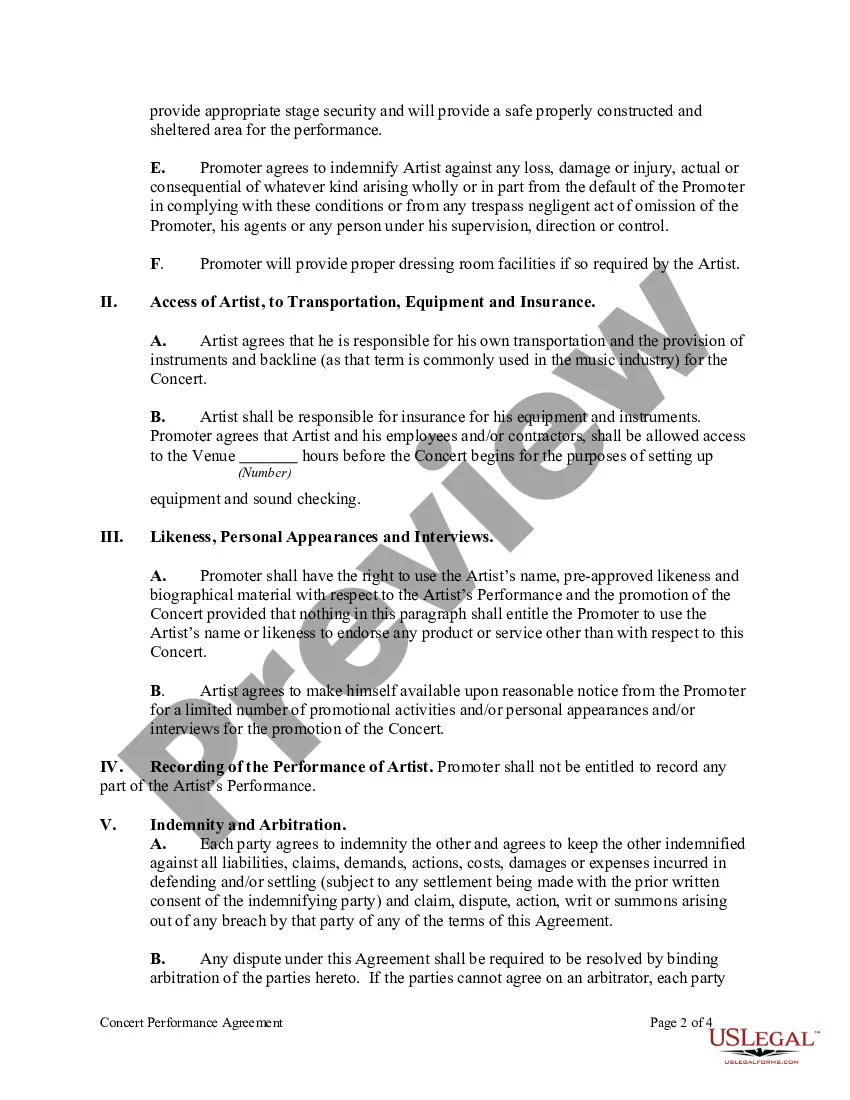
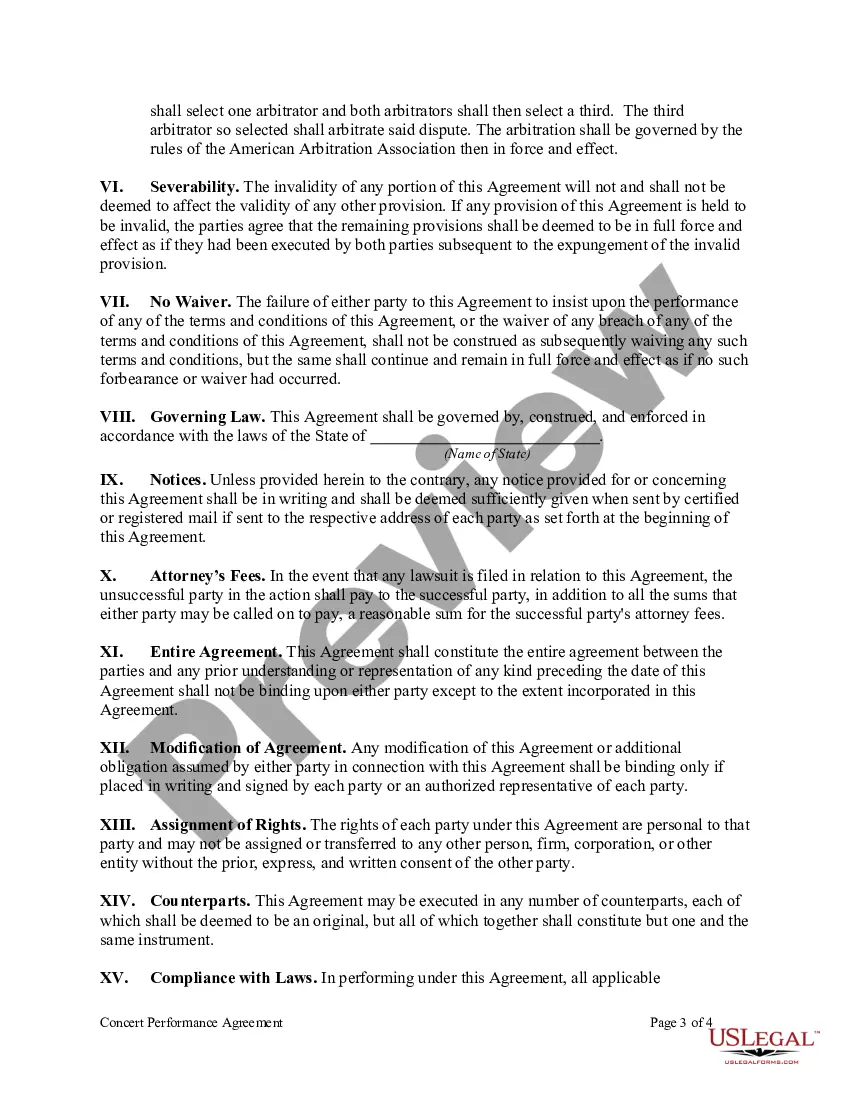
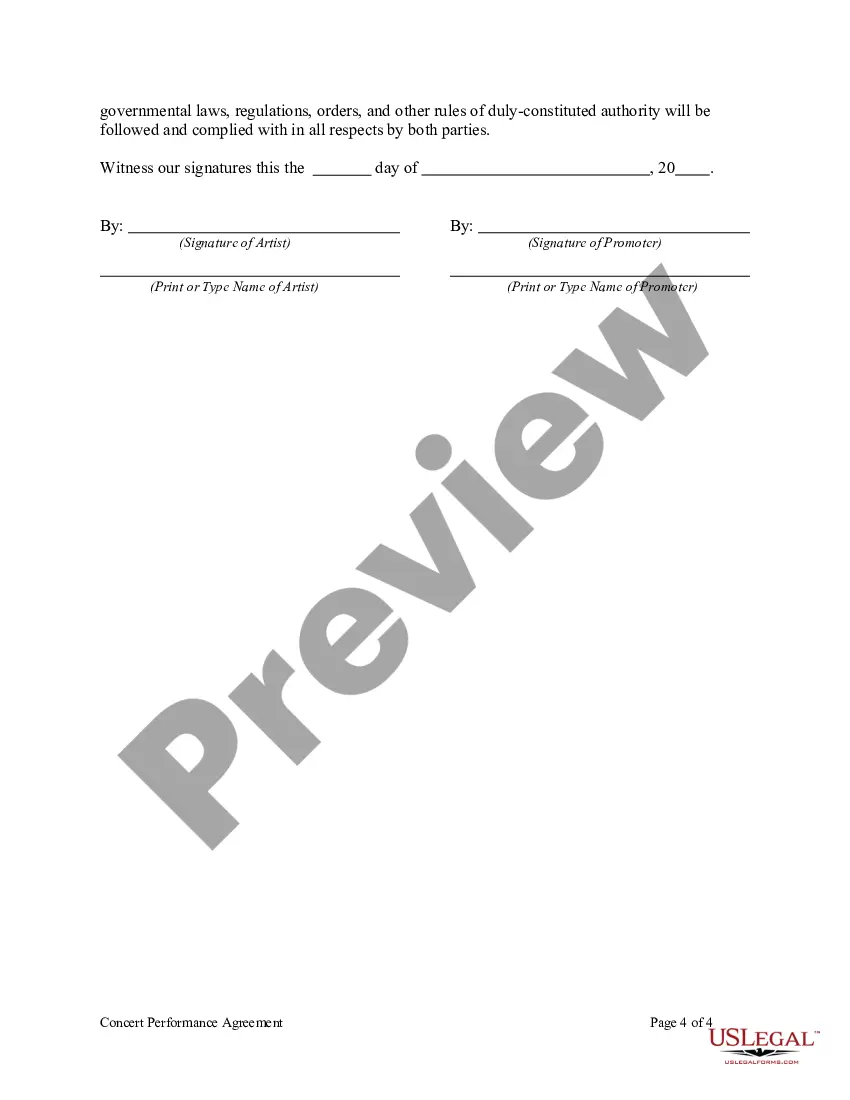
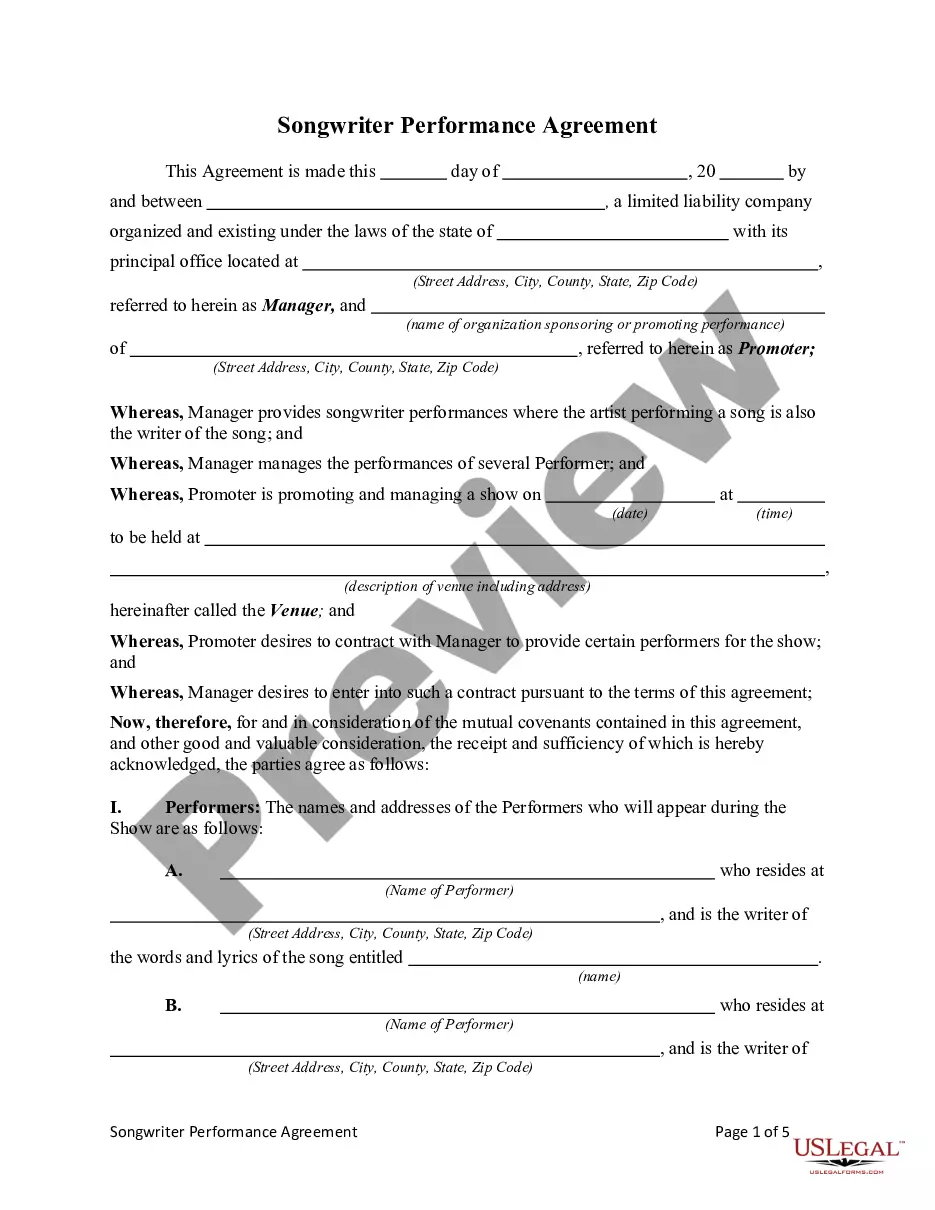
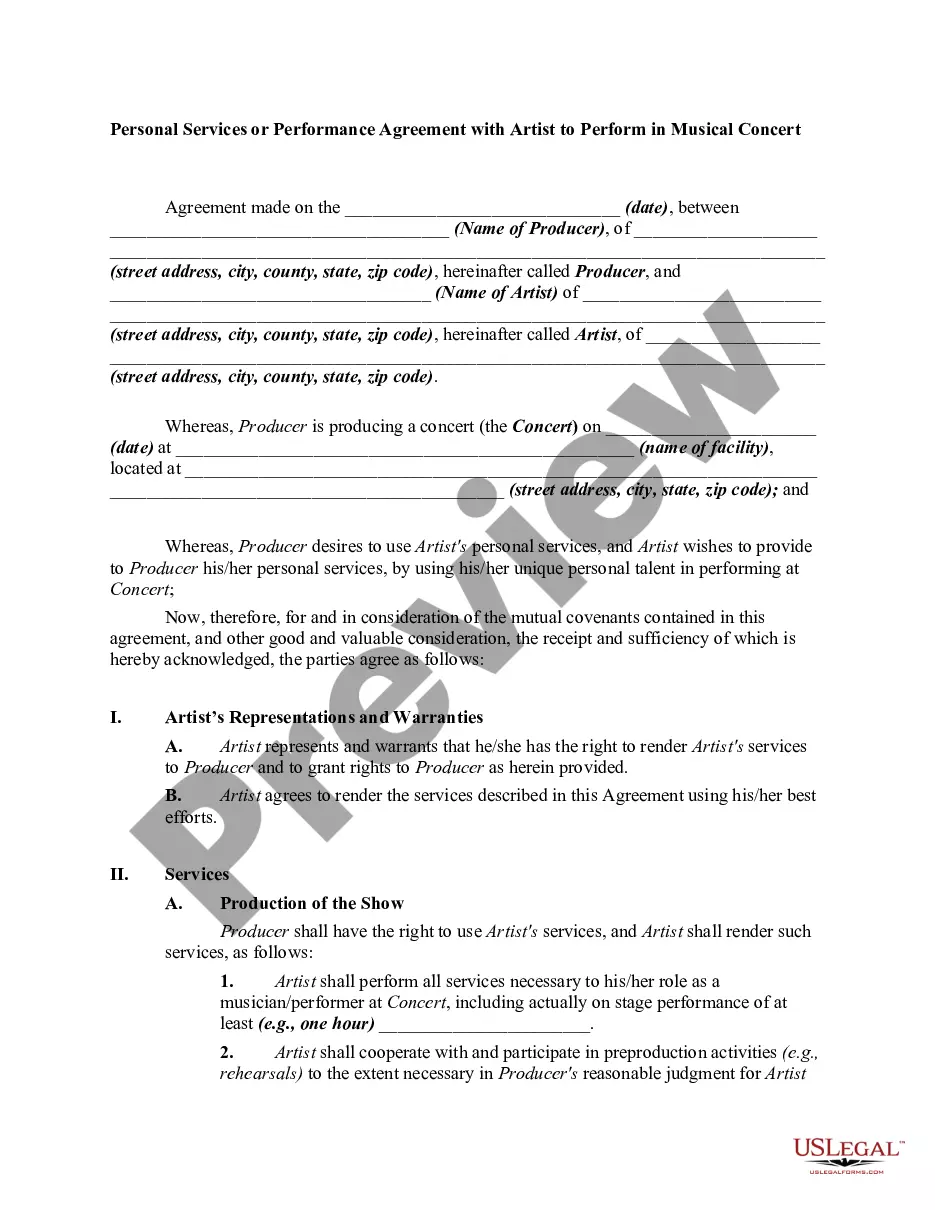
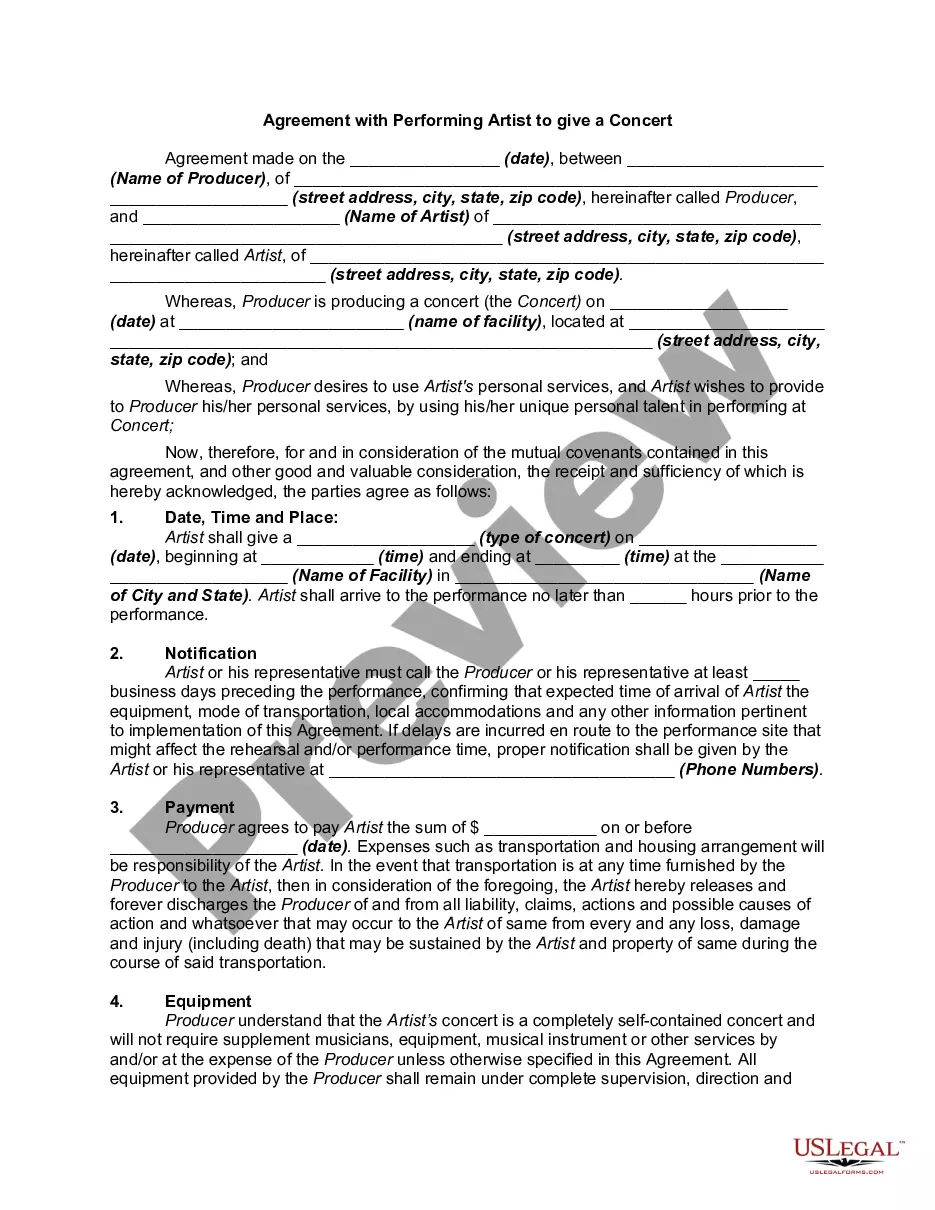
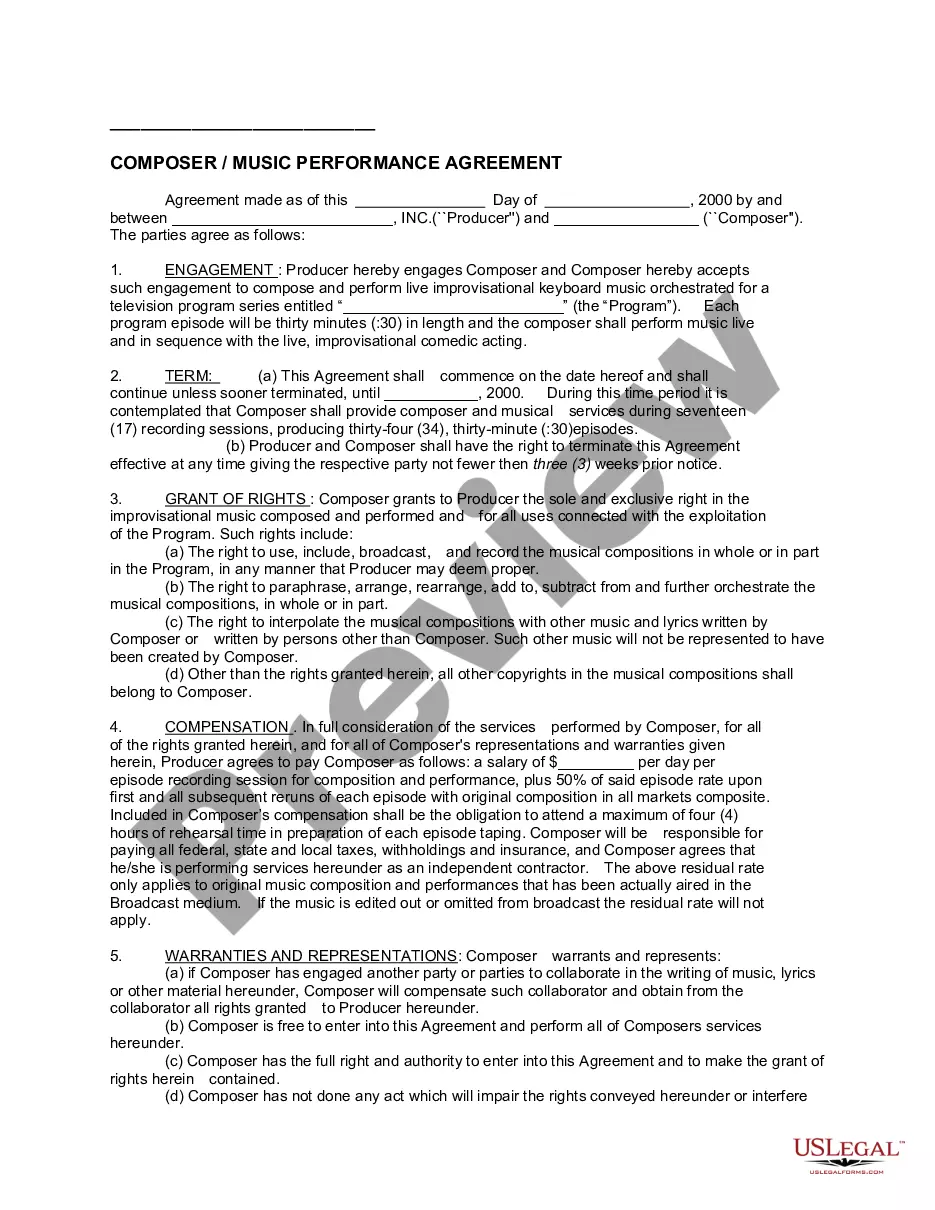
Get your form ready online
Our built-in tools help you complete, sign, share, and store your documents in one place.
Make edits, fill in missing information, and update formatting in US Legal Forms—just like you would in MS Word.
Download a copy, print it, send it by email, or mail it via USPS—whatever works best for your next step.
Sign and collect signatures with our SignNow integration. Send to multiple recipients, set reminders, and more. Go Premium to unlock E-Sign.
If this form requires notarization, complete it online through a secure video call—no need to meet a notary in person or wait for an appointment.
We protect your documents and personal data by following strict security and privacy standards.

Make edits, fill in missing information, and update formatting in US Legal Forms—just like you would in MS Word.

Download a copy, print it, send it by email, or mail it via USPS—whatever works best for your next step.

Sign and collect signatures with our SignNow integration. Send to multiple recipients, set reminders, and more. Go Premium to unlock E-Sign.

If this form requires notarization, complete it online through a secure video call—no need to meet a notary in person or wait for an appointment.

We protect your documents and personal data by following strict security and privacy standards.
Looking for another form?




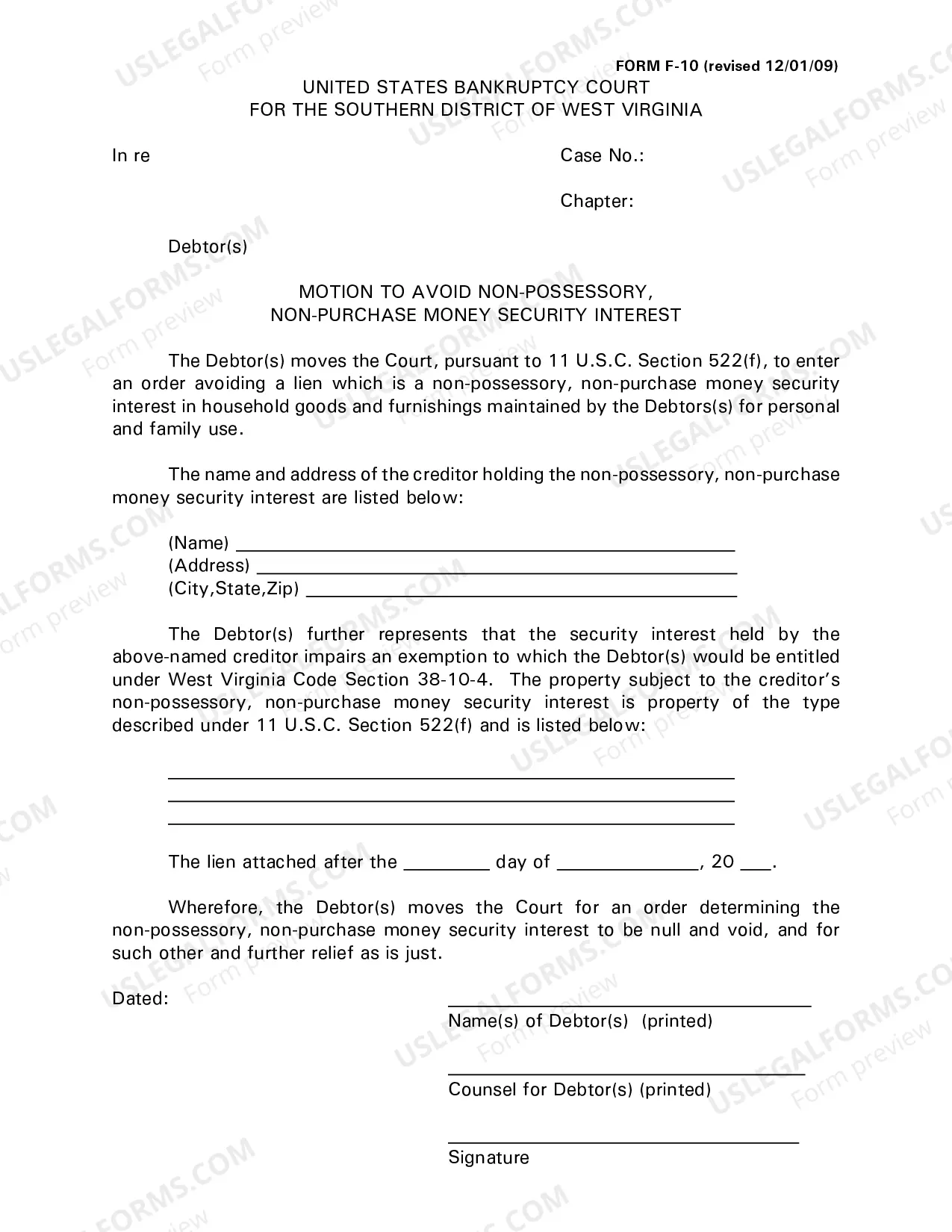

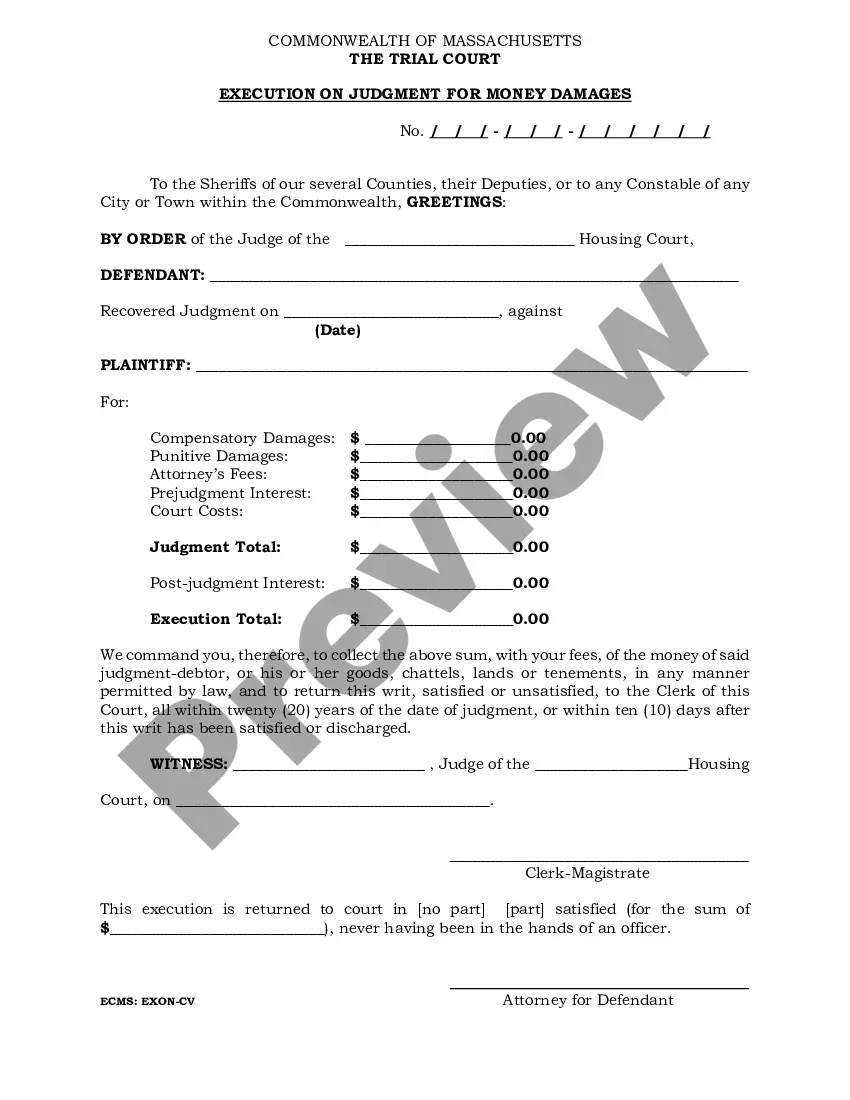

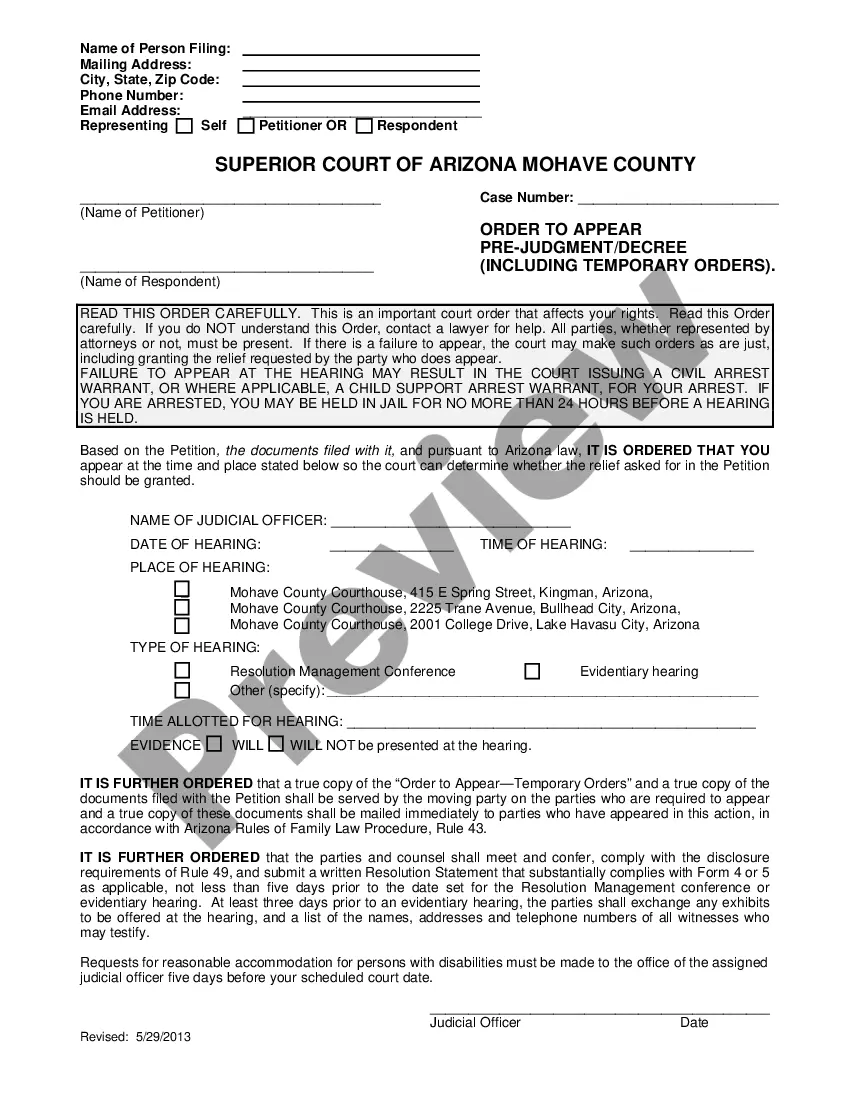
Form popularity
FAQ
“Agreements to agree” are not binding in California. Nor are preliminary negotiations the same as a valid agreement.
Generally, agreements to agree are unenforceable because of the absolute discretion of parties to agree or disagree.
However the agreeement's essential terms need to be certain enough to act as a basis when determining whether there has been a breach. Additionally, an agreement to agree is not enforceable.
Someone subject to a direct threat cannot legally agree to a binding contract. Similarly, intense coercion can also affect the enforceability of a contract. Finally, intentional fraud on the part of one party could lead to an unenforceable contract due to their misrepresentation of the circumstances.
The basic elements required for the agreement to be a legally enforceable contract are: mutual assent, expressed by a valid offer and acceptance; adequate consideration; capacity; and legality. In some states, elements of consideration can be satisfied by a valid substitute.
Performance agreements define executive accountability for specific organizational goals, help executives align daily operations, and clarify how work unit activities contribute to the agency's goals and objectives.
