Performance Agreement In Hr In Sacramento
Description

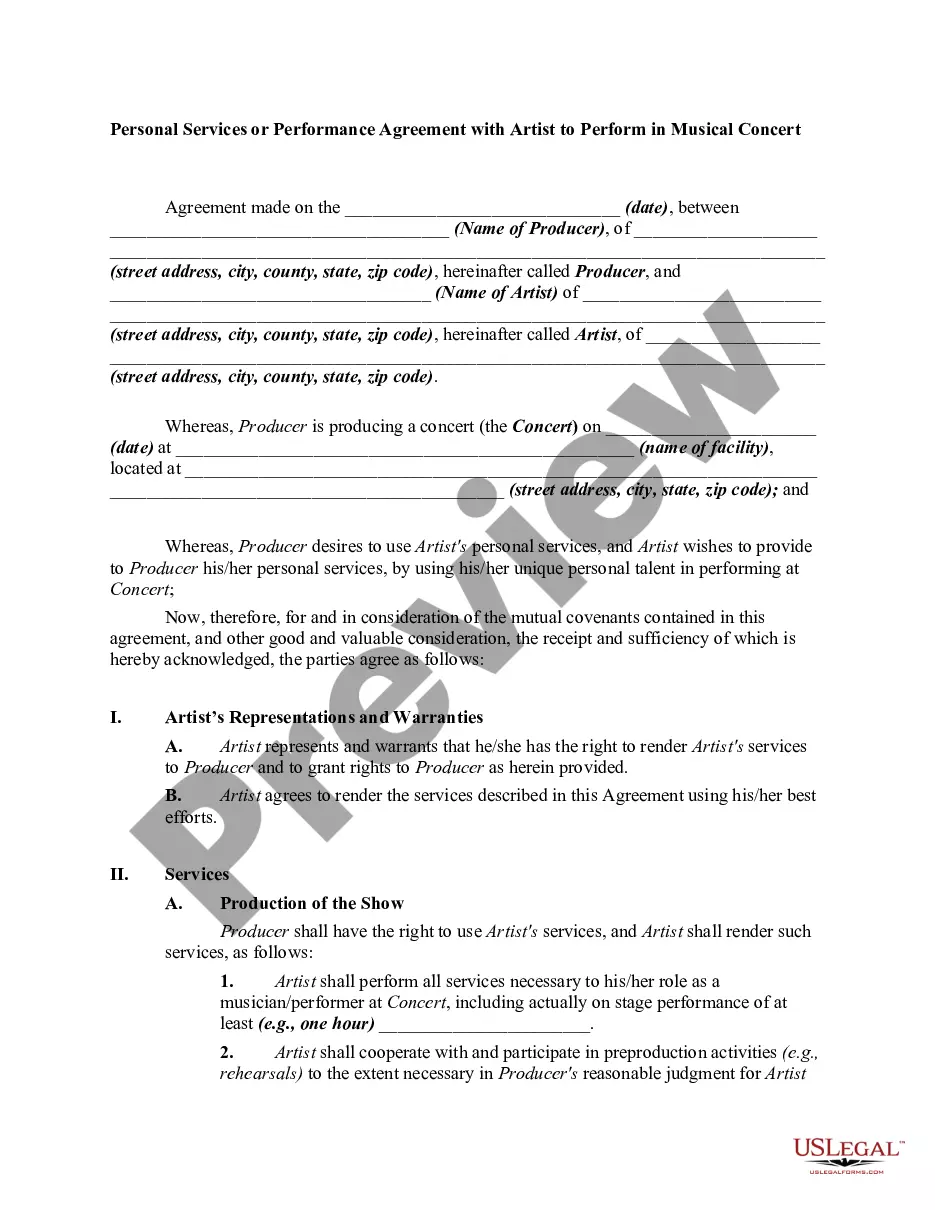
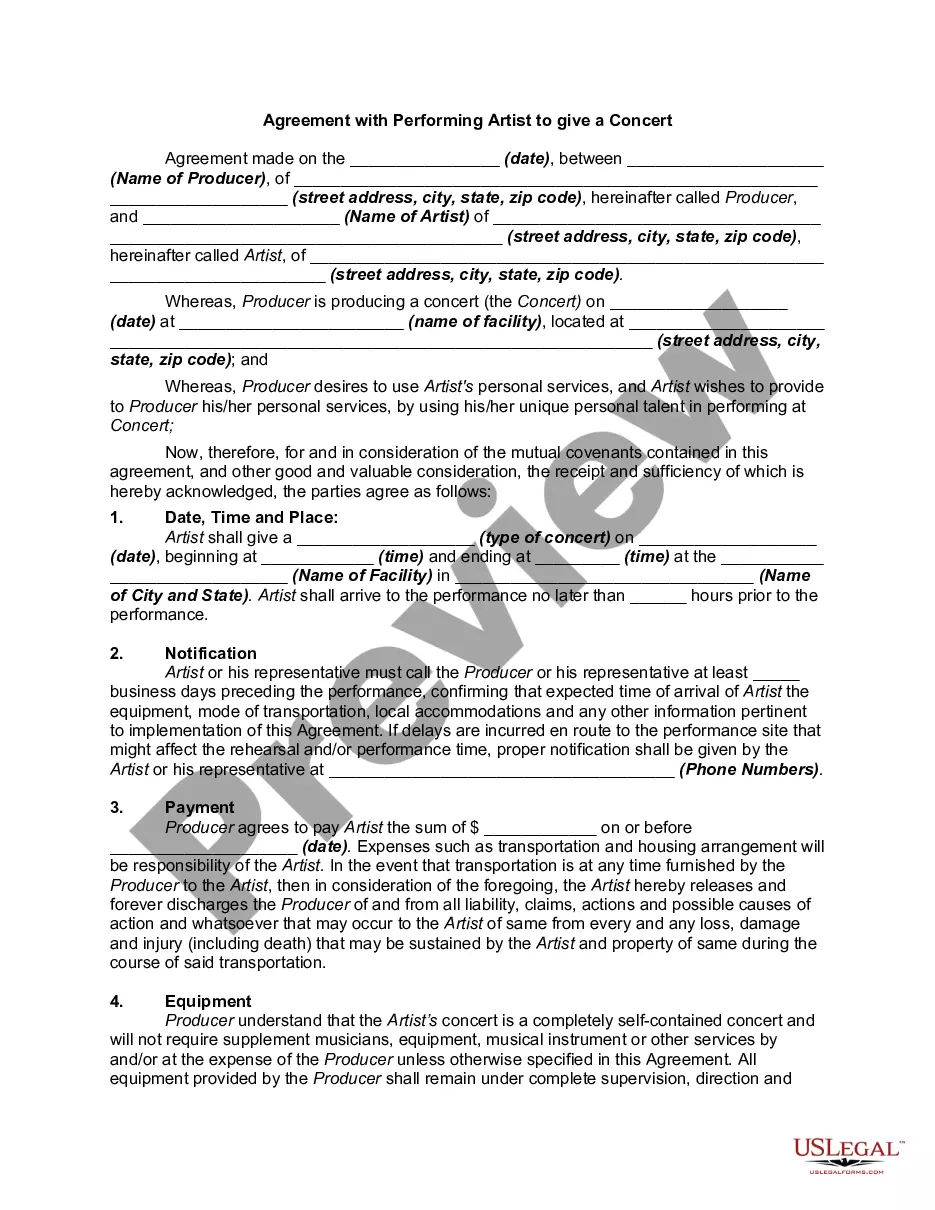
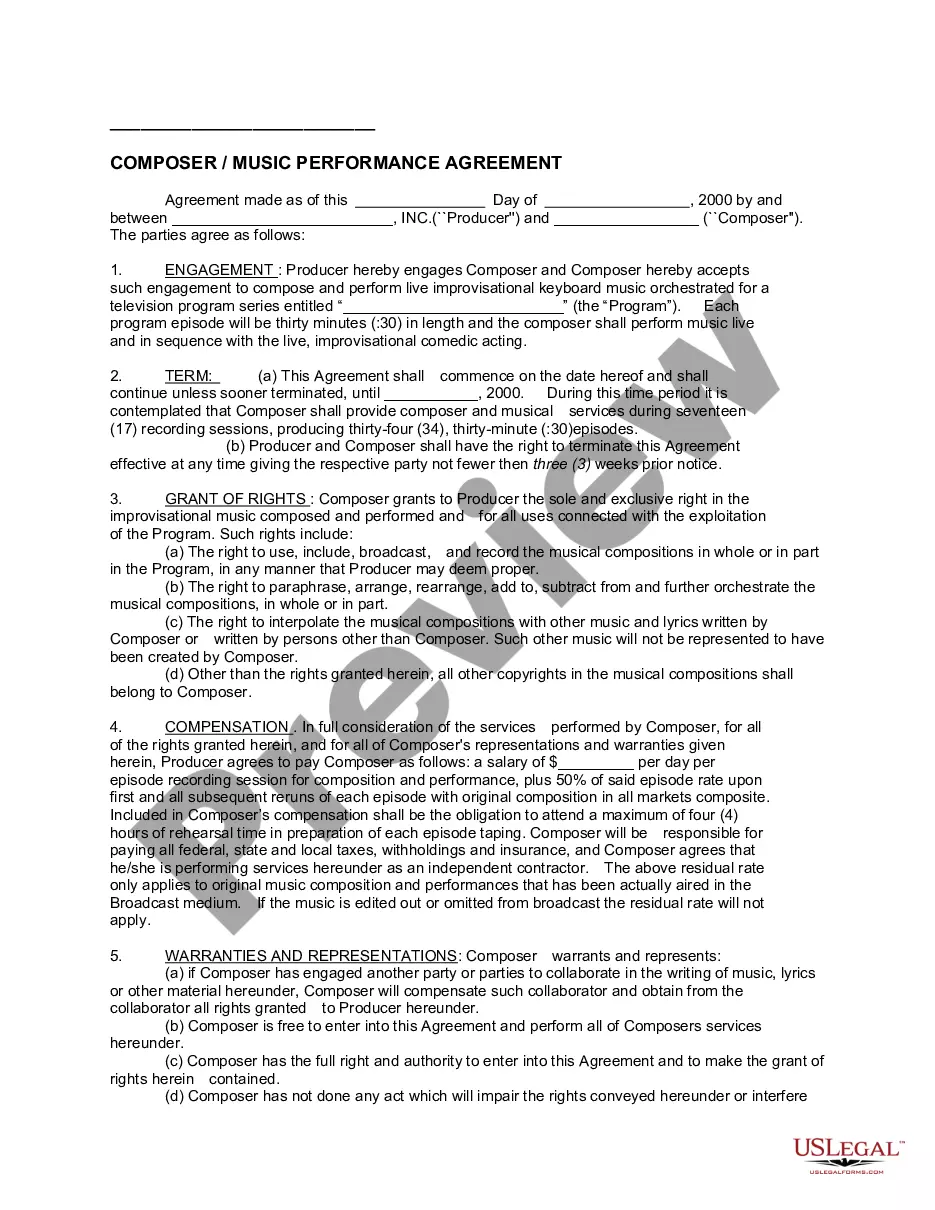
Get your form ready online
Our built-in tools help you complete, sign, share, and store your documents in one place.
Make edits, fill in missing information, and update formatting in US Legal Forms—just like you would in MS Word.
Download a copy, print it, send it by email, or mail it via USPS—whatever works best for your next step.
Sign and collect signatures with our SignNow integration. Send to multiple recipients, set reminders, and more. Go Premium to unlock E-Sign.
If this form requires notarization, complete it online through a secure video call—no need to meet a notary in person or wait for an appointment.
We protect your documents and personal data by following strict security and privacy standards.

Make edits, fill in missing information, and update formatting in US Legal Forms—just like you would in MS Word.

Download a copy, print it, send it by email, or mail it via USPS—whatever works best for your next step.

Sign and collect signatures with our SignNow integration. Send to multiple recipients, set reminders, and more. Go Premium to unlock E-Sign.

If this form requires notarization, complete it online through a secure video call—no need to meet a notary in person or wait for an appointment.

We protect your documents and personal data by following strict security and privacy standards.
Looking for another form?








Form popularity
FAQ
Performance Appraisals are required. Failure to complete Performance Appraisals timely may result in disciplinary action. Employees have a right to appeal their performance appraisals.
Are periodic performance evaluations required? The Fair Labor Standards Act (FLSA) does not require performance evaluations. Performance evaluations are generally a matter of agreement between an employer and employee (or the employee's representative).
There is no law that mandates employers conduct performance reviews. But most employment attorneys always say, "document, document, document.”
Performance agreements define executive accountability for specific organizational goals, help executives align daily operations, and clarify how work unit activities contribute to the agency's goals and objectives. Collaboration across organizational boundaries.
Their is no law requiring employers to provide a performance review.
If you ask HR why you can't abolish performance reviews, they will likely say that an annual performance review is critical data for evaluating year-over-year performance issues, skills gaps across the organization, and necessary documentation for compensation.
The 5 stages of a performance management cycle Planning. Each performance management cycle should start with setting performance expectations, goals, and key performance indicators (KPIs). Monitoring. Developing. Rating. Rewarding. HR professionals. Managers. Employees.
Follow these steps to put an effective performance agreement in place for your staff: Start With Clear Expectations. Build in Milestones. Agree on the Terms. Schedule Accountability Meetings. Establish Outcome Results and Consequences. Sign and Date the Agreement.
The performance management process consists of a series of stages where managers and employees manage goals, monitor performance, and assess outcomes. Traditional performance management systems follow a typical cadence of quarterly, bi-annually, or annual reviews.
