Performance Agreement For Personal Assistant In Pennsylvania
Description

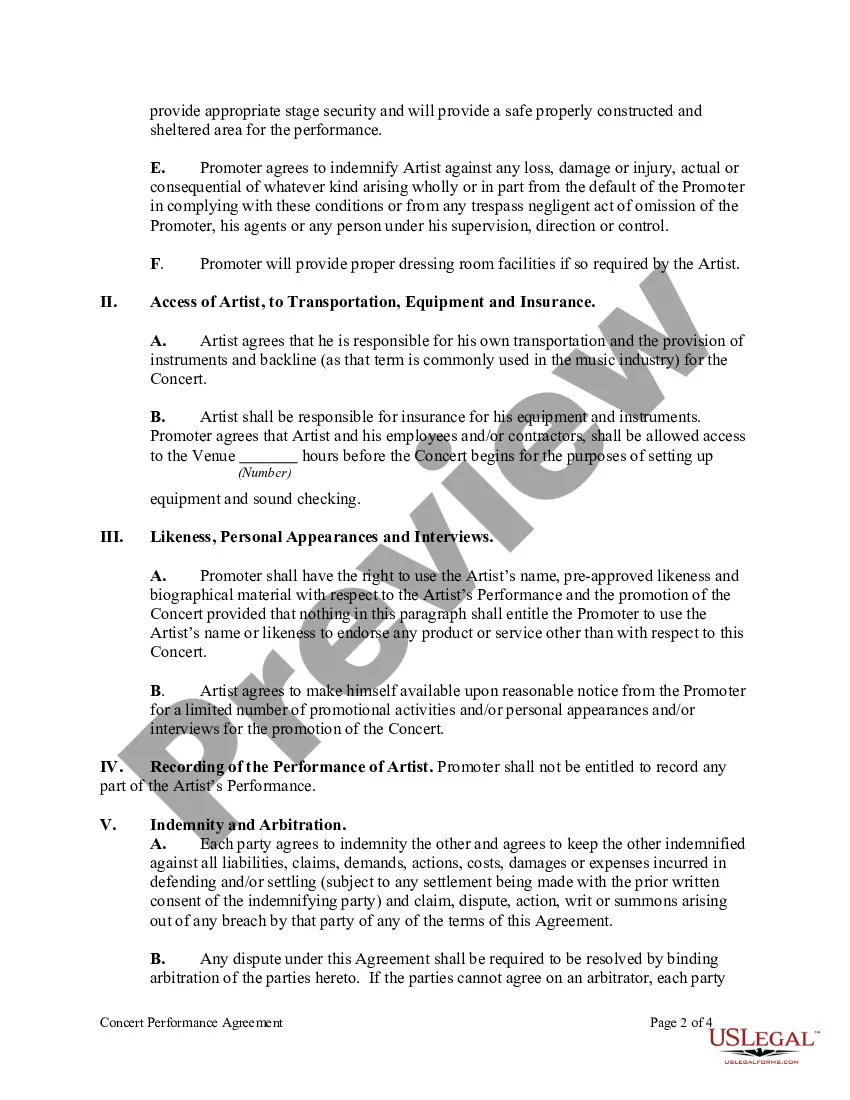
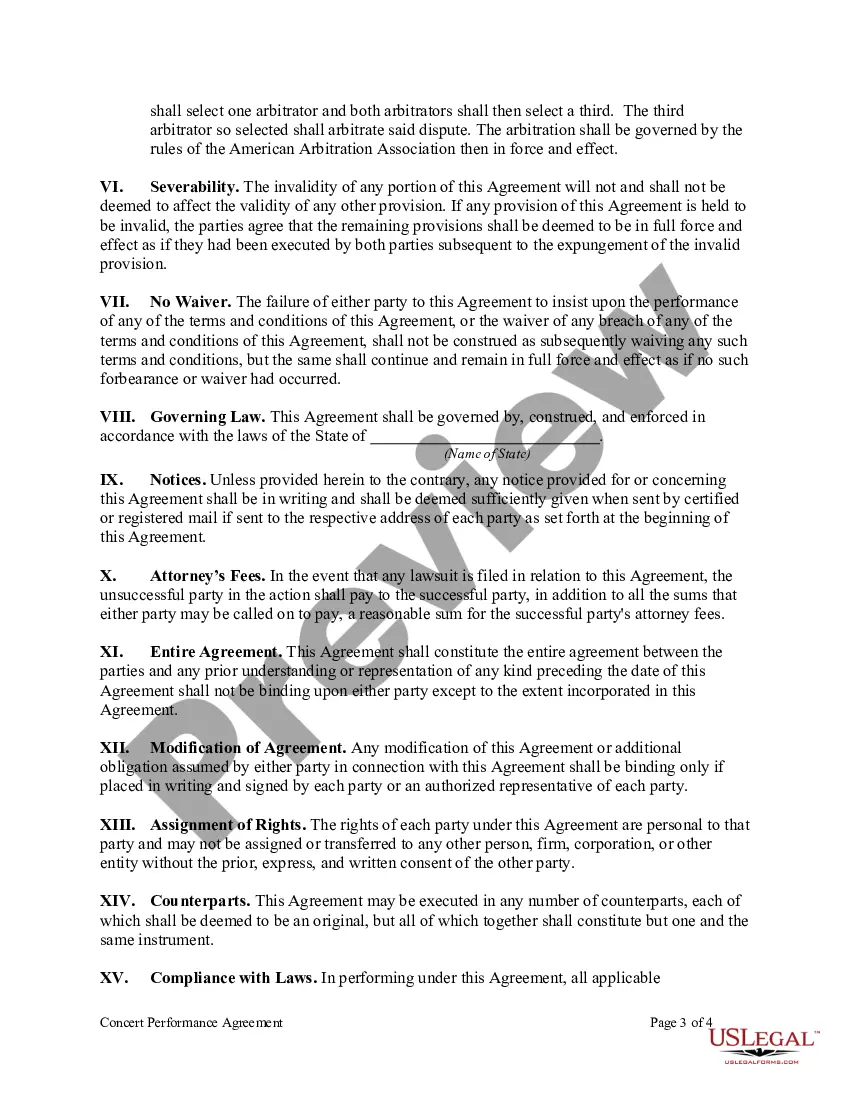
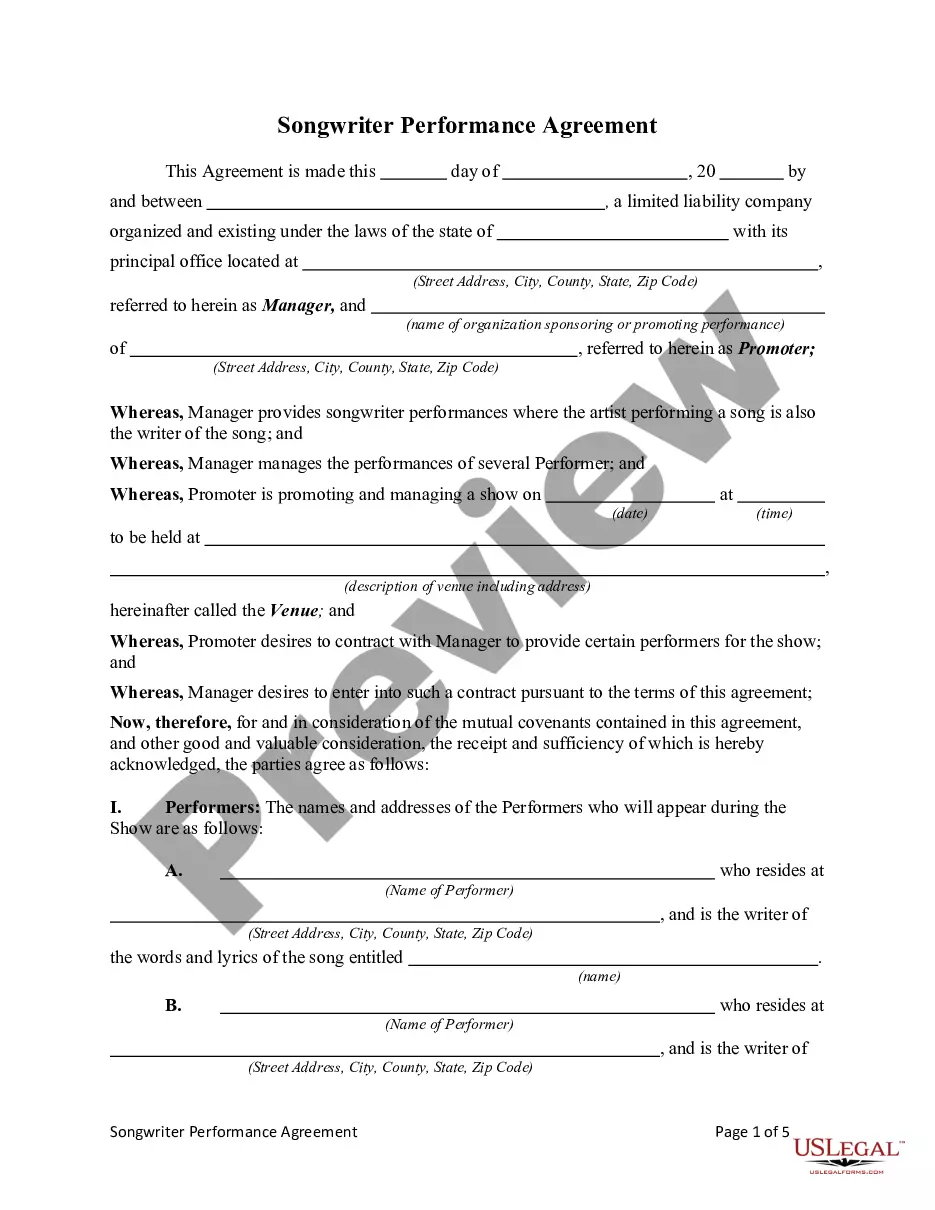
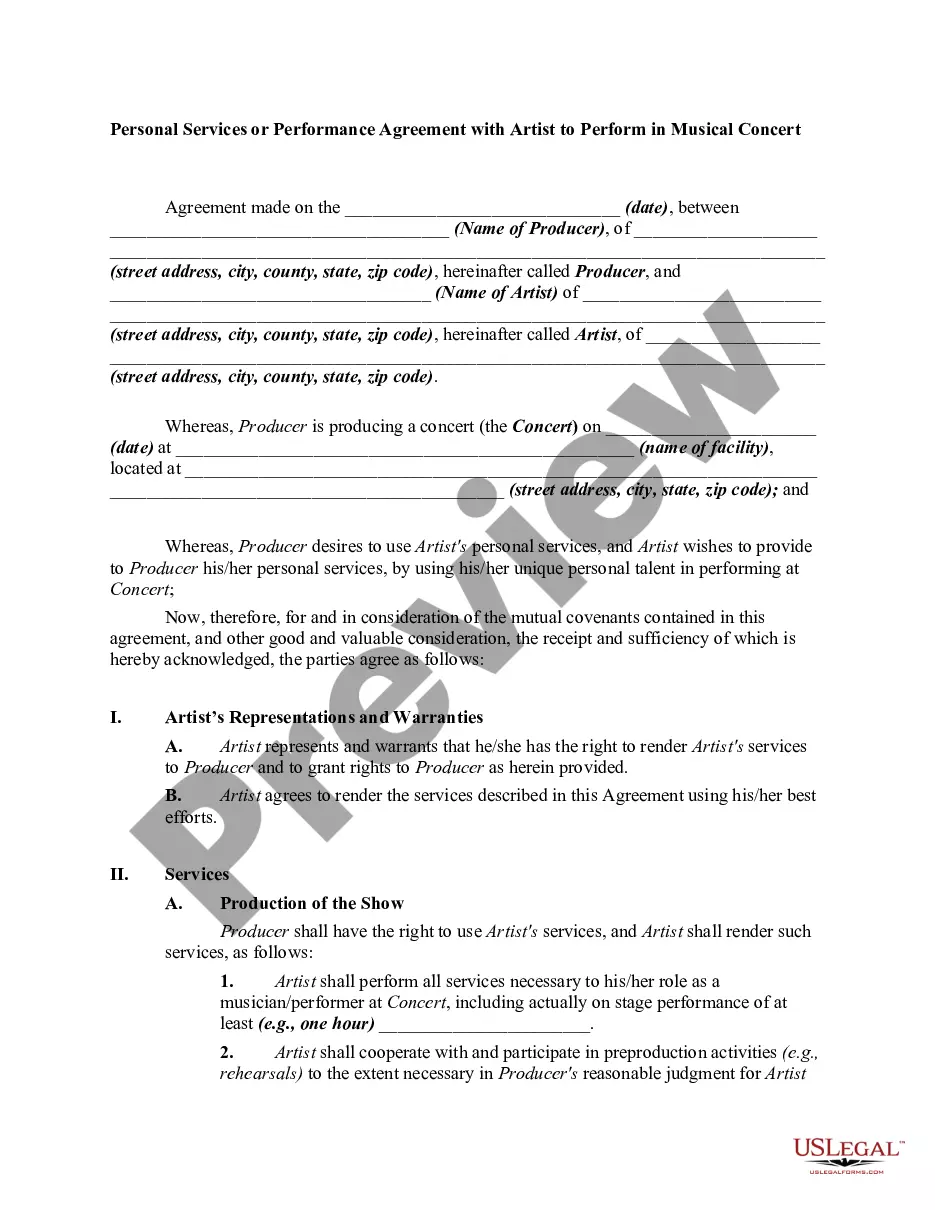
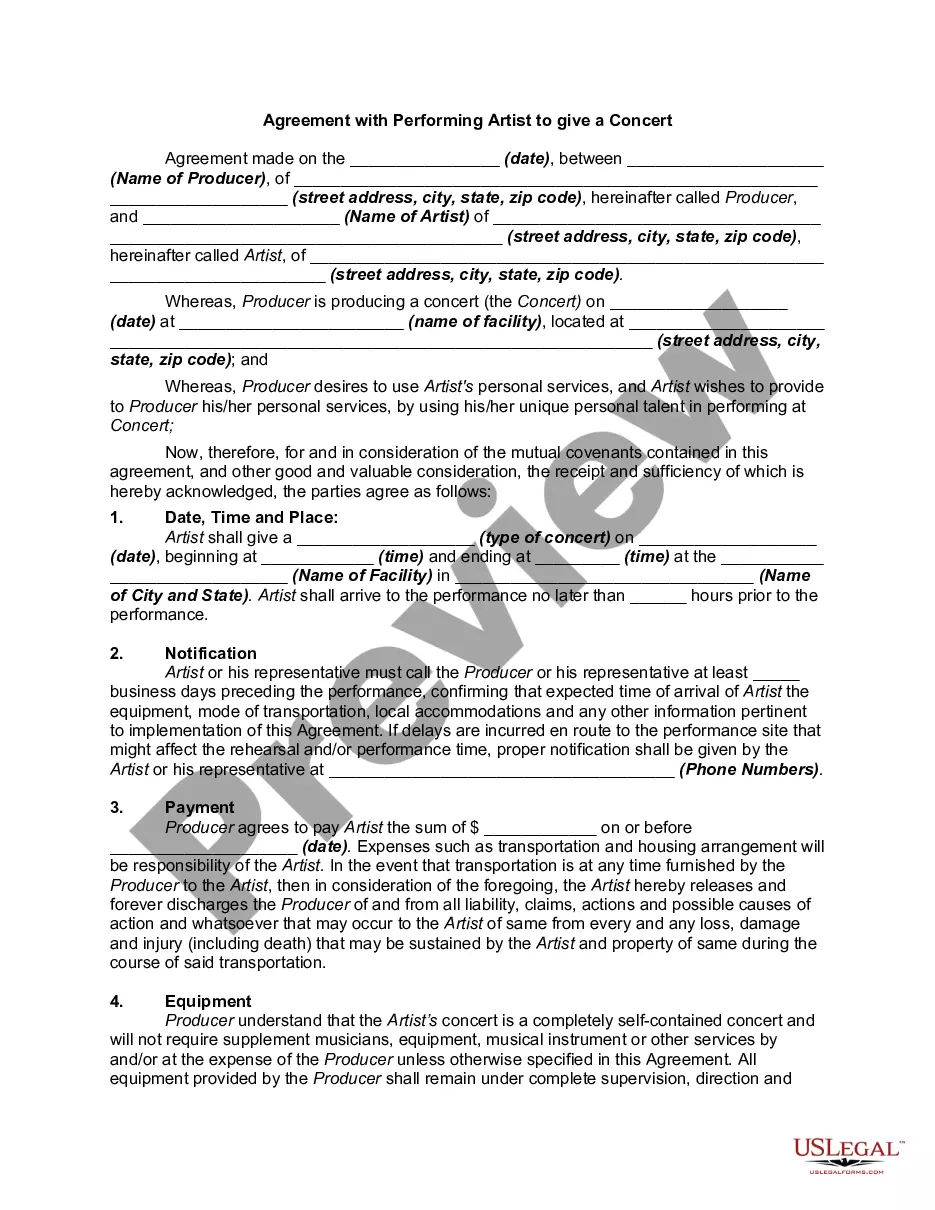
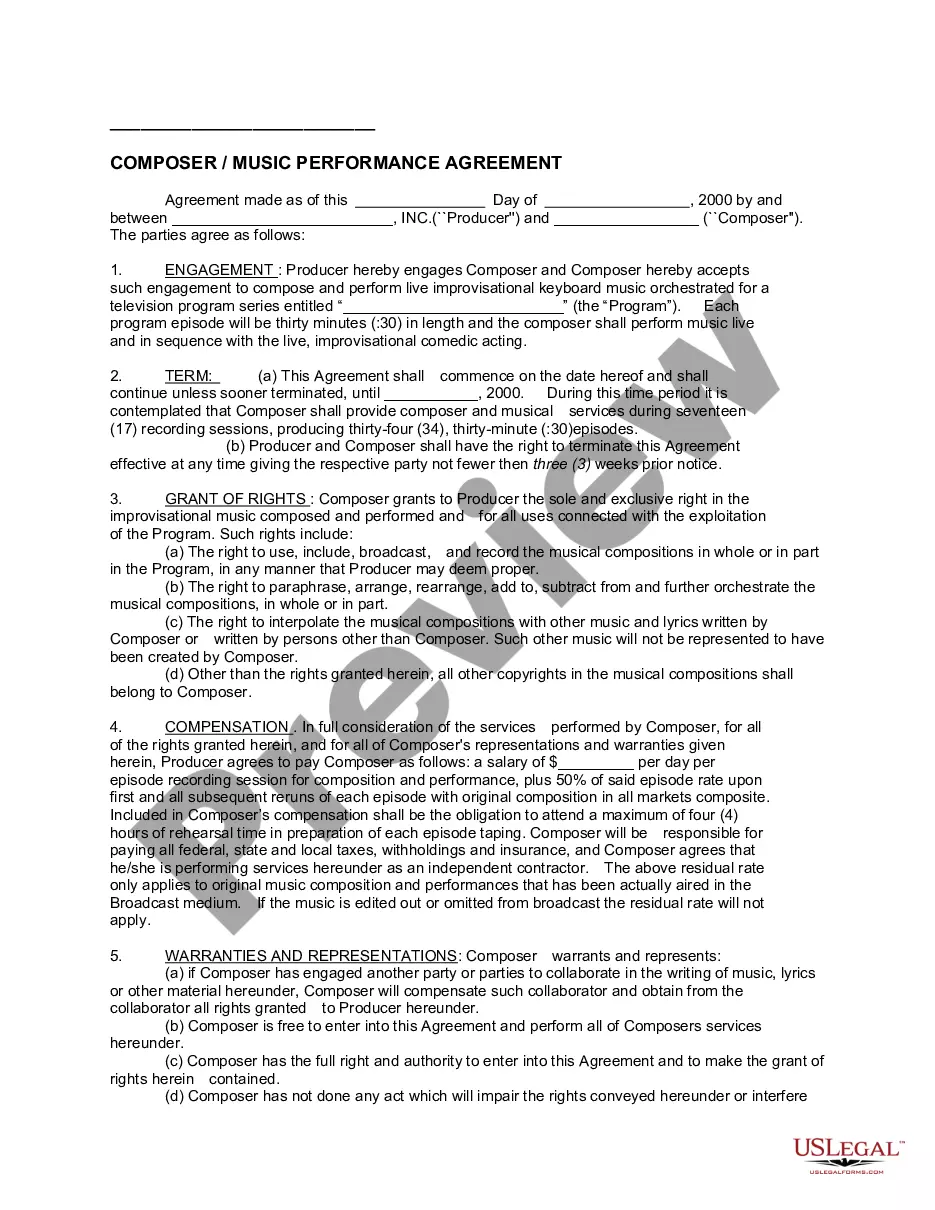
Get your form ready online
Our built-in tools help you complete, sign, share, and store your documents in one place.
Make edits, fill in missing information, and update formatting in US Legal Forms—just like you would in MS Word.
Download a copy, print it, send it by email, or mail it via USPS—whatever works best for your next step.
Sign and collect signatures with our SignNow integration. Send to multiple recipients, set reminders, and more. Go Premium to unlock E-Sign.
If this form requires notarization, complete it online through a secure video call—no need to meet a notary in person or wait for an appointment.
We protect your documents and personal data by following strict security and privacy standards.

Make edits, fill in missing information, and update formatting in US Legal Forms—just like you would in MS Word.

Download a copy, print it, send it by email, or mail it via USPS—whatever works best for your next step.

Sign and collect signatures with our SignNow integration. Send to multiple recipients, set reminders, and more. Go Premium to unlock E-Sign.

If this form requires notarization, complete it online through a secure video call—no need to meet a notary in person or wait for an appointment.

We protect your documents and personal data by following strict security and privacy standards.
Looking for another form?








Form popularity
FAQ
Personal Assistant (PA) focuses on managing personal tasks and errands of their employer. This includes scheduling appointments, making travel arrangements, running errands, and managing household tasks. An Executive Assistant (EA) works with their employer to manage their daily tasks and responsibilities.
What Is An Executive Assistant Performance Review? An executive assistant performance review is the process of evaluating the EA's job responsibilities, skills, accomplishments, and areas for improvement.
A personal assistant, also referred to as personal aide (PA) or personal secretary (PS), is a job title describing a person who assists a specific person with their daily business or personal task.
A personal assistant, also referred to as personal aide (PA) or personal secretary (PS), is a job title describing a person who assists a specific person with their daily business or personal task. It is a subspecialty of secretarial duties.
PA versus EA: what are the differences? A PA primarily provides administrative support whereas an EA will, in some ways, act as a business partner. They could be expected to 'step in' when the senior manager is absent.
Key Performance Indicators (KPIs) refer to a set of progress measurements. As an administrative or executive assistant, using key performance indicators (KPIs) can be a helpful way to track your own progress and performance and to identify areas for improvement.
Speaking of responsibilities, a secretary doesn't have a direct relationship with their superiors. Whereas, assistants have direct responsibilities to their superior and the ability to understand the work they do in detail, considering they will work closely with their superiors.
If you're already working as a business support administrator or secretary, you could become a personal assistant or executive assistant through company training and promotion. To get work, you'll usually need GCSEs at grades 9 to 4 (A to C) in English and maths, A levels, or equivalent qualifications.
A personal assistant, also referred to as personal aide (PA) or personal secretary (PS), is a job title describing a person who assists a specific person with their daily business or personal task. It is a subspecialty of secretarial duties.
Personal assistants typically support managers and executives by undertaking administrative tasks. Find out about personal assistant skills, duties and more. A personal assistant (PA) typically carries out administrative work on behalf of one individual, unlike an administrator who tends to look after a team.
