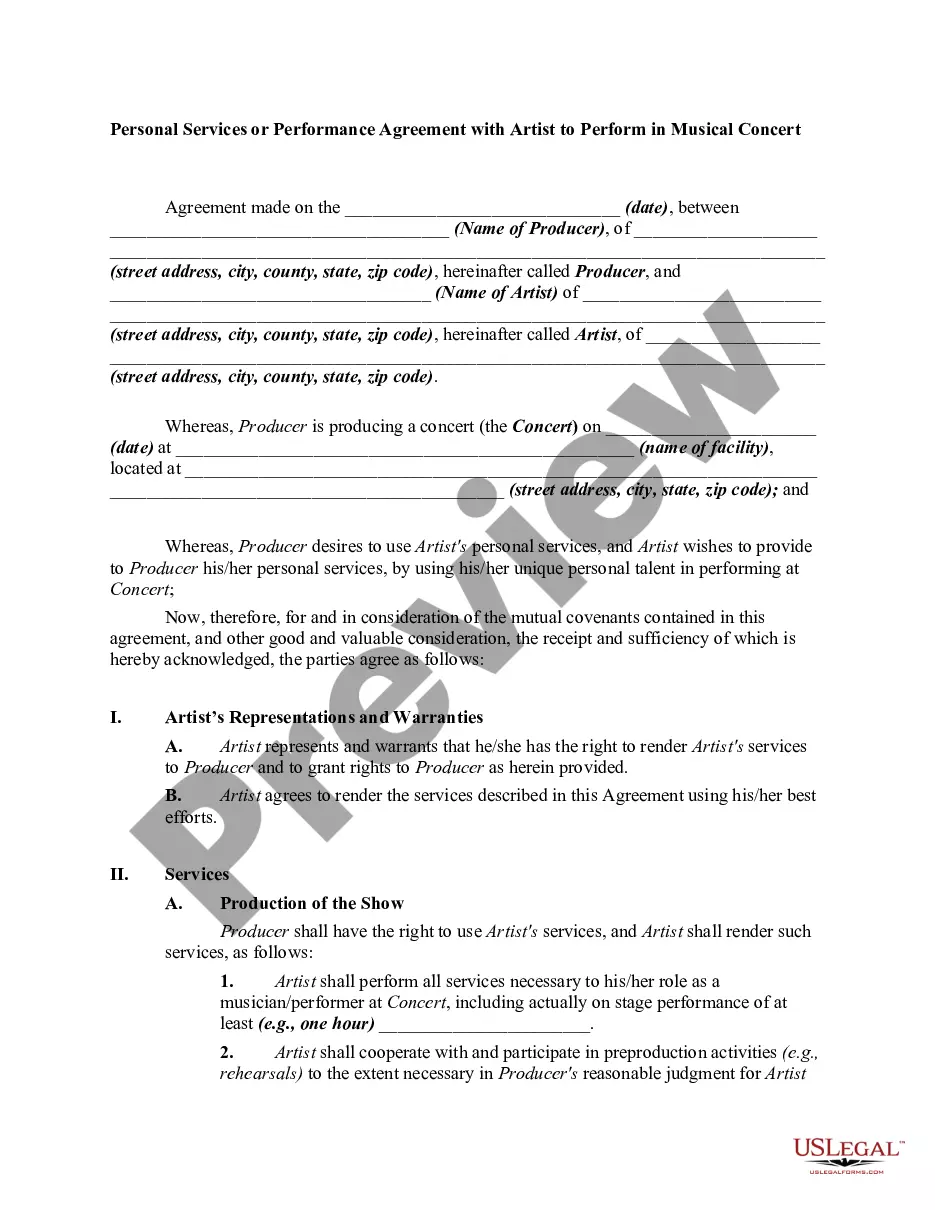
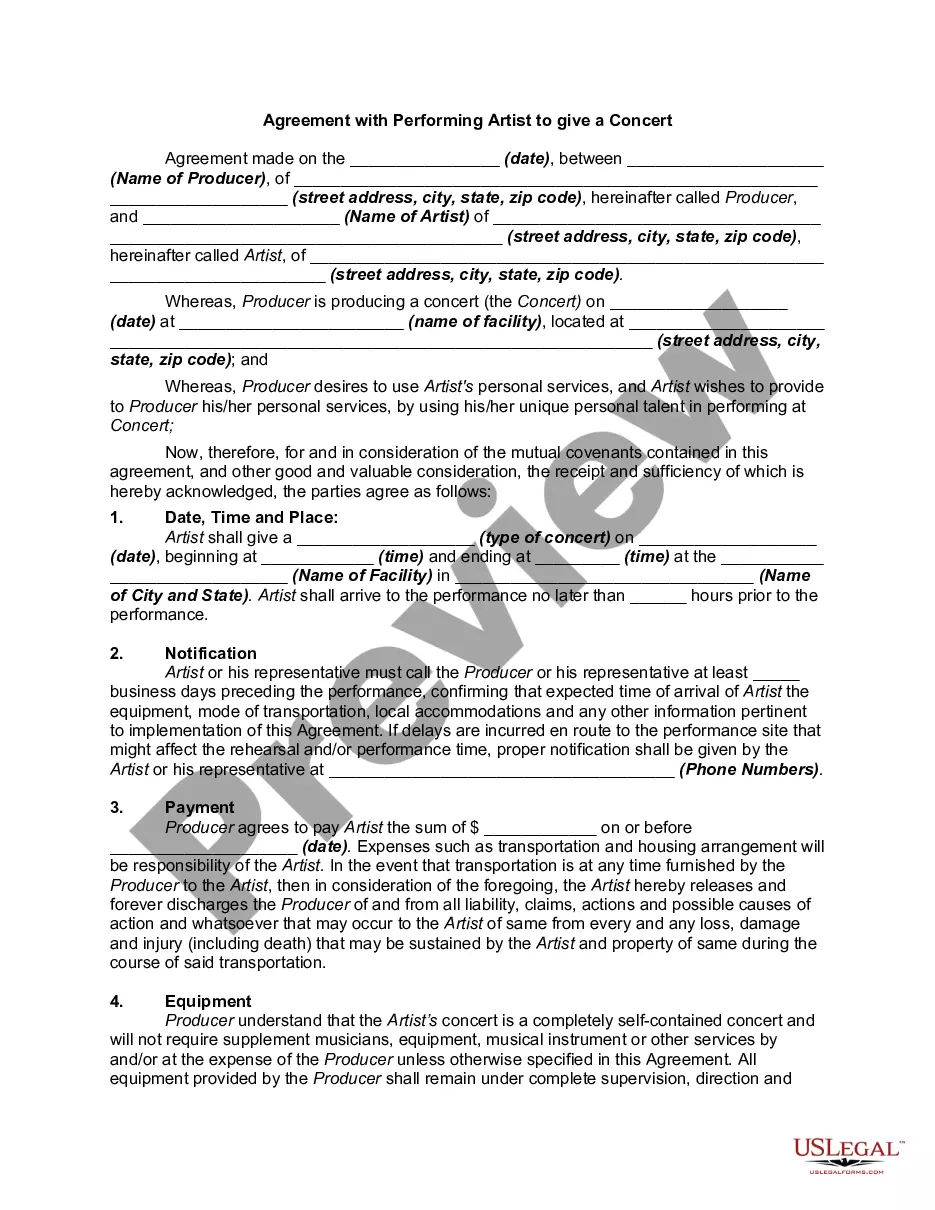
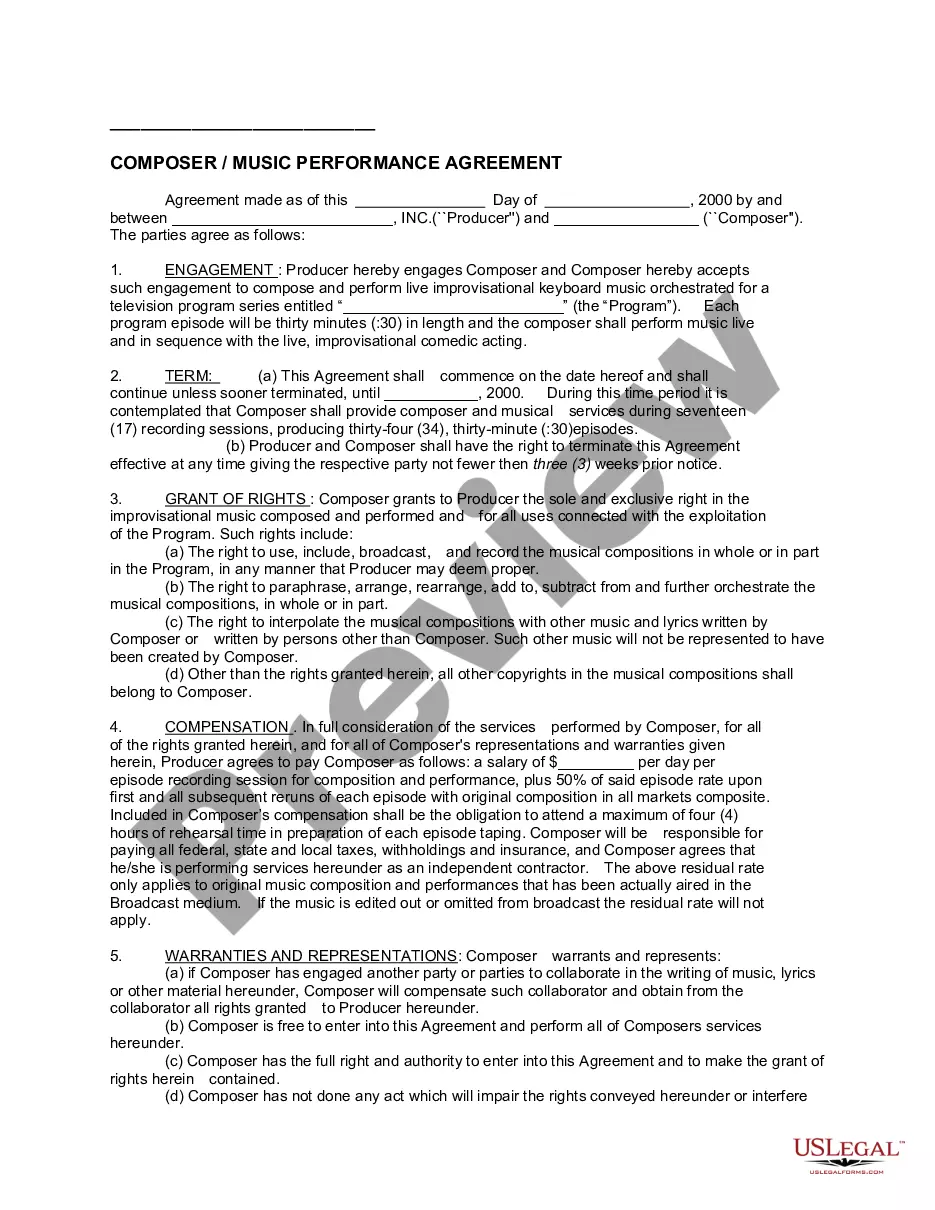
Performance Agreement Examples In Pennsylvania
Description

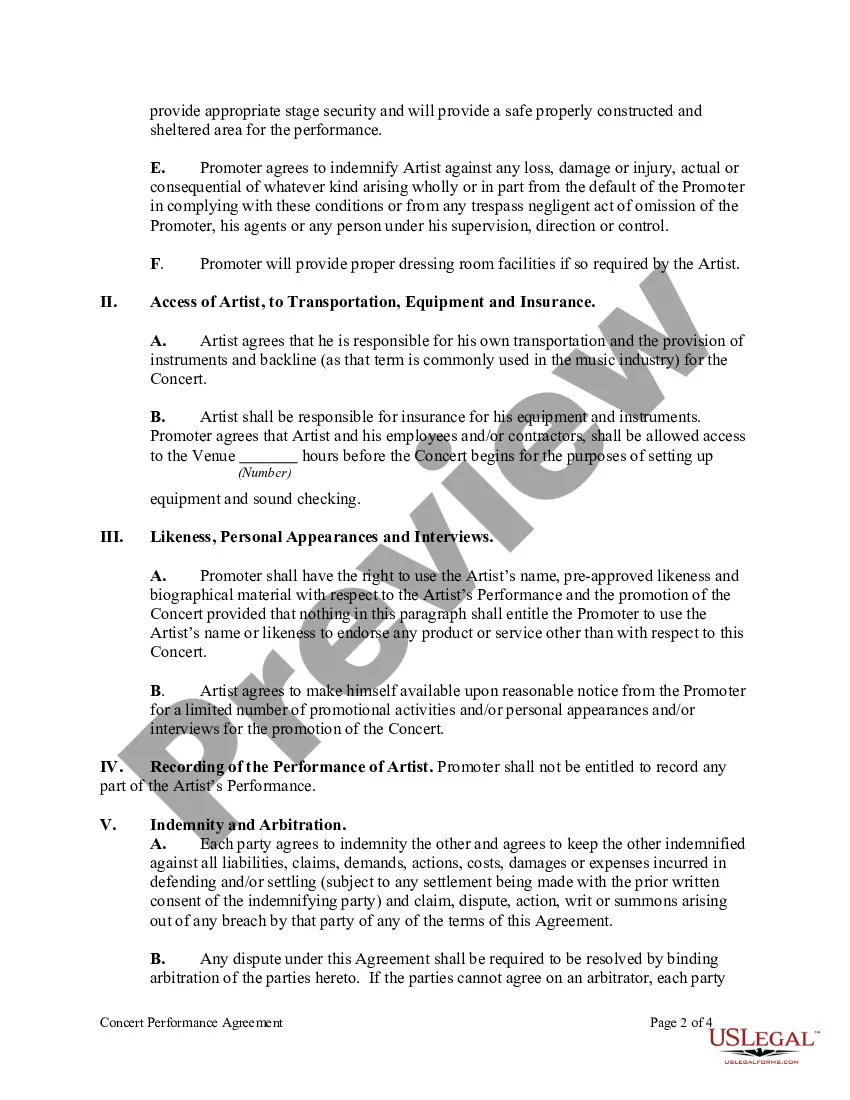
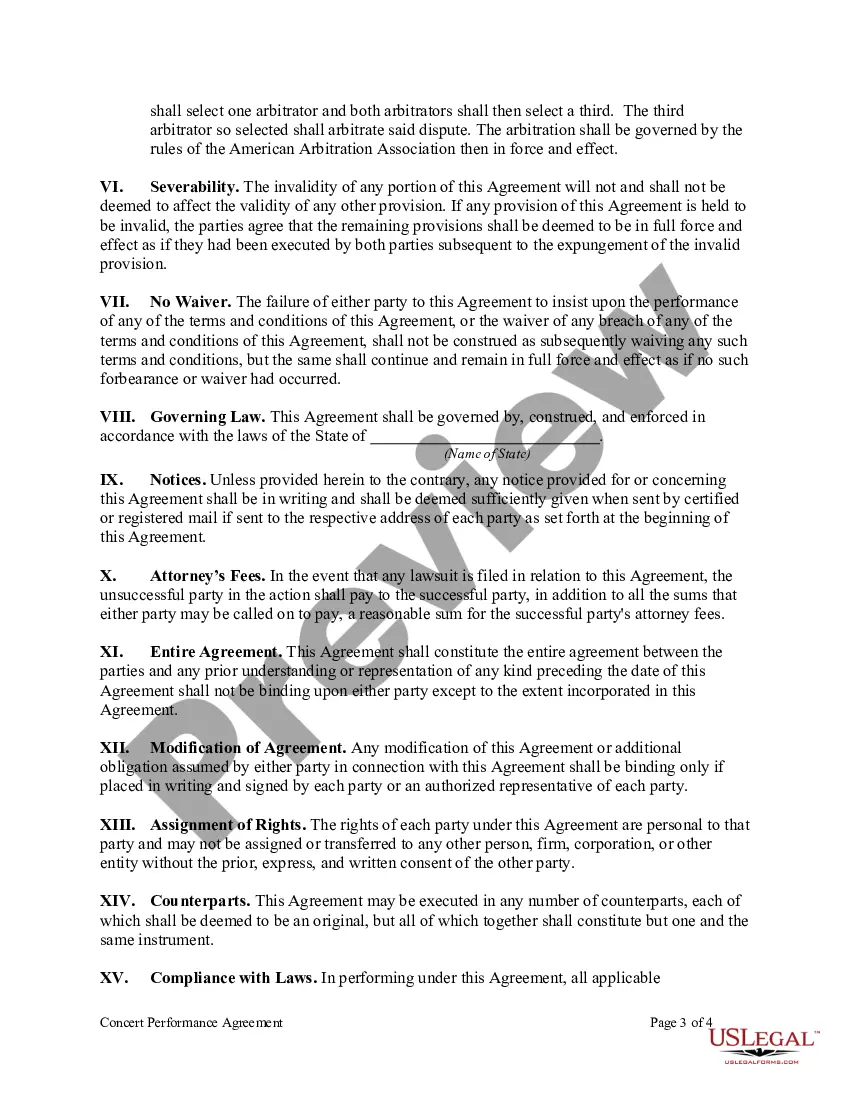
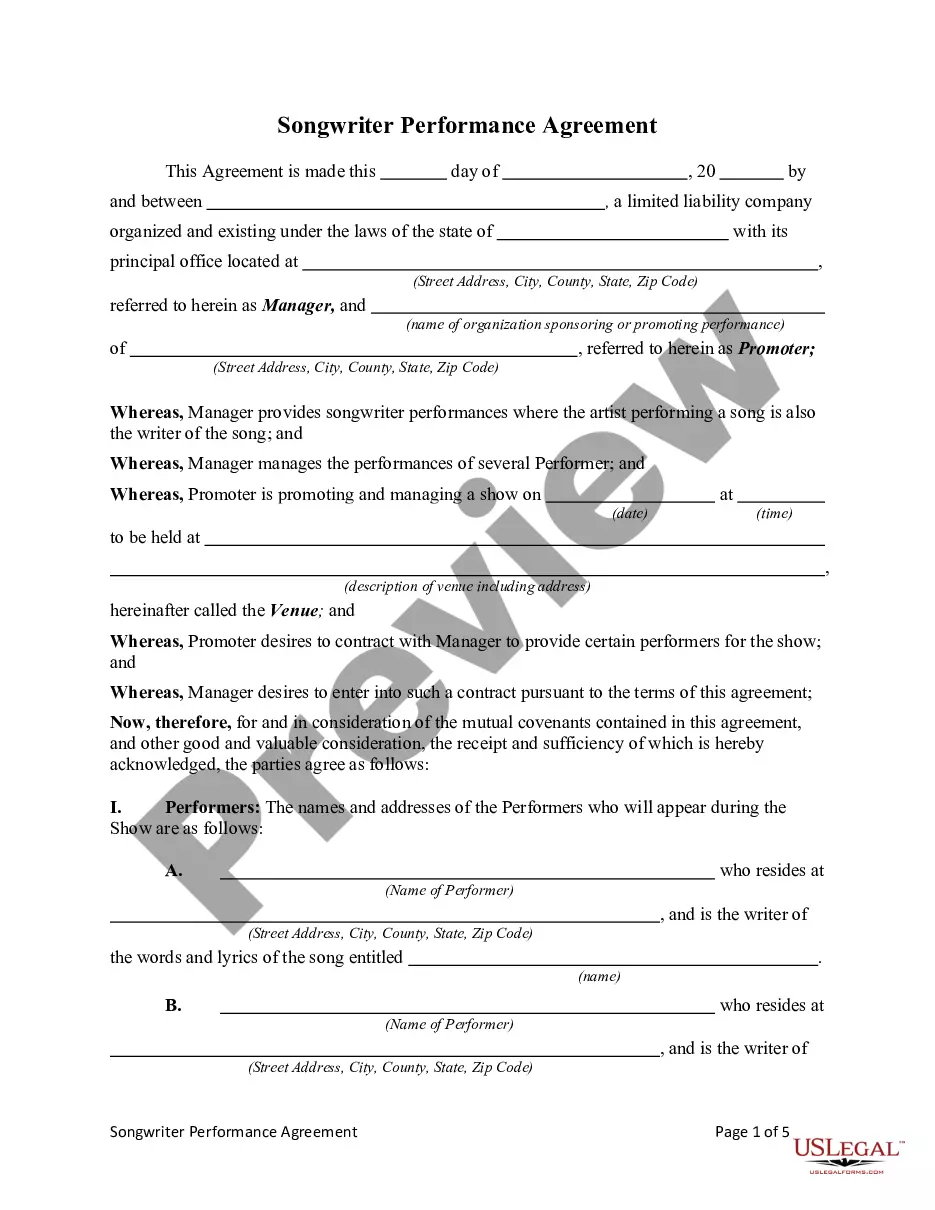
Get your form ready online
Our built-in tools help you complete, sign, share, and store your documents in one place.
Make edits, fill in missing information, and update formatting in US Legal Forms—just like you would in MS Word.
Download a copy, print it, send it by email, or mail it via USPS—whatever works best for your next step.
Sign and collect signatures with our SignNow integration. Send to multiple recipients, set reminders, and more. Go Premium to unlock E-Sign.
If this form requires notarization, complete it online through a secure video call—no need to meet a notary in person or wait for an appointment.
We protect your documents and personal data by following strict security and privacy standards.

Make edits, fill in missing information, and update formatting in US Legal Forms—just like you would in MS Word.

Download a copy, print it, send it by email, or mail it via USPS—whatever works best for your next step.

Sign and collect signatures with our SignNow integration. Send to multiple recipients, set reminders, and more. Go Premium to unlock E-Sign.

If this form requires notarization, complete it online through a secure video call—no need to meet a notary in person or wait for an appointment.

We protect your documents and personal data by following strict security and privacy standards.
Looking for another form?


Form popularity
FAQ
Follow these steps to put an effective performance agreement in place for your staff: Start With Clear Expectations. Build in Milestones. Agree on the Terms. Schedule Accountability Meetings. Establish Outcome Results and Consequences. Sign and Date the Agreement.
Here's the proven 9-step process for developing a performance plan: Automate the process. Explain performance reviews. Align goals. Define tactics. Connect employees to the bigger picture. Discuss performance. Create an ongoing communication plan. Set regular performance reviews.
How to create a performance development plan Identify key goals. Decide what to include in your plan. Create a structure for your plan. Establish a set time to review your plan. Work with others to ensure the plan supports the overarching goals of the organization. Review your performance using the plan.
When you fill the form: Be honest and critical. Analyze your failures and mention the reasons for it. Keep the words minimal. Identify weaknesses. Mention your achievements. Link achievements to the job description and the organization's goals. Set the goals for the next review period. Resolve conflicts and grievances.
Reflect on your key accomplishments and contributions over the review period. Assess your performance against the goals, objectives, or key performance indicators (KPIs) set for your role. Identify areas where you demonstrated strong skills and competencies. Acknowledge any areas for improvement or development needs.
Follow these steps to put an effective performance agreement in place for your staff: Start With Clear Expectations. Build in Milestones. Agree on the Terms. Schedule Accountability Meetings. Establish Outcome Results and Consequences. Sign and Date the Agreement.
Performance of Services LastName agrees to arrive at the venue no later than 3 hours before the above listed times for setup and rehearsal. Sender. FirstNameSender. LastName agrees to provide all on-stage equipment necessary to enable their performance.
Performance-oriented performance assessments, on the other hand, allow students to interact with an audience to demonstrate their applied knowledge. For example, a student may participate in a debate, perform a piece of music they composed, engage in a mock interview, or teach their class how to cook a meal.
