Performance Agreement In Hr In Orange
Description

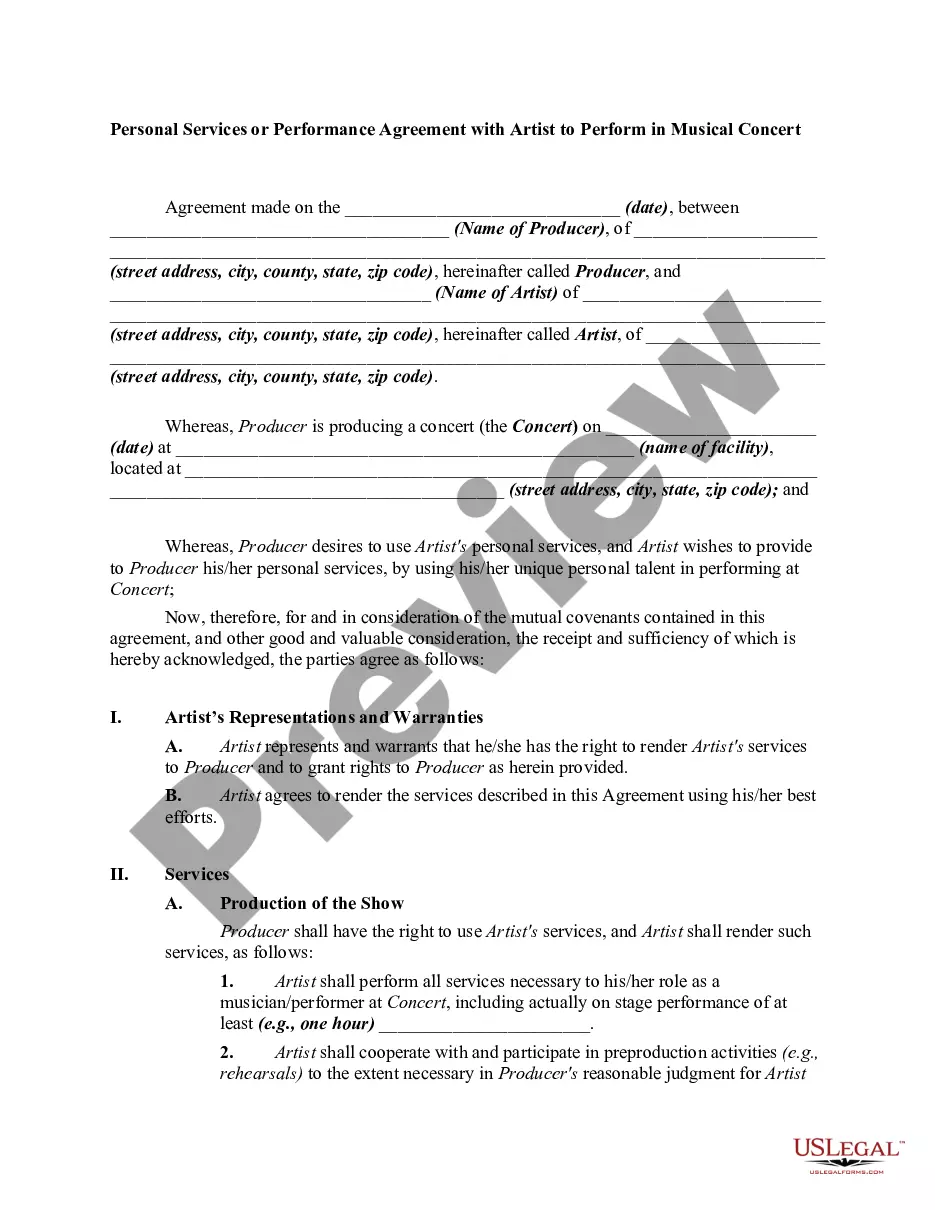
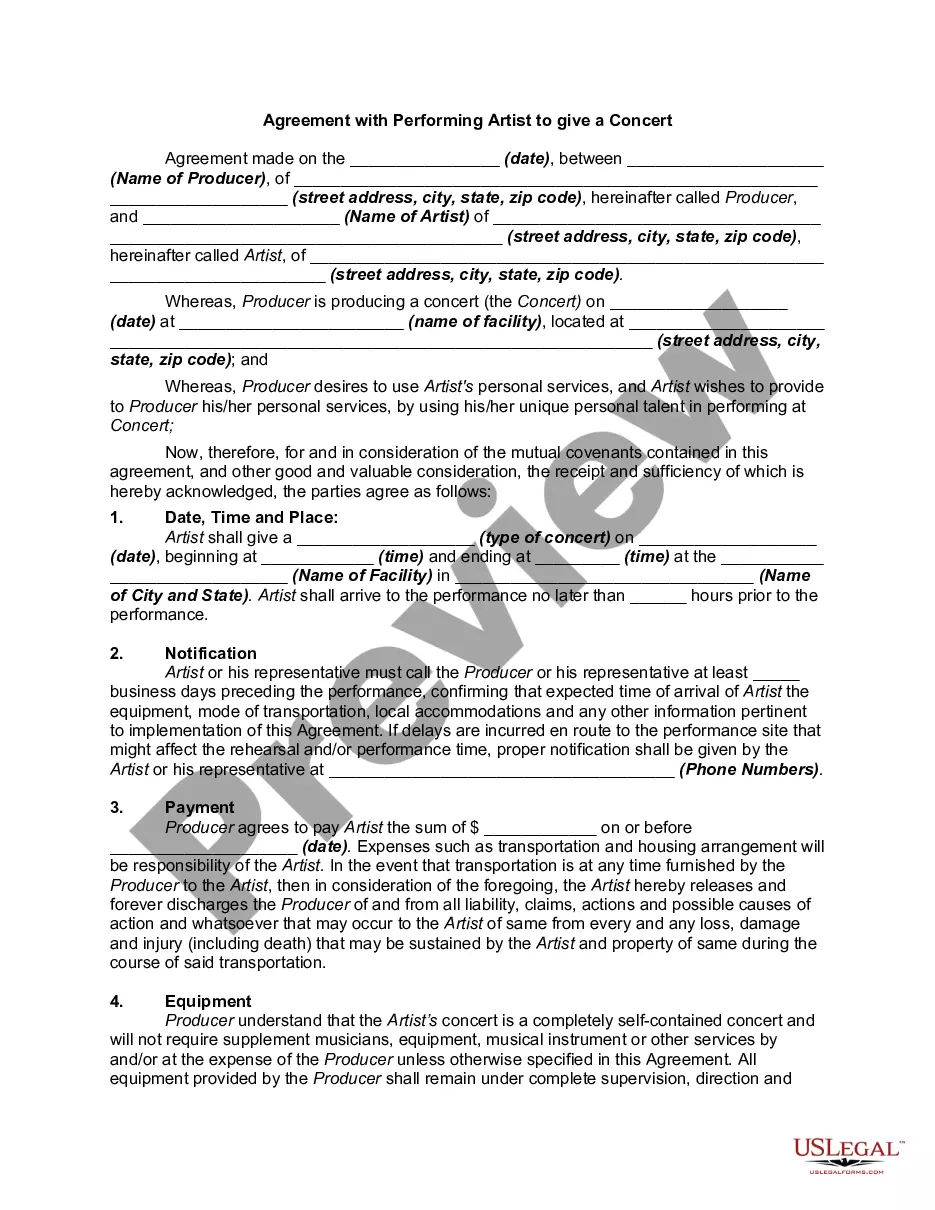
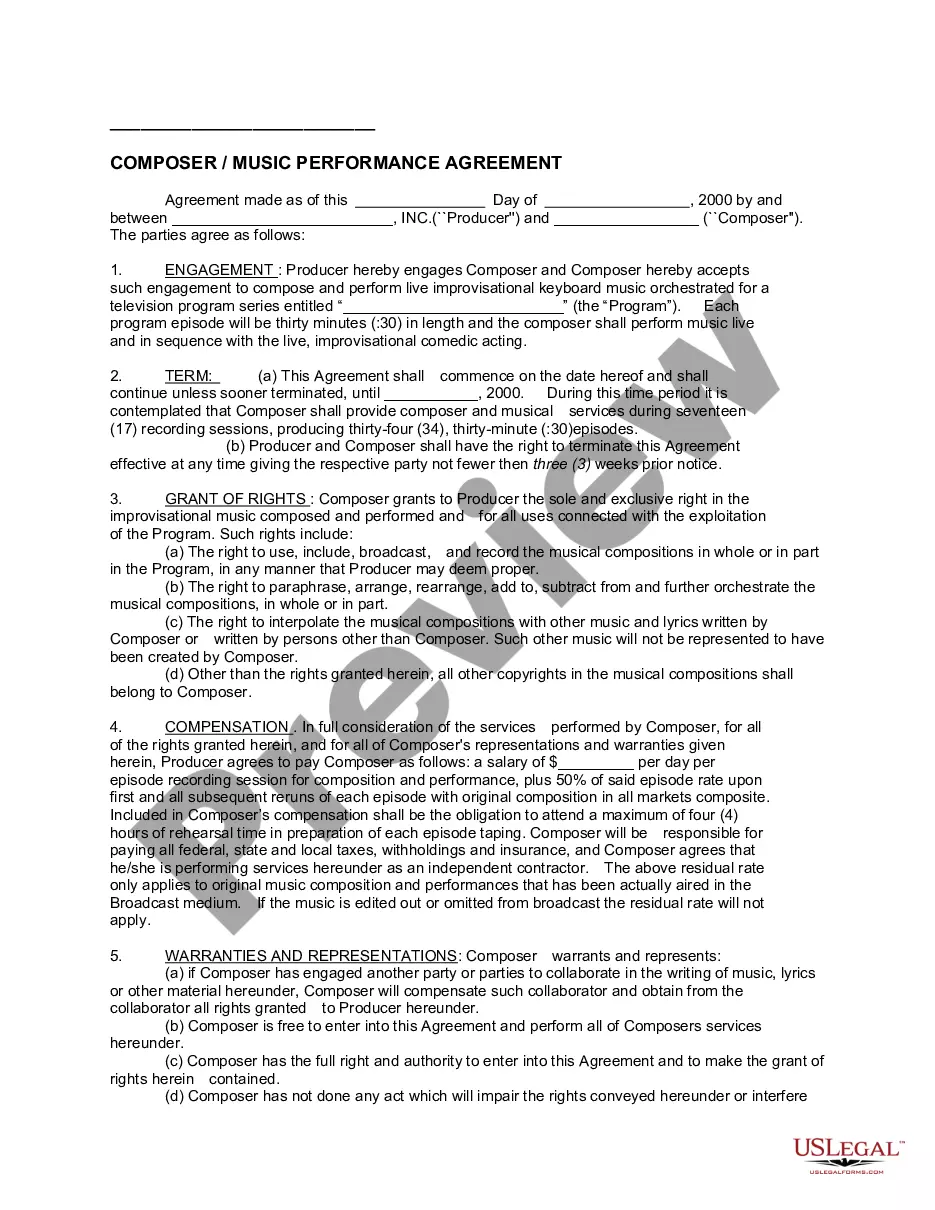
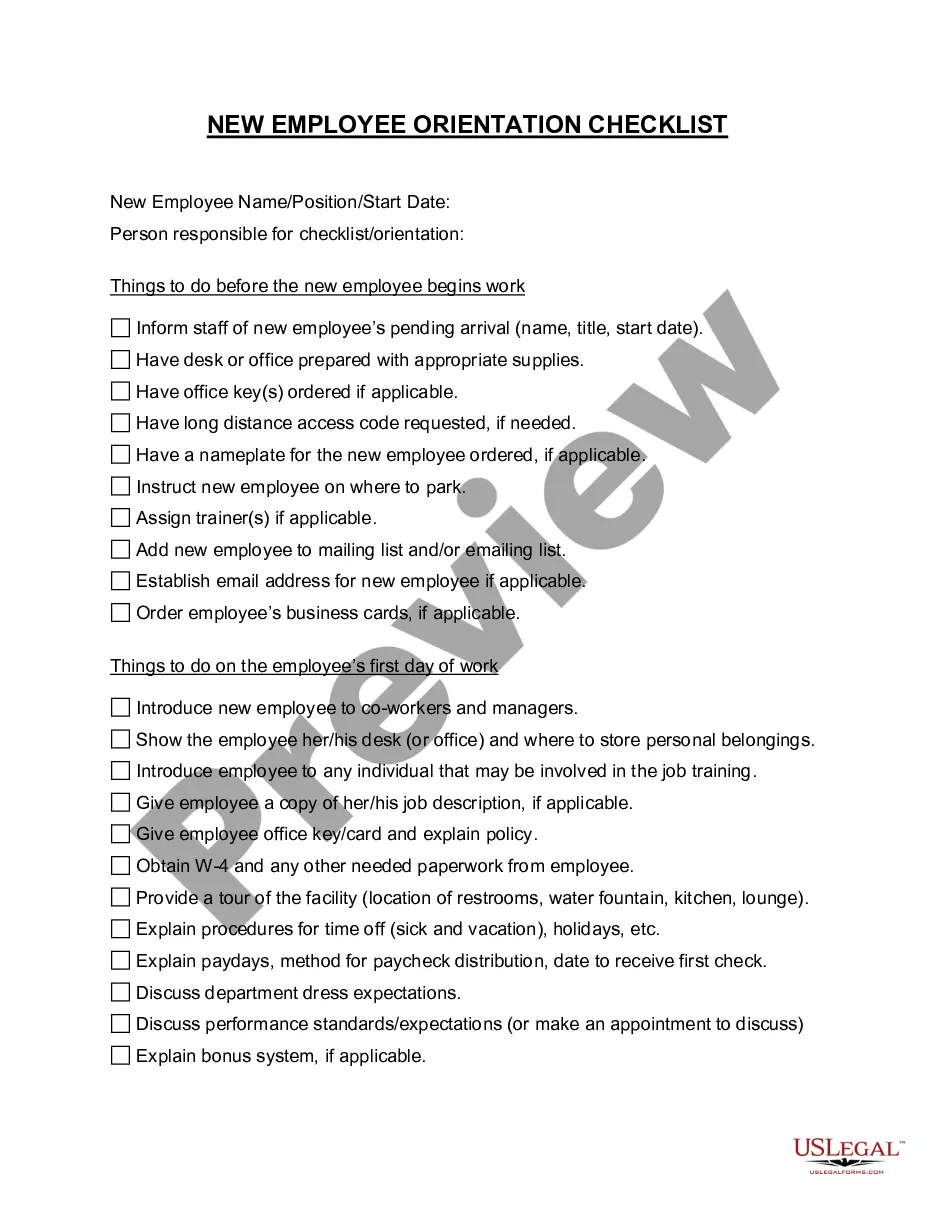
Get your form ready online
Our built-in tools help you complete, sign, share, and store your documents in one place.
Make edits, fill in missing information, and update formatting in US Legal Forms—just like you would in MS Word.
Download a copy, print it, send it by email, or mail it via USPS—whatever works best for your next step.
Sign and collect signatures with our SignNow integration. Send to multiple recipients, set reminders, and more. Go Premium to unlock E-Sign.
If this form requires notarization, complete it online through a secure video call—no need to meet a notary in person or wait for an appointment.
We protect your documents and personal data by following strict security and privacy standards.

Make edits, fill in missing information, and update formatting in US Legal Forms—just like you would in MS Word.

Download a copy, print it, send it by email, or mail it via USPS—whatever works best for your next step.

Sign and collect signatures with our SignNow integration. Send to multiple recipients, set reminders, and more. Go Premium to unlock E-Sign.

If this form requires notarization, complete it online through a secure video call—no need to meet a notary in person or wait for an appointment.

We protect your documents and personal data by following strict security and privacy standards.
Looking for another form?





Form popularity
FAQ
When you fill the form: Be honest and critical. Analyze your failures and mention the reasons for it. Keep the words minimal. Identify weaknesses. Mention your achievements. Link achievements to the job description and the organization's goals. Set the goals for the next review period. Resolve conflicts and grievances.
A performance review is a formal assessment in which a manager evaluates an employee's work performance. Also called a performance appraisal or an employee evaluation, it can be structured in different ways to effectively identify strengths and weaknesses, offer constructive feedback, and set goals for the future.
A performance review is a formal assessment in which a manager evaluates an employee's work performance. Also called a performance appraisal or an employee evaluation, it can be structured in different ways to effectively identify strengths and weaknesses, offer constructive feedback, and set goals for the future.
REQUIRED COMPONENTS OF A PERFORMANCE REVIEW Communicate circumstances, events, or issues. behavior or events with factual examples. Clarify the impact on the team or unit. Make suggestions – includes a changes, improvements, and/or goals.
About the same time, I happened to re-read a 2013 interview in Fast Company called, “Simple, Direct, Honest, Personal and Blunt: How the 5-Word Performance Review Works Wonders.” This is a concept whereby formal feedback given by a manager to an employee is presented as five descriptive words – and that's it (aside ...
Performance appraisals are periodic evaluations of an employee's job performance against a set of expectations and goals.
Performance agreements define executive accountability for specific organizational goals, help executives align daily operations, and clarify how work unit activities contribute to the agency's goals and objectives.
Performance feedback refers to the process of providing descriptive information about an individual's performance in a training context. It involves specifying the aspects of a skill that were performed correctly or incorrectly, with the aim of improving or maintaining the application of the skill.
Let's look at them one by one: Offer feedback: give the employee objective information about their work over the last few months, as well as convey the company's expectations. Decide on promotions: the appraisal process gives us objective data for making decisions about who is ready to take on new responsibilities.
Peer reviews: Involves colleagues evaluating each other's performance. Graphic rating scale: Rates workers on a numbered scale for their role's desired traits and behaviours. Ranking: Ranks each employee based on certain factors with high performers at the top and low performers at the bottom.
