Performance Agreements For Employees In Massachusetts
Description

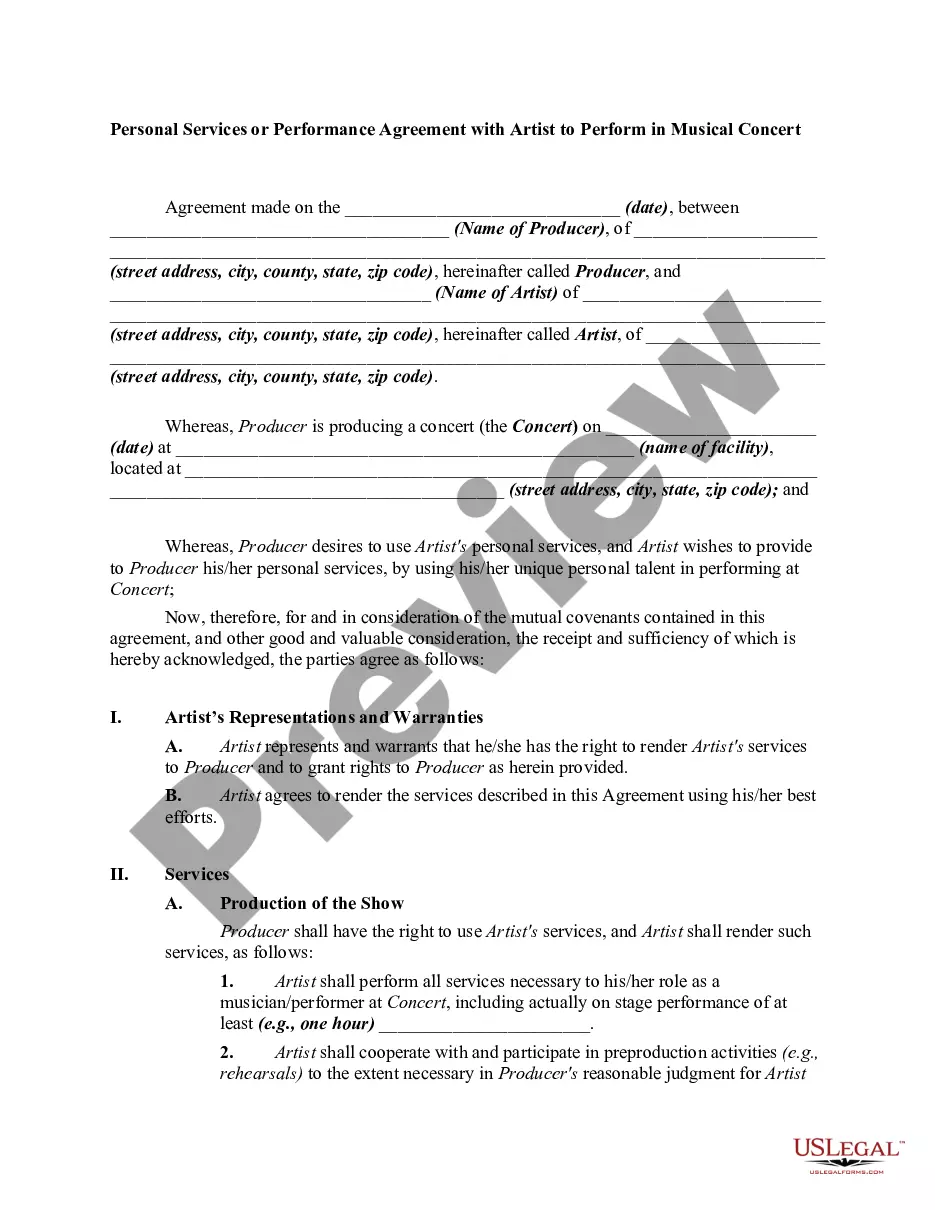
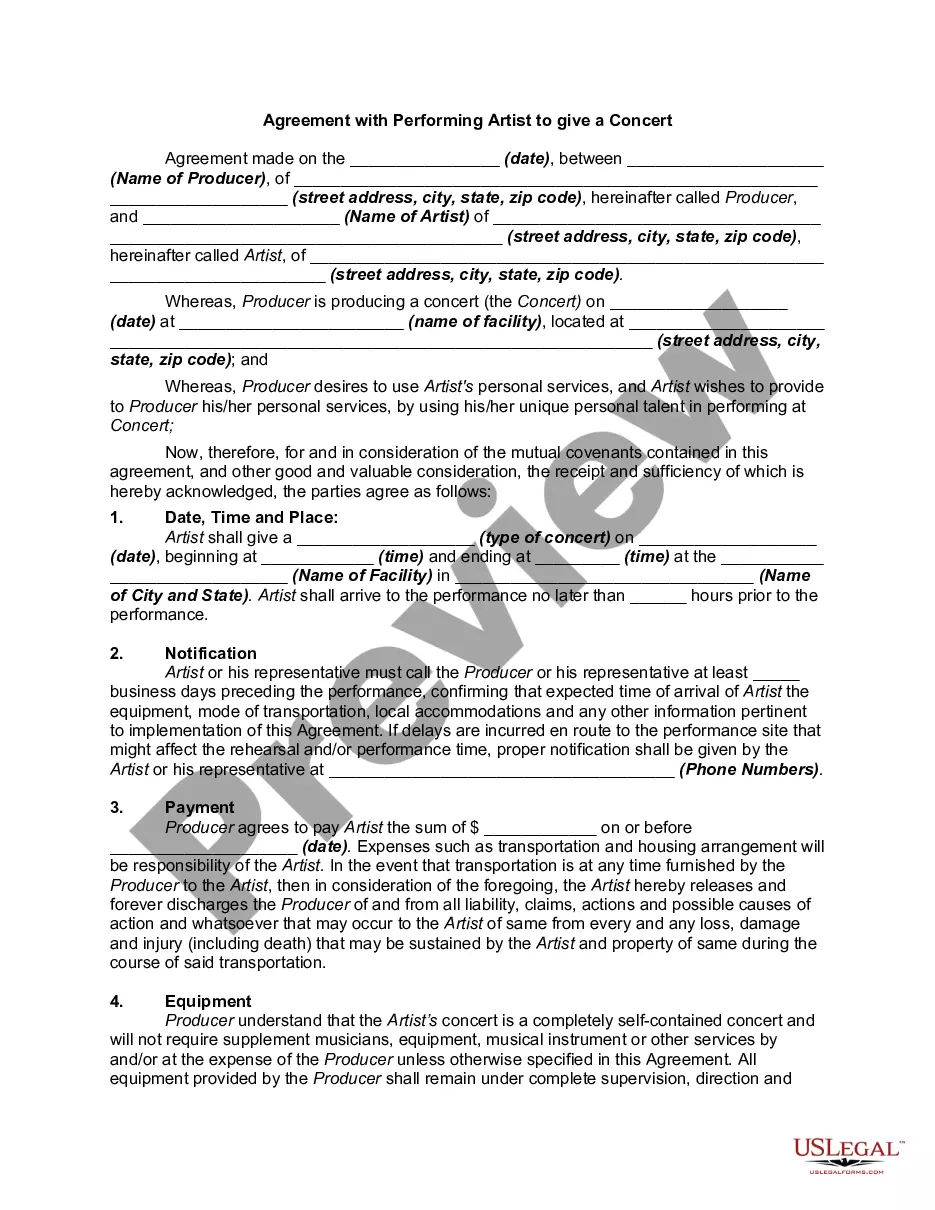
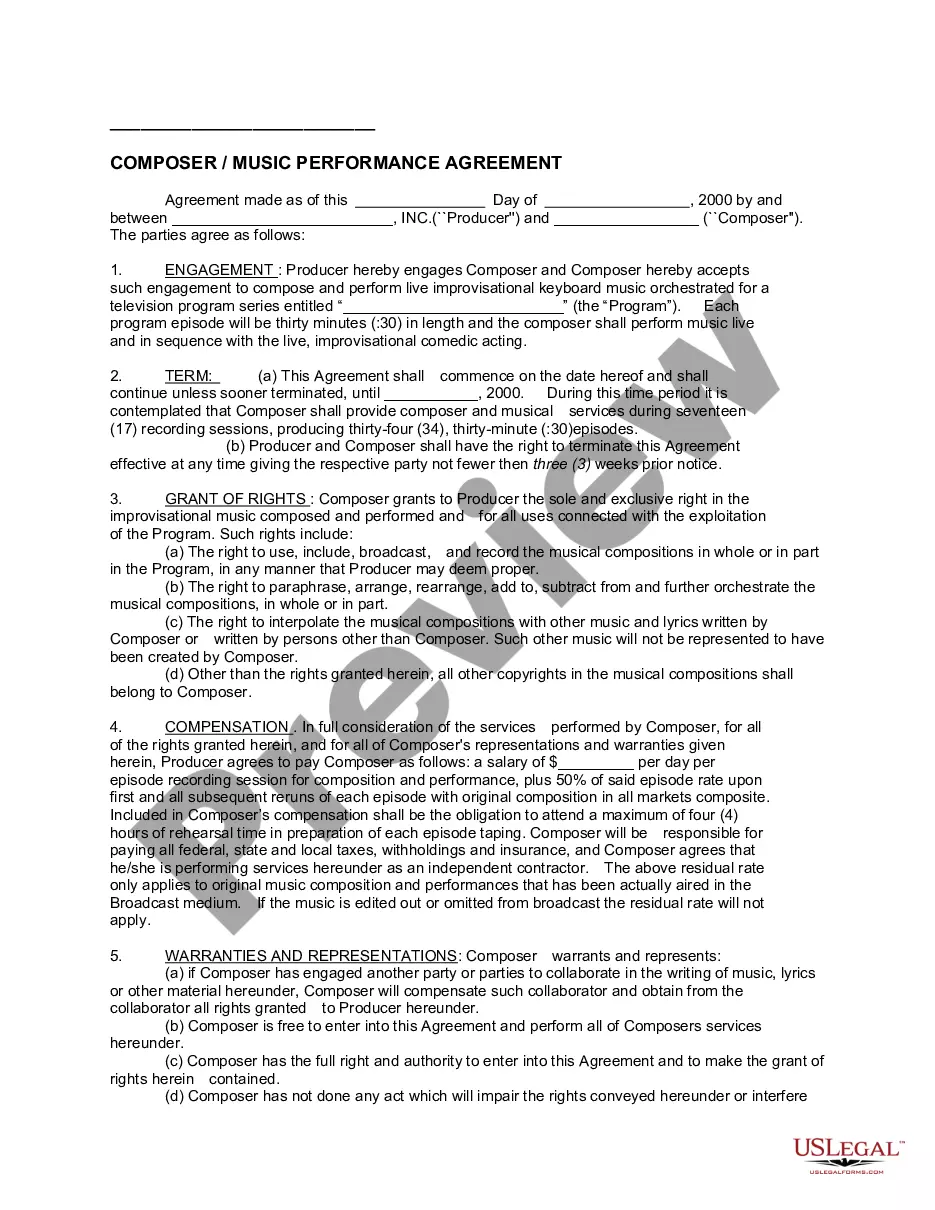
Get your form ready online
Our built-in tools help you complete, sign, share, and store your documents in one place.
Make edits, fill in missing information, and update formatting in US Legal Forms—just like you would in MS Word.
Download a copy, print it, send it by email, or mail it via USPS—whatever works best for your next step.
Sign and collect signatures with our SignNow integration. Send to multiple recipients, set reminders, and more. Go Premium to unlock E-Sign.
If this form requires notarization, complete it online through a secure video call—no need to meet a notary in person or wait for an appointment.
We protect your documents and personal data by following strict security and privacy standards.

Make edits, fill in missing information, and update formatting in US Legal Forms—just like you would in MS Word.

Download a copy, print it, send it by email, or mail it via USPS—whatever works best for your next step.

Sign and collect signatures with our SignNow integration. Send to multiple recipients, set reminders, and more. Go Premium to unlock E-Sign.

If this form requires notarization, complete it online through a secure video call—no need to meet a notary in person or wait for an appointment.

We protect your documents and personal data by following strict security and privacy standards.
Looking for another form?






Form popularity
FAQ
Yes. Employees may request an opportunity to review their personnel record. Employers have 5 business days after receiving a written request to comply.
An employer of twenty or more employees is required to keep the personnel record (without deletions or expungement) for three years after employment or until the end of any administrative or judicial proceeding for which the personnel records are relevant.
Forms and notices for newly-hired employees Form I-9 Employment eligibility verification form, US Dept. of Homeland Security. Form M-4: Massachusetts employee's withholding exemption certificate, Mass. Dept. Form NHR: New hire and independent contractor reporting form, Mass. Dept. Form W2 Federal tax withholding, IRS.
The Massachusetts personnel record law, M.G.L. chapter 149, § 52C, allows a current or former employee to get a copy of their personnel file. The law requires an employer to give access to personnel records to employees and former employees upon written request. This applies to all employers.
Write documentation that is factual, fair, legal, objective, complete, and consistent. Avoid opinions, name-calling, editorializing and labeling. When discussing performance, be sure to provide the employee with a clear set of facts regarding the behavior that is being discussed.
Employers should keep all job-related documentation such as hiring records, performance reviews, disciplinary actions and job descriptions in an employee's general personnel file.
In a perfect world… StateRecord retention period California 4 years Colorado 3 years Connecticut 7 years Delaware 3 years46 more rows •
While the Massachusetts state law mandates mileage reimbursement for certain employees, it does not prescribe a specific rate. However, the rate at which mileage reimbursement is calculated often aligns with the standard mileage rate set by the Internal Revenue Service (IRS), which for 2025 stands at 70 cents per mile.
California Mileage Reimbursement – A Guide for Workers Purpose of using your personal vehicleIRS reimbursement rate Business use $0.70 per mile Active-duty members moving or getting medical treatment $0.21 per mile In service of a charity $0.14 per mile 1
While the Massachusetts state law mandates mileage reimbursement for certain employees, it does not prescribe a specific rate. However, the rate at which mileage reimbursement is calculated often aligns with the standard mileage rate set by the Internal Revenue Service (IRS), which for 2025 stands at 70 cents per mile.
