Petition For Custody Form Georgia In Wayne
Description

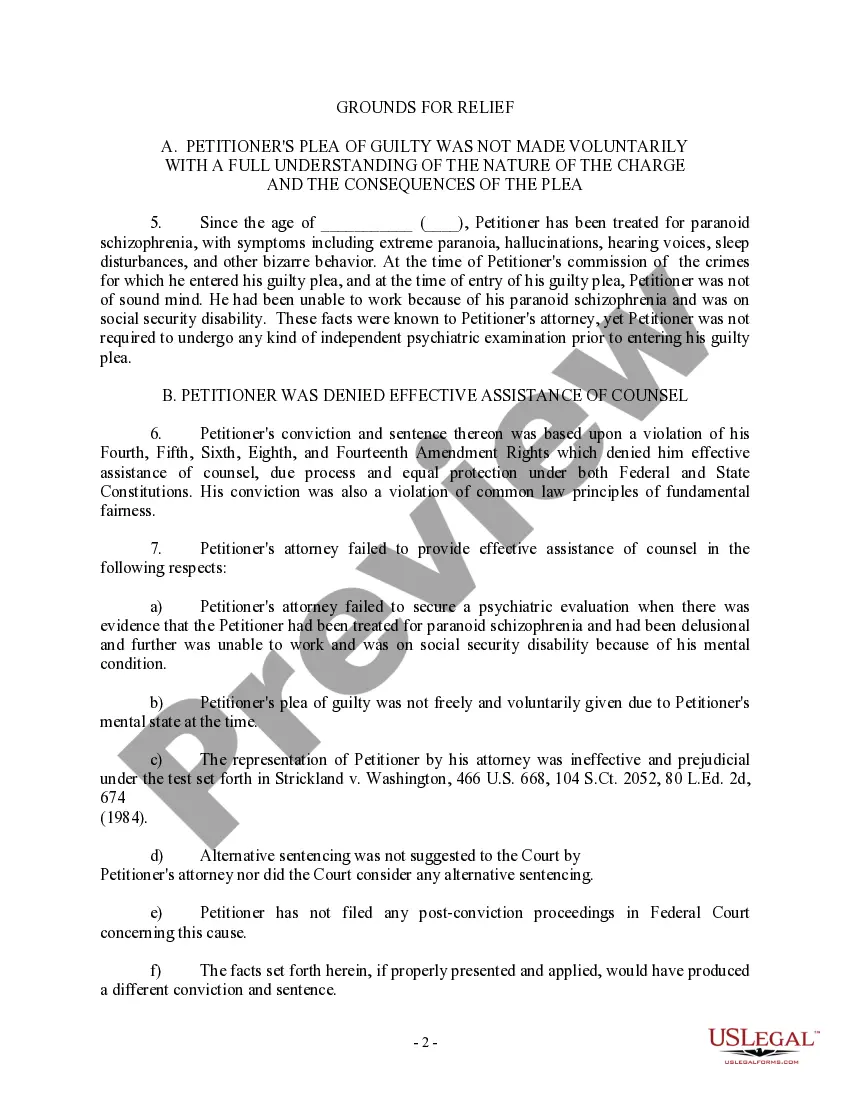

Get your form ready online
Our built-in tools help you complete, sign, share, and store your documents in one place.
Make edits, fill in missing information, and update formatting in US Legal Forms—just like you would in MS Word.
Download a copy, print it, send it by email, or mail it via USPS—whatever works best for your next step.
Sign and collect signatures with our SignNow integration. Send to multiple recipients, set reminders, and more. Go Premium to unlock E-Sign.
If this form requires notarization, complete it online through a secure video call—no need to meet a notary in person or wait for an appointment.
We protect your documents and personal data by following strict security and privacy standards.

Make edits, fill in missing information, and update formatting in US Legal Forms—just like you would in MS Word.

Download a copy, print it, send it by email, or mail it via USPS—whatever works best for your next step.

Sign and collect signatures with our SignNow integration. Send to multiple recipients, set reminders, and more. Go Premium to unlock E-Sign.

If this form requires notarization, complete it online through a secure video call—no need to meet a notary in person or wait for an appointment.

We protect your documents and personal data by following strict security and privacy standards.
Looking for another form?








Form popularity
FAQ
Some of the key factors that judges consider include: The child's relationship with each parent. Each parent's ability to provide for the child's needs. The child's current living situation and any potential disruptions.
You can file a petition for child custody in your county's Superior Court. If you are divorcing, the petition will be included in your divorce papers. You must then serve, or deliver, custody forms to the other party using a process server or sheriff's office.
That parent must go to court and get legal custody. The court awards custody to the parent it decides can best raise the child. Unmarried Parents. The mother of a child born out of wedlock has all rights to custody of the child.
If life circumstances change and the custody order needs to be modified, one party can file a petition to modify custody. To modify custody, they must prove that there has been a material change in circumstances that will impact the child's well-being.
To petition for emergency custody, draft a Motion for an Emergency Hearing explaining the urgent issue, and file it with the court. You should hire an attorney to write this, as it influences how soon the court hears your case. Typically, you'll have a hearing within 24 hours of filing the motion.
Unmarried Parents. The mother of a child born out of wedlock has all rights to custody of the child. Signing the birth certificate does not give the biological father the right to take the child. To get custody or any rights to visit, the father must first prove he is the father.
You can file a petition for child custody in your county's Superior Court. If you are divorcing, the petition will be included in your divorce papers. You must then serve, or deliver, custody forms to the other party using a process server or sheriff's office. There are two types of child custody: physical and legal.
