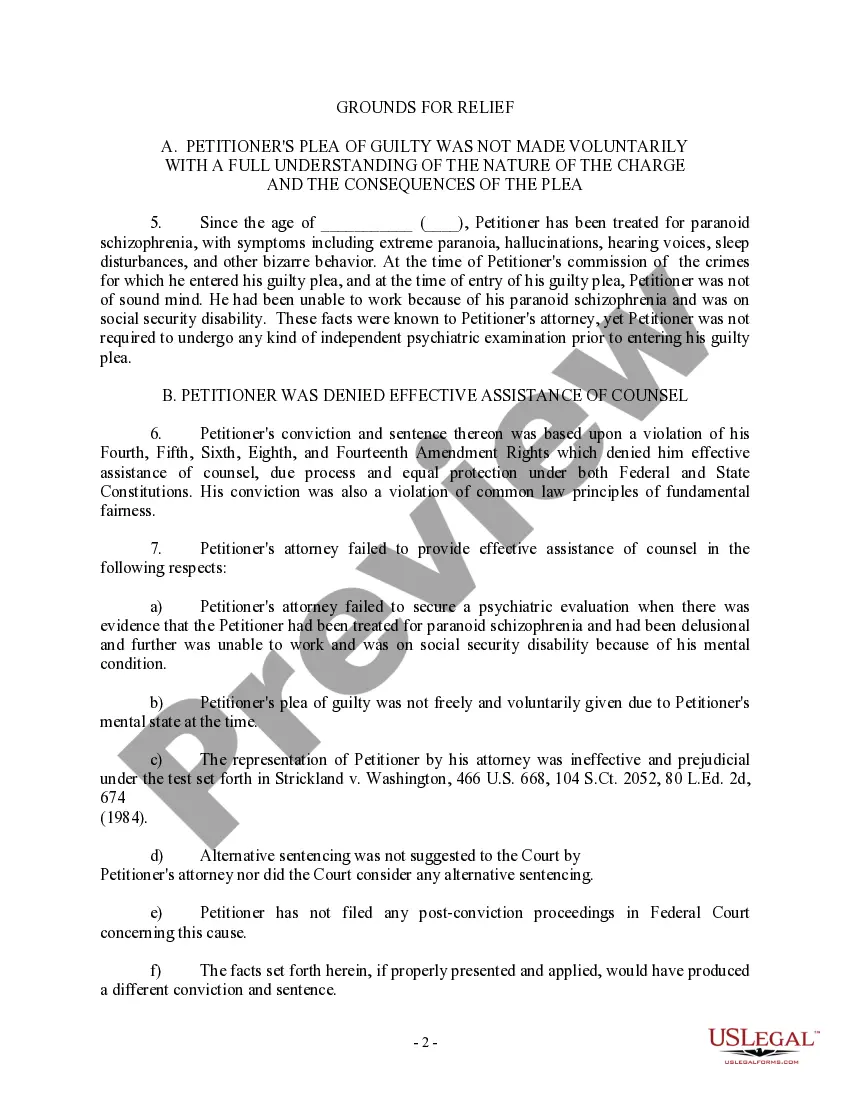
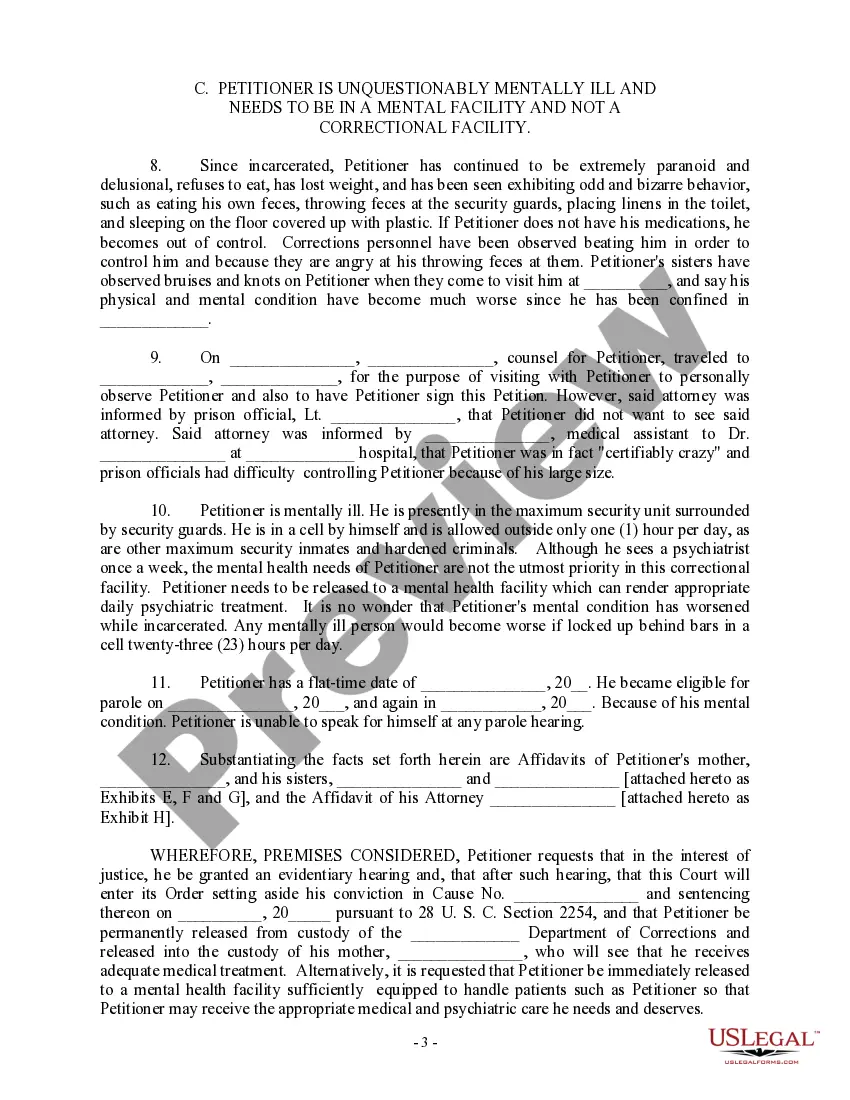
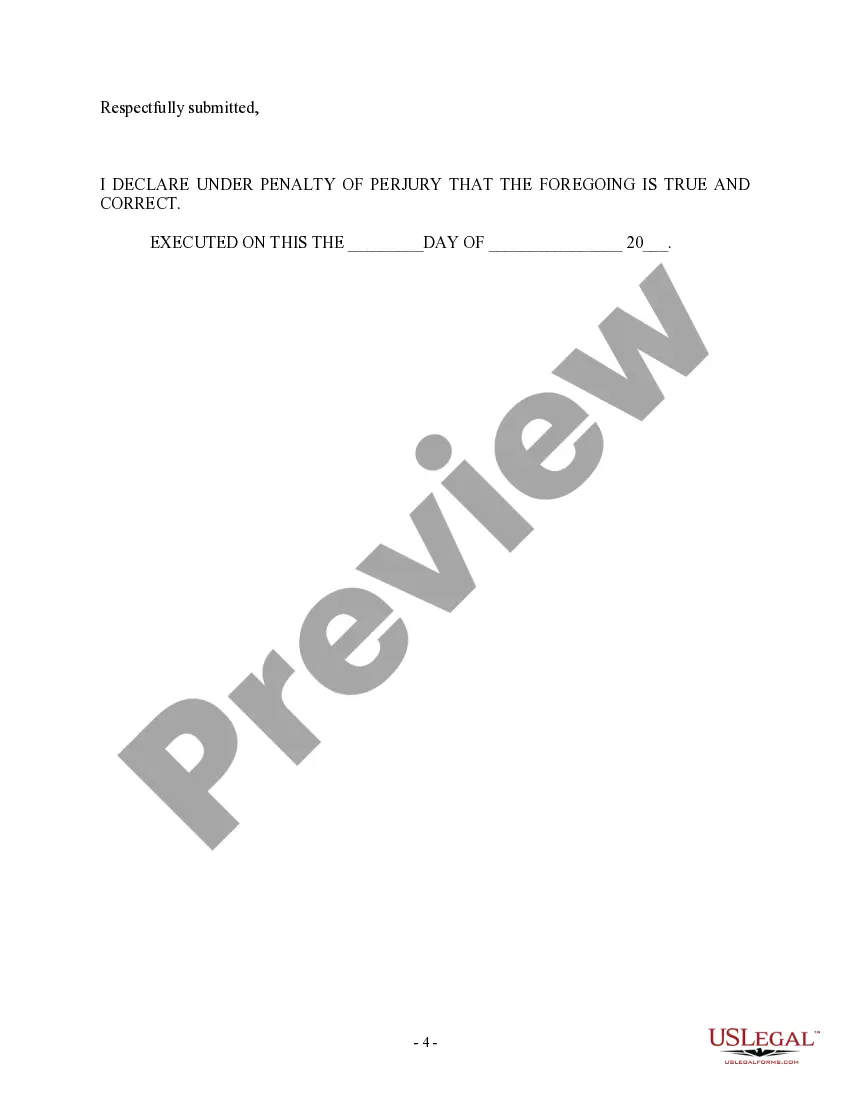
Federal Habeas Corpus Practice And Procedure In Utah
Description

Get your form ready online
Our built-in tools help you complete, sign, share, and store your documents in one place.
Make edits, fill in missing information, and update formatting in US Legal Forms—just like you would in MS Word.
Download a copy, print it, send it by email, or mail it via USPS—whatever works best for your next step.
Sign and collect signatures with our SignNow integration. Send to multiple recipients, set reminders, and more. Go Premium to unlock E-Sign.
If this form requires notarization, complete it online through a secure video call—no need to meet a notary in person or wait for an appointment.
We protect your documents and personal data by following strict security and privacy standards.

Make edits, fill in missing information, and update formatting in US Legal Forms—just like you would in MS Word.

Download a copy, print it, send it by email, or mail it via USPS—whatever works best for your next step.

Sign and collect signatures with our SignNow integration. Send to multiple recipients, set reminders, and more. Go Premium to unlock E-Sign.

If this form requires notarization, complete it online through a secure video call—no need to meet a notary in person or wait for an appointment.

We protect your documents and personal data by following strict security and privacy standards.
Looking for another form?







Form popularity
FAQ
A writ of habeas corpus is used to bring a prisoner or other detainee (e.g. institutionalized mental patient) before the court to determine if the person's imprisonment or detention is lawful. A habeas petition proceeds as a civil action against the State agent (usually a warden) who holds the defendant in custody.
If an inmate meets all the requirements to file a petition for writ of habeas corpus, they will file their petition in the superior court in the court of conviction. Within 60 days, the court will review the petition to determine if the inmate raised a prima facie case entitling them to relief.
A Writ of Habeas Corpus usually addresses claims of ineffective assistance of counsel, prosecutorial misconduct, newly discovered evidence, jury misconduct, and claims of actual innocence.
Habeas Corpus: Pertains to personal liberty in cases of illegal detention and wrongful arrest. Mandamus: Directs public officials, governments, and courts to perform their statutory duties.
Habeas Corpus, a Latin term meaning “you shall have the body,” is a legal action or writ by which an individual can report an unlawful detention or imprisonment to a court and request that the court order the custodian to bring the detainee to court.
The writ of habeas corpus has been suspended four times since the Constitution was ratified: throughout the entire country during the Civil War; in eleven South Carolina counties overrun by the Ku Klux during Reconstruction; in two provinces of the Philippines during a 1905 insurrection; and in Hawaii after the ...
Ask the court for a writ of habeas corpus (a court order telling a public official, like a prison warden, to bring you to the court and show a legal reason for holding you) to challenge your criminal conviction or commitment to another facility or the conditions under which you are being held.
The rules for filing a federal writ of habeas corpus are codified in 28 U.S.C. §§ 2241-2256. Generally, one cannot file a writ of habeas corpus unless they show the government has detained them. State prisoners cannot file a federal writ unless they exhaust all available state remedies.
It found that 3.2 percent of the petitions were granted in whole or in part, and only l. 8 percent resulted in any type of release of the petitioner.
A Writ of Habeas Corpus is usually filed by submitting a Petition, a Memorandum of Points and Authorities, a Declaration from the defendant, and other evidence which supports the Writ of Habeas Corpus. The Memorandum of Points of Authorities is a legal memorandum, which contains the legal arguments of the defendant.
