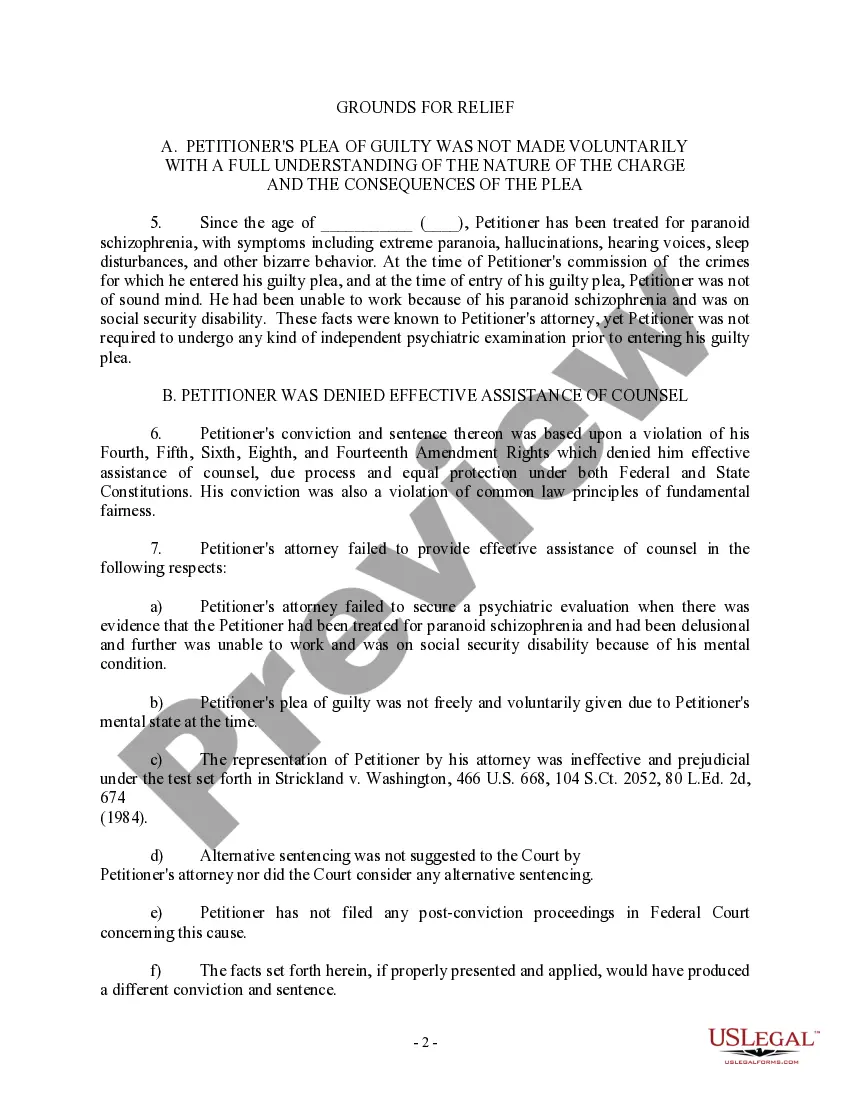
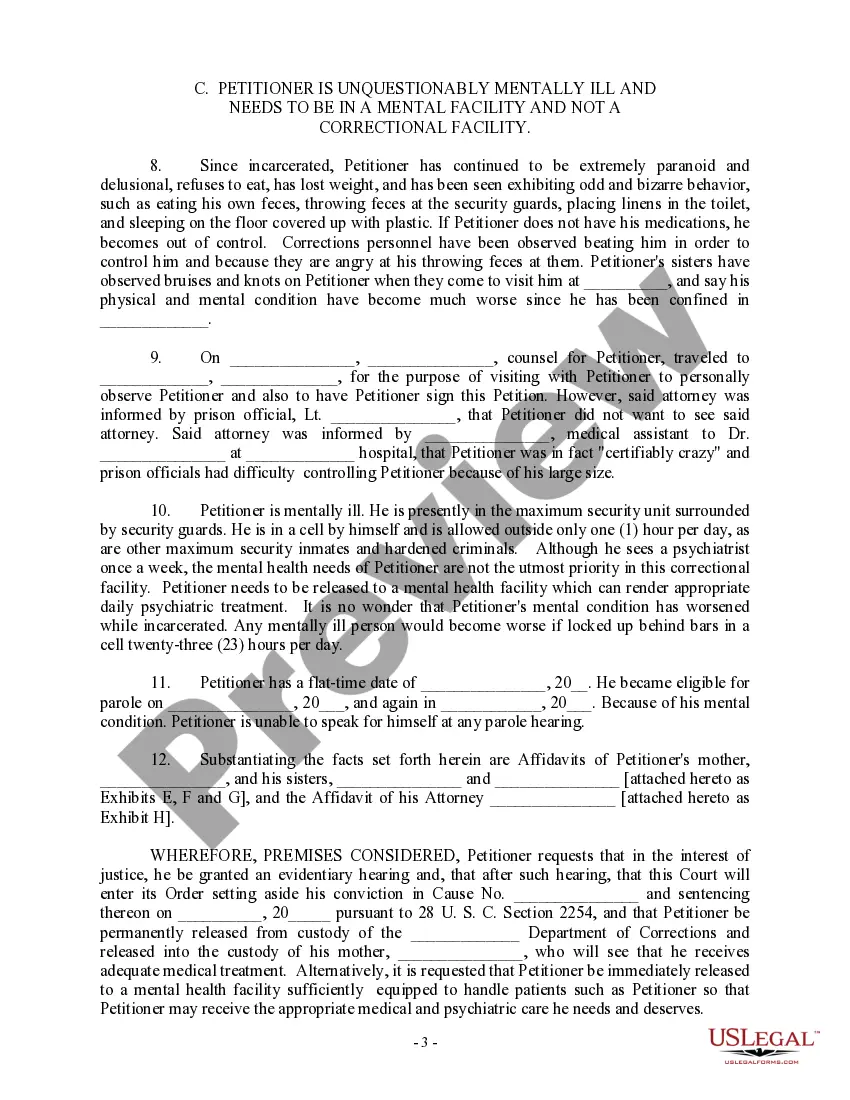
Petition Visitation Form With Answer In Texas
Description

Get your form ready online
Our built-in tools help you complete, sign, share, and store your documents in one place.
Make edits, fill in missing information, and update formatting in US Legal Forms—just like you would in MS Word.
Download a copy, print it, send it by email, or mail it via USPS—whatever works best for your next step.
Sign and collect signatures with our SignNow integration. Send to multiple recipients, set reminders, and more. Go Premium to unlock E-Sign.
If this form requires notarization, complete it online through a secure video call—no need to meet a notary in person or wait for an appointment.
We protect your documents and personal data by following strict security and privacy standards.

Make edits, fill in missing information, and update formatting in US Legal Forms—just like you would in MS Word.

Download a copy, print it, send it by email, or mail it via USPS—whatever works best for your next step.

Sign and collect signatures with our SignNow integration. Send to multiple recipients, set reminders, and more. Go Premium to unlock E-Sign.

If this form requires notarization, complete it online through a secure video call—no need to meet a notary in person or wait for an appointment.

We protect your documents and personal data by following strict security and privacy standards.
Looking for another form?










Form popularity
FAQ
Draft an Answer. Pull the header information from the plaintiff's petition. Title your Answer “Answer to Plaintiff's Petition/Complaint.” Center this title and make it bold. Introduce yourself. Admit, deny, or claim that you lack sufficient knowledge to admit or deny each of the plaintiff's numbered allegations.
Prepare your response, which is called an "Answer." In your Answer, you must address each allegation in the complaint and state your defenses. You can find templates for Answers online or at the court clerk's office. 4. File your Answer with the court by the deadline stated in the summons.
Filing a response is an important first step for any defendant in a civil lawsuit. By filing a response, you establish that you are contesting the case and requiring the plaintiff to prove their case at trial in order to win.
An answer is a legal form filed with the court by the respondent in a court case. In a family law case, the petitioner is the person who starts the case by filing a petition with the court. The other side is the respondent. Filing an answer with the court protects the respondent's right to have a say in the case.
In order to get a court order for child support, custody, or visitation, you will need to file a Suit Affecting the Parent-Child Relationship, or SAPCR ("sap sir").
To file online, go to E-File Texas ( ) 11 and follow the instructions. To file in person, take your answer (and copies) to the district clerk's office in the county where the plaintiff filed the case. At the clerk's office: Turn in your answer form (and copies).
Send your Answer to the address stated in the Summons that was served on you with the petition. The Certificate of Service that you completed and filed with the court is your proof to the court that you did mail a copy of your Answer to the other side's attorney, or to him/her.
In Civil Law, an “answer” is the first formal response given by the defense to a complaint filed with the court by the plaintiff. This opening written statement will admit or deny the allegations, or demand more information about the claims of wrongdoing.
Be specific. Don't ramble or repeat yourself, and don't include irrelevant information. Don't lie or make assumptions not supported by facts and evidence — include only information that you have personal knowledge of. Don't use inflammatory language or rant about the other parent.
Texas Rule of Civil Procedure 99(b) instructs, “The citation shall direct the defendant to file a written answer to the plaintiff's petition on or before a.m. on the Monday next after the expiration of twenty days after the date of service thereof.”
