Federal Rules For Habeas Corpus In Maryland
Description

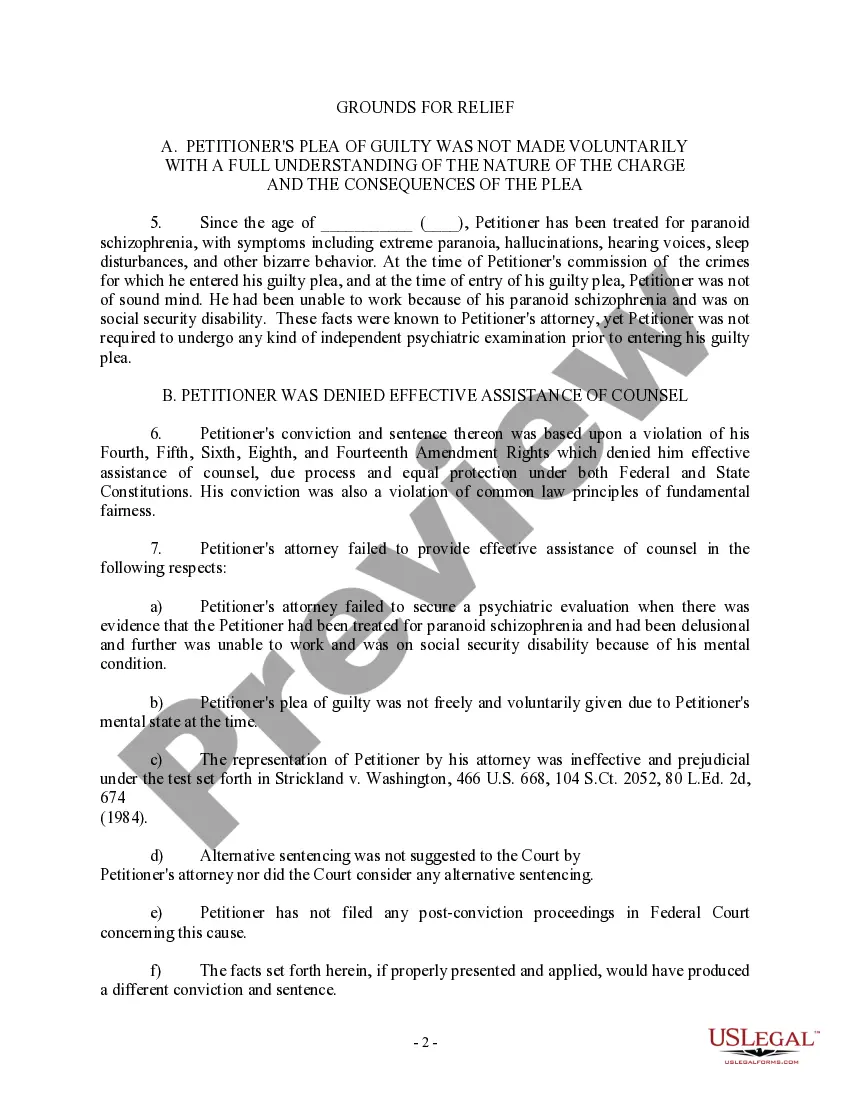
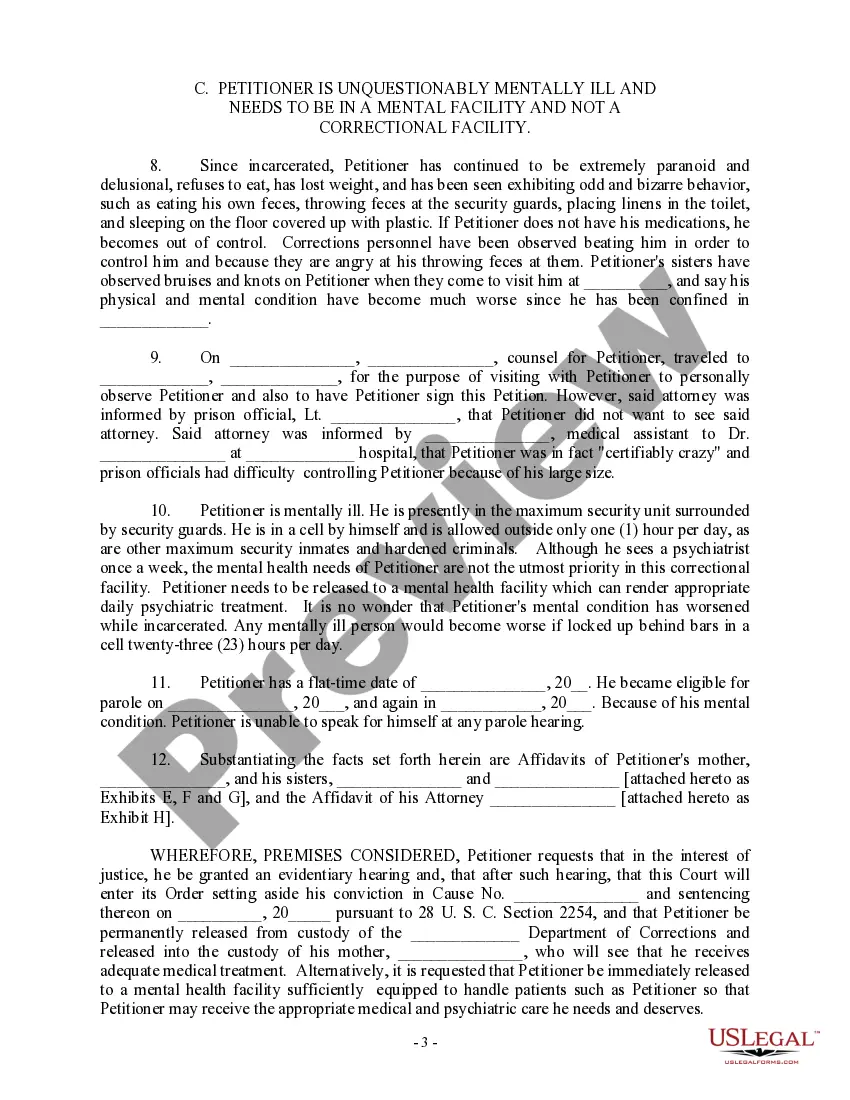

Get your form ready online
Our built-in tools help you complete, sign, share, and store your documents in one place.
Make edits, fill in missing information, and update formatting in US Legal Forms—just like you would in MS Word.
Download a copy, print it, send it by email, or mail it via USPS—whatever works best for your next step.
Sign and collect signatures with our SignNow integration. Send to multiple recipients, set reminders, and more. Go Premium to unlock E-Sign.
If this form requires notarization, complete it online through a secure video call—no need to meet a notary in person or wait for an appointment.
We protect your documents and personal data by following strict security and privacy standards.

Make edits, fill in missing information, and update formatting in US Legal Forms—just like you would in MS Word.

Download a copy, print it, send it by email, or mail it via USPS—whatever works best for your next step.

Sign and collect signatures with our SignNow integration. Send to multiple recipients, set reminders, and more. Go Premium to unlock E-Sign.

If this form requires notarization, complete it online through a secure video call—no need to meet a notary in person or wait for an appointment.

We protect your documents and personal data by following strict security and privacy standards.
Looking for another form?
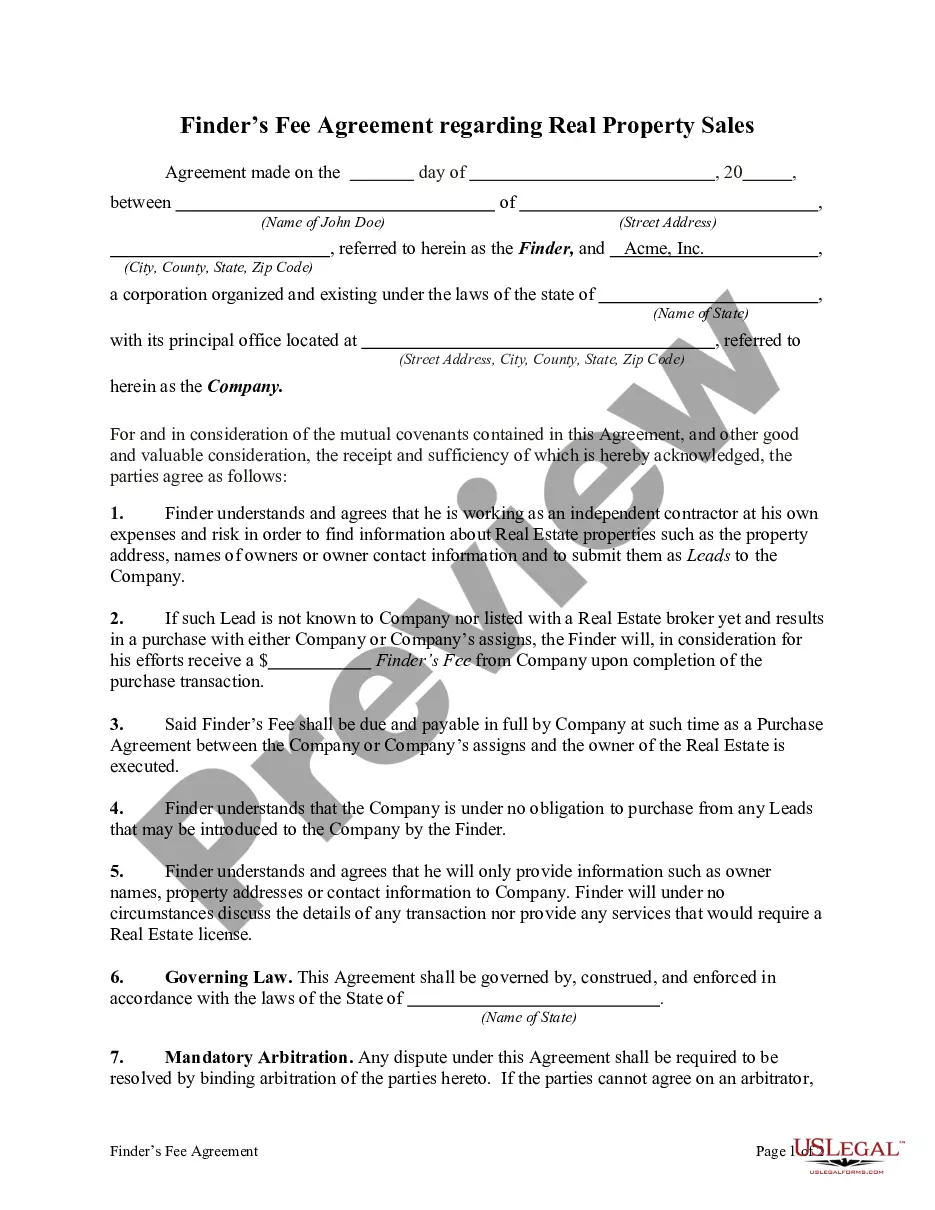
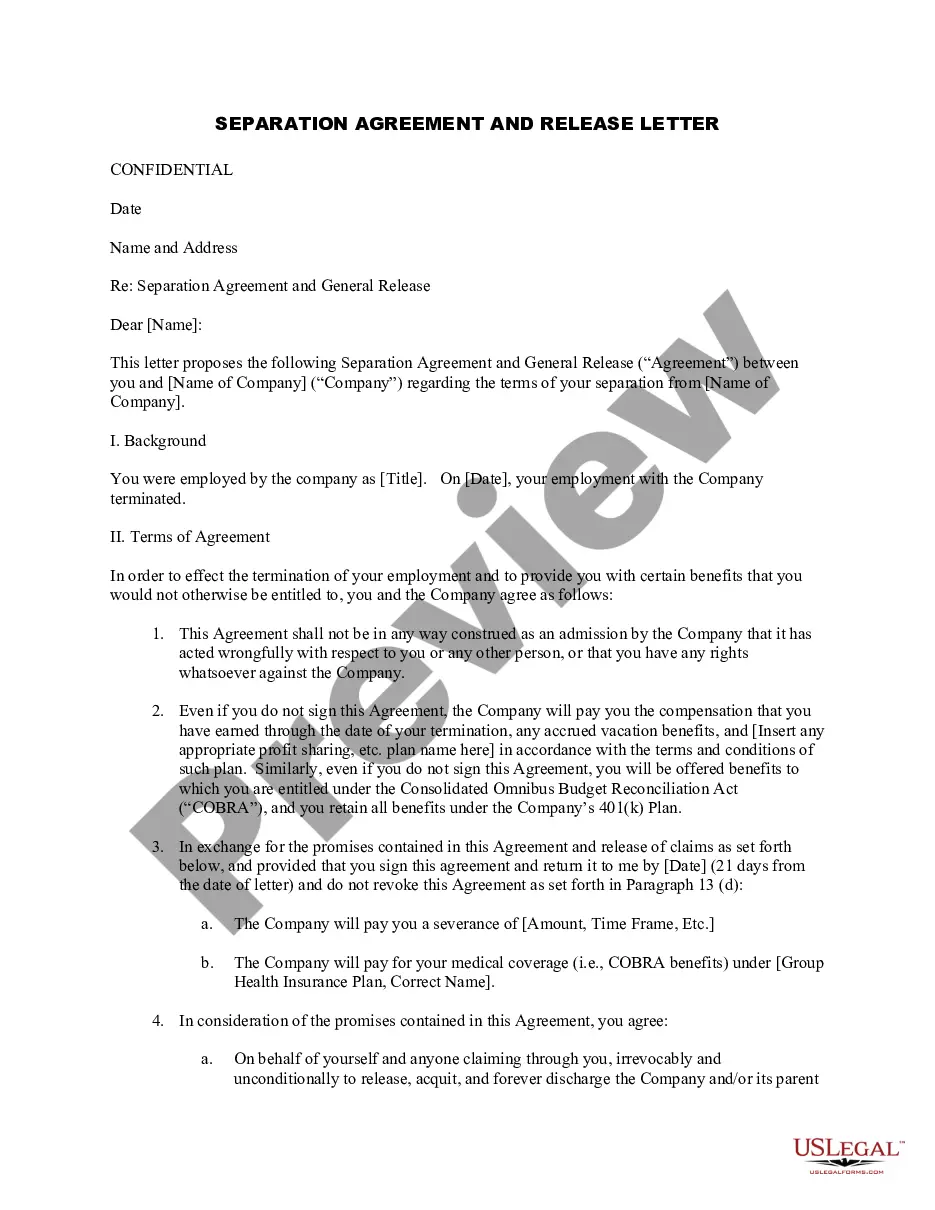

Form popularity
FAQ
In an appeal from the grant or denial of a peace order, the circuit court, on its own initiative or on motion of any party, may modify, stay, or issue a peace order for good cause shown pending the determination of the appeal.
A pleading shall contain only such statements of fact as may be necessary to show the pleader's entitlement to relief or ground of defense. It shall not include argument, unnecessary recitals of law, evidence, or documents, or any immaterial, impertinent, or scandalous matter.
P. 26 requires that discovery be relevant to any party's claim or defense; proportional to what is at issue in a case; and not excessively burdensome or expensive as compared to the likely benefit of obtaining the discovery being sought.
P. 26 requires that discovery be relevant to any party's claim or defense; proportional to what is at issue in a case; and not excessively burdensome or expensive as compared to the likely benefit of obtaining the discovery being sought.
Rule 26 of the Federal Rules of Civil Procedure (FRCP) dictates protocols for the conduct of pretrial information discovery for civil litigation in U.S. federal courts. The need to correctly and adequately fulfill discovery obligations under FRCP Rule 26 poses a major challenge with myriad risks attached.
A federal petition for writ of habeas corpus under 28 U.S.C. § 2254 is used by a (1) state prisoner (2) being held in state custody (3) to challenge the validity of a state criminal conviction or sentence (4) for the purpose of obtaining release from custody.
Rule 26(a)(2)(A) requires parties to disclose the identity of any expert witness they intend to use at trial, along with a written report containing the expert's opinions and the bases for those opinions.
PLEADINGS ALLOWED. There shall be a complaint and a notice of intention to defend. There may be a counterclaim, a cross-claim, and a third-party complaint.
Service is made on an officer or agency of the State of Maryland by serving (1) the resident agent designated by the officer or agency, or (2) the Attorney General or an individual designated by the Attorney General in a writing filed with the Clerk of the Supreme Court.
If not raised by specific demand for proof, these matters are admitted for the purpose of the pending action. Upon motion of a party upon whom a specific demand for proof is made, the court may continue the trial for a reasonable time to enable the party to obtain the demanded proof.