Recovery Letter For Payment In Orange
Description

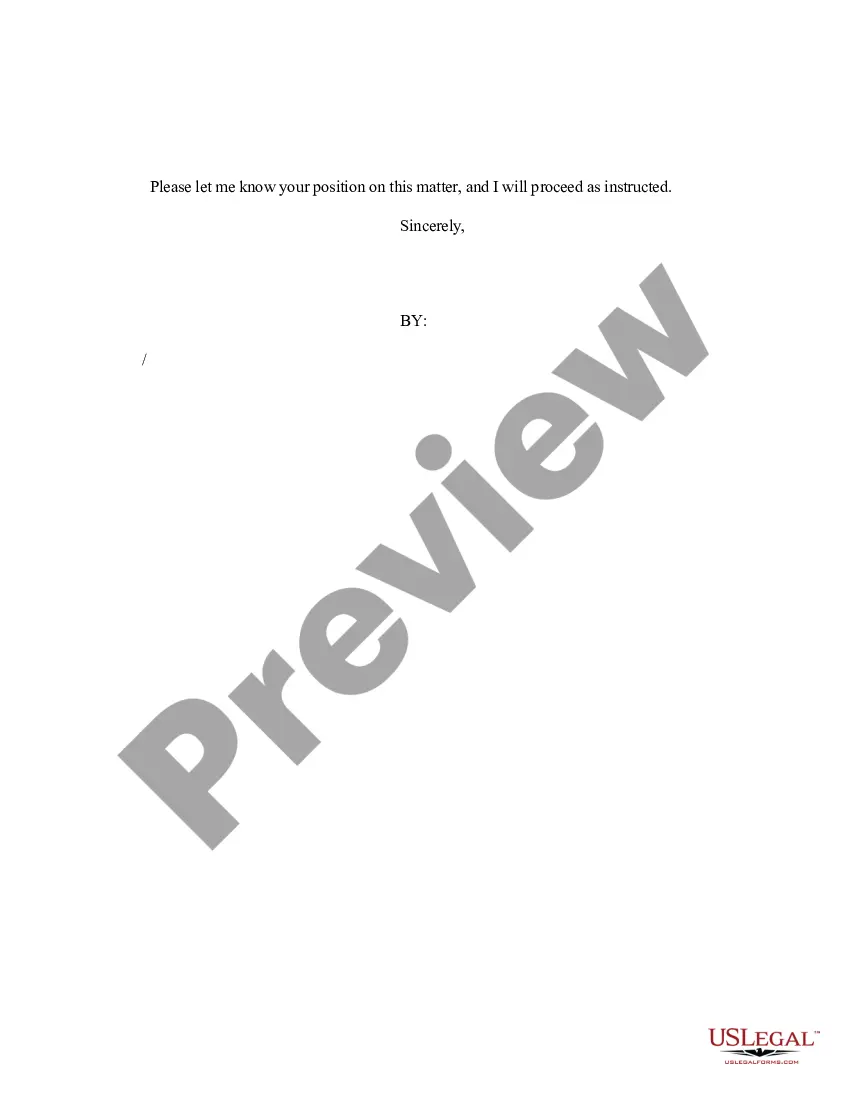


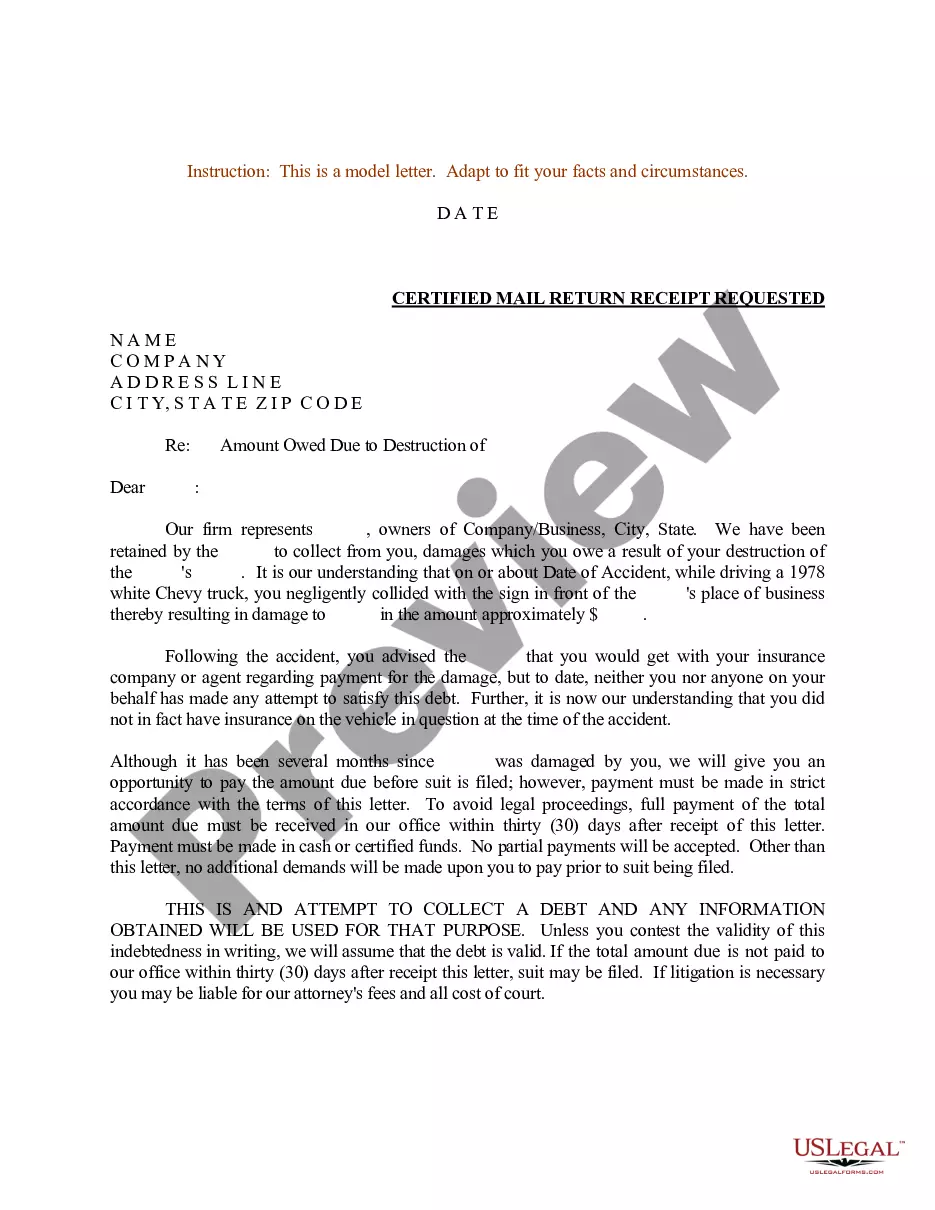

Get your form ready online
Our built-in tools help you complete, sign, share, and store your documents in one place.
Make edits, fill in missing information, and update formatting in US Legal Forms—just like you would in MS Word.
Download a copy, print it, send it by email, or mail it via USPS—whatever works best for your next step.
Sign and collect signatures with our SignNow integration. Send to multiple recipients, set reminders, and more. Go Premium to unlock E-Sign.
If this form requires notarization, complete it online through a secure video call—no need to meet a notary in person or wait for an appointment.
We protect your documents and personal data by following strict security and privacy standards.

Make edits, fill in missing information, and update formatting in US Legal Forms—just like you would in MS Word.

Download a copy, print it, send it by email, or mail it via USPS—whatever works best for your next step.

Sign and collect signatures with our SignNow integration. Send to multiple recipients, set reminders, and more. Go Premium to unlock E-Sign.

If this form requires notarization, complete it online through a secure video call—no need to meet a notary in person or wait for an appointment.

We protect your documents and personal data by following strict security and privacy standards.
Looking for another form?




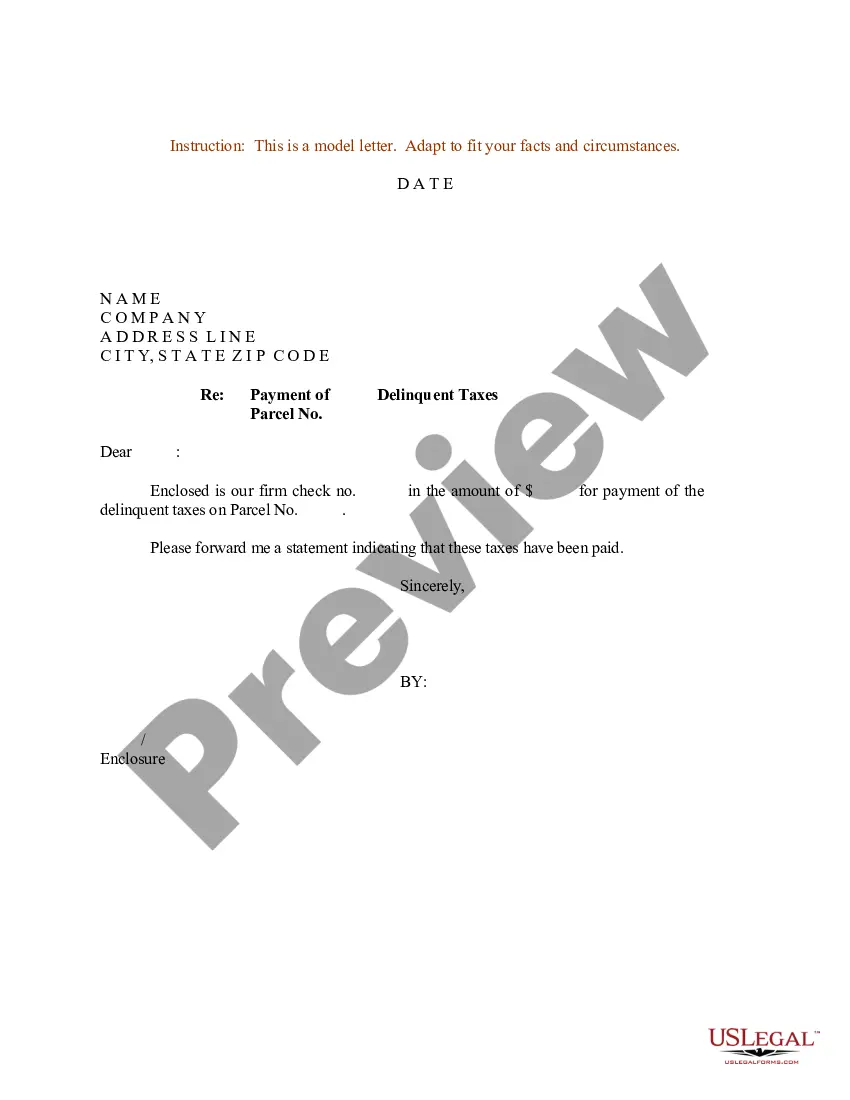
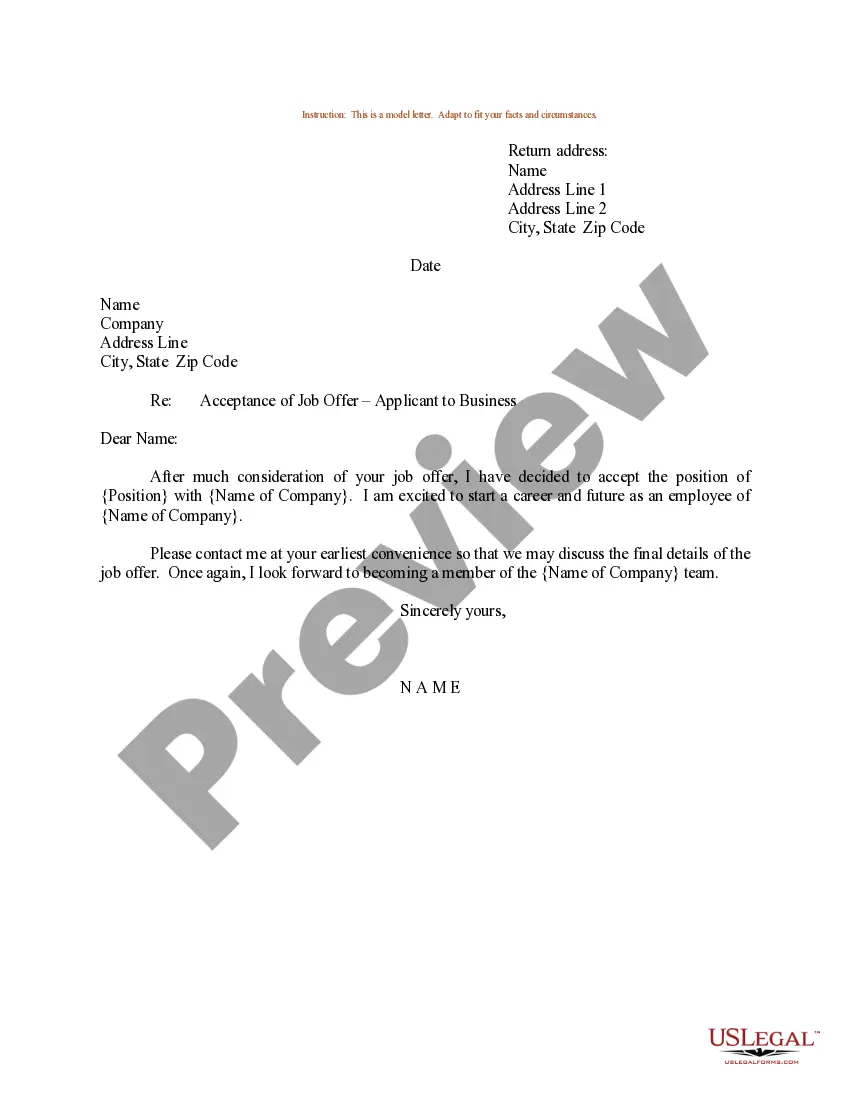



Form popularity
FAQ
The letter is usually sent for the creditor by a debt recovery agency. A debt collection letter acts as a formal notice to the person in debt that they have a legal obligation to clear the debt in full.
Overview. Recovery means finding your path to a meaningful life. It puts you in control of your life and helps you gain self-confidence and respect for yourself. You can use recovery for substance use and mental health problems such as post-traumatic stress disorder (PTSD).
We advise you to contact us as soon as possible on 0208 234 6775 where one of our highly trained and helpful advisors will be able to discuss your options.
How to write a debt collection letter: Step by step guide Step 1: Use a professional format. Step 2: Write a clear subject line (if sending via email) ... Step 3: Address the recipient. Step 4: State the purpose of the letter. Step 5: Provide detailed information on the debt. Step 6: Include payment instructions.
Rest and recovery is all about giving the body time to repair, rebuild, and strengthen itself between workouts.
A Default Notice could be issued which could to lead to further enforcement. the debt could be passed to the Enforcement Agents (bailiffs) for collection. court action could be taken. a Statutory Demand could be issued – this is the first step for a creditor making you bankrupt.
As the payment is due for a long, we would appreciate it if you could make the full amount deposit at the earliest. I request you to kindly look into the matter within the next six working days. In case of failure of payment, strict legal action will be taken. Kindly acknowledge the matter.
Some brief guidelines, letters should: Be addressed to 'Dear You' Written in the first person e.g. 'I felt that...' Be up to 1,000 words in length, preferably less. Be supportive and give comfort to the person reading the letter. Use your first name or a pseudonym to end the letter.
Below is a step-by-step guide on how to write a letter requesting payment of overdue invoices: Step 1- Start with a polite greeting. Step 2 – Clearly state the purpose. Step 3 – Provide relevant details. Step 4 – Express understanding. Step 5 – Set clear expectations. Step 6 – Offer assistance:
Clearly outline the specifics of the debt, including: Amount owed: Specify the exact amount due. Original due date: Mention when the payment was initially due. Current due date: Specify a new due date by which you expect payment. Interest or fees: If applicable, include any interest or late fees that have accrued.
