Recovery Letter Format In Oakland
Description
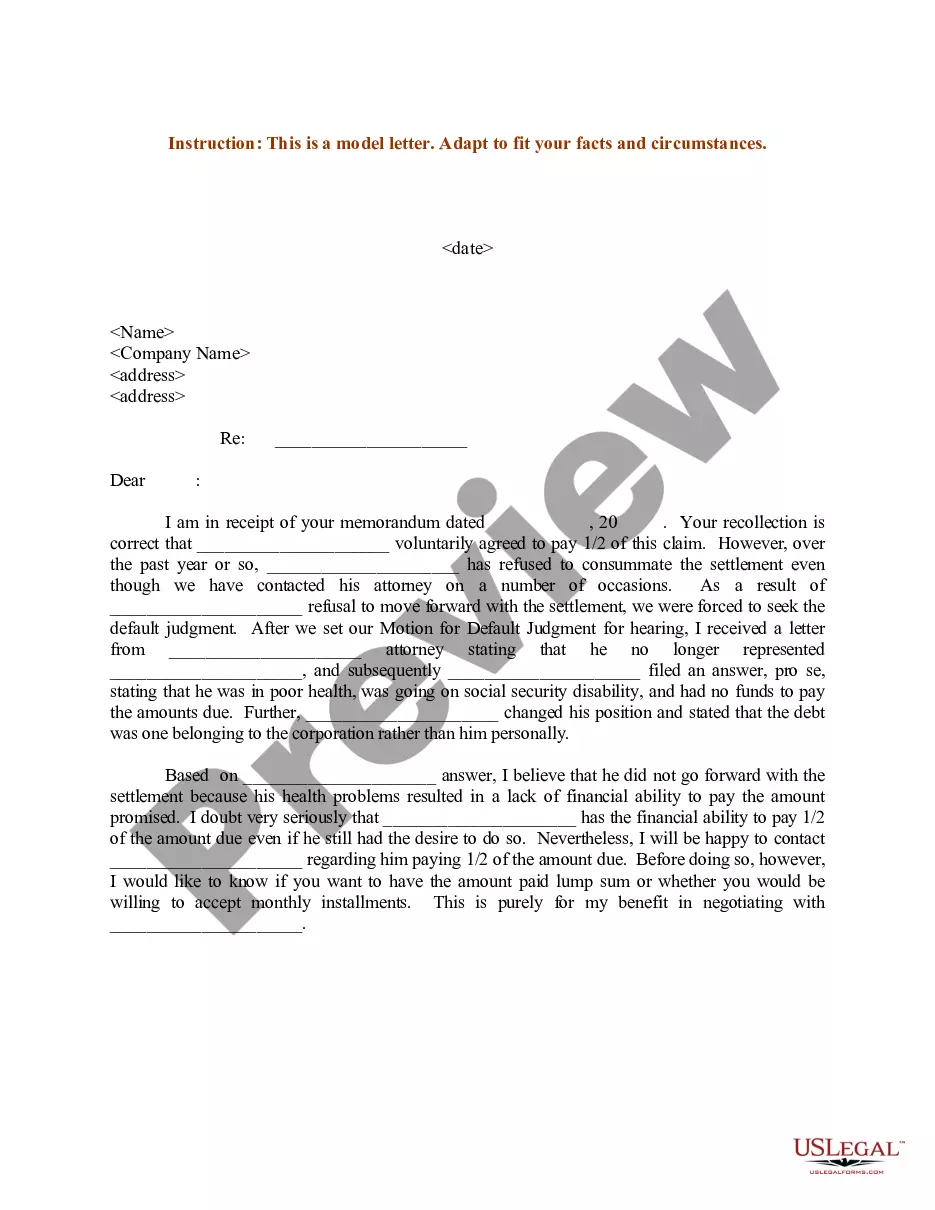
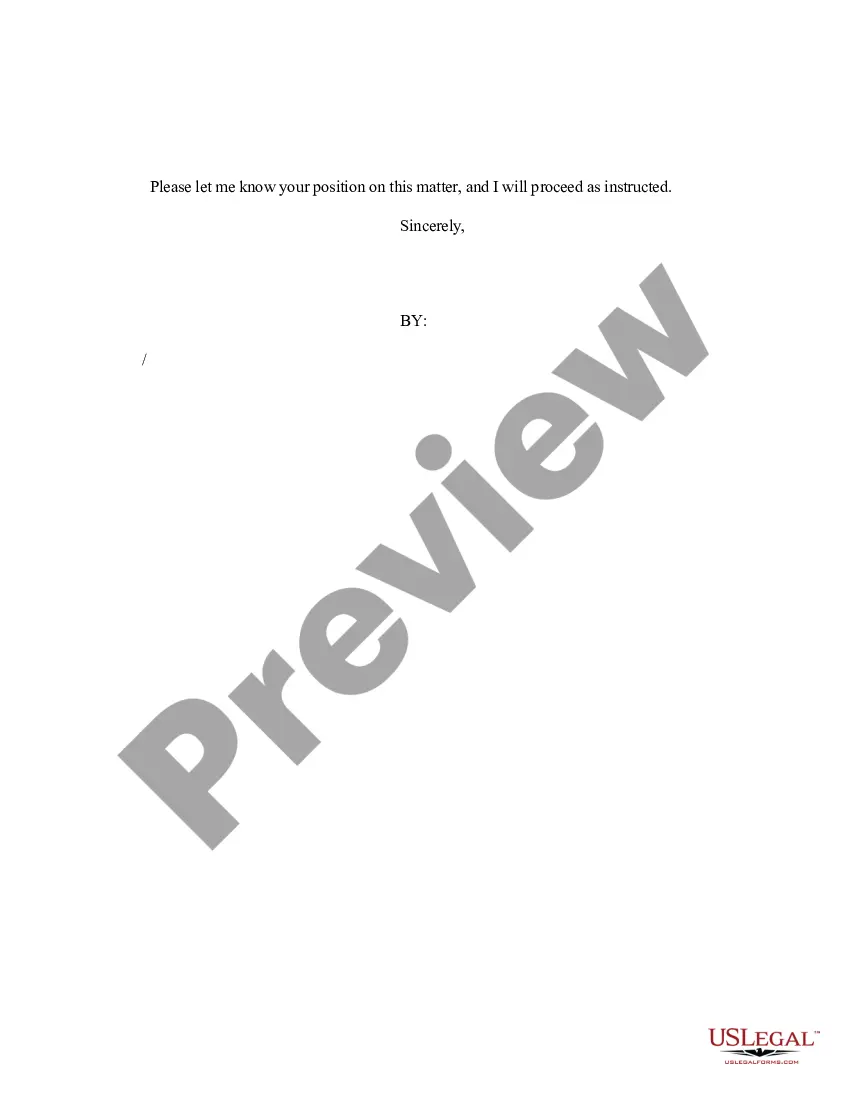


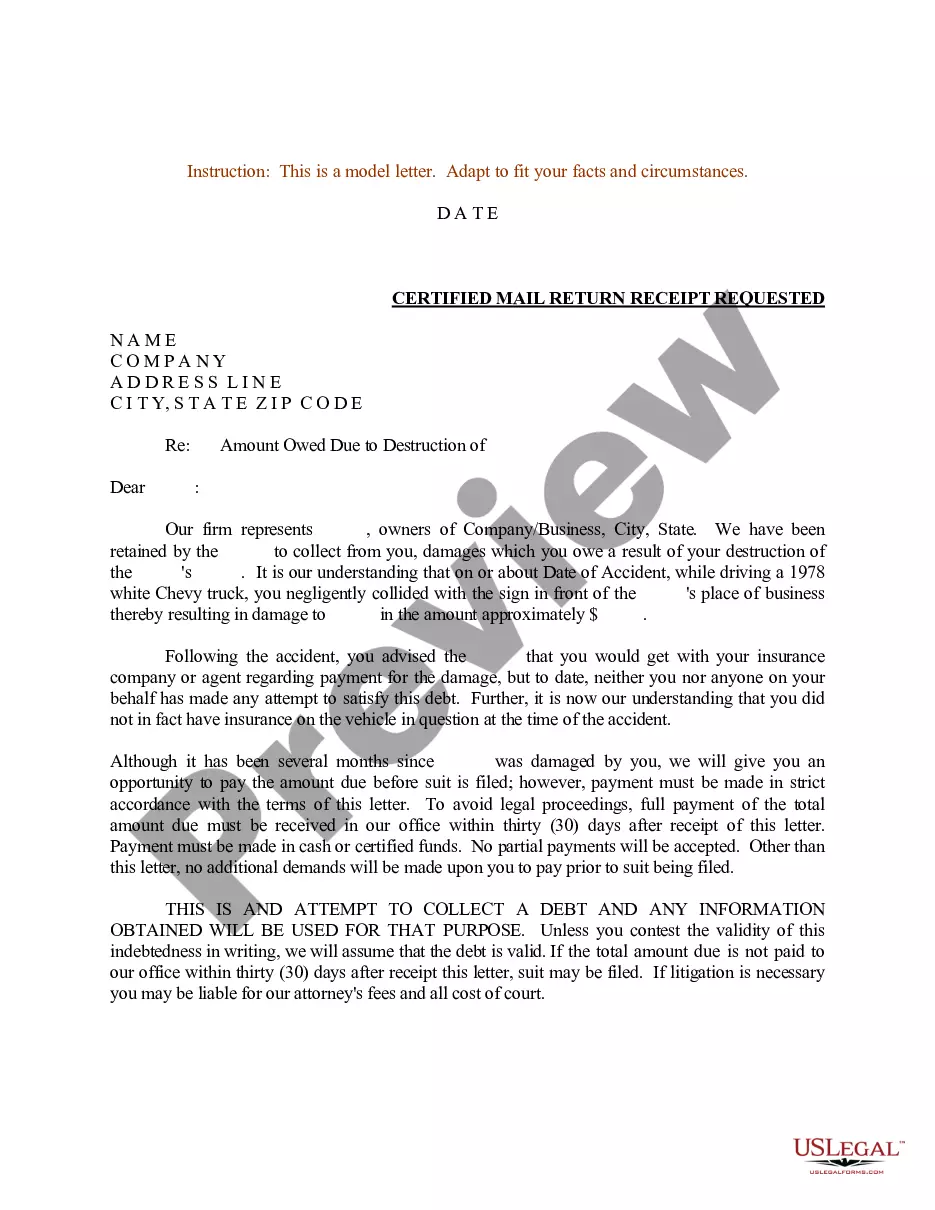

Get your form ready online
Our built-in tools help you complete, sign, share, and store your documents in one place.
Make edits, fill in missing information, and update formatting in US Legal Forms—just like you would in MS Word.
Download a copy, print it, send it by email, or mail it via USPS—whatever works best for your next step.
Sign and collect signatures with our SignNow integration. Send to multiple recipients, set reminders, and more. Go Premium to unlock E-Sign.
If this form requires notarization, complete it online through a secure video call—no need to meet a notary in person or wait for an appointment.
We protect your documents and personal data by following strict security and privacy standards.

Make edits, fill in missing information, and update formatting in US Legal Forms—just like you would in MS Word.

Download a copy, print it, send it by email, or mail it via USPS—whatever works best for your next step.

Sign and collect signatures with our SignNow integration. Send to multiple recipients, set reminders, and more. Go Premium to unlock E-Sign.

If this form requires notarization, complete it online through a secure video call—no need to meet a notary in person or wait for an appointment.

We protect your documents and personal data by following strict security and privacy standards.
Looking for another form?


Form popularity
FAQ
Some brief guidelines, letters should: Be addressed to 'Dear You' Written in the first person e.g. 'I felt that...' Be up to 1,000 words in length, preferably less. Be supportive and give comfort to the person reading the letter. Use your first name or a pseudonym to end the letter.
For urgent issues, call 311 or (510) 615-5566.
How to write an explanation letter in 3 steps Choose letter format. Clients, team members or students may use print or email for their letters. Explain the situation. To begin writing this type of letter, you might explain the situation or circumstance and any contributing factors. Take responsibility and accountability.
Some brief guidelines, letters should: Be addressed to 'Dear You' Written in the first person e.g. 'I felt that...' Be up to 1,000 words in length, preferably less. Be supportive and give comfort to the person reading the letter. Use your first name or a pseudonym to end the letter.
13 Tips for answering emails professionally Use a professional email signature. Enhance your email signature design. Use proper grammar and spelling. Be clear and concise. Be polite. Use positive language. Avoid using slang or abbreviations. Don't forget to say thank you!
Constructing the Response Address the letter to the person who requested the information. State that you're responding to the original letter. Answer the person's inquiry as directly as you can. Acknowledge clearly if you can't fulfill the person's request. Thank the person for writing.
What a good final response letter includes Step 1: Set out the issues complained about and what the person wanted. Step 2: Explain how you looked into the complaint. Step 3: Present the evidence you considered. Step 4: Explain the outcome and whether something went wrong.
When writing a customer complaint response, consider following these steps: Read the entire complaint. Apologize for any inconvenience. Explain what may have caused the issue. Propose an actionable, detailed solution. Explain how you can improve the customer's experience in the future. Offer an incentive.
Filing a Claim The City of Oakland has a standard claim form that can be used for your convenience. You can file the form electronically at claims@oaklandcityattorney, or you can send the form by mail to: Oakland City Attorney's Office, 1 Frank H. Ogawa Plaza, 6th Floor, Oakland, CA 94612.
