Letter Recovery Document For Word In Houston
Description



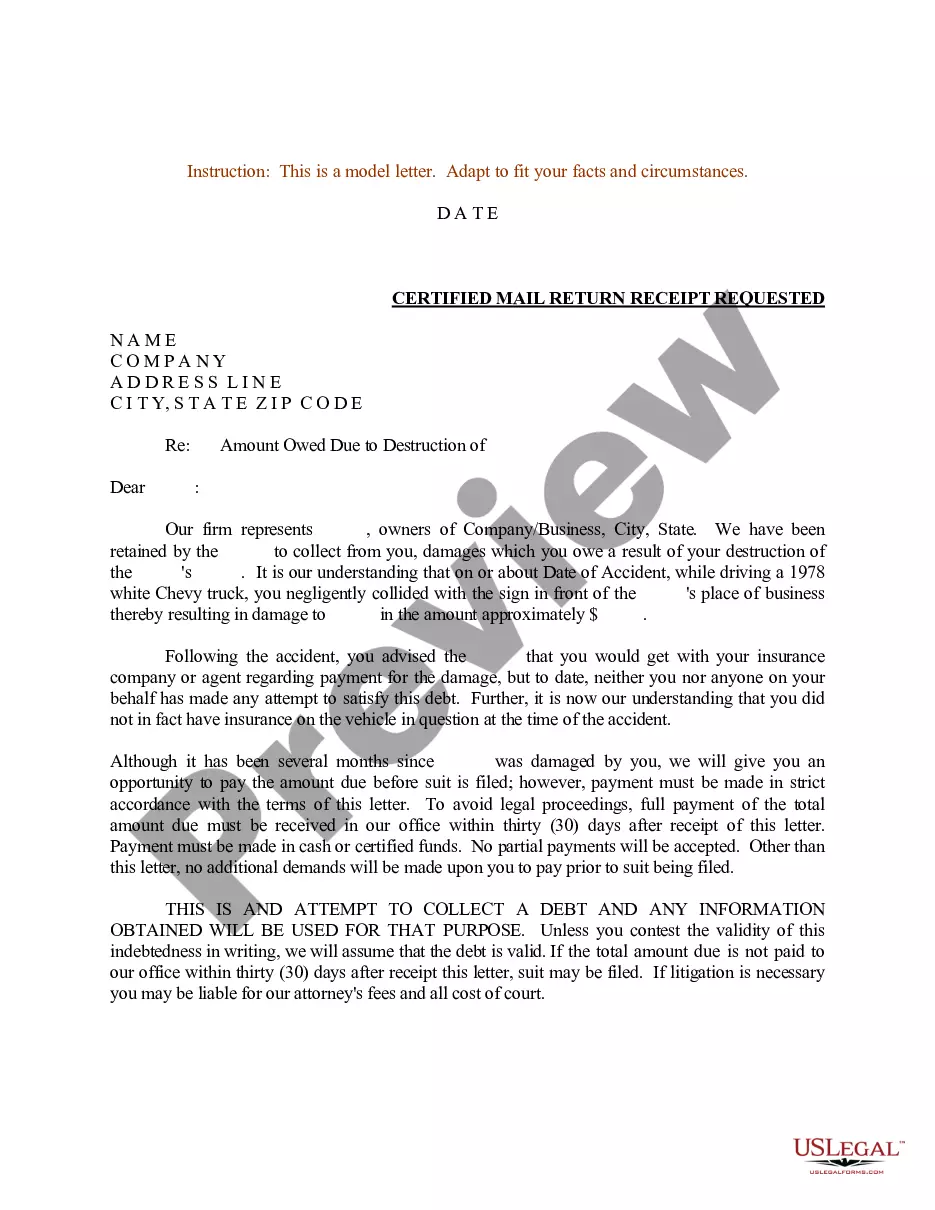

Get your form ready online
Our built-in tools help you complete, sign, share, and store your documents in one place.
Make edits, fill in missing information, and update formatting in US Legal Forms—just like you would in MS Word.
Download a copy, print it, send it by email, or mail it via USPS—whatever works best for your next step.
Sign and collect signatures with our SignNow integration. Send to multiple recipients, set reminders, and more. Go Premium to unlock E-Sign.
If this form requires notarization, complete it online through a secure video call—no need to meet a notary in person or wait for an appointment.
We protect your documents and personal data by following strict security and privacy standards.

Make edits, fill in missing information, and update formatting in US Legal Forms—just like you would in MS Word.

Download a copy, print it, send it by email, or mail it via USPS—whatever works best for your next step.

Sign and collect signatures with our SignNow integration. Send to multiple recipients, set reminders, and more. Go Premium to unlock E-Sign.

If this form requires notarization, complete it online through a secure video call—no need to meet a notary in person or wait for an appointment.

We protect your documents and personal data by following strict security and privacy standards.
Looking for another form?









Form popularity
FAQ
Word backup file names have a ".wbk" extension. If you have the "backup copy" option selected in Word, there might be a backup copy of the file.
Microsoft Office Word 97-2003 Binary File Format (. doc). The Microsoft Word Binary File format, with the . doc extension and referred to here as DOC, was the default format used for documents in Microsoft Word from Word 97 (released in 1997) through Microsoft Office 2003.
MS Office makes it easy to recover unsaved word documents after you've shut down or restarted your computer. Click on the File menu. Click on Recover Unsaved Documents. Click on the document you need. Save the document to your computer.
Go to File > Info > Manage Document > Recover Unsaved Documents.
Yes, you can. On your desktop, right-click the file. Select Properties from the drop-down menu and choose the Previous Versions tab from the menu. Select the Restore button after clicking on the version you want and click OK.
Texts recovered from damaged Word or Rich Text documents are saved to a new file with a .docx extension – the latest file format supported by MS Word.
Go to File > Info > Manage Document > Recover Unsaved Documents.
This article describes how Microsoft Word creates and recovers AutoRecover (. asd) files (AutoSave in Word 7. x) when you select the "Save AutoRecover Info every <n> Minutes" check box. (To locate this option, click Options on the Tools menu and then click the Save tab.)
Go to File > Info > Manage Document > Recover Unsaved Documents.
The Open and Repair command might be able to recover your file. Click File > Open > Browse and then go to the location or folder where the document (Word), workbook (Excel), or presentation (PowerPoint) is stored. Don't try to open the file from the Recent section as this won't go into the Open dialog box.
