Recovery Letter For Payment In Cuyahoga
Description




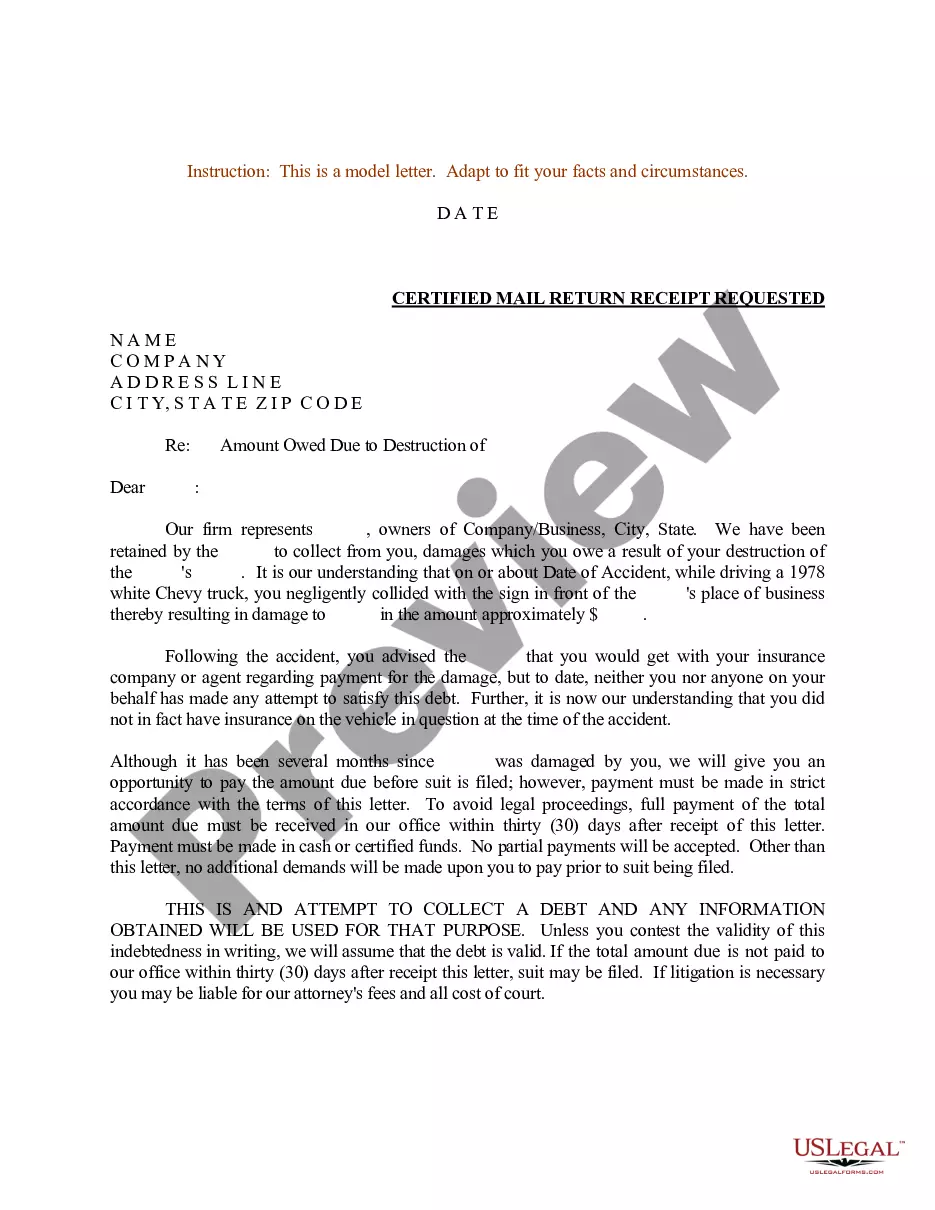

Get your form ready online
Our built-in tools help you complete, sign, share, and store your documents in one place.
Make edits, fill in missing information, and update formatting in US Legal Forms—just like you would in MS Word.
Download a copy, print it, send it by email, or mail it via USPS—whatever works best for your next step.
Sign and collect signatures with our SignNow integration. Send to multiple recipients, set reminders, and more. Go Premium to unlock E-Sign.
If this form requires notarization, complete it online through a secure video call—no need to meet a notary in person or wait for an appointment.
We protect your documents and personal data by following strict security and privacy standards.

Make edits, fill in missing information, and update formatting in US Legal Forms—just like you would in MS Word.

Download a copy, print it, send it by email, or mail it via USPS—whatever works best for your next step.

Sign and collect signatures with our SignNow integration. Send to multiple recipients, set reminders, and more. Go Premium to unlock E-Sign.

If this form requires notarization, complete it online through a secure video call—no need to meet a notary in person or wait for an appointment.

We protect your documents and personal data by following strict security and privacy standards.
Looking for another form?
Form popularity
FAQ
The Homestead Tax Exemption lets qualifying homeowners reduce their property taxes. The program is designed to help senior citizens, disabled homeowners and, in some cases, their surviving spouses. Income-eligible couples can qualify even if only one partner is a senior or disabled.
The Homestead Exemption program allows senior citizens and permanently and totally disabled Ohioans that meet annual state set income requirements to reduce their property tax burden by shielding some of the market value of their home from taxation.
To qualify for the direct assistance, resident must: Maintain a primary residence in Cuyahoga County for at least 3 years. Have an active certified tax delinquency on that residence. Be aged 70 years or greater.
While dates may vary slightly, generally real estate property taxes are due on the third Thursday of February and July. Please call the office at 216-443-7400 Option 1 with questions. Mobile home taxes are due March 1st and July 31st (or the first business day following if those dates fall on a weekend or holiday).
The HB 920 reduction factor, mandated by Ohio law, is designed to keep tax revenues stable when property values increase or decrease. This reduction factor will keep the revenue to our schools, cities, libraries, etc. at nearly the same level as originally approved by the voters.
Steps to File a Motion to Dismiss Review the Complaint Thoroughly. Carefully read the plaintiff's complaint to identify any legal deficiencies. Research Relevant Laws and Precedents. Draft the Motion. Include a Conclusion. File the Motion with the Court.
If you have a lawyer, the lawyer has to file the motion. If you want to file without the lawyer, you need to discharge the lawyer.
Motion to dismiss. Discovery motions. Motion to compel. Motion to strike. Motion for summary judgment. Motion for a directed verdict. Motion for nolle prosequi. Motion in Limine.
A motion is a written request asking a judge to do something. It also explains why you want that thing. For example, you might file a motion to change your court date. The court responds to your motion by issuing an order.
